Plumbing & Water‑Quality Checklist for Installing a Closed Colon Hydrotherapy Unit in a U.S. Clinic · body
Quick answer
Before installation confirm: incoming potable supply meets your clinic’s particulate, chlorine and hardness expectations and you have a pre‑treatment train (sediment and softening where needed) that protects the unit’s inlet (MAIKONG inlet filtration: 5µm) and heater; the supply can deliver the sustained flow/pressure the unit needs; you have hot/cold mixing or the machine’s heater located and plumbed to allow the machine’s internal constant‑temperature function to operate; a dedicated dual inlet/outlet plumbing run with isolation valves, accessible strainers and a backflow prevention device; direct floor drainage for the bed’s excretion basin and an accessible sewage connection for the machine’s built‑in sewage system; and you perform commissioning tests for leaks, pressure alarms and temperature control. Key MAIKONG parameters to verify with your site survey: inlet filtration 5µm, flow control 0–830 ml/min, water temperature control 30–40°C, dual inlet/outlet and built‑in pipeline self‑cleaning (see product facts).
Contents
Direct answer: the essential plumbing and water‑quality items you must confirm
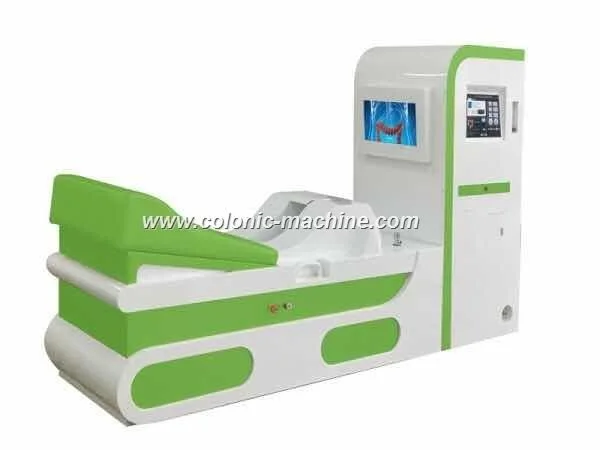
For a closed colon hydrotherapy unit to run reliably in a U.S. clinic you must confirm four practical things on site: (1) water quality entering the room, (2) supply pressure and continuous flow capability, (3) plumbing layout and drainage provision for the bed and machine, and (4) electrical and heater placement relative to plumbing. Use the MAIKONG machine specs as baseline confirmation for the install team: inlet filtration accuracy 5µm, water flow adjustment range 0–830 ml/min, and water temperature control range 30–40°C; the machine also includes automatic pipeline cleaning and dual inlet/outlet plumbing which affects how you route supply and return lines. These model facts are from our MAIKONG product material (data-fact-id=”126″ and data-fact-id=”125″).
Quick checklist summary (one‑page actionable list for site teams)
Measure incoming municipal water: turbidity/particulate, free chlorine, total hardness, pH, and microbiological baseline (HPC/coliforms if required).
Install upstream sediment prefilter (5µm or coarser depending on source) and consider a softener or scale inhibitor if hardness is high.
Confirm supply pressure/flow with a sustained draw test (see Water supply section) and provide isolation ball valves at the machine inlets.
Provide dual inlet/outlet connections with quick‑disconnect or 1/2″–3/4″ fittings as specified in the machine manual; include union fittings and serviceable strainers.
Install a listed backflow prevention device sized to local code on the supply line feeding the unit.
Plumb the bed excretion basin to a sanitary floor drain or dedicated trap and connect the machine’s built‑in sewage outlet to the clinic sewer according to local plumbing code.
Confirm electrical variant and route wiring away from wet zones; verify 2000W supply and model voltage variant before final panel connections.
Commissioning: leak test, pressure alarm test, heat control verification, inlet filtration check and pipeline self‑clean cycle run.
Incoming water quality requirements and minimum filtration
The machine’s specified inlet filtration accuracy is 5µm (data-fact-id=”126″). That is the baseline element the unit expects at the machine inlet after any external prefiltration. In practice:
Particulate: Provide a dedicated sediment filter upstream. If your municipal source has visible turbidity or frequent construction activity, install a 20/5µm multi‑stage sediment train and schedule regular cartridge changes.
Chlorine and disinfection byproducts: Many municipal supplies use chlorination. Excess free chlorine can affect internal plumbing materials and taste. A simple activated carbon stage after the sediment filter will reduce free chlorine; consider this if the measured free chlorine is above typical municipal residuals.
Hardness/scale: The machine contains an internal heater and water‑contact pumps—scale is a predictable failure mode. If total hardness is >120 ppm (expressed as CaCO3) on your lab report, install either a water softener, template assisted crystallization unit, or routine descaling schedule. Softening decisions must match local practice and code.
Microbiology: Closed systems reduce exposure risk, but clinical installations should obtain baseline heterotrophic plate counts (HPC) and a coliform screen. If non‑potable or questionable source water is present, contact water‑treatment professionals—do not rely on the machine to disinfect supply water.
Minimum onsite filtration recommendation
We require that the final inlet to the machine sees no particle larger than 5µm (data-fact-id=”126″). That means either a single 5µm cartridge directly upstream or a multi‑stage train (e.g., 50µm → 5µm → carbon) depending on your source. Make the 5µm stage accessible for replacement.
Water supply pressure and flow: what the unit expects and how to verify supply capability
Plumbing & Water‑Quality Checklist for Installing a Closed Colon Hydrotherapy Unit in a U.S. Clinic · body
The MAIKONG family lists a water flow adjustment range up to 830 ml/min (0–830 ml/min) in our product material (data-fact-id=”126″). Confirm the clinic’s supply by doing a simple flow test from the point where the machine will connect: measure liters per minute at the isolation valve while the rest of the room’s fixtures are idle. The unit needs steady flow at its setpoint; intermittent low pressure triggers alarms or incomplete cycles.
If the supply pressure is marginal in your building (low‑rise municipal supply or heavily metered plumbing), plan for a local booster or dedicated feed. Also confirm that simultaneous draws (other treatment rooms, wash stations) won’t drop pressure during a procedure.
Temperature control and hot‑water handling
MAIKONG machine specs indicate a controlled water temperature range of 30–40°C and an internal constant‑temperature device maintaining ≈37°C with ±2°C stability (data-fact-id=”126″). Two practical questions for your plumber:
Will you rely exclusively on the machine’s internal heater, or will the clinic mix in hot water upstream? If you plan to supply pre‑mixed warm water, confirm the machine’s manual variant; some configurations assume cold potable inlet only.
Water heater placement: keep hot wiring and the machine’s heater accessible but outside direct splash zones. The machine uses water‑electric isolation heating per the product facts, but local electrical and plumbing code will dictate separation and clearances.
Plumbing connections: recommended fittings, dual inlet/outlet setup and isolation valves
The MAIKONG closed systems are designed with dual inlet and outlet pipelines (data-fact-id=”126″). That affects routing: supply and return must be separate, labeled and fitted with serviceable isolation valves. Recommended practices:
Provide two isolation ball valves (inlet and outlet), unions for rapid machine removal, and a serviceable filter housing upstream of the final 5µm cartridge.
Use durable, non‑corroding fittings (stainless or brass) and keep runs short to minimize standing volume.
Place a visible drainage or purge point in the loop so staff can empty or flush the line during maintenance or between patients.
Drainage and sewage integration
The MAIKONG configuration includes a functional bed with an excretion basin and a built‑in sewage system (data-fact-id=”126″). For the site:
Provide a dedicated sanitary floor drain within the treatment room for bed drainage; slope floor toward drain per local plumbing code.
Route the machine’s sewage outlet to the clinic sewer using accessible trap and venting as required. The machine’s internal sewage handling simplifies waste capture, but the final connection must meet local sanitary and code requirements.
Ensure staff access to an external flushing water connection for cleaning residual dirt after procedures.
Backflow prevention, anti‑contamination and cross‑connection control for closed systems
Install a listed backflow prevention device on the dedicated feed to the unit sized to your local plumbing code. Even though the system is closed, a code‑required backflow device prevents downstream contamination risks to building water. Avoid plumbing cross‑connections between the comparable provider supply and general hot water systems.
Electrical and power notes relevant to plumbing placement
The product facts list total power up to 2000W and model voltage entries that reference 110V–220V 50Hz in our materials and also model variants indicating 220V 50Hz (data-fact-id=”126″ and data-fact-id=”125″). Do not assume universal voltage compatibility: confirm the machine variant you purchased and verify branch circuit capacity and GFCI/protection per local code. Keep electrical termination and cords out of primary wet zones; locate outlet in adjacent dry wall chase when possible.
Built‑in cleaning and automatic pipeline self‑cleaning: how this affects site plumbing
The unit includes automatic pipeline cleaning, filtering and disinfecting features (data-fact-id=”126″). For plumbing:
Provide a bypass or isolation arrangement so cleaning cycles can be performed without interrupting other room services.
Ensure all valves used in bypass are serviceable and clearly labeled; automatic cycles may vent small amounts of water — route these to a sanitary drain.
Testing and commissioning checklist
Before the first patient session complete these checks:
Water quality verification: deliver lab results for particulate, free chlorine, hardness and basic microbiology.
Inlet filter inspection: confirm final filter is 5µm at the machine inlet (data-fact-id=”126″).
Leak test: pressurize supply and return lines at connected isolation valves and inspect all unions and service valves.
Flow test: run the unit through its maximum flow setting and confirm stable flow near the machine’s top range (0–830 ml/min capability noted in our specs) without pressure drop alarms.
Pressure alarm test: trigger the machine’s over‑pressure or low‑pressure responses per manual; verify alarms stop cycles as documented.
Heat control test: run the machine’s heater and check it maintains the expected setpoint (machine lists 37°C ±2°C capability) and that over‑temperature protections operate.
Pipeline self‑clean cycle: run and verify drained water is routed to sanitary drain and valves behave as intended.
Ongoing monitoring and routine water checks clinic staff must schedule
We recommend scheduling:
Weekly visual checks of prefilters and strainers; change cartridges on schedule based on particulate load.
Monthly hardness and free chlorine spot checks if source conditions vary seasonally.
Quarterly microbiological sampling (HPC/coliform) as part of infection‑control program or more often if your local code requires it.
Documented monthly verification of pressure and temperature alarm logs and an annual service from a qualified technician to inspect pumps, valves and heating elements.
Limitations and risks to flag
Our product materials provide the machine’s technical parameters (inlet filtration 5µm, flow and temperature ranges, dual inlet/outlet and automatic cleaning) but they do not replace local plumbing codes, electrical standards, or the model manual. Voltage entries appear in our materials with multiple variants; confirm the specific machine variant you ordered before wiring. Decisions about upstream water‑treatment (softening vs. scale inhibitors vs. RO) must be based on measured water chemistry and local regulatory requirements. If critical certification or local approvals are required for medical devices in your jurisdiction, consult the machine manual and local authorities—our published product facts are manufacturer‑reported specifications (data-fact-id=”126″, data-fact-id=”125″).
Model comparison (compact)
Model
Inlet filtration
Water flow adjustment
Water temperature control
Power / Notes
Common onsite troubleshooting for water‑related faults
Low flow alarm: check upstream isolation valve, sediment cartridge loading, municipal supply pressure and concurrent draws in the building.
Temperature fluctuations: confirm heater operation, thermostat setting and check for incoming cold water shorting the system (mixing valve issues).
Visible particulate or pump noise: inspect and replace the 5µm cartridge and clean strainers; inspect peristaltic pump tubing for wear.
Unusual odors or microbiology concerns: stop use and obtain water laboratory testing; follow clinic infection‑control policy and manufacturer guidance.
If you want a site‑matched plumbing specification or a tailored pre‑installation drawing, request a configuration quote from us. Provide: facility water test results (particulate, hardness, chlorine), measured supply pressure at the intended connection point, electrical supply details (voltage and breaker capacity), and treatment room floor plan. Pricing and lead time depend on configuration; our MOQ is 1 PCS and lead time guidance is listed on our product pages.
Contact for a tailored site review or quote: lucy@comparable provider.us or +86 13570907401.
This content is provided for learning and professional planning purposes only. It is not medical advice and is not a basis for clinical treatment or diagnosis. Confirm all installation and safety requirements against the machine manual, local plumbing and electrical codes, and qualified professionals.
This content is provided for learning, information sharing and professional communication only. It is not medical advice and is not a basis for treatment or diagnosis. Confirm suitability, operation and purchasing requirements against the product manual, local regulations and qualified professional guidance.