How to plan power, water and waste for a mobile colon hydrotherapy van using MAIKONG closed systems
» BLOG » How to plan power, water and waste for a mobile colon hydrotherapy van using MAIKONG closed systems
How to plan power, water and waste for a mobile colon hydrotherapy van using MAIKONG closed systems
October 21, 2026
How to plan power, water and waste for a mobile colon hydrotherapy van using MAIKONG closed systems · body
Quick answer
Yes — you can operate a safe, compliant mobile colon hydrotherapy service with MAIKONG closed systems, but the success of a build depends on three practical planning decisions: matching the specific MAIKONG model’s electrical and frequency requirements to your onboard power (or a proper inverter/generator), sizing fresh and waste tanks using the machine’s flow and session profile, and implementing a legally acceptable wastewater routing plan. Use the machine parameters (power up to 2000W; water flow 0–830 ml/min; temperature control 30–40°C; inlet filtration 5µm; integrated bed and sewage features) to produce a short technical brief for upfitters, electricians and your local health authority before you buy or retrofit a van.
Contents
Direct answer: Can you run a safe, compliant mobile colon hydrotherapy van?
Yes — provided you treat the device as a dedicated medical/therapy appliance when you design the vehicle. That means: (1) verify the exact MAIKONG model’s electrical specs and frequency before connecting to any on-vehicle inverter or shore feed; (2) plan fresh-water and waste capacity from the machine’s maximum flow and your expected treatment cadence; and (3) design secure, hygienic mounting and a legal waste-emptying routine. The MAIKONG product parameters we reference below give the concrete inputs upfitters and electricians need to produce a reliable configuration.
Key MAIKONG product facts relevant to a mobile build — evidence summary
We reference MAIKONG’s published product data so you can translate those values straight to vehicle design. Important verified fields used throughout this article are presented in the comparison table below.
Electrical planning
Use the machine’s electrical facts as your mandatory inputs: MAIKONG models list power draw up to 2000W (data-fact-id=”124,126″). Models differ on supplied voltage and stated frequency: MK-550 is published as AC 220V 50Hz (data-fact-id=”124″); MK-530 is published with a 110–220V 50Hz range (data-fact-id=”126″). Do not assume 50Hz-rated equipment will operate correctly on a 60Hz US vehicle power system without confirmation.
Practical steps we recommend:
Confirm model-specific voltage and frequency requirements with the supplier and your electrician before ordering. If the model lists 50Hz, plan to use a generator, transformer/inverter or an approved conversion service that yields the correct frequency and voltage.
Specify a dedicated supply for the machine. The continuous draw is up to 2000W, so plan a supply that covers that load plus margin for heaters, pumps and displays — allow headroom for startup surge on pumps/heaters.
If you use an inverter, choose a pure-sine inverter and size it for continuous output above 2.0 kW with surge capacity (we typically advise specifying at least 2.5–3.0 kW to ensure headroom for heaters and pumps). Have a qualified electrician confirm the inverter’s waveform and frequency conversion for compatibility with the machine’s controls.
Provide a labelled shore-power inlet and a dedicated breaker panel in the van. Note that the machine requires a single mains feed; avoid running it from multiple temporary adapters.
Water supply and quality
How to plan power, water and waste for a mobile colon hydrotherapy van using MAIKONG closed systems · body
The machine’s inlet filtration requirement is 5µm (data-fact-id=”124,126″). Water temperature control is specified at 30–40°C and the unit maintains a constant 37°C within ±2°C (data-fact-id=”124,126″). The water flow range is 0–830 ml/min (data-fact-id=”124,126″).
Design recommendations:
Install a fresh-water tank and an inline 5µm sediment filter upstream of the machine’s inlet. Use food-grade plumbing materials and provide a refill point that staff can access easily.
Use a pump arrangement that delivers the machine its required inlet pressure and flow without cavitation. The MAIKONG system has automatic water-inlet detection; still, the tank plumbing should prevent air ingestion.
Do not rely on the machine’s internal tank heater as the only water-heating method until you confirm electrical compatibility on-site. The unit lists a built-in constant-temperature device (data-fact-id=”124,126″), but vehicle power planning must provide the required electrical supply to run it reliably.
Estimate freshwater volume per shift by multiplying expected average flow rate by anticipated active minutes per treatment. Use that calculation to size the fresh tank and set a refill cadence that fits your route plan.
Waste handling options for a mobile unit
How to plan power, water and waste for a mobile colon hydrotherapy van using MAIKONG closed systems · body
Several MAIKONG configurations include a built-in sewage system and an integrated excretion basin on the bed (data-fact-id=”124,126″). This simplifies immediate containment, but it does not automatically solve legal disposal or municipal connection requirements.
Options to consider and the practical trade-offs:
Holding tanks inside the van — simplest for compliance if sized and vented correctly; requires regular, permitted emptying at an approved dump station or licensed facility.
Direct connect to a municipal sewer where local rules allow — lower on-board weight but often not permitted for mobile treatment; check city/county codes.
Temporary storage with transfer to sealed containers for transport to a licensed waste handler — higher operational complexity and handling cost, but can meet jurisdictions where on-site discharge is restricted.
Whatever route you pick, document the emptying procedure, keep emptying receipts where required, and include containment and spill kits in the van.
Van layout, weight and mounting
How to plan power, water and waste for a mobile colon hydrotherapy van using MAIKONG closed systems · body
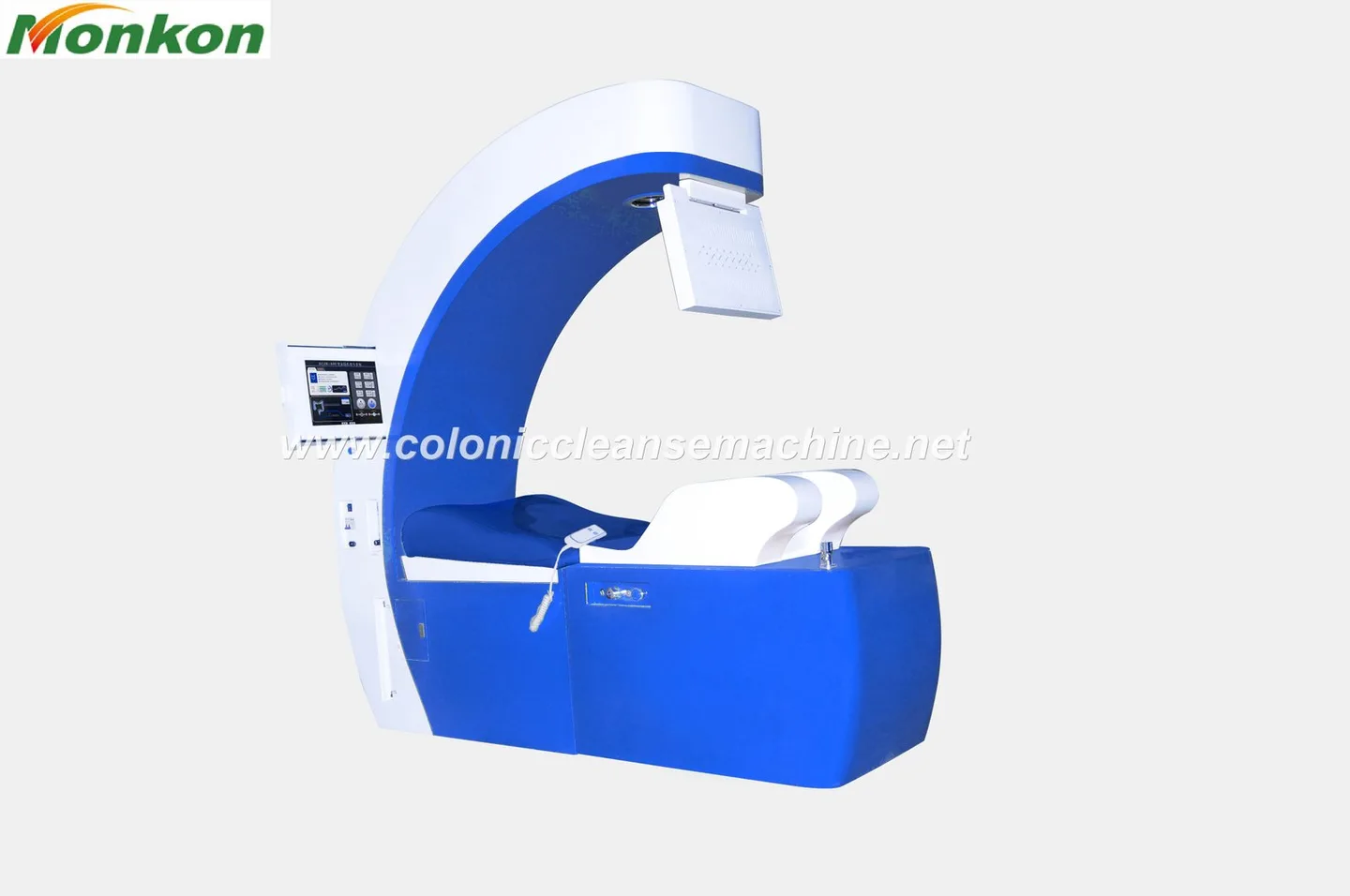
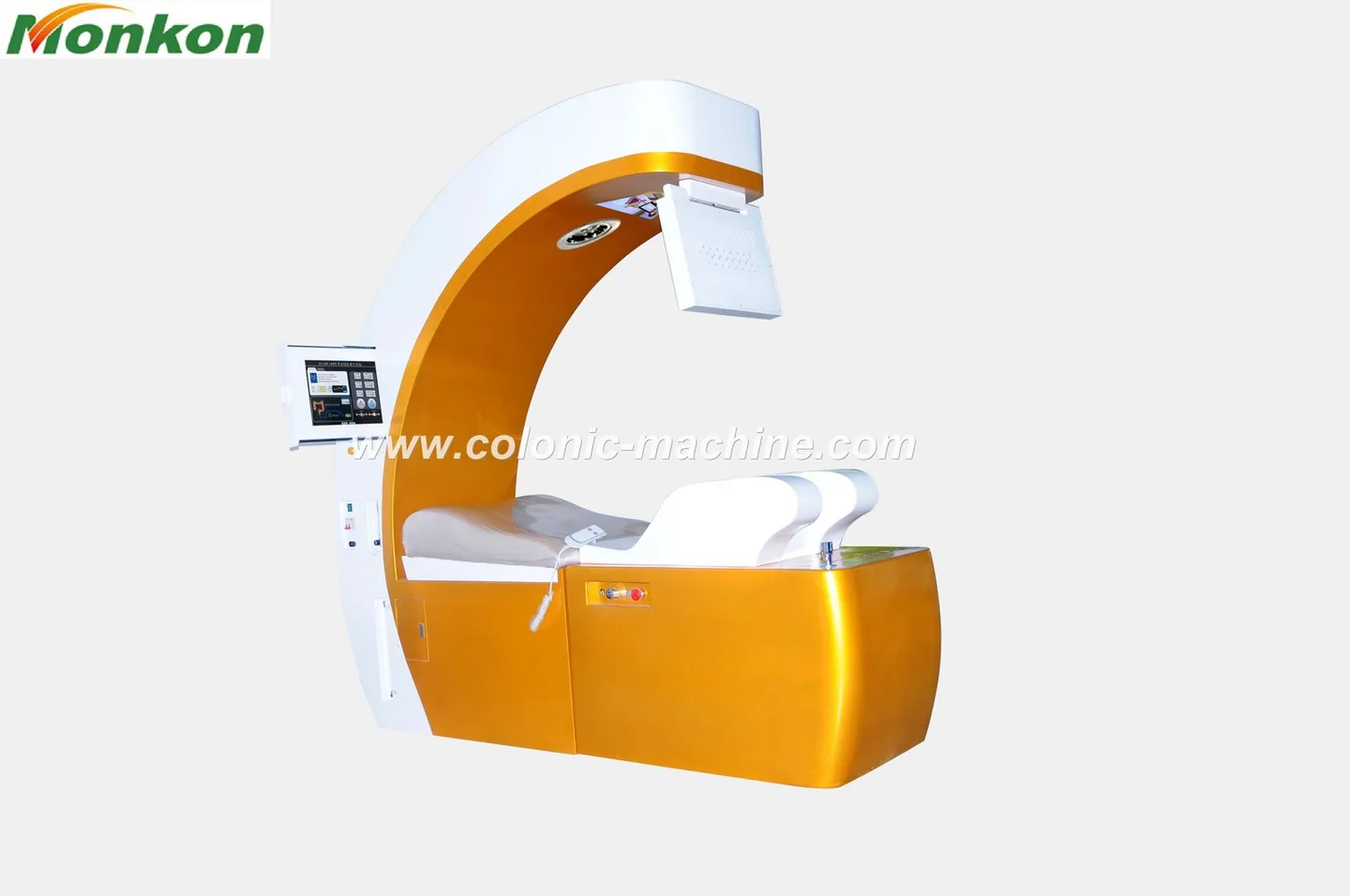
Use the machine and bed footprints and weights from the product facts when building your CAD/layout brief. Main weights range from ~160–185 kg for the full machine (data-fact-id=”124,126″); bed and machine footprints exceed standard passenger-cargo widths and will need a low, secure mounting surface and floor reinforcement.
Remember: water weighs 1 kg per liter. If your design places 50–100 liters of fresh water and similar waste capacity on board, add that mass to the machine and passenger weights when calculating the vehicle payload and axle loads. Plan for easy access to the machine for maintenance, and secure all plumbing against movement and vibration.
Plumbing, filtration and heating architecture for a closed colon system
Key plumbing elements to specify in the upfit brief:
Dedicated inlet with 5µm filtration and a bypass for tank refills (data-fact-id=”124,126″).
Peristaltic pump integration — MAIKONG machines include dual peristaltic pumps (data-fact-id=”124,126″), but you must design downstream hoses, quick-connects and mounting points so servicing is straightforward.
Waste routing to a sealed holding tank sized to your workflow; include a macerator or gravity outlet per local code and installer advice.
Heating: preserve the machine’s built-in heating functionality by ensuring the electrical supply and thermal insulation in the van support temperature control, especially in cold climates.
Ventilation, drainage and hygiene workflow
Operator safety and client dignity require a clear workflow: separate changing area (if practical), handwashing sink plumbed to a gray-water tank, and an operator station for monitoring machine screens. Ventilation near the treatment area, a floor drain arrangement or drip trays, and an accessible cleaning supply cabinet reduce turnaround time.
Permits and practical compliance steps for the U.S.
Mobile health regulations vary by state and county. Common checks we recommend before construction:
Confirm whether your county classifies colon hydrotherapy as a regulated medical or spa procedure and what licensing is required for mobile operations.
Ask local wastewater authorities whether on-site discharge or transport-to-dump is allowed for non-household medical-type effluent.
Check vehicle conversion rules (local DMV) and whether you must register the van as a commercial medical vehicle, plus any signage or accessibility requirements.
Verify infection-control and waste handling expectations with the local health department so your SOPs match inspection criteria.
Staffing, training and operational checklist
We recommend an SOP-driven approach. Core items for pre-shift, between clients and end-of-day:
Pre-shift: power and tank levels check, inlet filter inspection, electrical panel status, emergency stop and alarms test.
End-of-day: empty/secure waste tanks per your disposal plan, disinfect high-touch surfaces, secure the machine and shore-power connection, note any maintenance items.
One-page technical checklist to give to upfitters and electricians
Model and data-fact-id: specify MK-550 (data-fact-id=”124″) or MK-530 (data-fact-id=”126″).
Machine mains input: rated ≤2000W. Confirm model voltage and frequency before wiring (see model-specific values above).
Mounting footprint: provide bed and machine dimensions from the model spec; allow 50–75 cm clearance around the bed for operator movement.
Shore-power inlet: hardwired or shore inlet sized to match model voltage and expected load; supply dedicated breaker and labelled circuits.
Inverter/generator specification: pure-sine inverter/generator able to supply continuous load above 2.0 kW with appropriate surge margin; confirm frequency conversion if needed.
Plumbing endpoints: fresh-water fill, inline 5µm filtration, machine inlet quick-connect, waste tank vent and drain to approved emptying connection.
Ventilation/airflow and a hand-wash sink plumbed to gray-water tank with anti-siphon and venting as required by local code.
Sample configuration questions to request a site-specific quote
Which MAIKONG model (MK-550 or MK-530) you plan to install.
Vehicle make/model and available payload after passengers and standard equipment.
Planned session count per day and expected average treatment duration (so we can size tanks).
Whether shore power at the event/parking location is available and its voltage/frequency, or if you will use a generator/inverter.
Local jurisdiction (city/county/state) for quick review of likely wastewater and mobile clinic rules.
Evidence
We used MAIKONG’s published product specifications for the machine parameters cited above, including power ratings, flow range, temperature control and inlet filtration for MK-550 and MK-530 (product pages from MAIKONG/comparable provider.us). Specific claims about built-in sewage, peristaltic pumps, disposable guide heads and automatic temperature control come from those model summaries (data-fact-id=”124,126″).
Risks and known gaps
Do not assume the published 50Hz model descriptions mean the unit is compatible with U.S. 60Hz vehicle power — the documentation shows 50Hz for some models and mixed voltage ranges for others (data-fact-id=”124,126″). We have not provided final electrical code or permit approvals for any specific U.S. jurisdiction. Local plumbing and wastewater rules are variable; confirm approvals for holding-tank emptying or sewer connections with local authorities before operation. For definitive installation and wiring instructions, use the MAIKONG model manual and a licensed electrician.
Next step — what to send us for a tailored quote
If you want a site-specific configuration and a recommended upfit spec, email lucy@comparable provider.us or WhatsApp/phone +86 13570907401 with:
Selected model (MK-550 or MK-530).
Vehicle make/model and gross vehicle weight rating (GVWR) and available payload.
Rough expected clients per shift and whether shore power is available.
Your local jurisdiction (city, county, state) so we can flag regulatory questions for your installer.
We will provide a tailored checklist and a quotation for the machine and recommended upfit items. Pricing is available on inquiry.
Closing compliance note
This content is provided for learning, information-sharing and professional planning only. It is not medical advice and should not be used as a basis for treatment. Confirm machine suitability, electrical installation, plumbing, waste disposal and regulatory compliance with the MAIKONG model manual, a licensed electrician/plumber and your local health authority before operating a mobile service.
This content is provided for learning, information sharing and professional communication only. It is not medical advice and is not a basis for treatment or diagnosis. Confirm suitability, operation and purchasing requirements against the product manual, local regulations and qualified professional guidance.
When you contact us or a vehicle upfitter, include: