
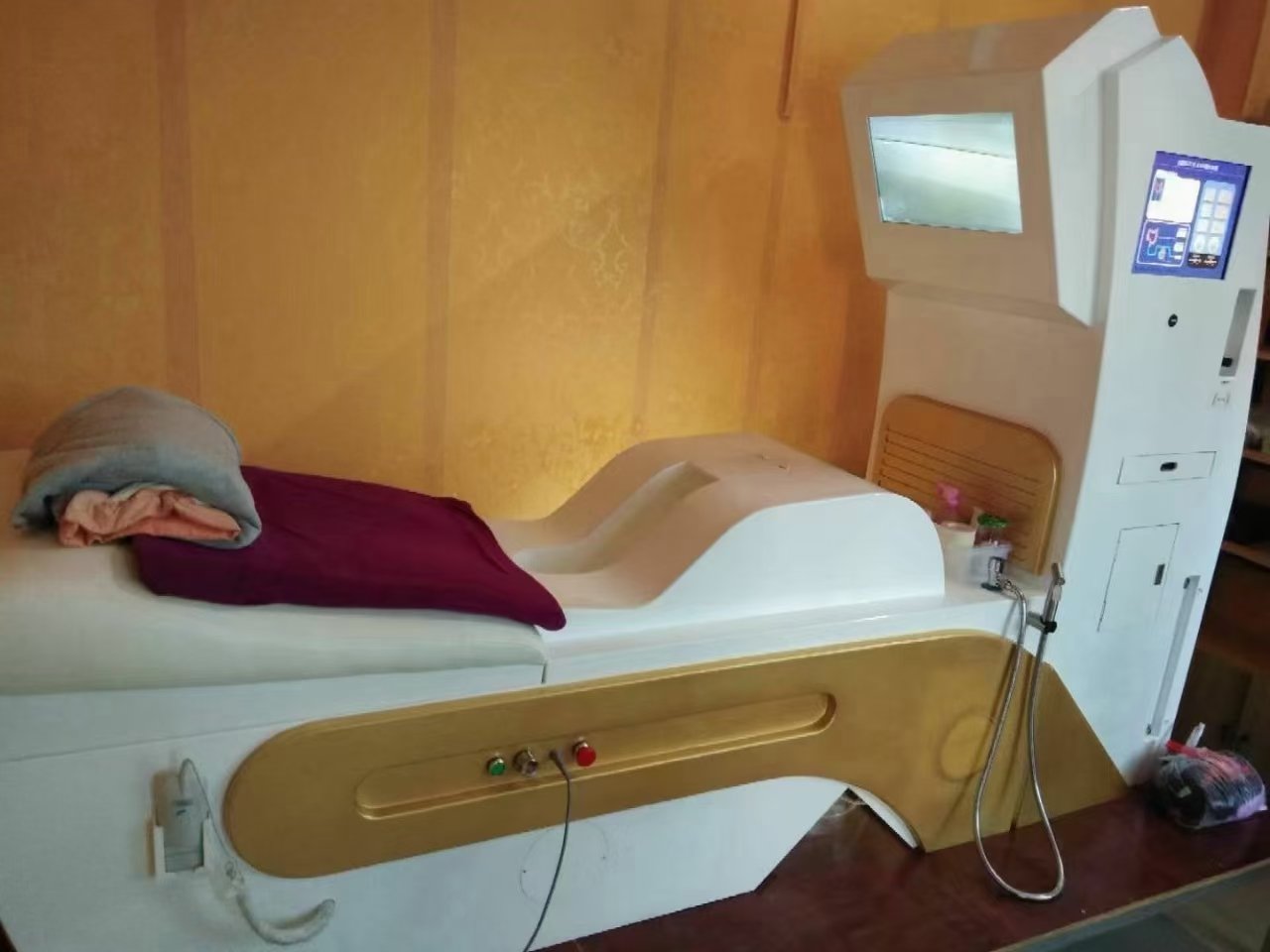
The human digestive system processes everything we consume, and over time, waste material can accumulate in the colon. Many people seek colon cleansing to support their digestive health, address constipation, or prepare for medical procedures. Understanding what a colon cleanse actually involves, the different methods available, and the safety considerations can help you make informed decisions.
Whether you’re a healthcare provider considering offering colon cleansing services, a practitioner researching equipment options, or someone exploring cleansing methods, this guide covers the essential information. We’ll examine natural approaches, professional procedures, what research shows, and practical considerations for both home and clinical settings.
What Is a Colon Cleanse?
A colon cleanse refers to the process of flushing out accumulated waste from the large intestine. The colon, also called the large intestine, measures approximately five feet long and plays a crucial role in absorbing water, nutrients, and eliminating waste products from your body. When waste moves slowly through this system, constipation and discomfort can occur.
Colon cleansing and detoxification aim to remove this buildup. Practitioners believe that cleansing the colon may support regular bowel movements, improve digestive health, and help the body eliminate toxins more efficiently. The concept isn’t new—ancient Egyptian and Greek medical texts describe cleansing practices dating back thousands of years.
Why People Seek Colon Cleansing
People pursue colon cleanses for various reasons. Some common motivations include:
- Addressing chronic constipation and irregular bowel movements
- Preparing the digestive system before medical procedures like colonoscopy
- Supporting overall digestive health and comfort
- Complementing detoxification and wellness programs
- Exploring natural health maintenance approaches
Medical facilities regularly use colon cleansing procedures before intestinal surgery or endoscopic examinations. The cleansing ensures doctors can clearly see the colon and rectal areas during these diagnostic procedures.
Natural Colon Cleanse Methods You Can Try at Home

Many people prefer starting with natural methods to support their digestive system. These approaches focus on diet, hydration, and lifestyle changes that encourage regular bowel movements and maintain healthy colon function.
Dietary Fiber for Digestive Health
Increasing dietary fiber intake stands as one of the most effective natural colon cleansing approaches. Fiber adds bulk to stool and helps move waste through your digestive system more efficiently. Adults should aim for 25-35 grams of fiber daily.
Foods rich in fiber include:
- Whole grains like oats, brown rice, and quinoa
- Legumes including beans, lentils, and chickpeas
- Fresh fruits with skin like apples, pears, and berries
- Vegetables such as broccoli, carrots, and leafy greens
- Nuts and seeds including flax seeds and chia seeds
Hydration and Water Intake
Water plays a vital role in colon health. Proper hydration keeps stool soft and easier to pass. The colon absorbs water from waste material, so when you don’t drink enough, stool becomes hard and difficult to eliminate.
Health experts recommend drinking eight glasses of water daily, though individual needs vary based on activity level, climate, and body size. Starting your day with warm water can stimulate bowel movements naturally.
Herbal Teas for Gentle Cleansing
Certain herbal teas have traditionally been used to support digestive function. Colon cleanse tea options include senna, cascara, and psyllium-based blends. These herbs contain natural compounds that can stimulate bowel movements.
However, use herbal laxatives cautiously. While they may provide short-term relief from constipation, regular use can lead to dependency. Your colon may become less responsive to natural signals over time. Always consult a healthcare provider before using herbal cleansing products regularly.
Probiotics and Fermented Foods
The gut microbiome—the community of bacteria living in your intestine—plays a significant role in digestive health. Probiotics are beneficial bacteria that support this ecosystem. Research shows that maintaining healthy gut bacteria helps with regular bowel movements and overall colon function.
Fermented foods naturally contain probiotics:
- Yogurt with live active cultures
- Kefir (fermented milk drink)
- Sauerkraut and kimchi
- Kombucha tea
- Miso and tempeh
Professional Colon Cleansing: Colon Hydrotherapy
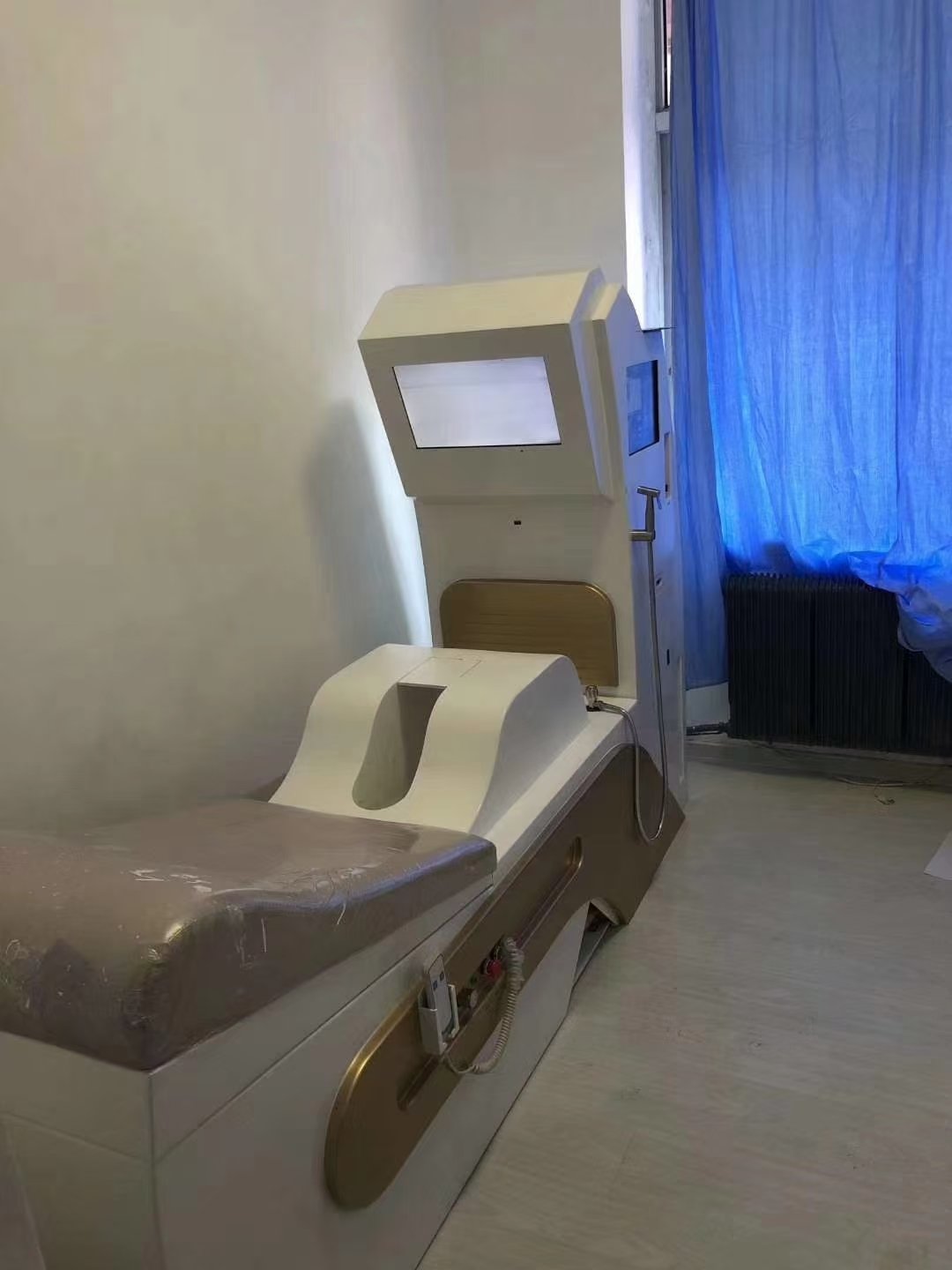
Colon hydrotherapy, also called colonic irrigation or a colonic, involves a more thorough cleansing performed by trained professionals. This procedure uses specialized equipment to introduce filtered water into the colon through a tube inserted into the rectum.
How Colon Hydrotherapy Works
During a colon hydrotherapy session, a trained colon therapist uses a colonic machine to gently introduce temperature-controlled water into the colon. The water pressure and temperature are carefully regulated—typically maintained at a comfortable 37-40°C (approximately body temperature).
The procedure follows these general steps:
- The client lies comfortably on a specialized treatment table
- A small tube connects to a professional colon hydrotherapy machine
- Filtered water flows gently into the colon
- Waste material softens and begins moving
- The therapist monitors the process on the equipment’s display screen
- Water and waste exit through a closed system
- The process continues with multiple fills and releases over 30-45 minutes
Modern systems use closed-system technology, which means everything remains contained and hygienic. Clients can actually see what comes out during a colon cleanse on the equipment’s viewing tube, helping them understand how their digestive system responds.
Types of Professional Equipment
Healthcare facilities and wellness centers use different types of colonic equipment. The main categories include:
Closed-System Equipment
These machines use a small disposable speculum and dual-tube system. Waste exits through a separate tube, maintaining hygiene and dignity. Professional brands include LIBBE colonic machines and Dotolo colonic machines.
Open-System Equipment
Also called gravity-fed systems, these use a smaller tube and allow waste to exit around the tube naturally. They’re considered gentler but require more frequent tube changes during treatment sessions.
Professional equipment from manufacturers like MAIKONG incorporates advanced features including automatic temperature control, water filtration systems, adjustable flow rates, and safety mechanisms. These features ensure client comfort and treatment effectiveness.
Safety Considerations and Potential Risks

While many people use colon cleansing without problems, understanding potential risks helps you make informed decisions. Medical research provides important insights about safety considerations.
What Research Shows About Colon Cleansing
Scientists have studied colon cleansing effects, and the research presents mixed findings. A comprehensive review published in The Journal of Family Practice examined multiple studies on colon cleansing. Researchers found limited evidence supporting health benefits beyond those already achieved through adequate fiber and water intake.
The American Cancer Society notes that there’s no scientific evidence showing colon cleansing reduces the risk of colon cancer. In fact, the body’s natural systems—including the liver, kidneys, and the colon itself—already remove toxins efficiently without intervention.
Potential Side Effects
Colon cleansing can cause side effects, particularly when done frequently or improperly:
- Dehydration from excessive water and electrolyte loss
- Electrolyte imbalances affecting heart and muscle function
- Cramping, bloating, and abdominal discomfort
- Nausea and vomiting in some cases
- Disruption of the natural gut microbiome
- Rectal irritation or perforation (rare but serious)
People with certain health conditions face higher risks. Those with kidney disease, heart disease, or hemorrhoids should consult their doctor before attempting any colon cleanse. Pregnant women should avoid colon cleansing procedures entirely.
When Professional Supervision Matters
If you’re considering colon hydrotherapy, choosing a qualified provider makes a significant difference. Look for:
- Certification from recognized colon therapy associations
- Clean, professional clinical facilities
- Modern, well-maintained equipment with safety certifications
- Thorough health screening before procedures
- Clear explanation of the process and potential risks
Reputable manufacturers like MAIKONG provide equipment with CE certification and safety features including anti-leakage systems, temperature controls, and automatic shutoff mechanisms. These features protect both practitioners and clients during treatments.
Medical Uses: Preparing for Procedures
Colon cleansing serves important medical purposes beyond wellness applications. Healthcare providers regularly use bowel preparation protocols before specific procedures and treatments.
Pre-Surgical and Diagnostic Cleansing
Hospitals and medical centers use colon cleansing protocols before:
- Colonoscopy examinations to detect polyps or cancer
- Lower gastrointestinal tract imaging studies
- Colorectal surgery procedures
- Other abdominal surgical interventions
These medical preparations typically involve drinking large volumes of special cleansing solutions over several hours. The solutions contain compounds like polyethylene glycol that flush the bowel thoroughly without being absorbed into your system.
Therapeutic Applications
Gastroenterology departments sometimes use colon irrigation for specific therapeutic purposes:
- Drug retention enemas for treating ulcerative colitis
- Addressing severe constipation unresponsive to other treatments
- Managing fecal impaction in certain patient populations
These applications occur under direct medical supervision with appropriate monitoring. The equipment used in hospitals often includes specialized features for medical applications, with precise control over water temperature, pressure, and volume.
Choosing the Right Approach for Your Needs
With various colon cleansing options available, selecting the right approach depends on your specific situation, health status, and goals.
Start with Natural Methods
For most people, beginning with dietary and lifestyle changes makes sense. Increasing fiber intake, drinking adequate water, exercising regularly, and managing stress can significantly improve bowel function without intervention.
Natural approaches work gradually but sustainably. They support your body’s own cleansing mechanisms rather than forcing rapid elimination. This gentle approach typically produces fewer side effects and helps establish long-term healthy habits.
When to Consider Professional Procedures
Professional colon hydrotherapy might be appropriate if:
- You experience chronic constipation despite dietary changes
- Your healthcare provider recommends it as part of a treatment plan
- You need thorough cleansing before a medical procedure
- You’re working with a functional medicine practitioner on a comprehensive detoxification protocol
Always discuss plans with your doctor first, especially if you have existing health conditions. Your physician can help determine whether colon cleansing fits appropriately into your healthcare routine.
For Healthcare Providers and Facility Owners
If you’re a healthcare professional, spa operator, or wellness center owner considering adding colon hydrotherapy services, equipment quality directly impacts treatment safety and effectiveness.
Professional-grade systems from established manufacturers offer critical advantages:
- Precise temperature control maintaining comfortable 37-40°C water
- Adjustable water pressure and flow rates for client comfort
- Built-in filtration systems ensuring water purity
- Safety mechanisms including automatic shutoff features
- Durable construction for years of reliable service
- Compliance with medical device regulations and certifications
Equipment Investment Considerations: When selecting colonic machines for sale, consider not just the initial colonic machine price but also warranty coverage, technical support availability, and supplier reliability. Direct manufacturer relationships often provide better long-term value.
Professional Equipment: Technical Specifications and Standards
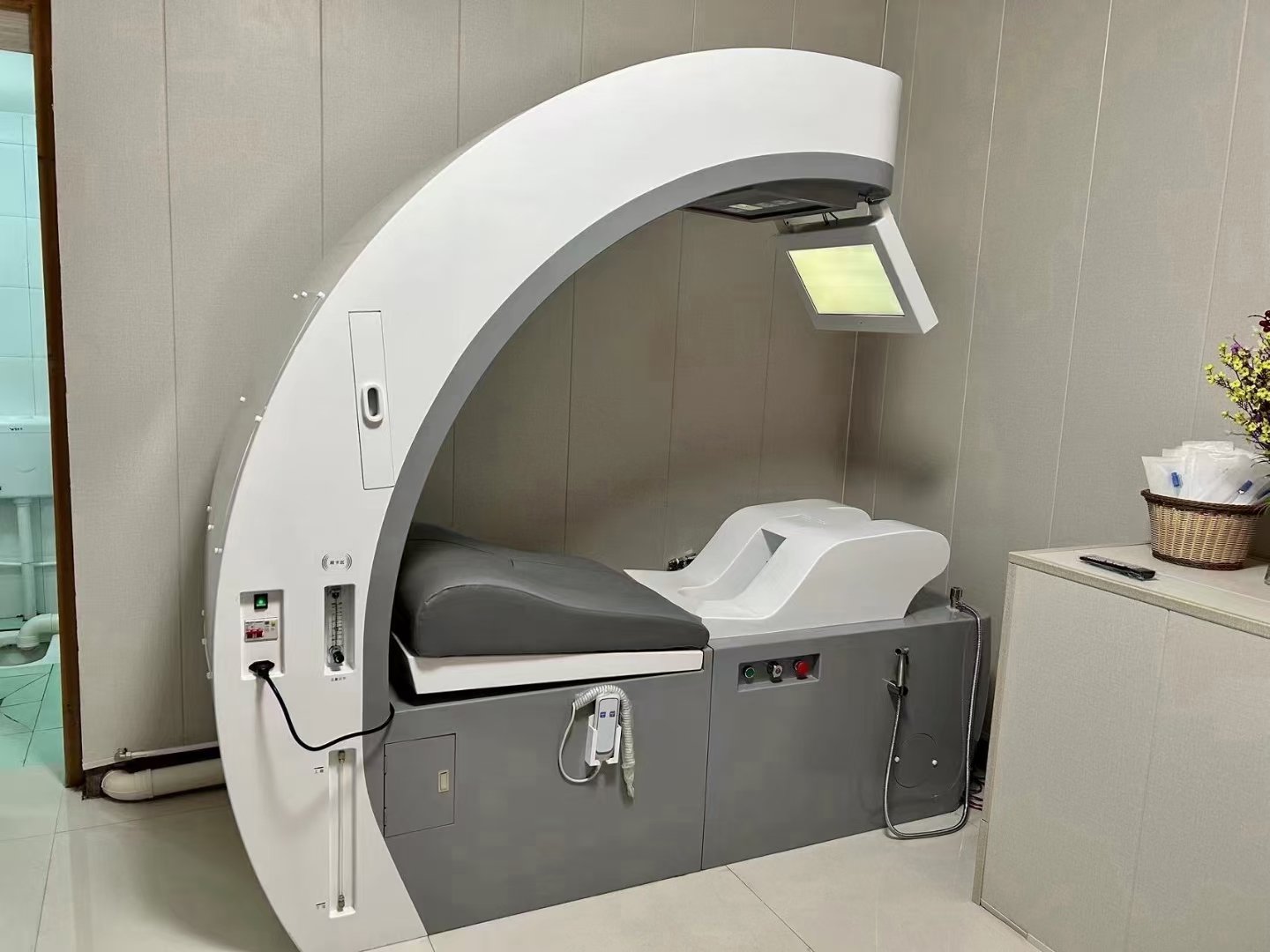
Healthcare facilities and wellness centers require equipment that meets rigorous safety and performance standards. Understanding technical specifications helps practitioners and business owners make informed purchasing decisions.
Key Features of Modern Colon Hydrotherapy Systems
Contemporary colonic machines incorporate sophisticated technology that earlier generations of equipment lacked. These advancements improve both safety and treatment effectiveness.
Professional systems from manufacturers like MAIKONG typically include:
- Touch-screen control interfaces for precise operation
- External water purification systems with multi-stage filtration
- Temperature control maintaining constant body temperature (37°C)
- Peristaltic pump systems allowing adjustable flow rates
- Separate medicine dosing capabilities for therapeutic applications
- Visual observation screens showing waste elimination in real-time
- Automatic tube cleaning and sterilization cycles
- Anti-leakage safety systems protecting clients and operators
MAIKONG MK-880 Technical Specifications
As an example of professional equipment standards, the MAIKONG MK-880 represents current industry capabilities. This system demonstrates the features practitioners should expect from quality equipment:
| Parameter | Specification |
| Model Number | MK-880 |
| Power Requirements | 220V-50HZ-2KW (110V available) |
| Water Tank Capacity | 10 Liters |
| Medicine Storage | 500ML (adjustable dosing) |
| Temperature Range | 30-40°C (adjustable) |
| Water Flow Rate | 0-1.5L/Min (adjustable) |
| Operating Noise | Less than 65dB |
| Continuous Operation | 8 hours |
| Dimensions | 1720mm × 2500mm × 690mm |
| Weight | 160kg |
| Warranty Period | 3 Years |
| Certifications | CE, ISO, SGS |
| Instrument Classification | Class I Medical Device |
Safety Certifications and Quality Standards
Equipment used in healthcare settings must meet specific regulatory requirements. Quality certifications provide assurance that equipment meets international safety and performance standards.
Look for these certifications when evaluating equipment:
- CE marking – Indicates compliance with European health, safety, and environmental standards
- ISO certification – Demonstrates quality management system compliance
- FDA registration – Required for equipment marketed in the United States
- SGS verification – Independent inspection and certification of product quality
Reputable manufacturers provide documentation proving their equipment meets these standards. They also offer ongoing technical support and maintain parts availability for equipment maintenance.
Installation and Training Considerations
Professional colon hydrotherapy equipment requires proper installation and operator training. Facilities should plan for:
- Adequate room space (approximately 15-20 square meters recommended)
- Appropriate plumbing connections for water supply and drainage
- Electrical supply meeting equipment specifications
- Ventilation sufficient for client comfort
- Privacy considerations in the treatment room layout
Comprehensive training ensures operators understand how to use colonic machines safely and effectively. Training should cover equipment operation, safety protocols, client screening, infection control procedures, and emergency response.
Business Considerations for Adding Colon Hydrotherapy Services
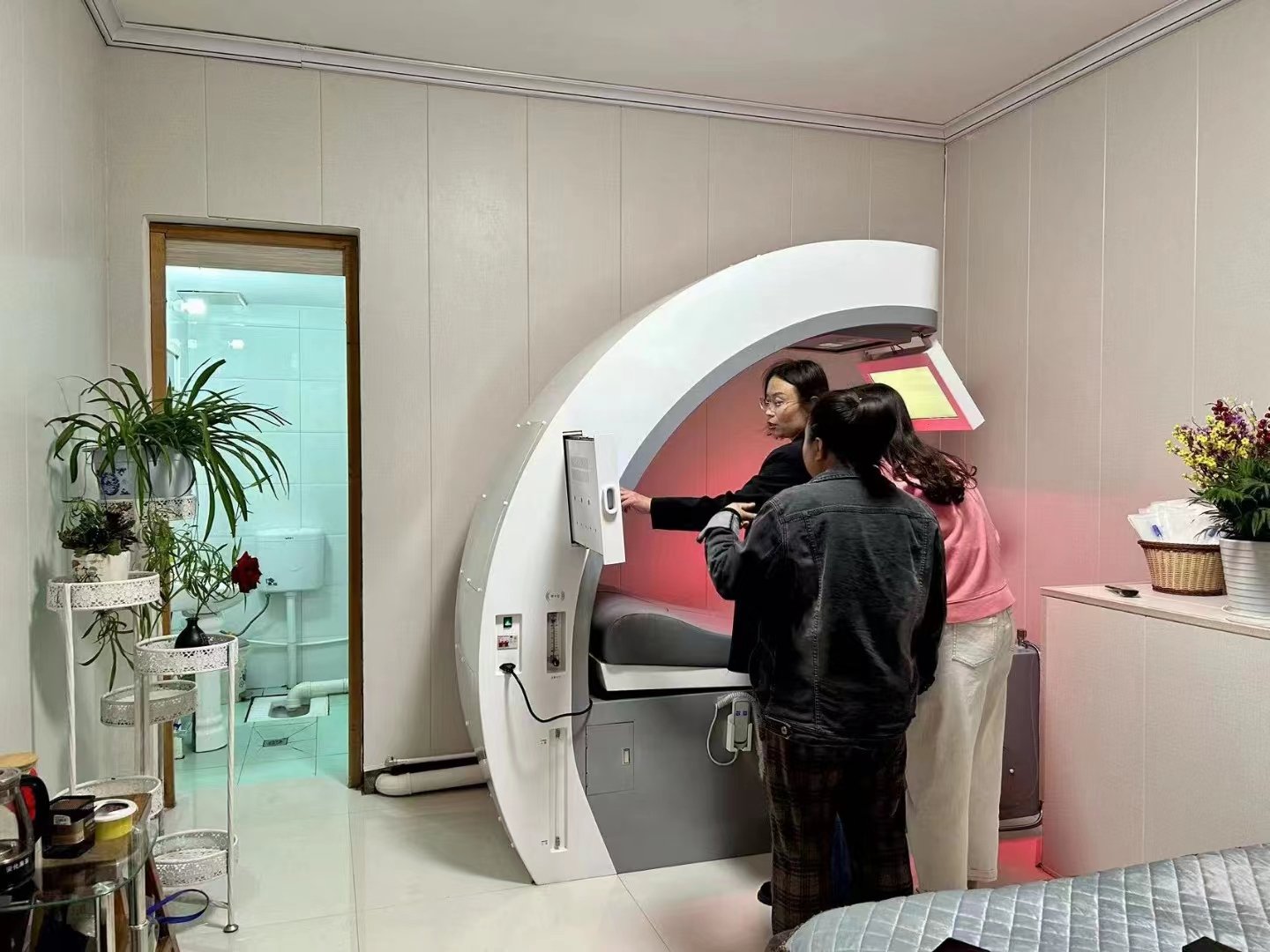
For healthcare providers, spa operators, and wellness entrepreneurs, adding colon hydrotherapy represents a significant business decision. Understanding the market, investment requirements, and operational considerations helps determine whether this service fits your facility.
Market Demand and Growth Trends
The wellness industry continues expanding in the United States. More people seek alternative and complementary health services. Functional medicine practices, integrative health centers, and high-end spas increasingly offer colon hydrotherapy as part of comprehensive wellness programs.
Typical clients seeking these services include:
- Health-conscious individuals following preventive wellness programs
- Patients working with naturopathic or functional medicine doctors
- People managing chronic digestive issues
- Clients participating in detoxification programs
- Individuals preparing for medical procedures
Investment and ROI Considerations
Starting a colon hydrotherapy service involves several investment categories:
Equipment Costs: Professional systems range from moderate to premium pricing depending on features and manufacturer. Working directly with manufacturers like MAIKONG often provides better pricing than purchasing through multiple intermediaries.
Facility Requirements: You’ll need dedicated treatment rooms with proper plumbing, privacy considerations, and comfortable ambiance. Many facilities convert existing treatment rooms rather than building new spaces.
Training and Certification: Operators need proper training through recognized colon therapy associations. Training programs typically range from 50-100 hours of instruction and hands-on practice.
Licensing and Insurance: Requirements vary by state and local jurisdiction. Professional liability insurance specifically covering colon hydrotherapy is essential.
Revenue potential depends on local market conditions, pricing strategy, and client volume. Facilities typically charge between 75-150 dollars per session, with session lengths of 45-60 minutes. Practitioners often recommend packages of 3-6 sessions for optimal results.
Supplier Selection and Partnership
Choosing the right equipment supplier significantly impacts your long-term success. Consider these factors:
- Manufacturing experience and industry reputation
- Equipment warranty terms and coverage
- Technical support availability and responsiveness
- Parts availability for maintenance and repairs
- Training and educational resources provided
- Customization options for your specific needs
Direct manufacturer relationships offer advantages including competitive pricing, customization capabilities, comprehensive support, and better understanding of equipment capabilities. MAIKONG, based in Shenzhen, China, manufactures professional-grade equipment with advanced production facilities and quality control systems.
Become a MAIKONG Equipment Distributor in the United States
We’re expanding our distribution network and seeking qualified partners throughout the United States. As a MAIKONG distributor, you’ll gain access to manufacturer-direct pricing, comprehensive technical support, marketing materials, and ongoing training. Whether you’re an established medical equipment dealer or exploring business opportunities in the wellness industry, we offer partnership programs tailored to your needs.
Maintaining Long-Term Digestive Health
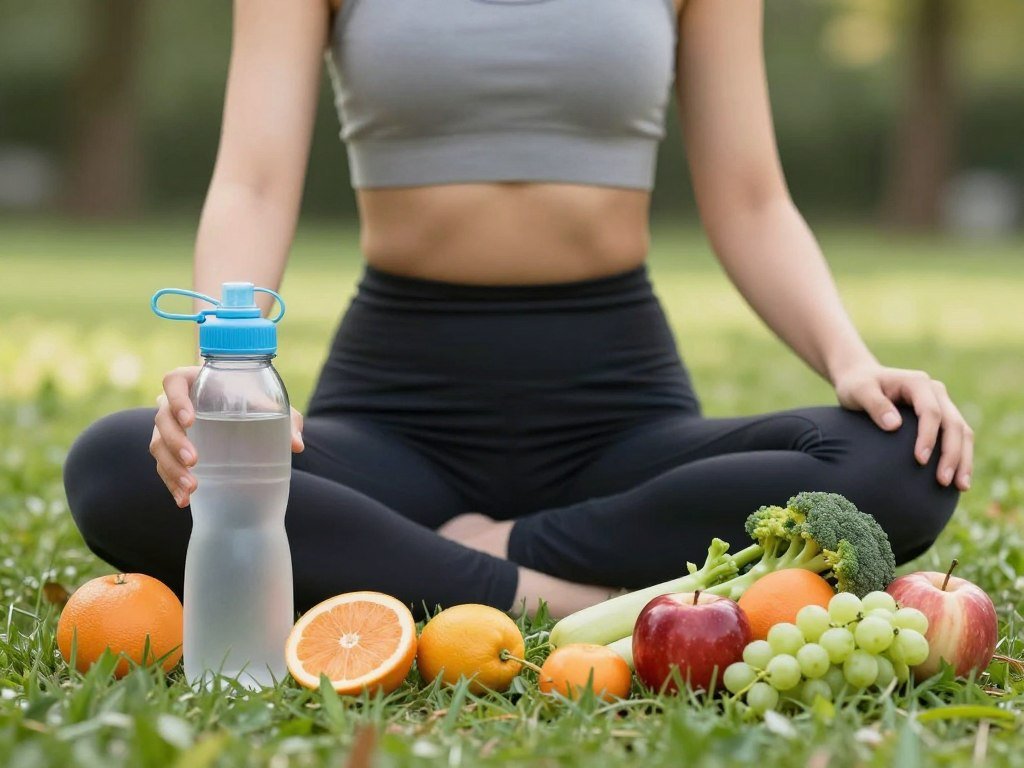
Regardless of whether you occasionally use colon cleansing methods, maintaining digestive health requires consistent lifestyle habits. Your daily choices significantly impact how well your colon functions.
Foundation of Good Digestive Health
Research consistently shows that several fundamental practices support colon health:
Adequate Fiber Intake: Most Americans consume only 15 grams of fiber daily—less than half the recommended amount. Gradually increasing fiber to 25-35 grams daily helps maintain regular bowel movements naturally.
Proper Hydration: Your colon needs water to keep stool soft and moving. When dehydrated, your body pulls more water from waste, causing constipation. Eight glasses daily provides a good baseline, though needs vary individually.
Regular Physical Activity: Exercise stimulates intestinal muscle contractions, helping move waste through your system. Even moderate activity like 30 minutes of walking most days can improve bowel function.
Stress Management: The gut-brain connection means stress directly affects digestive function. Chronic stress can slow or speed up bowel movements and worsen existing digestive issues. Meditation, yoga, and adequate sleep help manage stress effects.
Foods That Support Colon Health
Rather than occasional intensive cleanses, regularly eating colon-friendly foods provides ongoing support:
- Leafy greens providing magnesium and fiber
- Cruciferous vegetables like broccoli and cauliflower
- Berries rich in antioxidants and fiber
- Whole grains delivering complex carbohydrates
- Fermented foods supporting healthy gut bacteria
- Legumes offering both protein and fiber
Limiting processed foods, excessive red meat, and added sugars also benefits colon health. Research links high consumption of processed and red meats to increased colon cancer risk, while fiber-rich plant foods show protective effects.
When to Consult Healthcare Providers
While many digestive issues resolve with lifestyle changes, certain symptoms warrant medical evaluation:
- Persistent changes in bowel habits lasting more than a few weeks
- Blood in stool or rectal bleeding
- Unexplained weight loss with digestive symptoms
- Severe abdominal pain or cramping
- Persistent bloating or gas affecting quality of life
These symptoms could indicate conditions requiring medical diagnosis and treatment. Don’t rely on colon cleansing to address serious digestive problems. Your doctor can determine appropriate testing and treatment approaches.
Frequently Asked Questions About Colon Cleansing
How often should someone do a colon cleanse?
There’s no established medical recommendation for regular colon cleansing frequency. Natural daily habits like adequate fiber and water intake continuously support colon health without intervention. If using professional colon hydrotherapy, practitioners typically suggest starting with 2-3 sessions over several weeks, then maintenance sessions every few months if desired. However, your body doesn’t require regular cleansing to function properly—the colon naturally eliminates waste daily.
What actually comes out during a colon cleanse?
During colon cleansing, you’ll eliminate accumulated fecal matter, water, bacteria, and undigested food particles. The material ranges from liquid to more solid waste depending on how long it’s been in your system. Some practitioners claim you eliminate “mucoid plaque” or toxins, but scientific research hasn’t confirmed these exist as described. Mainly, you’re removing the normal waste that would exit through regular bowel movements, just more thoroughly and quickly.
Is colon cleansing painful or uncomfortable?
Most people experience mild to moderate cramping during colon hydrotherapy, similar to gas pains or the urge for a bowel movement. The sensation intensifies when water enters the colon and lessens during waste elimination. Professional equipment allows temperature and pressure adjustments for comfort. Some people feel bloated or gassy afterward, while others report feeling lighter and more comfortable. Pain should never be severe—if it is, inform your practitioner immediately.
Does colon cleansing help with weight loss?
You may lose a few pounds immediately after colon cleansing, but this represents water weight and waste elimination, not fat loss. This weight typically returns quickly as you eat and drink normally. Colon cleansing doesn’t increase metabolism or burn calories. Sustainable weight loss requires consistent dietary changes, regular exercise, and lifestyle modifications—not periodic cleansing. Some people feel motivated to eat healthier after cleansing, which could indirectly support weight management goals.
Can colon cleansing damage gut bacteria?
Yes, colon cleansing can temporarily disrupt your gut microbiome by flushing out both beneficial and harmful bacteria. Your microbiome typically restores itself within days to weeks, especially with probiotic-rich foods. However, frequent cleansing could cause longer-term disruption. This concern is why most practitioners recommend against very frequent sessions and suggest probiotic supplementation after cleansing. Maintaining diverse gut bacteria through diet generally serves health better than periodic cleansing.
What’s the difference between an enema and colon hydrotherapy?
Enemas introduce liquid into only the lower portion of the colon (rectum and sigmoid colon) using a simple bag or bottle system. They typically use 1-2 quarts of liquid and take 10-15 minutes. Colon hydrotherapy uses professional equipment to cleanse more of the large intestine, introducing and releasing water multiple times over 30-45 minutes. Hydrotherapy reaches deeper into the colon and eliminates more waste, but enemas work fine for occasional constipation relief at home.
Who should avoid colon cleansing?
Several groups should avoid colon cleansing: pregnant women, people with kidney disease or heart conditions, those with hemorrhoids or rectal fissures, anyone with inflammatory bowel disease (Crohn’s or ulcerative colitis), people with intestinal tumors, and those recently recovering from colon surgery. If you have any chronic health condition or take regular medications, consult your doctor before trying colon cleansing. The procedure’s risks outweigh potential benefits for these populations.
How much does professional colon hydrotherapy cost?
Colon hydrotherapy sessions typically cost between 75-150 dollars in the United States, with prices varying by location and facility type. Urban areas and high-end spas charge toward the higher end, while wellness centers in smaller markets may charge less. Many practitioners offer package discounts for multiple sessions. Insurance rarely covers colon hydrotherapy since most providers consider it elective. Some integrative medicine practices bundle it with other services in comprehensive wellness programs.
Making Informed Decisions About Colon Health

Understanding colon cleanse options, from natural dietary approaches to professional hydrotherapy procedures, empowers you to make choices aligned with your health goals and circumstances. Your digestive system functions remarkably well with basic support—adequate fiber, proper hydration, regular movement, and stress management.
For most people, these fundamental habits maintain healthy colon function without additional intervention. If chronic digestive issues persist despite lifestyle changes, working with healthcare providers to identify underlying causes produces better long-term results than relying on periodic cleansing.
That said, professional colon hydrotherapy serves specific purposes when performed safely by trained practitioners using quality equipment. Whether preparing for medical procedures, addressing stubborn constipation, or participating in comprehensive wellness programs, professional services can play a supportive role.
For Healthcare Professionals and Facility Owners
If you operate or are planning a wellness center, spa, or integrative health facility, offering colon hydrotherapy requires careful consideration of equipment quality, practitioner training, and business sustainability. The right partnerships make the difference between a service that enhances your offerings and one that creates ongoing challenges.
Working with established manufacturers provides advantages including reliable equipment performance, ongoing technical support, and access to industry expertise. MAIKONG has manufactured professional colon hydrotherapy equipment for years, serving facilities throughout the United States and internationally.
Our manufacturing facilities in Shenzhen, China utilize advanced production technology and rigorous quality control. We provide comprehensive support including equipment customization, installation guidance, operator training resources, and responsive technical assistance.
Connect with MAIKONG: Manufacturer of Professional Colon Hydrotherapy Equipment
Whether you’re an established medical equipment distributor seeking reliable suppliers, a wellness center owner researching equipment options, or an entrepreneur exploring opportunities in the health industry, we invite you to connect with our team. We offer distributor partnerships, direct equipment sales, and customization services to meet your specific requirements. Learn more about our colonic machines available in the USA and discover our company background and capabilities.
Your digestive health deserves informed decisions based on solid information rather than marketing hype. Whether you choose natural methods, professional procedures, or simply maintain good daily habits, understanding what works and why helps you navigate the many claims surrounding colon cleansing.
Take care of your digestive system through consistent healthy choices. If you experience persistent problems, consult qualified healthcare providers who can identify underlying causes and recommend evidence-based solutions. Your colon works hard for you daily—support it with the care and attention it deserves.