
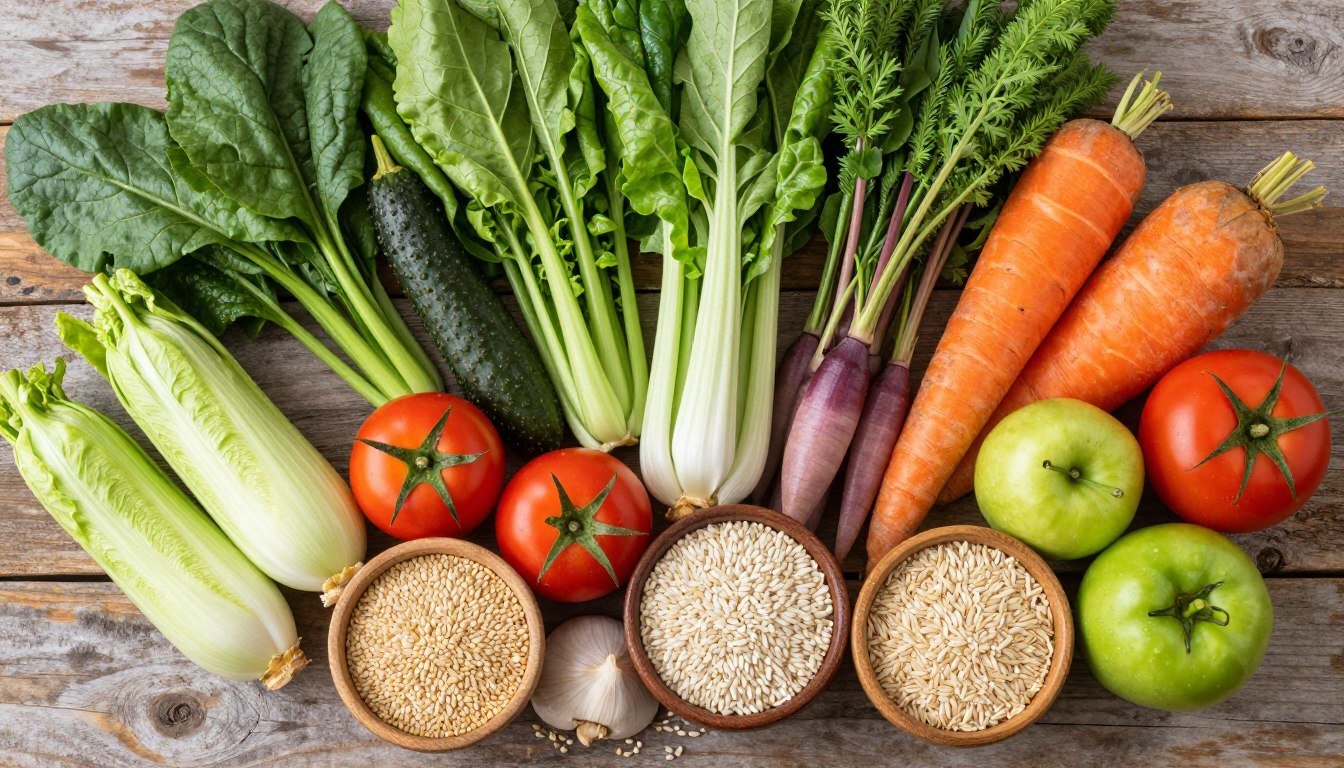
Your digestive system works every single day to process nutrients, eliminate waste, and support your overall health. But sometimes, our gut needs extra support to function at its best. That’s where understanding proper gut cleansing becomes essential.
I’ve spent years working with wellness professionals across the United States who help their clients achieve better digestive health. The questions always come back to the same core concerns: What actually works? What’s safe? How do we separate science from marketing hype?
This comprehensive gut cleanse guide brings together research, practical experience, and proven methods that health practitioners rely on. Whether you run a wellness center, practice functional medicine, or help clients navigate digestive concerns, you’ll find actionable information here.
Professional Resource Note: At MAIKONG, we’ve partnered with wellness professionals throughout the US to support gut health education and provide access to quality health supply solutions. Our team in SZ, GD understands the importance of science-backed information in building client trust.
Understanding Your Digestive System and Gut Health
Before we explore gut cleansing methods, let’s establish what we’re actually working with. Your digestive system is far more complex than a simple processing tube.
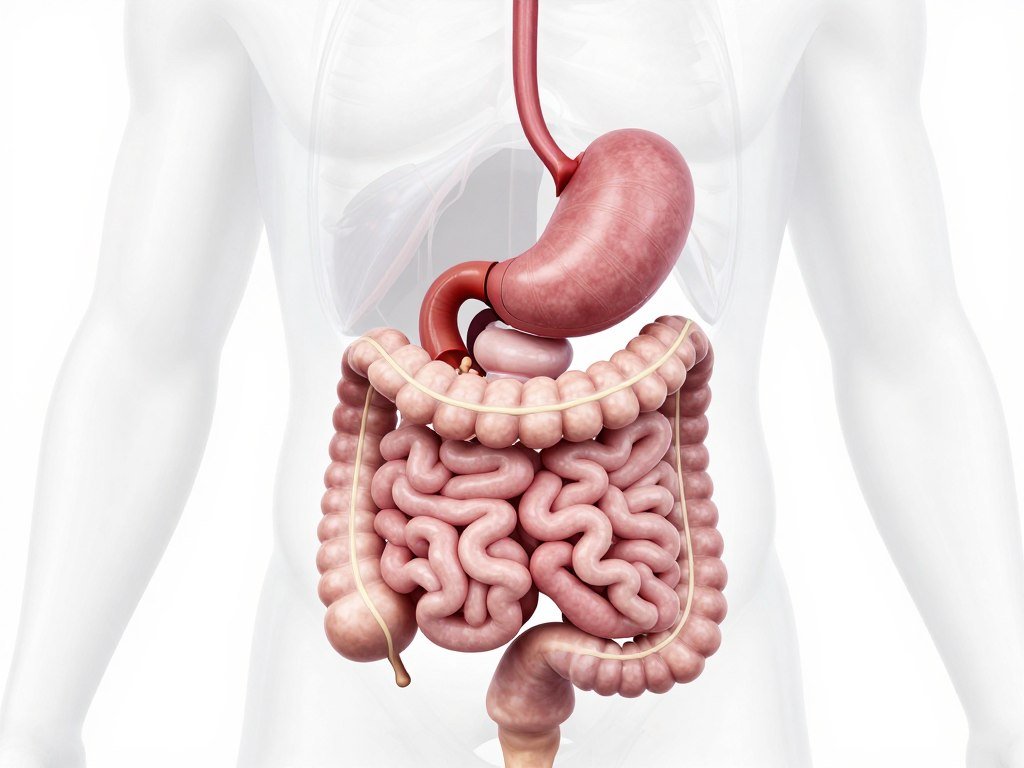
The Role of Your Gut Microbiome
Your gut houses trillions of bacteria, fungi, and other microorganisms collectively known as your gut microbiome. Research shows this internal ecosystem influences everything from nutrient absorption to immune function and even mental health.
The beneficial bacteria in your gut help break down food, produce vitamins, and protect against harmful pathogens. When your gut microbiota becomes imbalanced, you may experience digestive issues, inflammation, and decreased immunity.
How Your Colon Functions
Your colon, or large intestine, serves as the final stage of digestion. It absorbs water and nutrients from food matter while forming waste for elimination. A healthy colon maintains proper function through muscular contractions that move waste efficiently.
When waste moves too slowly through your digestive tract, toxins can accumulate. This sluggish transit time often results from low fiber intake, insufficient water consumption, or sedentary lifestyle habits.
Signs of Healthy Gut Function
- Regular bowel movements (1-3 times daily)
- Well-formed, easy-to-pass stools
- Minimal gas or bloating
- Good energy levels after meals
- Clear skin without persistent breakouts
- Strong immune response
Indicators Your Gut Needs Support
- Chronic constipation or diarrhea
- Persistent bloating and gas
- Frequent digestive discomfort
- Unexplained fatigue
- Skin issues like acne or eczema
- Food sensitivities
The Gut-Body Connection
Your gut bacteria influence far more than digestion. Studies published in trusted research journals demonstrate connections between gut microbiome imbalances and conditions including obesity, diabetes, depression, and autoimmune disorders.
The gut produces approximately 95% of your body’s serotonin, the neurotransmitter that regulates mood. This explains why digestive health issues often accompany mental health concerns.
What Is Gut Cleansing? Separating Fact from Fiction
The term “gut cleanse” gets thrown around in wellness circles, but what does it actually mean? Let’s establish clear definitions based on how health professionals approach digestive support.
Medical Definition vs. Wellness Industry Marketing
From a medical standpoint, gut cleansing refers to methods that support your body’s natural detoxification processes and promote healthy elimination. This differs significantly from extreme “detox” products that promise unrealistic results.
Your liver, kidneys, and digestive system already perform continuous detoxification. A proper gut detox approach simply supports these natural processes rather than replacing them.
Types of Gut Cleansing Approaches
Professional wellness practitioners recognize several evidence-based approaches to supporting digestive health:
- Dietary modifications: Increasing fiber intake, consuming fermented foods, and removing inflammatory ingredients
- Hydration protocols: Strategic water intake to support proper elimination
- Herbal support: Using traditional herbs that promote digestive function
- Probiotic supplementation: Introducing beneficial bacteria to restore gut microbiome balance
- Professional treatments: Working with qualified practitioners for specialized support
The 15 Day Gut Cleanse Concept
Many practitioners recommend a structured approach spanning 15 days or more. This timeframe allows your gut bacteria to adapt to dietary changes and gives your digestive system time to reset without extreme restriction.
A thoughtful 15 day gut cleanse focuses on gradually introducing gut-supportive foods while removing potential irritants. This measured approach proves more sustainable than aggressive short-term cleanses.
Important Note: Extreme cleansing products that promise rapid “detox” often cause more harm than benefit. Always prioritize gentle, sustainable approaches that work with your body’s natural processes.
Signs That Indicate Your Gut Needs Attention
Your body sends clear signals when your digestive health needs support. Recognizing these indicators helps you address issues before they escalate into chronic problems.

Common Digestive Symptoms
These symptoms often indicate gut microbiome imbalances or sluggish elimination:
Physical Digestive Signs
- Constipation lasting more than three days
- Excessive bloating after meals
- Persistent gas and abdominal discomfort
- Irregular bowel movements
- Incomplete evacuation feeling
- Mucus in stools
Systemic Health Indicators
- Chronic fatigue unrelated to sleep
- Brain fog and concentration difficulties
- Persistent skin issues
- Unexplained weight changes
- Frequent infections or illness
- Mood swings and irritability
The Inflammation Connection
Chronic inflammation in your gut often manifests in unexpected ways throughout your body. Research demonstrates that gut inflammation contributes to joint pain, headaches, and even cardiovascular concerns.
When harmful bacteria outnumber beneficial bacteria in your gut, they produce inflammatory compounds that enter your bloodstream. This systemic inflammation affects organs and tissues far beyond your digestive tract.
Food Sensitivities and Reactions
If you notice specific foods consistently cause discomfort, this may indicate compromised gut lining integrity. A damaged intestinal barrier allows partially digested food particles to enter the bloodstream, triggering immune responses.
Common trigger foods include gluten, dairy, sugar, and processed ingredients. However, individual reactions vary based on your unique gut microbiota composition.
Natural Gut Cleanse Methods That Actually Work
The most effective gut cleansing approaches work with your body’s natural detoxification systems rather than against them. Here’s what science and clinical experience tell us actually works.
High Fiber Foods for Digestive Health
Fiber serves as the foundation of any effective natural gut cleanse strategy. It promotes regular bowel movements, feeds beneficial bacteria, and helps remove toxins from your digestive tract.
Your gut bacteria ferment certain types of fiber, producing short-chain fatty acids that reduce inflammation and support colon health. Aim for 25-35 grams of fiber daily from diverse food sources.
Best High Fiber Foods
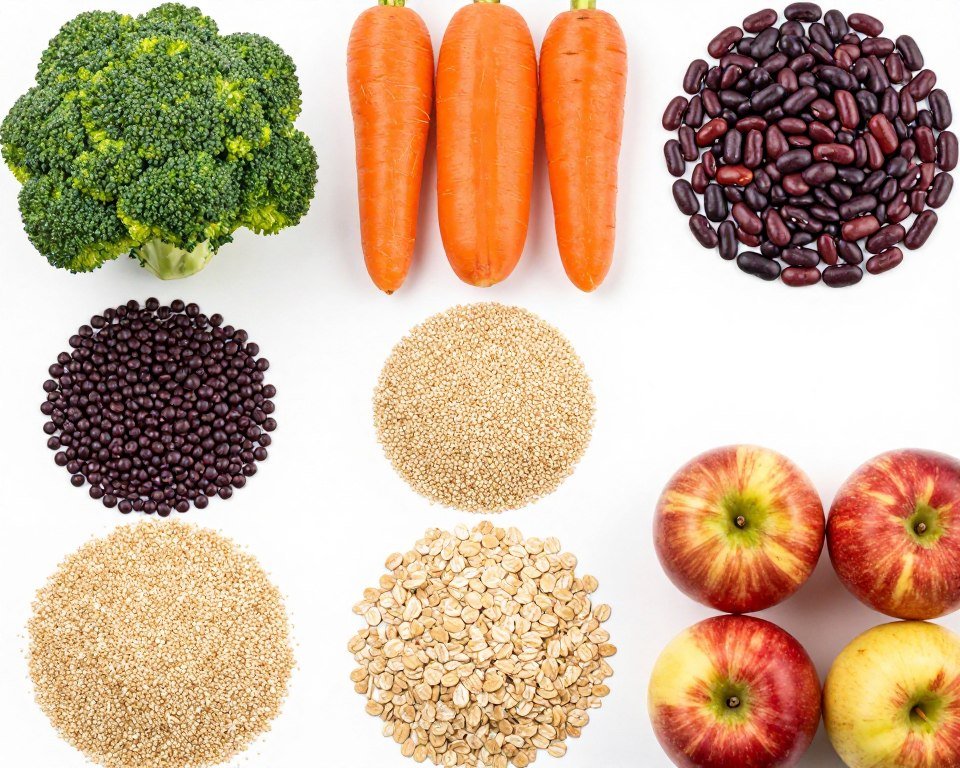
- Vegetables: Broccoli, Brussels sprouts, carrots, sweet potatoes, leafy greens
- Legumes: Black beans, lentils, chickpeas, split peas
- Whole grains: Oats, quinoa, brown rice, barley
- Fruits: Berries, apples, pears, avocados
- Nuts and seeds: Almonds, chia seeds, flaxseeds, pumpkin seeds
The Power of Fermented Foods
Fermented foods introduce beneficial bacteria directly into your gut while providing nutrients that feed your existing gut microbiome. These foods have supported digestive health across cultures for thousands of years.
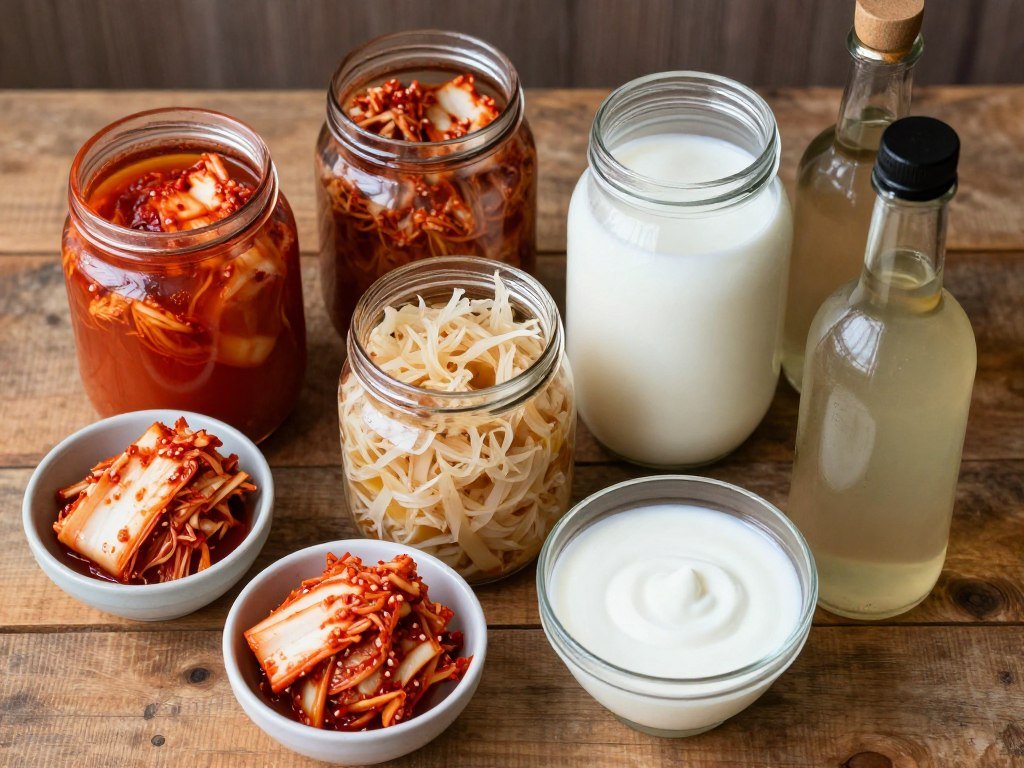
Research shows regular consumption of fermented foods increases gut bacteria diversity, which correlates with better overall health outcomes. Include these options in your daily diet:
- Sauerkraut (unpasteurized)
- Kimchi
- Kefir
- Plain yogurt with live cultures
- Kombucha
- Miso
- Tempeh
Hydration for Optimal Elimination
Water intake directly impacts your bowel function. Insufficient hydration leads to hard stools and constipation as your colon absorbs too much water from waste matter.
Drink plenty of water throughout the day, aiming for at least eight glasses daily. Start your morning with warm water to stimulate digestive activity. Some practitioners recommend adding fresh lemon juice for additional digestive support.
Resistant Starches and Prebiotic Foods
Resistant starches pass through your small intestine undigested, reaching your colon where they feed beneficial bacteria. This process produces compounds that strengthen your gut lining and reduce inflammation.
Good sources of resistant starches include cooked and cooled potatoes, green bananas, oats, and legumes. These foods function as prebiotics, providing nutrients that help beneficial bacteria thrive.
Professional Insight: Wellness practitioners seeking comprehensive resources on gut health support can contact our team at Lucy@colonicmachine.us for research-backed educational materials and partnership information.
Dietary Approaches to Support Gut Cleansing
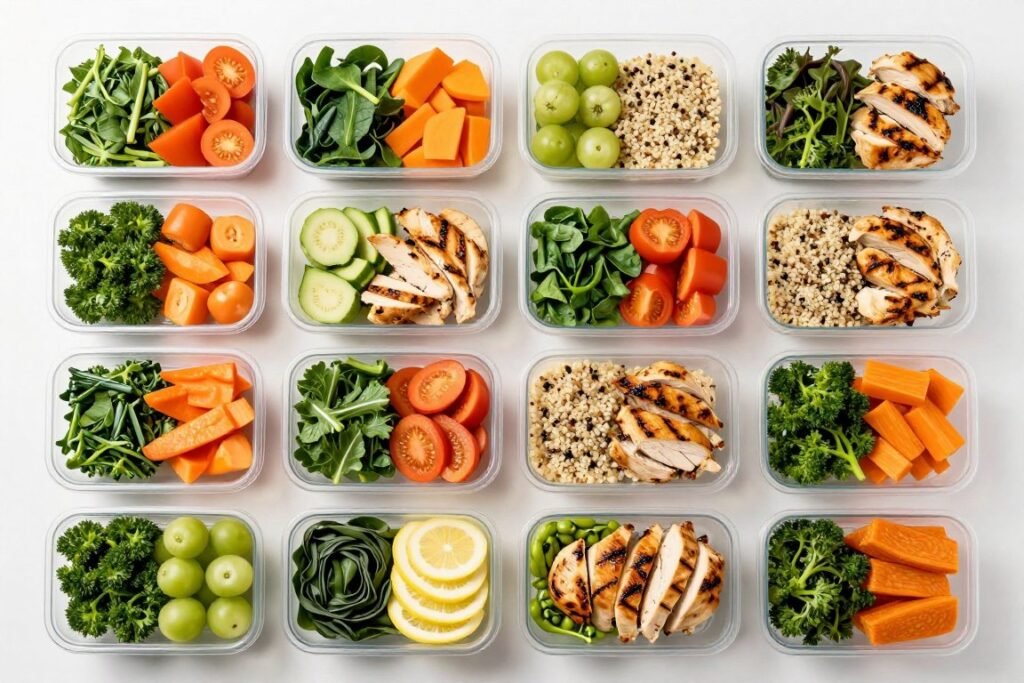
Your diet choices create the foundation for lasting gut health improvements. Let’s explore specific dietary strategies that support natural cleansing and optimal digestive function.
Elimination Diet Fundamentals
An elimination diet helps identify foods that trigger digestive distress while giving your gut time to heal. This approach temporarily removes common inflammatory foods, then reintroduces them systematically to assess individual reactions.
Common foods removed during elimination phases include:
- Gluten-containing grains
- Dairy products
- Refined sugar and artificial sweeteners
- Processed foods with additives
- Alcohol
- Caffeine
- Common allergens (soy, corn, eggs, nuts)
After 2-3 weeks, reintroduce foods one at a time while monitoring your body’s response. This systematic approach reveals which foods your unique gut microbiota handles well and which cause problems.
Anti-Inflammatory Eating Patterns
Chronic inflammation disrupts gut bacteria balance and damages your intestinal lining. An anti-inflammatory diet emphasizes whole foods rich in nutrients that calm inflammation and support healing.
Core Anti-Inflammatory Foods
Vegetables and Fruits
- Dark leafy greens (kale, spinach, collards)
- Cruciferous vegetables (broccoli, cauliflower)
- Colorful berries (blueberries, strawberries)
- Tomatoes rich in lycopene
Healthy Fats and Proteins
- Wild-caught fatty fish (salmon, sardines)
- Extra virgin olive oil
- Avocados
- Walnuts and flaxseeds
The 15 Day Cleanse Gut Support Protocol
A structured 15 day cleanse gut support program provides enough time to see meaningful changes without extreme restriction. Here’s a practical framework:
| Phase | Days | Focus | Key Actions |
| Preparation | 1-3 | Remove inflammatory foods | Eliminate processed foods, sugar, alcohol; increase water intake |
| Active Cleanse | 4-12 | Support detoxification | High fiber foods, fermented foods, plenty of vegetables, herbal teas |
| Reintroduction | 13-15 | Identify sensitivities | Gradually add foods back while monitoring responses |
Healing Foods for Gut Lining Repair
Certain foods contain compounds that directly support intestinal lining integrity. Include these regularly during your best gut cleanse efforts:
- Bone broth: Rich in collagen and amino acids that repair gut lining
- Aloe vera juice: Soothes inflammation and supports healing
- Slippery elm: Traditional herb that coats and protects intestinal walls
- Ginger: Reduces inflammation and stimulates digestive enzymes
- Turmeric: Powerful anti-inflammatory compound curcumin supports gut health
Lifestyle Factors That Impact Gut Health
What you eat matters tremendously, but diet alone doesn’t tell the complete story. Several lifestyle factors significantly influence your gut microbiome and digestive function.

Exercise and Gut Motility
Regular physical activity stimulates intestinal contractions that move waste through your digestive system. Research demonstrates that exercise increases beneficial bacteria diversity in your gut microbiome.
Even moderate exercise like brisk walking for 30 minutes daily improves bowel regularity and reduces constipation. More intense workouts may provide additional benefits for gut bacteria composition.
The way exercise impacts your gut bacteria appears independent of diet changes. Studies show active individuals maintain more diverse gut microbiota compared to sedentary people eating similar diets.
Stress Management and the Gut-Brain Axis
Your gut and brain communicate constantly through neural, hormonal, and immune pathways. Chronic stress disrupts this gut-brain axis, leading to digestive symptoms and altered gut bacteria populations.
Stress reduces beneficial bacteria while increasing inflammatory species. This imbalance contributes to conditions like irritable bowel syndrome and inflammatory bowel disease.
Effective stress reduction techniques that benefit gut health include:
- Daily meditation or mindfulness practice
- Deep breathing exercises
- Regular yoga practice
- Adequate sleep (7-9 hours nightly)
- Time in nature
- Social connections and community
Sleep Quality and Digestive Function
Your gut bacteria follow circadian rhythms just like the rest of your body. Disrupted sleep patterns alter these rhythms, leading to dysbiosis and metabolic problems.
Poor sleep quality reduces beneficial bacteria populations and increases inflammation. Conversely, gut bacteria imbalances can disrupt sleep quality, creating a problematic cycle.
Prioritize consistent sleep schedules, adequate sleep duration, and good sleep hygiene practices to support both gut health and overall wellbeing.
Professional Gut Cleansing and Bowel Treatments
While dietary and lifestyle approaches form the foundation of gut health, professional treatments offer additional support for specific situations. Let’s examine evidence-based professional options.

When to Consider Professional Support
Professional bowel cleansing treatment may benefit individuals experiencing:
- Chronic constipation unresponsive to dietary changes
- Persistent bloating and digestive discomfort
- History of antibiotic use that disrupted gut bacteria
- Preparation for certain medical procedures
- Comprehensive detoxification programs under practitioner guidance
Types of Professional Treatments
Qualified wellness practitioners offer various approaches to support digestive health. These treatments should always be administered by trained professionals in appropriate clinical settings.
Colon Hydrotherapy Overview
Colon hydrotherapy involves gentle water infusion to support colon cleansing. Professional therapists use specialized techniques to ensure safety and effectiveness. This treatment requires proper training and appropriate clinical equipment.
Reputable practitioners follow strict hygiene protocols and conduct thorough health screenings before treatments. They work within scope of practice and refer to medical professionals when appropriate.
Probiotic Therapy and Supplementation
Targeted probiotic supplementation under professional guidance can help restore beneficial bacteria populations. Different probiotic strains serve different functions, so practitioners select specific formulations based on individual needs.
High-quality probiotics contain sufficient colony-forming units (CFUs) and strains backed by research for specific conditions. Professional-grade probiotics often surpass retail supplements in potency and effectiveness.
Choosing Qualified Practitioners
When seeking professional gut health support, verify practitioners maintain appropriate credentials and operate in licensed facilities. Ask about their training, experience, and approach to safety protocols.
Reputable practitioners conduct comprehensive health histories, discuss realistic expectations, and integrate treatments within broader wellness strategies rather than positioning them as standalone solutions.
Supplements and Herbs for Digestive Support

Certain supplements and herbal preparations offer targeted support for gut cleansing and digestive health when used appropriately. Let’s examine options backed by research and traditional use.
Digestive Enzymes
Digestive enzymes help break down proteins, fats, and carbohydrates. Some people produce insufficient enzymes due to age, stress, or health conditions. Supplemental enzymes may improve nutrient absorption and reduce digestive discomfort.
Look for broad-spectrum enzyme formulas containing protease, lipase, and amylase. Take them with meals for optimal benefit. However, address underlying causes of enzyme deficiency rather than relying solely on supplementation.
Herbal Cleansing Support
Traditional herbal medicine offers numerous plants that support digestive function and gentle cleansing:
Gentle Digestive Herbs
- Peppermint: Soothes digestive upset and reduces bloating
- Ginger: Stimulates digestion and reduces nausea
- Fennel: Reduces gas and supports healthy digestion
- Chamomile: Calms digestive inflammation
Cleansing Support Herbs
- Psyllium husk: Provides soluble fiber for bowel regularity
- Triphala: Traditional Ayurvedic formula supporting elimination
- Dandelion root: Supports liver function and digestion
- Milk thistle: Protects liver during detoxification
L-Glutamine for Gut Lining
The amino acid L-glutamine serves as primary fuel for intestinal cells. Supplementation may help repair damaged gut lining, particularly after inflammatory conditions or antibiotic use.
Typical dosing ranges from 5-15 grams daily, though individual needs vary. Consult healthcare providers for personalized recommendations, especially if you have existing health conditions.
Magnesium for Bowel Function
Magnesium supports numerous body functions including muscle relaxation in your digestive tract. Some forms of magnesium have gentle laxative effects that can relieve constipation.
Magnesium citrate proves particularly effective for promoting bowel movements. Start with lower doses and increase gradually to avoid digestive upset. Adequate magnesium intake also supports sleep quality and stress management.
Important: Supplements should complement, not replace, whole food nutrition. Consult qualified healthcare practitioners before starting new supplement regimens, especially if you take medications or have health conditions.
Maintaining Long-Term Gut Health After Cleansing
The real work begins after completing a bowel cleanse protocol. Sustainable habits determine whether you maintain improvements or slide back into old patterns that caused problems initially.
Building Sustainable Eating Habits
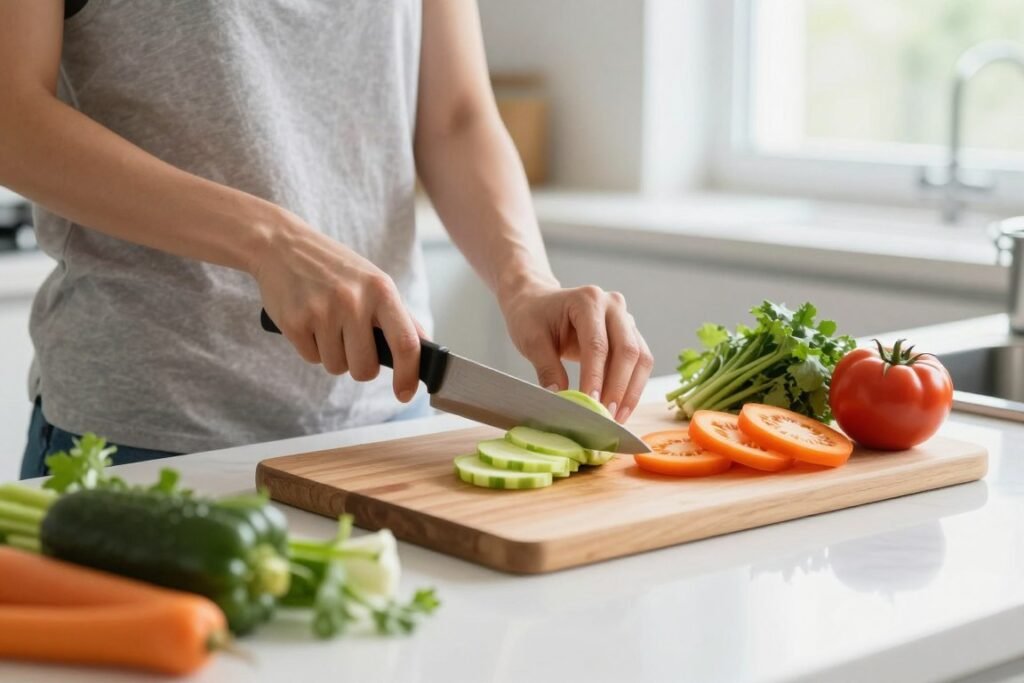
Rather than following restrictive diets long-term, focus on building flexible eating patterns centered on whole foods. This approach proves more sustainable than rigid rules that feel like deprivation.
Apply the 80/20 principle: make nutritious choices 80% of the time while allowing flexibility for social occasions and treats. This balanced approach prevents the restriction-binge cycle that damages both physical and mental health.
Regular Movement and Physical Activity
Consistent exercise supports ongoing gut health through multiple mechanisms. Aim for at least 150 minutes of moderate activity weekly, incorporating both cardiovascular exercise and strength training.
Find activities you genuinely enjoy so movement becomes something you look forward to rather than another obligation. Walking, swimming, dancing, cycling, or group fitness classes all provide benefits when done regularly.
Ongoing Stress Management
Since stress significantly impacts gut bacteria and digestive function, maintaining stress management practices proves essential for long-term gut health.
Develop a toolkit of stress-reduction techniques you can deploy when life gets challenging. This might include meditation apps, breathing exercises, journaling, therapy, or creative hobbies that help you process emotions.
Periodic Gut Health Check-Ins
Schedule regular assessments of your digestive health rather than waiting for problems to escalate. Notice changes in bowel habits, energy levels, skin health, and overall wellbeing.
Consider working with functional medicine practitioners who can order comprehensive stool testing to assess gut bacteria populations, digestive enzyme function, and inflammation markers. These tests provide objective data to guide personalized interventions.
Continued Probiotic and Prebiotic Support
Maintain beneficial bacteria populations through regular consumption of fermented foods and prebiotic fibers. Rotate different probiotic-rich foods to introduce diverse bacterial strains.
If using probiotic supplements, consider cycling different formulations rather than taking the same product indefinitely. This approach may promote greater bacteria diversity compared to single-strain supplementation.
Common Myths and Misconceptions About Gut Cleansing
The wellness industry promotes numerous claims about gut cleansing that range from exaggerated to completely false. Let’s address common misconceptions with science-based facts.

Myth: Extreme Cleanses Detox Your Body
Reality: Your liver and kidneys continuously detoxify your body without need for extreme protocols. Juice cleanses, severe calorie restriction, or laxative abuse don’t enhance these natural processes and may cause harm.
Effective gut health support works with your body’s systems rather than attempting to override them with aggressive interventions. Gentle, sustainable approaches prove both safer and more effective long-term.
Myth: You Need to Clean Out Pounds of Waste
Reality: Claims about “pounds of toxic waste” lining your colon aren’t supported by medical evidence. Your colon naturally sheds its lining regularly, and healthy bowel function prevents significant waste accumulation.
Weight lost during aggressive cleanses typically represents water weight and intestinal contents, not fat loss or toxin removal. True health improvements come from supporting normal digestive function, not purging.
Myth: More Frequent Bowel Movements Are Always Better
Reality: Normal bowel movement frequency varies considerably between individuals. Anywhere from three times daily to three times weekly can be healthy, depending on diet, activity level, and individual physiology.
Focus on consistency and ease of passage rather than frequency alone. Well-formed stools that pass comfortably indicate healthy function regardless of exact frequency.
Myth: Colon Cleansing Removes Toxins and Parasites
Reality: While professional bowel cleansing may provide benefits in specific contexts, claims about removing mysterious “toxins” or routine parasite infections lack scientific support for most people.
True parasitic infections require specific medical diagnosis and treatment. General cleansing protocols don’t substitute for appropriate medical care when actual parasites are present.
Myth: Gut Cleansing Cures All Health Problems
Reality: Improving gut health benefits many aspects of wellbeing, but it’s not a cure-all. While gut microbiome imbalances contribute to various conditions, they’re rarely the sole cause of complex health issues.
Approach gut health as one important component of overall wellness rather than expecting it to solve every health concern. Work with qualified practitioners for comprehensive health assessments.
Choosing the Best Gut Cleanse Approach for Your Needs
No single gut cleansing protocol works optimally for everyone. Individual factors including current health status, goals, lifestyle, and preferences should guide your approach selection.

Assessing Your Starting Point
Before beginning any digestive cleanse protocol, honestly evaluate your current digestive health, dietary habits, and lifestyle factors.
Consider these assessment questions:
- How regular are your bowel movements currently?
- What digestive symptoms do you experience most frequently?
- How would you describe your typical diet quality?
- What’s your current stress level and sleep quality?
- Do you have diagnosed digestive conditions requiring medical management?
- Have you taken antibiotics or other medications that impact gut bacteria recently?
Matching Methods to Goals
Different approaches serve different purposes. Align your method selection with specific objectives:
| Primary Goal | Recommended Approach | Duration |
| Relieve occasional constipation | Increase fiber and water intake, add magnesium | 1-2 weeks |
| Reduce bloating and gas | Elimination diet to identify triggers, probiotic foods | 3-4 weeks |
| Reset after poor dietary habits | 15-day whole foods cleanse with anti-inflammatory focus | 15-21 days |
| Support weight management | Sustainable dietary changes emphasizing gut health | Ongoing lifestyle change |
| Address chronic digestive issues | Work with functional medicine practitioner | Several months with professional guidance |
Gentle Approaches vs. Intensive Protocols
Most people benefit from gentle, gradual approaches rather than intensive protocols. Start with basic dietary improvements and lifestyle changes before considering more aggressive interventions.
A gentle approach might include:
- Gradually increasing fiber intake over 2-3 weeks
- Adding one serving of fermented foods daily
- Drinking adequate water throughout the day
- Incorporating 30 minutes of daily movement
- Reducing processed foods and added sugar
This measured approach allows your gut bacteria to adapt without shocking your system. It also proves more sustainable long-term compared to extreme short-term protocols.
Working with Healthcare Professionals
Consider professional guidance if you experience persistent digestive symptoms, have diagnosed health conditions, take medications, or want comprehensive gut health assessment.
Qualified practitioners can order specialized testing, provide personalized protocols, and monitor your progress. They also help distinguish between situations requiring medical treatment versus those responding to natural interventions.
Research and Evidence Behind Gut Health Interventions
Understanding the science behind gut health recommendations helps you make informed decisions. Let’s examine key research findings that inform best practices.

Gut Microbiome Research Developments
Research into the gut microbiome has exploded over the past two decades. Scientists now recognize that gut bacteria influence immunity, metabolism, brain function, and disease risk far more than previously understood.
Studies published in trusted research journals demonstrate that gut microbiota diversity correlates with better health outcomes. People with more diverse gut bacteria populations show lower rates of obesity, diabetes, inflammatory conditions, and even certain cancers.
Fiber and Digestive Health Studies
Extensive research confirms that high fiber intake supports digestive health through multiple mechanisms. Fiber feeds beneficial bacteria, promotes regular bowel movements, and produces compounds that reduce inflammation.
Population studies consistently show that people consuming 25-35 grams of fiber daily experience fewer digestive complaints and lower rates of colon-related diseases compared to those eating low-fiber diets.
Probiotic Research Findings
While probiotic research shows promise, results vary depending on specific strains, dosages, and individual factors. Not all probiotics provide the same benefits, and effectiveness depends on matching appropriate strains to specific conditions.
Well-researched probiotic strains show benefits for conditions including antibiotic-associated diarrhea, irritable bowel syndrome, and inflammatory bowel disease. However, healthy individuals may not experience dramatic benefits from supplementation if they already maintain diverse gut bacteria through diet.
Limitations of Current Research
Despite significant advances, gut microbiome science remains relatively young. Many questions about optimal bacteria composition, personalized interventions, and long-term effects of various treatments require further investigation.
Be cautious about practitioners making definitive claims based on limited evidence. The most responsible approach acknowledges both what research supports and where uncertainty remains.
Supporting Your Practice with Quality Health Solutions
Wellness professionals across the United States face growing demand for gut health services and educational resources. Your clients seek credible information and effective solutions to support their digestive wellness journey.

At MAIKONG, we understand the challenges health center owners, spa operators, and wellness practitioners encounter when seeking reliable supply chain partnerships. Based in SZ, GD, China, our manufacturing facility specializes in producing quality health and wellness products that meet the demanding standards of the American market.
Why Wellness Professionals Choose MAIKONG
Our partnerships with US-based wellness centers, colon hydrotherapy clinics, and health distributors reflect our commitment to quality manufacturing and professional support:
Manufacturing Excellence
- Advanced production facilities in GD, China
- Strict quality control protocols
- International certification compliance
- Consistent product specifications
- Reliable supply chain management
Partnership Benefits
- Competitive wholesale pricing
- Customization and private labeling options
- Technical support and training resources
- Marketing materials for your practice
- Responsive customer service team
Expanding Your Wellness Business
Whether you operate an established health center or you’re launching a new wellness venture, having reliable supplier relationships proves essential for business success. We work with diverse professionals including:
- Health and wellness center owners expanding service offerings
- Colon hydrotherapy clinics seeking quality equipment and supplies
- Medical equipment distributors serving the wellness industry
- E-commerce entrepreneurs building health product brands
- Functional medicine practitioners integrating complementary therapies
- Spa and resort operators adding wellness services
Educational Resources for Your Clients
We provide comprehensive educational materials that wellness professionals can share with clients. These resources help you build authority, educate your customer base, and demonstrate the value of gut health services.
Our team understands that your success depends on your ability to deliver excellent client outcomes. We support that mission by providing quality products, reliable service, and the information you need to serve your clients effectively.
Explore Partnership Opportunities with MAIKONG
We invite wellness professionals, health center owners, and distributors throughout the United States to explore dealer and partnership opportunities with MAIKONG. Our team provides personalized support for businesses seeking to expand their wellness product offerings or establish new revenue streams in the growing gut health market.
Contact our partnership team to discuss wholesale pricing, customization options, and how we can support your business growth:
Visit our website to learn more about MAIKONG’s manufacturing capabilities and explore how we support wellness professionals across the United States.
Moving Forward with Your Gut Health Journey

Understanding gut health and implementing effective cleansing strategies represents an ongoing journey rather than a one-time event. The information in this comprehensive gut cleanse guide provides a foundation for making informed decisions about your digestive wellness approach.
Remember that sustainable improvements come from consistent daily habits rather than extreme temporary protocols. Focus on nourishing your gut bacteria with diverse plant foods, staying hydrated, managing stress, moving your body regularly, and getting adequate sleep.
For wellness professionals, sharing accurate gut health information helps your clients make better decisions and builds trust in your expertise. By staying informed about research developments and evidence-based practices, you position yourself as a credible resource in the expanding wellness industry.
Whether you’re just beginning to explore gut health or you’re a seasoned practitioner, the fundamental principles remain the same: work with your body’s natural processes, prioritize sustainable approaches, and seek professional guidance when needed.
Your gut health affects virtually every aspect of your wellbeing. Investing time and attention in supporting your digestive system pays dividends in energy, immunity, mental clarity, and overall quality of life. Start with small, manageable changes and build from there.
The path to optimal gut health looks different for everyone. Listen to your body, track what works for you personally, and remain patient with the process. Meaningful change takes time, but the benefits of improved digestive health extend far beyond your gut.