
 Understanding medical terminology can feel overwhelming when you’re navigating the world of digestive health and colon therapy. I’ve worked in the healthcare equipment manufacturing industry for over a decade at MAIKONG in Shenzhen, and I’ve seen countless healthcare professionals struggle with inconsistent terminology across patient education materials, equipment manuals, and clinical documentation.This comprehensive colon health glossary brings together essential terms from gastroenterology, colon hydrotherapy, inflammatory bowel disease management, and diagnostic procedures. Whether you’re a wellness center owner researching colonic machines, a natural therapy practitioner expanding your knowledge, or a medical equipment distributor serving the US market, you’ll find clear definitions that bridge technical accuracy with practical application.Medical terminology serves as the foundation for effective communication between healthcare providers, equipment manufacturers like us at MAIKONG, and the patients who benefit from these services. The digestive tract represents one of the most complex systems in the human body, and precise language ensures proper treatment protocols, accurate equipment operation, and informed patient consent.
The terms in this glossary come from multiple disciplines. You’ll find definitions related to the large intestine structure, small intestine function, inflammatory bowel disease conditions like Crohn disease and ulcerative colitis, diagnostic procedures, treatment options, and the specialized equipment we manufacture for colon hydrotherapy applications.
Colon Health Terminology: Why It Matters for Healthcare Professionals
The digestive tract terminology landscape has evolved significantly over the past two decades. Medical professionals, equipment operators, and patients now encounter terms from traditional gastroenterology, complementary medicine, and wellness industries. This convergence creates both opportunities and challenges for clear communication.
When I train new distributors on our best colonic machine models, terminology consistency becomes immediately apparent. A clinic owner in California might call a procedure “colonic irrigation” while a wellness center in Texas refers to the identical service as “colon hydrotherapy.” Both terms describe the same therapeutic process, yet clients may perceive them differently based on regional preferences and marketing positioning.
The Critical Role of Standardized Medical Language
Standardized terminology protects patient safety and ensures regulatory compliance. When healthcare providers document procedures using consistent vocabulary, they create accurate medical records that support continuity of care. Equipment manufacturers like MAIKONG rely on standardized terms when creating user manuals, training materials, and technical specifications that meet FDA and CE certification requirements.
The immune system interactions with the digestive tract exemplify why precise terminology matters. Inflammatory bowel disease includes distinct conditions—Crohn disease and ulcerative colitis—that affect different parts of the digestive system. While both involve chronic inflammation, their treatment protocols, affected tissues, and long-term management strategies differ substantially.
Crohn disease can affect any part of the digestive tract from mouth to anus, though it most commonly impacts the small intestine and the beginning of the large intestine. The inflammation in Crohn disease penetrates deep into tissue layers. In contrast, ulcerative colitis specifically affects the colon and rectum, with inflammation remaining in the innermost lining of the intestinal wall.
Equipment Terminology for Professional Settings
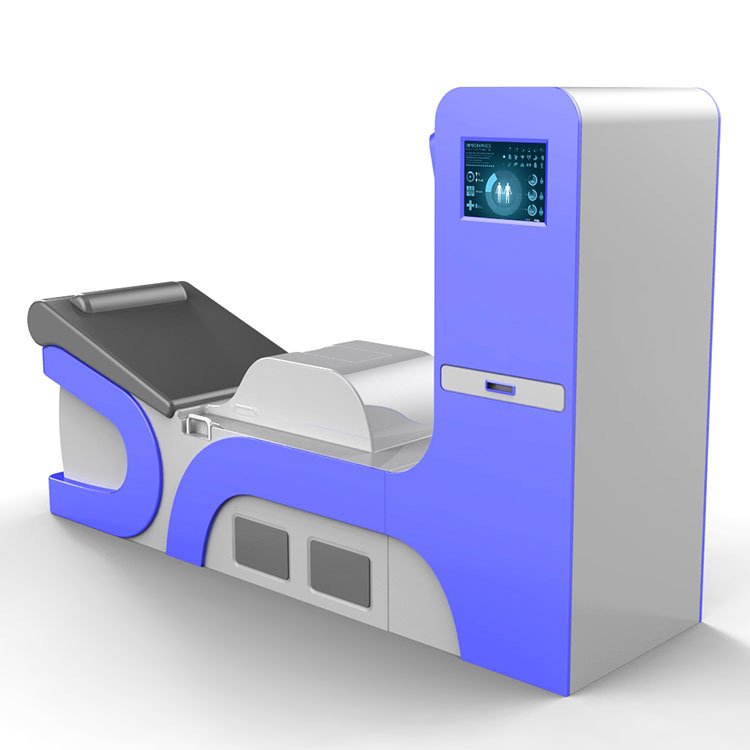
Professional colon hydrotherapy equipment requires specialized vocabulary that distinguishes between open systems, closed systems, and various therapeutic approaches. The LIBBE colonic machine represents one closed-system approach, while gravity-fed methods constitute another category entirely.
Common Equipment Classifications
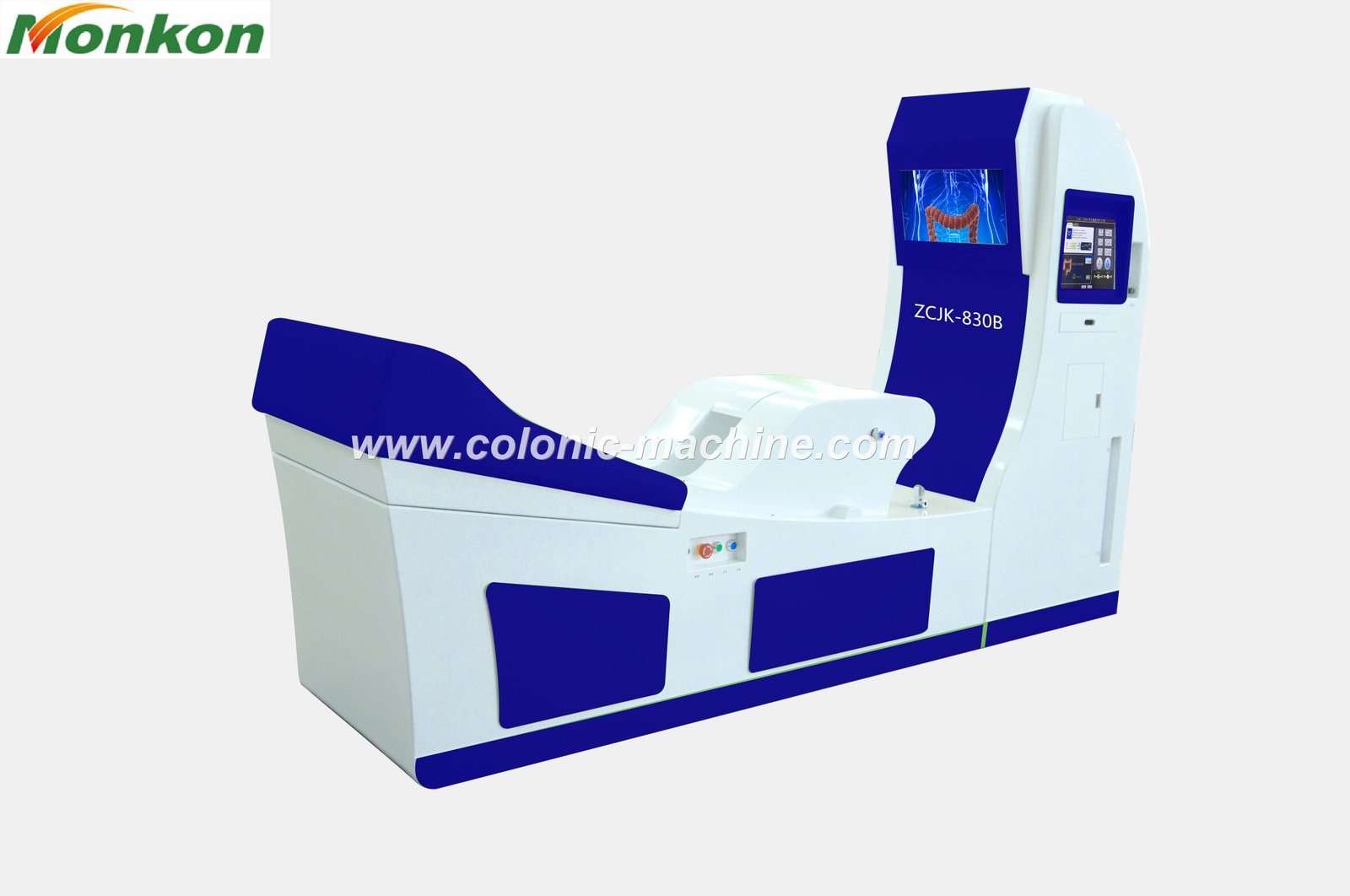
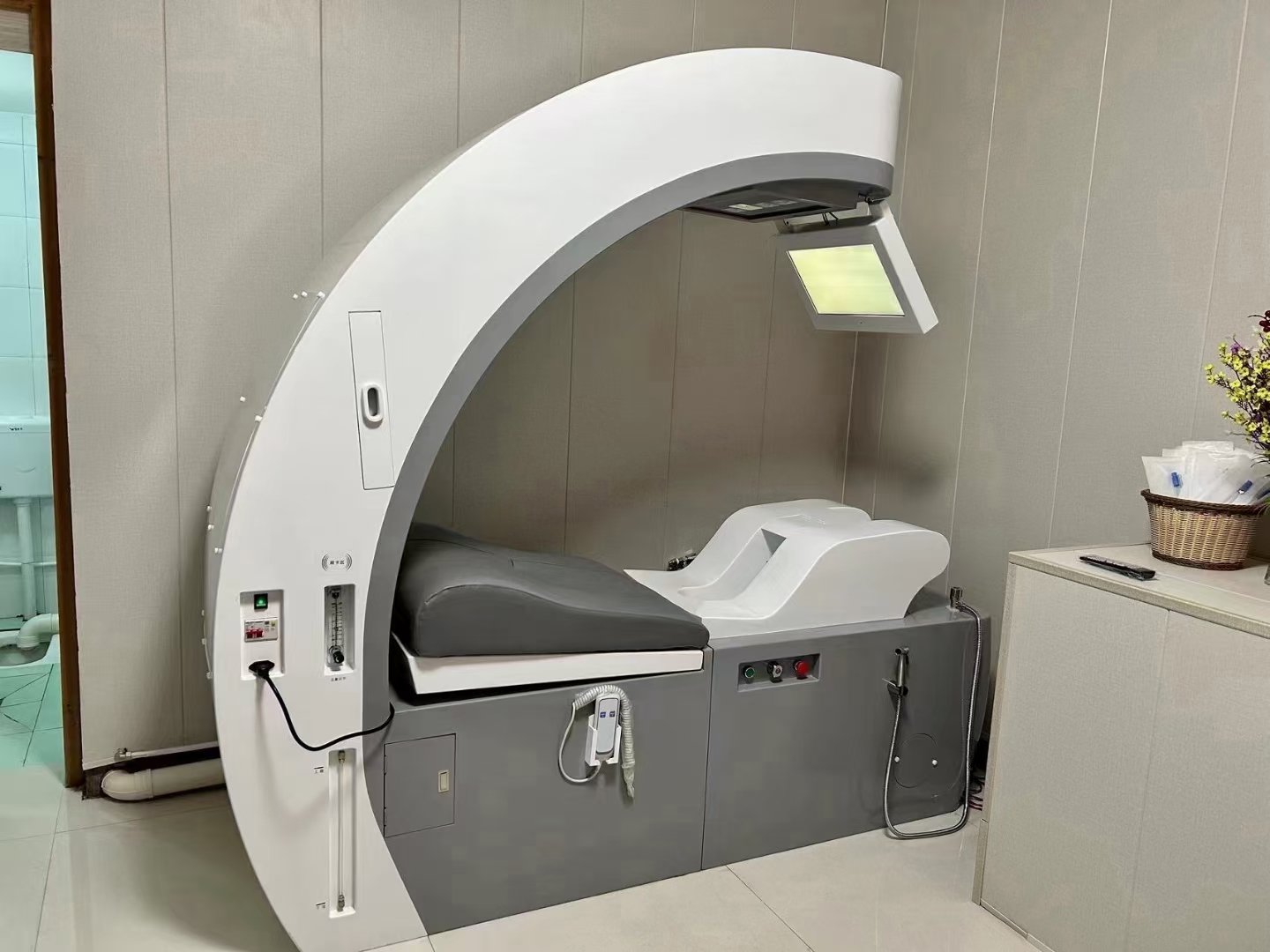
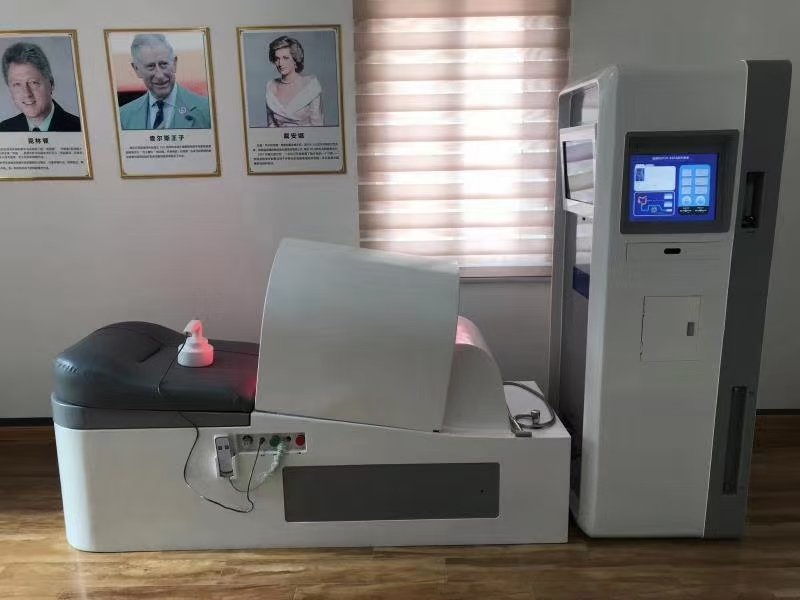
Healthcare facilities investing in colon hydrotherapy equipment encounter several system types. Closed systems use disposable speculums and controlled water pressure, allowing practitioners to regulate the entire procedure. Open systems provide more privacy for clients who self-administer the therapy with minimal direct practitioner involvement.
Our MK-series equipment at MAIKONG focuses on closed-system designs that give practitioners precise control over water temperature, pressure, and flow rates. This approach aligns with medical safety protocols while delivering consistent therapeutic outcomes.
Bridging Medical and Wellness Industry Terminology
The wellness industry adoption of colon health services introduced terminology variations that sometimes diverge from traditional medical vocabulary. Terms like “colon cleanse” and “detox” carry marketing implications that may not align with evidence-based medical terminology. Healthcare professionals must navigate these linguistic differences while maintaining clinical accuracy.
Natural health practitioners, chiropractors, and functional medicine providers increasingly incorporate colon therapy into holistic treatment plans. This integration requires vocabulary that respects both conventional gastroenterology and complementary wellness approaches. The goal isn’t choosing one terminology set over another, but rather understanding how different professional communities describe similar anatomical structures and therapeutic interventions.
Comprehensive Colon Health Glossary: Terms A Through D

Essential Terms Beginning with A
Abdomen: The body region located between the chest and pelvis that houses the digestive organs. The abdomen contains the stomach, small intestine, large intestine, liver, gallbladder, pancreas, and spleen. Medical professionals divide the abdomen into quadrants or nine regions to precisely describe symptom locations and examination findings.
Abdominal Wall: The muscular and connective tissue structure that forms the front and sides of the abdomen. This protective barrier consists of several muscle layers including the external oblique, internal oblique, transversus abdominis, and rectus abdominis. Surgical procedures may create openings through the abdominal wall to access internal organs or create stomas for waste elimination.
Abscess: A collection of pus that forms when the body fights infection. In inflammatory bowel disease, abscesses may develop in the intestinal wall or surrounding tissues. These localized infections require medical attention and may need drainage or antibiotic treatment. Abdominal abscesses can occur as complications of Crohn disease, diverticulitis, or surgical procedures.
Acute: A condition that develops suddenly and typically lasts a short time. Acute symptoms appear quickly and may be severe. This contrasts with chronic conditions that persist over extended periods. Acute inflammation represents the body’s immediate response to injury or infection.
Adjuvant Therapy: Additional treatment given after primary therapy to reduce the risk of disease recurrence. In colorectal cancer care, adjuvant therapy often involves chemotherapy administered following surgical removal of tumors. This approach targets any remaining abnormal cells that might cause cancer to return.
Also Known: A phrase indicating alternative names for medical conditions or procedures. Many digestive health terms have multiple names depending on medical specialty, geographic region, or whether the term comes from medical or wellness industry sources. Understanding these alternative names helps practitioners communicate across different healthcare settings.
Essential Terms Beginning with B
Bacteria: Microscopic single-celled organisms found throughout nature including the human body. The digestive tract contains trillions of bacteria that form the gut microbiome. Beneficial bacteria aid digestion, produce vitamins, and support immune system function. Pathogenic bacteria may cause infections requiring medical treatment.
Barium Enema: A diagnostic imaging procedure that uses X-rays to examine the large intestine. The procedure involves introducing liquid barium through the rectum, which coats the intestinal lining and makes it visible on X-ray images. This test helps identify abnormalities including polyps, tumors, inflammation, and structural problems.
Benign: Non-cancerous growths or conditions that don’t spread to other body parts. Benign polyps in the colon don’t invade surrounding tissues, though some types may eventually develop into cancer if not removed. The term reassures patients that a growth or condition isn’t immediately life-threatening.
Biopsy: A medical procedure that removes a small tissue sample for laboratory examination. During colonoscopy, physicians use specialized instruments to collect tiny pieces of intestinal lining. Pathologists examine these samples under microscopes to diagnose conditions including inflammation, infection, precancerous changes, or cancer.
Blood Test: Laboratory analysis of blood samples to evaluate health status and diagnose conditions. Blood tests for digestive disorders may measure inflammation markers, nutrient levels, antibodies, tumor markers, and liver function. These tests provide information that physical examinations and imaging cannot reveal.
Bowel: Another term for the intestines, the part of the digestive tract that absorbs nutrients and eliminates waste. Healthcare providers use “bowel” and “intestine” interchangeably. The small bowel (small intestine) handles most nutrient absorption. The large bowel (large intestine or colon) absorbs water and forms stool.
Bowel Disease: Medical conditions affecting the intestines. This broad category includes inflammatory bowel disease, irritable bowel syndrome, infectious diseases, structural abnormalities, and cancers. Treatment approaches vary based on the specific condition, severity, and individual patient factors.
Bowel Plaque: A term sometimes used in wellness contexts to describe accumulated material on intestinal walls. Conventional medical literature doesn’t widely use this term, as the intestinal lining naturally renews itself. Healthcare providers should distinguish between evidence-based anatomy and alternative health concepts when discussing intestinal health with clients.
Essential Terms Beginning with C
Cells: The basic structural units of all living organisms. The human body contains trillions of cells with specialized functions. Intestinal cells form the lining that absorbs nutrients and creates a barrier against harmful substances. Abnormal cells may indicate inflammation, precancerous changes, or cancer.
Chronic: Conditions that persist over long periods, typically defined as lasting more than three months. Chronic diseases like inflammatory bowel disease require ongoing management rather than short-term treatment. Chronic inflammation damages tissue gradually and may lead to complications over time.
Cleanse: The process of removing waste materials from the body. In wellness contexts, colon cleanse refers to procedures intended to empty the colon and remove accumulated debris. Medical professionals may use this term to describe bowel preparation before diagnostic procedures or as part of therapeutic protocols using equipment like our colon cleanse machine systems.
Colon: The large intestine, the final section of the digestive tract measuring approximately five feet long. The colon absorbs water and electrolytes from digested material, forming solid waste for elimination. It houses trillions of beneficial bacteria that support health. The colon includes several segments: cecum, ascending colon, transverse colon, descending colon, sigmoid colon, and rectum.
Colonic: Relating to the colon or a therapeutic procedure involving colon cleansing. As a noun, “colonic” commonly refers to colon hydrotherapy or colonic irrigation performed using specialized equipment. Professional practitioners use colonic machines for sale to provide these therapeutic services in clinical settings.
Colonic Cleansing: The process of introducing water into the colon to remove waste material and promote digestive health. This therapeutic approach uses controlled water temperature and pressure delivered through FDA-registered equipment. Professional practitioners complete specialized training before offering these services.
Colonics: Plural form referring to multiple colon hydrotherapy sessions or the general practice of colon cleansing. Many wellness centers offer colonics as part of detoxification programs, digestive health protocols, or complementary cancer care support. The practice requires proper equipment, hygiene protocols, and trained operators.
Colonoscopy: A diagnostic procedure using a long flexible tube with a camera to examine the entire colon. The colonoscope allows physicians to view the intestinal lining, identify abnormalities, remove polyps, and collect tissue samples. Colonoscopy remains the gold standard for colon cancer screening and surveillance of inflammatory bowel disease.
Colorectal: Relating to both the colon and rectum. Colorectal cancer affects these interconnected structures. Colorectal surgeons specialize in treating diseases of the large intestine, rectum, and anus. The term emphasizes the functional relationship between these digestive tract segments.
Crohn Disease: A type of inflammatory bowel disease that causes chronic inflammation anywhere in the digestive tract from mouth to anus. The condition most commonly affects the small intestine and the beginning of the large intestine. Crohn disease creates deep inflammation through multiple tissue layers and may cause complications including strictures, fistulas, and abscesses.
Crohn Disease Ulcerative: This phrase sometimes appears but represents a misunderstanding of inflammatory bowel disease classification. Crohn disease and ulcerative colitis are separate conditions, not variations of the same disease. Crohn disease can affect any part of the digestive tract with skip patterns, while ulcerative colitis continuously affects only the colon and rectum.
Essential Terms Beginning with D
Diagnosis: The process of identifying a disease or condition based on symptoms, physical examination, laboratory tests, and imaging studies. Accurate diagnosis requires thorough evaluation and sometimes multiple tests. The diagnosis guides treatment selection and helps predict outcomes.
Diarrhea: Loose, watery bowel movements occurring more frequently than normal. Acute diarrhea typically results from infections and resolves within days. Chronic diarrhea lasting weeks or months may indicate inflammatory bowel disease, food intolerances, or other digestive disorders requiring medical evaluation.
Digestive Tract: The continuous tube running from mouth to anus that processes food and eliminates waste. Also called the gastrointestinal tract or alimentary canal, this system includes the esophagus, stomach, small intestine, large intestine, and accessory organs. The digestive tract breaks down food, absorbs nutrients, and removes unneeded materials.
Disease Ulcerative: A shortened reference to ulcerative colitis, a form of inflammatory bowel disease. This chronic condition causes inflammation and ulcers in the innermost lining of the colon and rectum. Symptoms include bloody diarrhea, abdominal pain, urgency, and weight loss.
Disease Ulcerative Colitis: The complete medical term for a specific inflammatory bowel disease affecting the colon and rectum. Unlike Crohn disease, ulcerative colitis remains limited to the large intestine and creates continuous inflammation without skip areas. The condition increases colorectal cancer risk, making regular surveillance essential.
Diverticulitis: Inflammation or infection of small pouches (diverticula) that can form in the colon wall. These pouches develop through weak spots in the muscular layer. When diverticula become inflamed, patients experience abdominal pain, fever, and changes in bowel habits. Treatment may include antibiotics, dietary changes, or surgery for severe cases.
Doctor: A licensed medical professional who diagnoses and treats diseases. Gastroenterologists specialize in digestive system disorders. Colorectal surgeons perform operations on the colon and rectum. Primary care doctors coordinate overall health management and refer patients to specialists when needed.
Colon Health Glossary: Essential Terms E Through H
Essential Terms Beginning with E
Endoscopy: A general term for procedures using flexible tubes with cameras to examine internal body structures. Colonoscopy and sigmoidoscopy are types of endoscopy. The endoscope transmits images to a monitor, allowing physicians to view tissue directly and perform interventions like biopsies or polyp removal.
Enema: Introduction of liquid into the rectum and lower colon through the anus. Enemas may serve diagnostic purposes (like barium enemas), prepare the bowel for procedures, deliver medications directly to inflamed tissue, or relieve constipation. Professional colon hydrotherapy differs from simple enemas by cleansing the entire colon rather than just the lower segments.
Entire Colon: The complete large intestine from the cecum to the rectum. Procedures examining the entire colon provide comprehensive assessment of colorectal health. Colonoscopy visualizes the entire colon, while sigmoidoscopy only reaches the lower portions. Some conditions affect the entire colon uniformly while others create patchy involvement.
Epithelium: The tissue layer forming the inner lining of the digestive tract. This cellular barrier absorbs nutrients, secretes mucus, and protects against pathogens. In inflammatory bowel disease, the epithelium becomes damaged, compromising its protective and absorptive functions.
Essential Terms Beginning with F
Fecal Matter: Solid waste material eliminated from the body through bowel movements. Also called stool or feces, this material consists of undigested food, bacteria, water, and cellular debris. Examining fecal matter characteristics helps diagnose digestive conditions.
Fiber: Plant-based carbohydrates that the human digestive system cannot fully break down. Dietary fiber adds bulk to stool, promotes regular bowel movements, and feeds beneficial gut bacteria. Healthcare providers recommend adequate fiber intake for colon health, though some digestive conditions require temporary fiber restriction.
Fistula: An abnormal connection between two body parts. In Crohn disease, fistulas may form between loops of intestine, between intestine and skin, or between intestine and other organs like the bladder. These tunnels develop when deep inflammation creates pathways through tissue. Fistulas often require surgical treatment.
Flexible Tube: The instrument used in endoscopic procedures. Made from specialized materials, the flexible tube bends to navigate the colon’s curves while housing tiny cameras, lights, and channels for instruments. The tube’s flexibility allows thorough examination without damaging delicate intestinal tissue.
Flushing Parasites: A wellness industry term describing the use of colon cleansing to eliminate intestinal parasites. While parasitic infections do occur and require medical treatment, routine colon cleansing doesn’t constitute standard parasite treatment. Diagnosed parasitic infections need specific anti-parasitic medications prescribed by healthcare providers.
Food: Substances consumed to provide nutrients and energy. Food passes through the digestive tract where mechanical and chemical processes extract usable components. Some foods may trigger symptoms in people with inflammatory bowel disease, irritable bowel syndrome, or food sensitivities. Dietary management plays an important role in digestive health.
Essential Terms Beginning with G
Gastroenterology: The medical specialty focused on digestive system diseases. Gastroenterologists complete additional training beyond medical school to diagnose and treat conditions affecting the esophagus, stomach, small intestine, large intestine, liver, gallbladder, and pancreas. These specialists perform endoscopic procedures and manage complex digestive disorders.
Gastrointestinal: Relating to the stomach and intestines. The gastrointestinal tract encompasses the entire digestive system from mouth to anus. Gastrointestinal symptoms include nausea, vomiting, diarrhea, constipation, bloating, and abdominal pain. Gastrointestinal diseases range from temporary infections to chronic inflammatory conditions.
Essential Terms Beginning with H
Hemorrhoids: Swollen blood vessels in the rectum or anus that may cause discomfort, bleeding, or itching. Internal hemorrhoids form inside the rectum while external hemorrhoids develop under the skin around the anus. Chronic constipation, straining, pregnancy, and prolonged sitting contribute to hemorrhoid development. Treatment ranges from dietary changes to surgical procedures depending on severity.
Hydrocolonic: An alternative term for colon hydrotherapy or colonic irrigation. The prefix “hydro” refers to water use in the therapeutic process. Professional hydrocolonic equipment like our hydrotherapy machine models deliver temperature-controlled water to cleanse the colon safely.
Hydrotherapy: Treatment using water for therapeutic purposes. In colon health contexts, hydrotherapy refers specifically to colon hydrotherapy or colonic irrigation. The practice introduces purified water into the colon to remove accumulated waste and promote digestive wellness. Professional equipment ensures safe water temperature, pressure control, and hygiene protocols.
MAIKONG: Your Manufacturing Partner for Professional Colon Hydrotherapy Equipment
At MAIKONG, we manufacture medical-grade colon hydrotherapy equipment in our Shenzhen, Guangdong facilities with over 12 years of industry experience. Our MK-series machines serve wellness centers, medical clinics, and health spas across North America and 47 countries worldwide.
We specialize in closed-system designs that give practitioners precise control while maintaining the highest safety standards. Every unit includes CE certification, comprehensive technical documentation, and multilingual support materials for international markets.
| Specification | MK-880 Model | MK-890H Model |
| Water Tank Capacity | 10 Liters | 12 Liters |
| Medicine Storage | 500ml | 750ml |
| Temperature Range | 30-40°C Adjustable | 30-40°C Adjustable |
| Power Requirements | 220V-50HZ-2KW | 220V-50HZ-2.5KW |
| Dimensions | 1720×2500×690mm | 1850×2600×720mm |
| Weight | 160kg | 180kg |
| Warranty Period | 1 Year Standard | 1 Year Standard |
| Certifications | CE, ISO, SGS | CE, ISO, SGS, FDA |
| Screen Interface | 15″ Touch Display | 17″ HD Touch Display |
| Water Purification | External System | Integrated 5-Stage |
We support customization including branded panels, custom color schemes, and OEM partnerships for established distributors. Our manufacturing approach combines advanced production equipment with rigorous quality testing to ensure every unit meets international medical device standards.
Medical Terminology Guide: Terms I Through L

Essential Terms Beginning with I
Ileum: The final section of the small intestine connecting to the large intestine. The ileum absorbs vitamin B12, bile salts, and any remaining nutrients not absorbed in earlier small intestine segments. Crohn disease frequently affects the ileum, causing inflammation that may impair nutrient absorption and create complications.
Immune System: The body’s defense network that protects against infections and diseases. The immune system includes white blood cells, antibodies, lymph nodes, and specialized organs. In inflammatory bowel disease, the immune system mistakenly attacks healthy digestive tract tissue, causing chronic inflammation. Understanding immune system function helps explain why immunosuppressive medications treat conditions like Crohn disease and ulcerative colitis.
Infection: Invasion of body tissues by disease-causing microorganisms like bacteria, viruses, parasites, or fungi. Infections may cause acute digestive symptoms including diarrhea, fever, and abdominal pain. Some infections trigger reactive changes that precede inflammatory bowel disease development. Proper hygiene, including the sanitization protocols we implement in our colonic irrigation machine designs, helps prevent infection transmission.
Inflammation: The immune system’s response to injury, infection, or irritation. Acute inflammation represents normal healing processes. Chronic inflammation damages tissue over time and characterizes conditions like inflammatory bowel disease. Signs of inflammation include redness, swelling, heat, pain, and loss of function in affected tissues.
Inflammation Ulcers: Open sores that develop when chronic inflammation damages the protective mucus layer and underlying tissue. In ulcerative colitis, these ulcers form in the colon lining, causing bleeding, pain, and increased infection risk. Inflammation ulcers distinguish inflammatory bowel disease from functional disorders like irritable bowel syndrome.
Inflammatory Bowel: A shortened reference to inflammatory bowel disease, the umbrella term for chronic inflammatory conditions affecting the digestive tract. The two main types are Crohn disease and ulcerative colitis. These conditions cause persistent inflammation that damages intestinal tissue and creates ongoing symptoms requiring long-term management.
Inflammatory Bowel Disease: Chronic conditions characterized by inflammation in the digestive tract. Crohn disease can affect any part of the digestive system, while ulcerative colitis specifically impacts the colon and rectum. Both conditions involve abnormal immune system responses that attack intestinal tissue. Symptoms include diarrhea, abdominal pain, rectal bleeding, weight loss, and fatigue. Treatment aims to reduce inflammation, manage symptoms, and prevent complications.
Intestinal Flora: The community of microorganisms living in the digestive tract, also called gut microbiota or microbiome. Trillions of bacteria, along with fungi and viruses, colonize the intestines. These microorganisms aid digestion, produce vitamins, train the immune system, and protect against harmful pathogens. Imbalances in intestinal flora may contribute to various digestive disorders.
Intestine: The tubular organ extending from the stomach to the anus where digestion completes and nutrients absorb. The intestine consists of two main sections: the small intestine (duodenum, jejunum, ileum) measures about 20 feet and handles most nutrient absorption; the large intestine (colon and rectum) measures about 5 feet and absorbs water while forming waste for elimination.
Irritable Bowel Syndrome: A functional disorder affecting the large intestine, causing cramping, abdominal pain, bloating, gas, diarrhea, and constipation. Unlike inflammatory bowel disease, irritable bowel syndrome doesn’t cause visible inflammation or increase colon cancer risk. The condition relates to abnormal muscle contractions in the intestine, heightened pain sensitivity, and gut-brain communication problems. Management includes dietary changes, stress reduction, and medications targeting specific symptoms.
Essential Terms Beginning with J
Jejunum: The middle section of the small intestine between the duodenum and ileum. The jejunum’s primary function involves nutrient absorption through its highly folded inner surface. The extensive surface area created by intestinal villi and microvilli maximizes nutrient uptake from digested food.
Essential Terms Beginning with K
Kegel Exercises: Pelvic floor muscle strengthening exercises. While primarily known for urinary incontinence prevention, strong pelvic floor muscles also support bowel control. Healthcare providers may recommend these exercises as part of comprehensive digestive wellness programs, particularly for patients recovering from childbirth or experiencing age-related muscle weakness.
Essential Terms Beginning with L
Large Intestine: The final section of the digestive tract measuring approximately five feet long. The large intestine consists of the cecum, colon (ascending, transverse, descending, sigmoid sections), rectum, and anal canal. This organ absorbs water and electrolytes from digestive waste, forming solid stool for elimination. The large intestine houses the majority of gut bacteria that produce vitamins and support immune function.
Laxative: Medications or substances that promote bowel movements to relieve constipation. Different laxative types work through various mechanisms: bulk-forming laxatives add fiber to stool, osmotic laxatives draw water into the intestine, stimulant laxatives trigger intestinal contractions, and stool softeners make waste easier to pass. Chronic laxative use may cause dependence, making natural approaches to regularity preferable when possible.
Lesion: Any abnormal tissue change caused by disease or injury. In digestive contexts, lesions may include ulcers, inflammation, strictures, fistulas, or tumors. Endoscopic examination identifies lesions that require biopsy or treatment. The term provides a general way to describe tissue abnormalities before specific diagnosis.
Lymph Nodes: Small bean-shaped structures throughout the body that filter lymph fluid and house immune cells. The digestive tract has extensive lymph node networks that monitor for infections and abnormal cells. Enlarged lymph nodes near the intestines may indicate infection, inflammation, or cancer, prompting further investigation.
Professional Healthcare Terminology: Terms M Through P
Essential Terms Beginning with M
Magnetic Resonance: A medical imaging technology using magnetic fields and radio waves to create detailed body images. MRI (magnetic resonance imaging) doesn’t use radiation, making it safer than CT scans for repeated imaging. MR enterography specializes in small intestine imaging to diagnose and monitor Crohn disease. The technology distinguishes between tissue types better than many other imaging methods.
Malabsorption: Impaired nutrient absorption from the digestive tract. Conditions affecting the small intestine may prevent proper uptake of proteins, fats, carbohydrates, vitamins, and minerals. Symptoms include diarrhea, weight loss, bloating, and nutrient deficiencies. Crohn disease affecting the small intestine frequently causes malabsorption requiring nutritional support.
May Cause: A phrase in medical literature indicating possible side effects, complications, or outcomes. Understanding what conditions, procedures, or medications may cause helps patients and providers weigh benefits against risks. Informed consent requires explaining what treatments may cause before proceeding.
May Lead: A term describing potential progression or consequences of conditions. Untreated inflammation may lead to scarring and strictures. Persistent symptoms may lead to diagnostic testing. Understanding disease trajectories helps guide prevention strategies and early intervention.
Microbiome: The complete collection of microorganisms living in a particular environment, most commonly referring to the gut microbiome. The human digestive tract houses trillions of bacteria, fungi, and viruses that influence digestion, immunity, mental health, and disease susceptibility. Research increasingly connects microbiome composition to various health conditions, making it a focus of therapeutic interventions.
Mucosa: The moist tissue lining hollow organs including the digestive tract. The intestinal mucosa consists of specialized epithelial cells that absorb nutrients and produce mucus for protection. In inflammatory bowel disease, the mucosa becomes inflamed, ulcerated, and damaged. Endoscopy examines mucosal appearance to diagnose and monitor digestive conditions.
Essential Terms Beginning with N
Nausea: The sensation of needing to vomit. Nausea may result from digestive infections, food poisoning, medication side effects, bowel obstruction, or inflammatory conditions. Persistent nausea requires medical evaluation to identify and treat underlying causes.
Necrosis: Tissue death resulting from injury, infection, or inadequate blood supply. Severe inflammation may cause focal necrosis in intestinal tissue. Surgical removal of necrotic tissue may be necessary to prevent infection spread and allow healing.
Essential Terms Beginning with O
Obstruction: A blockage preventing normal passage of intestinal contents. Bowel obstruction causes severe abdominal pain, vomiting, inability to pass gas or stool, and abdominal distention. Causes include adhesions from previous surgery, hernias, tumors, strictures from Crohn disease, or impacted stool. Complete obstruction constitutes a medical emergency requiring immediate treatment.
Ostomy: A surgically created opening connecting an internal organ to the body surface. Colostomy connects the colon to the abdominal wall while ileostomy connects the ileum externally. Ostomies may be temporary during healing or permanent when rectum removal is necessary. Patients use external pouches to collect waste. Ostomy creation allows continued digestive function when disease or treatment prevents normal elimination.
Essential Terms Beginning with P
Parasite: An organism living in or on another organism and deriving nutrients at the host’s expense. Intestinal parasites include protozoa like Giardia and helminths like tapeworms. These organisms cause diarrhea, abdominal pain, malabsorption, and other digestive symptoms. Diagnosis requires stool testing. Treatment uses anti-parasitic medications specific to the identified organism.
Parenteral Nutrition: Intravenous feeding that bypasses the digestive system. When severe inflammatory bowel disease prevents adequate oral nutrition, parenteral nutrition delivers essential nutrients directly into the bloodstream. This approach allows intestinal rest during acute flares while maintaining nutritional status. Long-term parenteral nutrition requires careful monitoring for complications.
Part Body: A general reference to specific anatomical regions or structures. Medical terminology often describes where conditions affect part of the body to specify symptom location, disease extent, or treatment targeting.
Part Large: An informal reference to sections or regions of the large intestine. The colon has distinct anatomical parts: the ascending colon rises on the right side, the transverse colon crosses horizontally, the descending colon descends on the left side, and the sigmoid colon forms an S-curve before the rectum. Understanding which part of the large intestine is affected helps guide diagnosis and treatment.
Pathology: The medical science studying disease causes, processes, development, and consequences. Pathologists examine tissue samples, blood tests, and other specimens to diagnose conditions. Pathology reports provide definitive diagnoses following biopsies or surgical procedures. The field bridges basic science with clinical medicine.
Perforation: A hole or tear through the wall of a hollow organ. Intestinal perforation allows digestive contents to leak into the abdominal cavity, causing peritonitis—a life-threatening infection. Perforations may result from severe ulcers, trauma, Crohn disease complications, or procedures. Emergency surgery usually treats perforations by repairing the hole and cleaning the abdominal cavity.
Peristalsis: Wavelike muscle contractions that move food through the digestive tract. These coordinated movements push contents from the esophagus through the stomach and intestines. Abnormal peristalsis may cause diarrhea (excessive contractions), constipation (inadequate contractions), or obstruction. Some medications affect peristalsis to control symptoms.
Peritoneum: The smooth membrane lining the abdominal cavity and covering abdominal organs. Peritonitis—inflammation of the peritoneum—causes severe abdominal pain and requires immediate medical attention. The peritoneum produces lubricating fluid allowing organs to slide smoothly during movement and digestion.
Polyp: An abnormal growth projecting from mucous membrane surfaces. Colon polyps develop in the intestinal lining and vary in size, shape, and cancer potential. Adenomatous polyps may become cancerous over time, making removal during colonoscopy essential for cancer prevention. Hyperplastic polyps rarely become malignant but still warrant removal and monitoring.
Procedure: A medical treatment, test, or intervention performed by healthcare providers. Diagnostic procedures like colonoscopy help identify diseases. Therapeutic procedures like polyp removal treat conditions. Surgical procedures repair or remove damaged tissue. Understanding procedure purposes, processes, risks, and benefits allows informed healthcare decisions.
Proctitis: Inflammation of the rectum’s inner lining. This condition causes pain, bleeding, discharge, and frequent urge to have bowel movements. Proctitis may result from inflammatory bowel disease, infections, radiation therapy, or injury. Treatment depends on the underlying cause and may include anti-inflammatory medications, antibiotics, or topical treatments.
Prognosis: The predicted course and outcome of a disease. Prognosis considers disease severity, treatment response, complications, and individual patient factors. Accurate prognosis helps patients and providers make informed treatment decisions and plan for the future.
Digestive Health Vocabulary: Terms Q Through T
Essential Terms Beginning with Q
Quality of Life: A measure of overall wellbeing encompassing physical health, emotional state, social relationships, and daily functioning. Chronic digestive conditions significantly impact quality of life through symptoms, dietary restrictions, and treatment demands. Healthcare providers increasingly prioritize quality of life outcomes when evaluating treatment effectiveness.
Essential Terms Beginning with R
Radio Waves: Electromagnetic radiation used in medical imaging technologies like MRI. Unlike X-rays and CT scans, radio waves don’t involve ionizing radiation, making them safer for repeated imaging. MRI uses radio waves combined with magnetic fields to create detailed tissue images showing inflammation, structural abnormalities, and other pathology.
Rectum: The final straight section of the large intestine connecting the sigmoid colon to the anus. The rectum stores stool until elimination occurs. This highly sensitive area detects stool presence and consistency, signaling when bowel movements are needed. Rectal diseases include proctitis, hemorrhoids, and cancer. Digital rectal examination and proctoscopy assess rectal health.
Remission: A period when disease symptoms decrease or disappear despite the condition remaining present. In inflammatory bowel disease, remission means minimal or no active inflammation and symptom control. Treatment goals include achieving and maintaining remission to prevent complications and improve quality of life. Remission may occur spontaneously or result from medical therapy.
Remove Part: A phrase describing surgical procedures that excise diseased or damaged tissue. Bowel resection removes part of the intestine affected by cancer, severe Crohn disease, obstruction, or other conditions. Surgeons reconnect healthy intestinal segments or create ostomies depending on the situation. Removing diseased tissue often relieves symptoms and prevents life-threatening complications.
Essential Terms Beginning with S
Serosa: The outermost layer of the intestinal wall, a smooth membrane that reduces friction between abdominal organs. The serosa is part of the peritoneum. In Crohn disease, inflammation may extend through all intestinal wall layers including the serosa, increasing perforation and fistula risk.
Sigmoid Colon: The S-shaped section of the colon connecting the descending colon to the rectum. The sigmoid colon’s curves slow stool movement, allowing additional water absorption before elimination. Diverticulosis commonly affects this segment. Sigmoidoscopy specifically examines this area and the rectum.
Sigmoidoscopy: An endoscopic procedure examining the sigmoid colon and rectum using a short flexible tube. This test screens for polyps, cancer, and inflammatory conditions in the lower colon. Sigmoidoscopy provides limited evaluation compared to full colonoscopy but requires less bowel preparation and takes less time.
Small Intestine: The section of the digestive tract between the stomach and large intestine measuring approximately 20 feet long. The small intestine consists of three segments: duodenum, jejunum, and ileum. This organ completes chemical digestion and absorbs most nutrients. Extensive surface area created by circular folds, villi, and microvilli maximizes absorption. Conditions affecting the small intestine may cause malabsorption and nutritional deficiencies.
Stool: Solid waste eliminated from the digestive tract through bowel movements. Stool consists of undigested food, bacteria, cellular debris, and water. Stool characteristics including consistency, frequency, color, and presence of blood or mucus provide diagnostic information about digestive health. Stool tests detect infections, inflammation, and blood indicating various conditions.
Stricture: Abnormal narrowing of a hollow organ or passage. Intestinal strictures may result from chronic inflammation, scarring, or tumors. Strictures obstruct normal material flow, causing cramping, bloating, and obstruction risk. Treatment options include medications to reduce inflammation, endoscopic dilation to widen narrowed areas, or surgery to remove affected segments.
Surgery: Medical procedures involving incisions or manipulations to treat diseases, injuries, or deformities. Digestive surgery may remove diseased tissue, repair structural problems, create ostomies, or treat complications. Common procedures include appendectomy, bowel resection, hemorrhoidectomy, and hernia repair. Surgery decisions balance treatment benefits against procedural risks and recovery demands.
System: A group of organs working together to perform specific body functions. The digestive system (or gastrointestinal system) includes the mouth, esophagus, stomach, small intestine, large intestine, rectum, and anus, plus accessory organs like the liver, gallbladder, and pancreas. Understanding body systems helps explain how localized conditions affect overall health.
Essential Terms Beginning with T
Therapy: Treatment intended to cure, heal, or alleviate disease symptoms. Therapy types include medication therapy (pharmaceutical treatments), physical therapy (rehabilitation exercises), radiation therapy (cancer treatment), and complementary therapy (alternative approaches). Colon hydrotherapy uses water irrigation for therapeutic purposes using professional equipment like our MAIKONG colonic machines designed for clinical safety and effectiveness.
Tissue: Groups of similar cells working together to perform specific functions. The four basic tissue types are epithelial (lining surfaces), connective (supporting structures), muscle (enabling movement), and nervous (transmitting signals). The intestinal wall contains all four tissue types organized in distinct layers. Examining tissue samples through biopsy provides microscopic disease diagnosis.
Total Parenteral Nutrition: Complete intravenous nutrition bypassing the digestive system entirely. TPN delivers all necessary nutrients including proteins, carbohydrates, fats, vitamins, minerals, and electrolytes directly into the bloodstream. Severe inflammatory bowel disease, short bowel syndrome, or intestinal failure may require TPN temporarily or long-term. Specialized medical teams manage TPN to prevent complications.
Toxic Megacolon: A severe inflammatory bowel disease complication causing extreme colon dilation. This life-threatening condition involves widespread inflammation, impaired colon muscle function, and systemic toxicity. Symptoms include severe abdominal pain, fever, rapid heart rate, and shock. Toxic megacolon requires emergency treatment including antibiotics, intravenous fluids, and often emergency surgery to prevent perforation and death.
Transit Time: The duration food takes to travel through the digestive system from mouth to elimination. Normal transit time ranges from 24 to 72 hours depending on diet, hydration, physical activity, and individual factors. Rapid transit causes diarrhea while slow transit leads to constipation. Understanding transit time helps diagnose and manage digestive disorders.
Treatment: Medical care intended to cure disease, reduce symptoms, or improve quality of life. Treatment approaches vary based on condition type, severity, and individual circumstances. Options include medications, lifestyle modifications, procedures, surgery, and complementary therapies. Effective treatment often combines multiple approaches tailored to patient needs and preferences.
Tumor: An abnormal tissue mass resulting from excessive cell growth. Tumors may be benign (non-cancerous) or malignant (cancerous). Colon tumors include adenomas (polyps that may become cancerous) and carcinomas (invasive cancers). Early detection through screening allows removal before cancer develops or spreads. Tumor characteristics guide treatment decisions and prognosis.
Complete Medical Glossary: Terms U Through Z
Essential Terms Beginning with U
Ulcer: An open sore developing on internal or external body surfaces. Intestinal ulcers form when inflammation damages the protective mucosal lining. Peptic ulcers affect the stomach or duodenum, while inflammatory bowel disease creates ulcers throughout the digestive tract. Ulcers cause pain, bleeding, and infection risk. Treatment targets underlying causes while protecting damaged tissue during healing.
Ulcerative Colitis: A chronic inflammatory bowel disease affecting the colon and rectum’s innermost lining. Inflammation creates ulcers causing bloody diarrhea, abdominal cramping, urgency, and weight loss. Unlike Crohn disease, ulcerative colitis affects only the large intestine with continuous inflammation starting at the rectum and extending proximally. Disease extent varies from proctitis (rectum only) to pancolitis (entire colon). Long-term ulcerative colitis increases colorectal cancer risk, requiring regular surveillance colonoscopy. Treatment includes anti-inflammatory medications, immunosuppressants, and biologic therapies.
Ultrasound: A diagnostic imaging technique using high-frequency sound waves to create real-time images of internal structures. Abdominal ultrasound examines digestive organs, detecting gallstones, liver disease, appendicitis, and blood flow abnormalities. The technology involves no radiation exposure, making it safe for pregnant women and repeated examinations. Ultrasound guides procedures including biopsies and abscess drainage.
Essential Terms Beginning with V
Villi: Tiny finger-like projections covering the small intestine’s inner surface. These structures dramatically increase surface area for nutrient absorption. Each villus contains blood vessels and lymphatic channels that transport absorbed nutrients throughout the body. Celiac disease and Crohn disease damage villi, impairing absorption and causing malnutrition.
Virus: Microscopic infectious agents requiring host cells to reproduce. Digestive viruses cause gastroenteritis (stomach flu) with symptoms including diarrhea, vomiting, nausea, and abdominal pain. Common examples include norovirus and rotavirus. Most viral infections resolve without treatment, though severe cases may require supportive care. Some viruses may trigger reactive conditions leading to chronic digestive disorders.
Essential Terms Beginning with W
Water: The essential liquid comprising about 60% of body weight and critical for all physiological functions. The colon absorbs water from digestive waste, forming solid stool. Adequate water intake prevents constipation and supports overall digestive health. In colon hydrotherapy, purified temperature-controlled water cleanses the intestinal tract. Professional equipment ensures water safety through filtration, temperature regulation, and pressure control.
Weight Loss: Unintentional reduction in body weight often indicating underlying health conditions. Digestive diseases may cause weight loss through malabsorption, decreased appetite, increased metabolic demands from inflammation, or dietary restrictions. Significant unexplained weight loss warrants medical evaluation. Treatment addresses underlying causes while providing nutritional support.
Essential Terms Beginning with X
X-ray: Electromagnetic radiation used in medical imaging to create pictures of internal structures. Abdominal X-rays detect bowel obstruction, perforation, foreign objects, and some masses. Barium studies use X-rays to visualize the digestive tract’s shape and function. While X-rays provide valuable diagnostic information, radiation exposure requires balancing benefits against risks, especially in children and pregnant women.
Essential Terms Beginning with Y
Yeast: A type of fungus, some species of which normally inhabit the digestive tract. Candida yeast overgrowth may occur following antibiotic treatment that disrupts normal bacterial balance. Symptoms include diarrhea, bloating, and oral thrush. Antifungal medications treat problematic yeast infections. Maintaining healthy gut bacteria through diet and probiotics helps prevent overgrowth.
Essential Terms Beginning with Z
Zoonotic Disease: Infections transmitted from animals to humans. Some digestive parasites and bacteria causing food poisoning are zoonotic. Examples include Salmonella from contaminated poultry, E. coli from undercooked beef, and Giardia from contaminated water. Proper food handling, cooking, and hygiene practices prevent most zoonotic digestive infections.

Wellness Industry Terminology for Colon Health Professionals
The natural health and wellness sectors use specialized vocabulary that sometimes differs from conventional medical terminology. Healthcare equipment distributors and practitioners serving both medical and wellness markets benefit from understanding these variations.
Common Wellness Industry Terms
Bowel Flush Naturally: A wellness phrase describing methods to promote complete bowel emptying using natural approaches rather than synthetic laxatives. This term appears in complementary health literature discussing dietary fiber, herbal preparations, and colon hydrotherapy as natural alternatives to pharmaceutical interventions.
Cleanse Natural Colon: Marketing language emphasizing natural or holistic approaches to colon cleansing. Wellness centers may promote natural colon cleansing services that combine dietary modifications, herbal supplements, and colon hydrotherapy. The term positions services as gentler alternatives to medical bowel preparations.
Cleansing Bowel: A general term for procedures or protocols intended to empty and clean the intestinal tract. This phrase bridges medical and wellness vocabularies, appearing in both contexts. Professional practitioners use bowel cleansing preparation before colonoscopy, while wellness providers offer cleansing programs for health maintenance.
Cleansing the Colon at Home: DIY approaches to colon cleansing including dietary changes, fiber supplements, herbal preparations, or enema kits used without professional supervision. While home methods may relieve occasional constipation, professional colon hydrotherapy provides more comprehensive cleansing with appropriate safety protocols and equipment like our USA-certified colonic machines.
Colon Blow: A slang term occasionally used in wellness contexts to describe powerful bowel-emptying products or procedures. This informal terminology rarely appears in professional medical or wellness practice settings. Healthcare providers should use precise professional language when communicating with clients and colleagues.
Colon Hidro: A phonetic variation or misspelling of “colon hydro” (hydrotherapy) that appears in online searches and informal discussions. The term refers to colon hydrotherapy or colonic irrigation. Equipment manufacturers and practitioners should optimize content for common search variations while using correct terminology in professional communications.
Colon Wash at Home: Consumer terminology for at-home enema use or simplified colonic irrigation attempts. While home enema kits exist for occasional constipation relief, they don’t provide the comprehensive colonic cleansing achieved with professional equipment. Home methods also carry higher risks without proper training and quality-controlled equipment.
Colonics What Is: A search query phrase reflecting consumer interest in understanding colonic procedures. This question format appears frequently in online searches from potential clients researching services. Content addressing “what colonics are” helps educate consumers and attracts qualified prospects to wellness centers and medical practices.
Home Intestinal Cleanse: Consumer-focused terminology for at-home approaches to digestive system cleansing. This phrase encompasses various methods including dietary cleanses, supplement protocols, and self-administered enemas. Professional practitioners can provide education comparing home methods with professional services to help consumers make informed choices.
Salt Flush: A specific cleansing method involving consuming large amounts of salt water on an empty stomach to trigger rapid bowel evacuation. Sometimes called the “salt water flush” or “master cleanse flush,” this approach carries risks including electrolyte imbalances and should not substitute for professional colon therapy or medical bowel preparation. Healthcare providers should educate clients about safer alternatives.
What Colonics: Another search query variation indicating consumer information-seeking about colonic procedures. Understanding common question formats helps content creators address actual client concerns and questions. Educational content answering “what colonics” questions positions practitioners as trustworthy information sources.
What Is a Colonic: The most common consumer question about colon hydrotherapy services. Comprehensive answers should explain the procedure process, equipment used, expected sensations, benefits, safety protocols, and practitioner qualifications. Clear explanations help potential clients feel comfortable scheduling their first appointment.
Bridging Medical and Wellness Vocabularies
Healthcare professionals operating at the intersection of conventional medicine and complementary wellness services need fluency in both terminology sets. This dual vocabulary competency allows effective communication with medical professionals, wellness practitioners, and diverse client populations.
When discussing services with potential clients, practitioners should use language matching client comfort levels while maintaining professional accuracy. Some clients prefer medical terminology suggesting clinical legitimacy, while others respond better to wellness-oriented language emphasizing natural healing and self-care.

Wellness Center Terminology
Wellness environments emphasize natural healing, holistic health, detoxification, and self-care. Language tends toward gentler, less clinical terms that promote relaxation and wellbeing rather than disease treatment.
- Detoxification and cleansing
- Natural healing modalities
- Holistic health approaches
- Body balance and harmony
- Preventive wellness care
Medical Practice Terminology
Medical environments require precise clinical terminology, evidence-based language, and standardized nomenclature. Communication emphasizes diagnosis, treatment, safety protocols, and regulatory compliance.
- Evidence-based procedures
- Clinical protocols and standards
- Diagnostic and therapeutic interventions
- Medical safety and compliance
- Treatment outcomes and efficacy

Integrated Healthcare Language
Integrative practices combine conventional and complementary approaches, requiring vocabulary that respects both paradigms. Language bridges medical precision with wellness philosophy to serve diverse client needs.
- Patient-centered care models
- Complementary therapeutic options
- Whole-person health approaches
- Evidence-informed natural therapies
- Collaborative treatment planning
Professional Equipment Terminology and Specifications
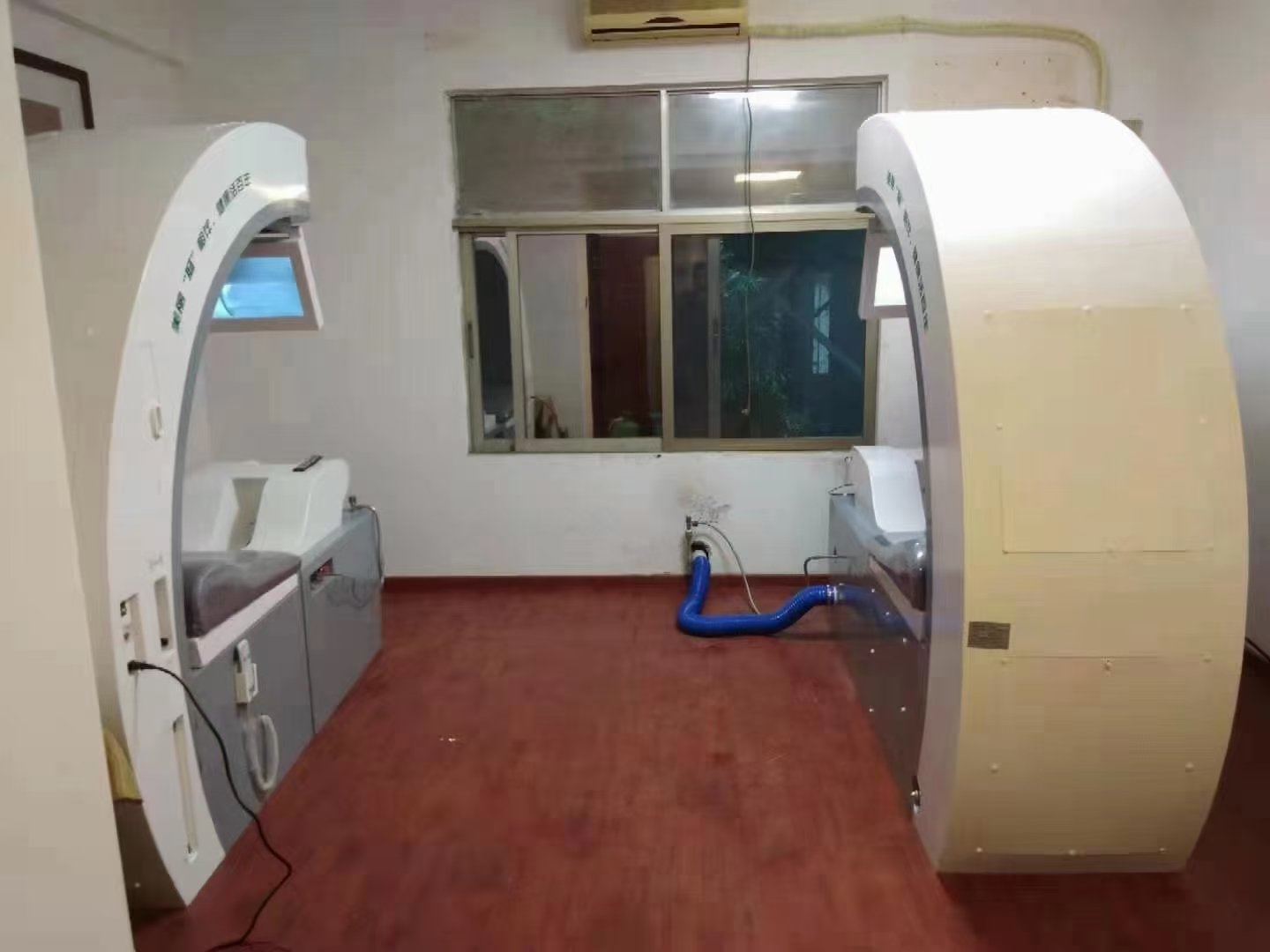
Healthcare professionals investing in colon hydrotherapy equipment need comprehensive understanding of technical specifications, system types, regulatory requirements, and operational features. The terminology used in equipment selection directly impacts purchasing decisions, facility compliance, and service quality.
System Classification and Design Types
Colon hydrotherapy systems fall into two primary categories based on operational design and client experience. Closed systems maintain complete control under practitioner supervision throughout the procedure. Open systems allow more client autonomy with reduced direct practitioner involvement. Each system type serves different clinical philosophies and client preferences.
Closed System Equipment: These units use disposable rectal speculums connecting to controlled water delivery systems. The practitioner regulates water temperature, pressure, and flow rate while monitoring the client throughout the session. Waste exits through the same speculum into closed drainage systems, allowing practitioners to observe elimination without client exposure or odor concerns. Closed systems align with medical protocols and offer precise therapeutic control.
Open System Equipment: Also called gravity-fed systems, these units allow clients to self-insert disposable rectal nozzles and control their own sessions with minimal practitioner intervention. Water flows by gravity rather than pressure, and waste drains into basin systems beneath the client. Open systems emphasize client privacy and autonomy, appealing to those uncomfortable with close practitioner involvement.
Critical Technical Specifications
When evaluating equipment options, healthcare buyers should examine multiple technical parameters that affect safety, efficacy, user experience, and regulatory compliance. We manufacture our MAIKONG MK-series equipment with specifications meeting international medical device standards for markets including the United States.
| Technical Parameter | Clinical Significance | MAIKONG Standard |
| Water Temperature Control | Prevents thermal injury; maintains client comfort | 30-40°C with ±0.5°C precision |
| Water Pressure Regulation | Ensures safety; prevents perforation risk | 0-0.6 PSI adjustable maximum |
| Flow Rate Control | Allows customization for client tolerance | 0-1.5 L/min variable control |
| Water Filtration System | Removes contaminants; ensures water purity | 5-stage purification with UV sterilization |
| Disposable Components | Prevents cross-contamination between clients | Single-use speculums and tubing sets |
| Treatment Duration Timer | Ensures consistent session protocols | Programmable 20-60 minute sessions |
| Emergency Stop Function | Critical safety feature for complications | Immediate flow cessation button |
| Waste Observation Window | Allows practitioner to monitor elimination | Clear viewing chamber with lighting |
| Automatic Cleaning Cycle | Simplifies hygiene protocols between clients | Integrated sanitization system |
| Digital Interface | Intuitive operation; treatment documentation | 15-17″ touchscreen with data logging |
Regulatory Certifications and Compliance Requirements
Medical device regulations vary by country and region, requiring manufacturers to meet specific standards before equipment can be legally sold or operated. US healthcare facilities should verify that equipment holds appropriate certifications demonstrating safety and quality standards compliance.
CE Certification: The European Conformity mark indicates compliance with EU medical device directives. CE certification requires rigorous testing and documentation demonstrating that equipment meets health, safety, and environmental protection standards. Many international markets recognize CE certification as evidence of quality manufacturing.
FDA Registration: In the United States, colon hydrotherapy equipment requires FDA registration as a Class II medical device. Manufacturers must submit 510(k) premarket notifications demonstrating substantial equivalence to predicate devices. FDA registration provides assurance that equipment meets US safety standards for medical devices.
ISO Certification: International Organization for Standardization certifications demonstrate quality management system compliance. ISO 13485 specifically applies to medical device manufacturing. ISO certification indicates systematic quality control processes throughout design, production, and distribution.
SGS Testing: SGS Group provides independent testing, inspection, and certification services verifying product quality and safety. SGS certification adds third-party validation of equipment performance claims and safety specifications.
Operational Features Affecting Clinical Practice
Beyond basic specifications, several operational features significantly impact day-to-day equipment use, staff training requirements, maintenance demands, and client satisfaction. Healthcare buyers should evaluate these practical considerations alongside technical specifications.
Our colonic machine pricing reflects the comprehensive feature sets we include in MAIKONG equipment. Rather than compromising on critical safety and usability features to reduce costs, we optimize manufacturing efficiency to deliver professional-grade equipment at competitive wholesale prices.
- Touchscreen Interfaces: Modern digital controls simplify operation and reduce training time compared to mechanical systems with multiple knobs and dials
- Pre-programmed Treatment Protocols: Standardized settings ensure consistency across operators and reduce user error risks
- Integrated Water Purification: Built-in filtration systems eliminate separate water treatment equipment needs and ensure consistent water quality
- Automated Cleaning Cycles: Self-sanitizing systems between clients reduce labor requirements and minimize human error in hygiene protocols
- Waste Observation Systems: Clear viewing chambers allow practitioners to monitor elimination progress and identify potential concerns without client exposure
- Adjustable Client Positioning: Ergonomic treatment tables with multiple position options accommodate diverse client body types and physical limitations
- Quiet Operation: Sound-dampened pumps and systems create more comfortable, spa-like treatment environments rather than clinical machine noise
- Compact Footprints: Space-efficient designs maximize room utilization in facilities with limited square footage
- Mobile vs. Fixed Installation: Some units offer portability for multi-room use while others require permanent installation for high-volume practices
- Energy Efficiency: Power consumption varies significantly between models, affecting long-term operational costs and environmental impact
Partnership Opportunities: Becoming a MAIKONG Equipment Distributor

The North American market for colon hydrotherapy equipment continues expanding as wellness centers, integrative medical practices, naturopathic clinics, and spa facilities recognize the therapeutic and revenue potential of professional colonic services. This growth creates substantial opportunities for qualified medical equipment distributors to serve regional markets with quality products and support services.
I’ve spent over twelve years at MAIKONG building relationships with distributors across 47 countries, and I’ve learned what makes distributor partnerships successful versus those that struggle. The most effective distribution relationships combine strong manufacturer support with distributor commitment to market development, customer service, and long-term business growth.
Why Healthcare Equipment Distributors Choose MAIKONG
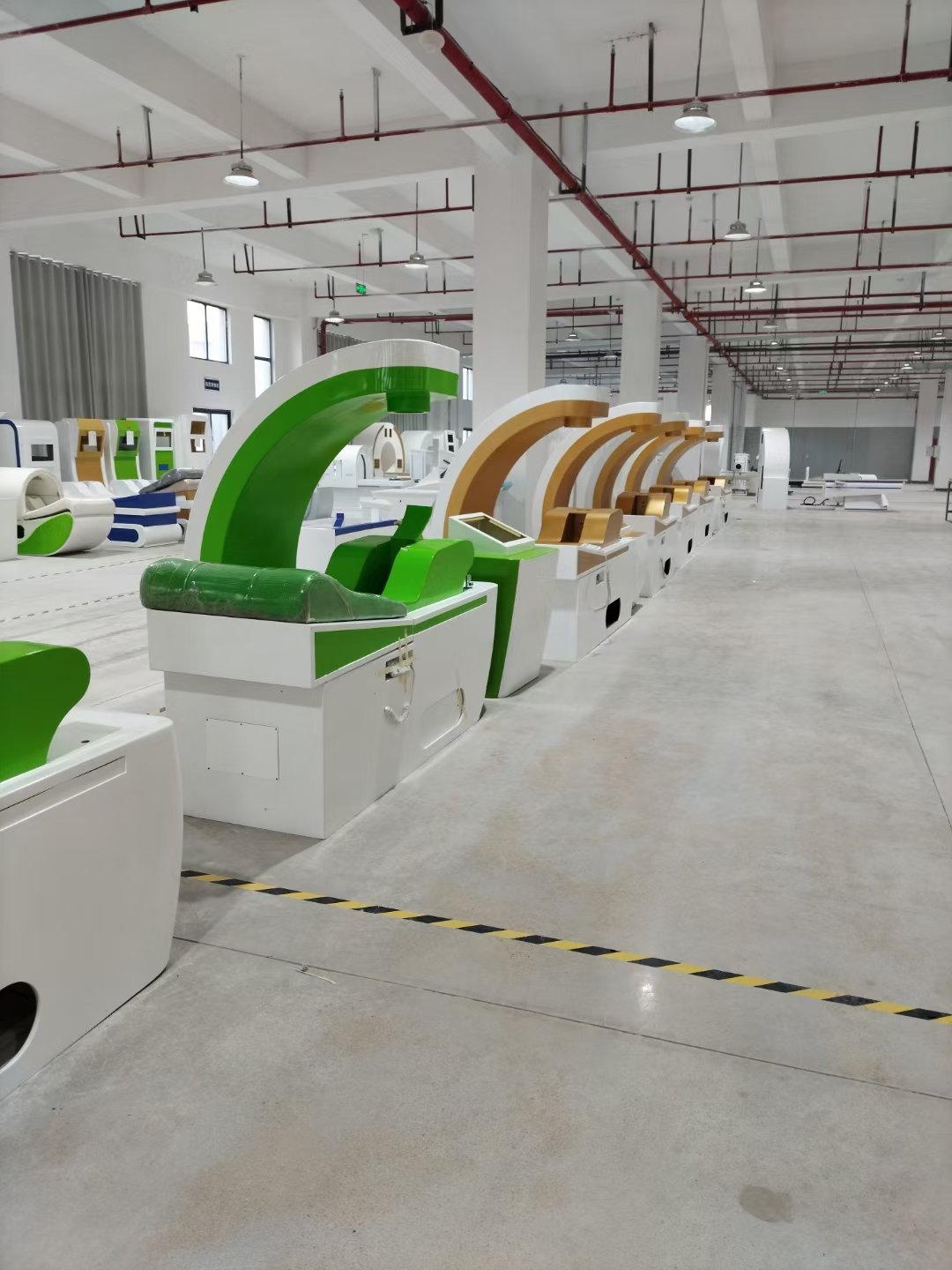
Our Shenzhen, Guangdong manufacturing facilities produce equipment combining advanced technology with reliable performance at price points that create healthy profit margins for distributors while remaining accessible to end-user buyers. Unlike some manufacturers that prioritize either premium positioning or budget segments exclusively, we offer product lines serving multiple market tiers.
Distributor Partnership Benefits
Manufacturer Direct Pricing: Eliminate middleman markups by purchasing directly from our factory. Wholesale pricing structures provide substantial margins supporting your sales efforts, marketing investments, and customer service operations.
OEM and ODM Capabilities: Established distributors can develop private-label equipment with custom branding, colors, and packaging. Our design team collaborates on custom features meeting specific market requirements.
Technical Support and Training: We provide comprehensive training for distributor sales teams and their customers. Technical support continues throughout the product lifecycle with multilingual assistance available during your business hours.
Marketing Materials and Resources: Professional product photography, specification sheets, comparison charts, and educational content support your marketing efforts. We customize materials with your branding for cohesive market presentation.
Fast International Shipping: Our logistics team manages export documentation, customs compliance, and freight arrangements. We work with multiple shipping partners to balance cost and delivery speed based on your priorities.
Quality Certifications: CE, ISO, and SGS certifications provide the credibility your customers require. We assist with additional certification applications for specific regional requirements.
Low Minimum Orders: Unlike manufacturers requiring large container purchases, we accommodate smaller initial orders allowing you to test market response before major inventory commitments.
Flexible Payment Terms: Established distributor relationships qualify for extended payment terms supporting cash flow management. We work with various payment methods including wire transfer, letters of credit, and trade financing partners.
Ideal Distributor Profile and Market Focus
Successful MAIKONG distributors typically possess established presence in healthcare, wellness, spa, or medical equipment industries. Experience selling to our target customer segments provides immediate market access and credibility that accelerates equipment adoption.
Target Customer Segments for US Distributors:
- Colon hydrotherapy clinics and specialists
- Naturopathic medicine practices
- Integrative and functional medicine centers
- Chiropractic offices offering wellness services
- Medical spas and day spas
- Wellness centers and holistic health facilities
- Physical therapy and rehabilitation clinics
- Anti-aging and longevity medicine practices
- Health resorts and destination wellness facilities
- Fitness centers offering recovery services
- Acupuncture and traditional Chinese medicine clinics
- Gastroenterology practices (medical settings)
- Home health equipment for private use
Distributors should understand both wellness industry and medical device sales dynamics. The equipment serves diverse professional environments from licensed medical facilities to complementary health practitioners, requiring sales approaches respecting different regulatory contexts and purchasing processes.
Getting Started: Next Steps for Prospective Distributors
If you operate a medical equipment distribution company, wellness industry supply business, or healthcare product sales organization and want to explore MAIKONG distributor opportunities in your territory, we welcome your inquiry. Our team evaluates potential partnerships based on market coverage, industry experience, customer service capabilities, and long-term business vision alignment.
Connect with MAIKONG’s B2B Distribution Team
Schedule a consultation to discuss distributor opportunities in your market territory. We’ll review product lines, pricing structures, support services, and market potential for your specific customer base.
Our distributor onboarding process includes product training, technical certification, marketing resource access, and ongoing support ensuring your success representing MAIKONG equipment quality and reliability.
Email our international sales team: Lucy@colonicmachine.us
Visit our manufacturer website: colonicmachine.us
Conclusion: The Foundation of Professional Healthcare Communication
Mastering colon health terminology creates the foundation for effective professional communication across medical, wellness, and equipment distribution sectors. Healthcare providers who command precise vocabulary earn client trust, avoid miscommunication risks, and position themselves as knowledgeable authorities in their specialties.
The comprehensive glossary presented here bridges multiple professional contexts—from gastroenterology clinics using medical terminology to wellness centers employing more accessible language with clients. Understanding these variations allows practitioners to communicate effectively regardless of setting or audience.
For healthcare equipment buyers and distributors, terminology knowledge directly impacts purchasing decisions, regulatory compliance, and customer education. Distinguishing between system types, understanding technical specifications, and recognizing quality certifications enables informed equipment investments that serve practitioners and their clients well for years.
This reference document will continue serving your professional development as you encounter new situations requiring precise medical language. Bookmark this comprehensive colon health glossary for quick reference when you need clarification on digestive health terminology, equipment specifications, or industry-standard nomenclature.
The digestive health field continues evolving with new research findings, treatment approaches, and technology innovations. Staying current with terminology updates ensures your communication remains accurate and professional. We regularly update our educational resources at MAIKONG as industry standards progress and equipment technology advances.
Whether you’re a seasoned gastroenterology specialist, an emerging wellness practitioner, a medical equipment distributor evaluating product lines, or a facility owner researching service expansion opportunities, precise terminology knowledge serves as your professional foundation. The investment you’ve made reading this comprehensive glossary will return value throughout your career as you communicate with colleagues, educate clients, evaluate equipment, and grow your practice or business.
For healthcare professionals considering equipment acquisition or distributors exploring manufacturer partnerships, we invite continued conversation about how MAIKONG’s manufacturing expertise, product quality, and distributor support services can contribute to your professional success. Our team combines technical knowledge with practical understanding of the diverse markets our equipment serves worldwide.

Understanding terminology represents just the beginning of professional excellence. Applying this knowledge through ethical practice, continued education, and commitment to client wellbeing ultimately defines successful healthcare careers. We appreciate the dedication you bring to serving your clients and communities, and we’re honored to support your work through quality equipment manufacturing and comprehensive educational resources.