
Categories
- No categories
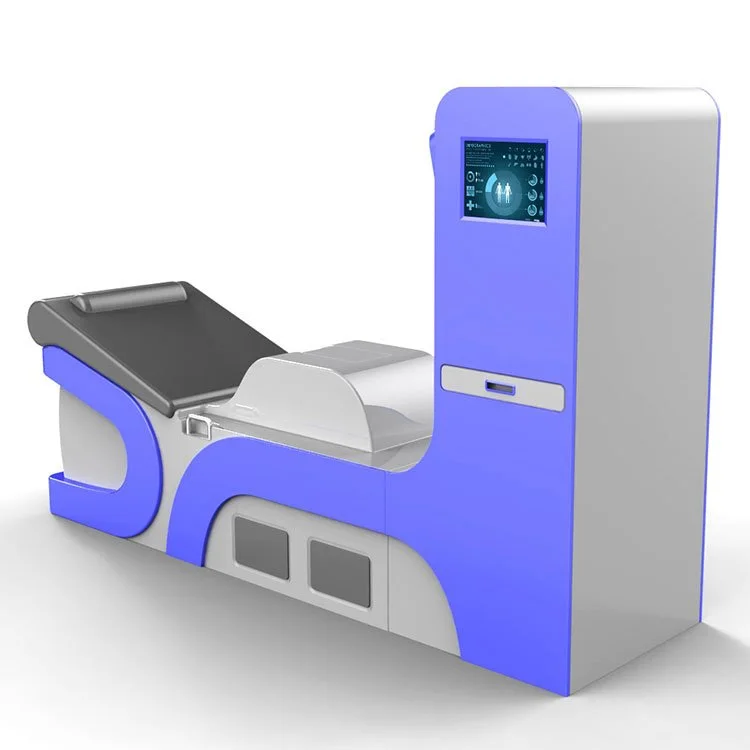
Yes — you can run a practical MAIKONG trade-show demo in the U.S. if the booth is planned to either stage a controlled “wet” closed‑system display where venue utilities and drainage permit, or a “dry” live controls demo that shows all machine functions without using bodily fluids. The core requirements to secure a usable demo are: reserve adequate floor space and sightlines for a bed + console, specify single‑phase power capable of 2000VA, confirm water supply and drainage or accept a sealed waste capture plan, and script demos that separate feature displays (pressure, temperature, dual‑screen operation) from clinical procedure content. Below we map MAIKONG product facts to practical decisions you must make on budget, booth layout, staffing and regulatory acceptance.
Yes — with careful planning. For trade shows that permit on‑floor plumbing and greywater, you may stage a closed‑system demo showing the bed and machine operating with clean water and an isolated waste path. If the venue forbids plumbing or has strict medical-device rules, run a dry demonstration: power the system, show the dual screens and controls, demonstrate simulated pressure and flow readings, and use a sealed demo cassette to show pipeline cleaning and disposables functions. Either approach must match the venue’s utility offers and your booth acceptance paperwork.
Key machine facts you should confirm with the show organiser before contracting space: the MAIKONG units require power up to about 2000VA (confirm circuit provisioning) and are designed for 110V–220V operation with a specified water temperature and flow range that you will either need to provide or simulate on the floor. See the product specification table below for the facts distributors commonly ask about. (We reference MAIKONG product data used in planning.)
Distributors need prospects to walk away with three credible takeaways: the equipment’s clinical/operational controls are intuitive and robust; the system has safe, integrated waste handling; and installation requirements are realistic for their clinics or spas. On‑floor messaging should therefore show the control screens, pressure and temperature limits, how disposables are fitted and removed, and the bed/sewage integration if the machine configuration includes it. Avoid treating the booth as a treatment room; position it as an installation and workflow proof of concept.
Use a compact comparison to answer the usual buyer checks at the booth: footprint, electrical load, water specs, bed/main machine sizes, and installed safety features. Below we compare two MAIKONG records often used for demos.
We quoted MAIKONG product data for planning: MK-560 and MK-530 specifications (sizes, power, flow and temperature ranges, packaging, and main configuration features) that distributors typically require when requesting booth utilities and crating. Those product facts are company-supplied and should be used to create your show order and insurance paperwork; confirm final unit serial data on shipment. (data-fact-id=”123″, data-fact-id=”126″)
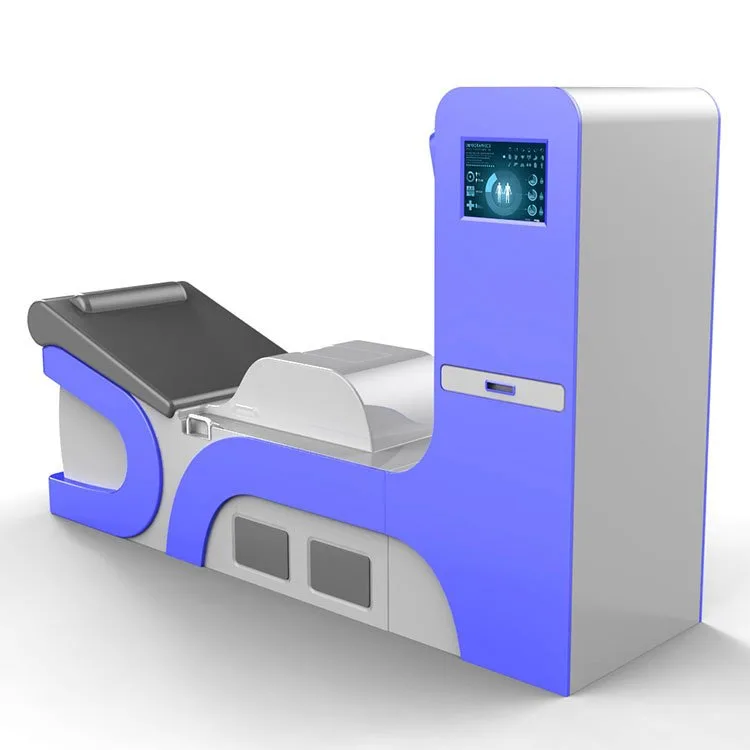
We can provide illustrative images of a closed‑system unit for your booth visuals; ask for the factory photography set if you need large prints. (data-asset-library-id=”21124″)
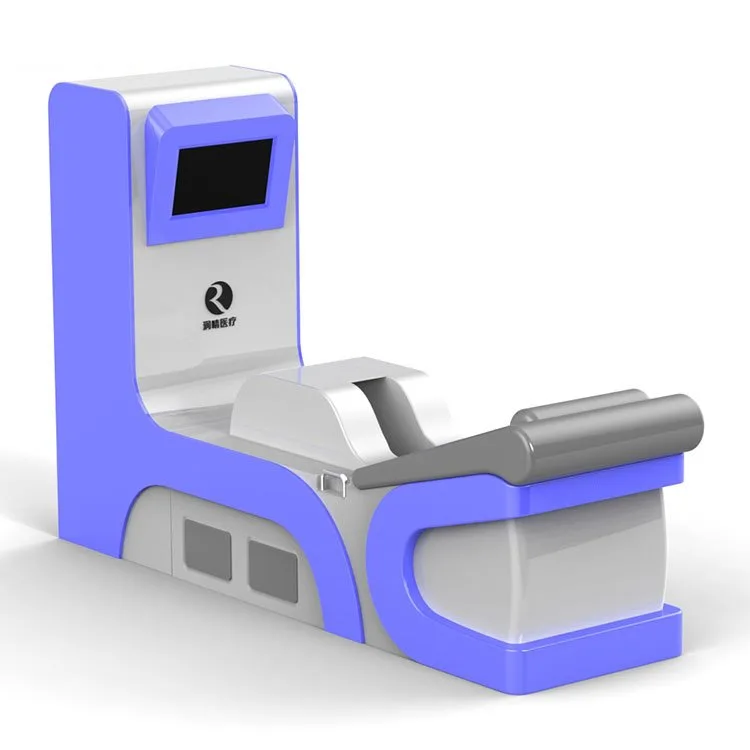
Minimum workable footprint for a demo that presents both bed and console is 10 × 10 ft (3 × 3 m), but a corner or island 10 × 20 ft gives better sightlines and an area to stage utilities and a private consultation nook. Position the bed with the operator console facing the aisle so staff can demonstrate screens without turning their back to visitors. Keep a 1.0–1.5 m clear zone around the bed for safe access. If you plan a wet demo, allocate extra space for a sealed waste container, external wiping station and PPE storage.
Practical items to order from the show organiser:
We emphasise verifying venue electrical and plumbing rules early—the account does not include local electrical/installation code coverage and you must secure official sign‑offs from the organiser.
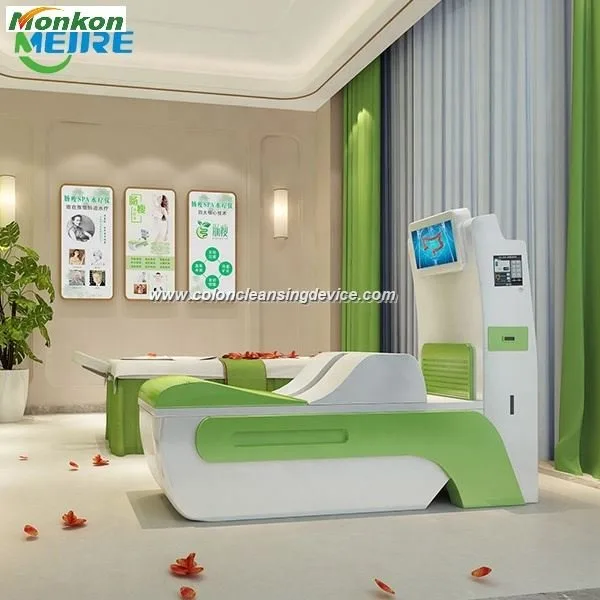
Options ranked by practicality and compliance:
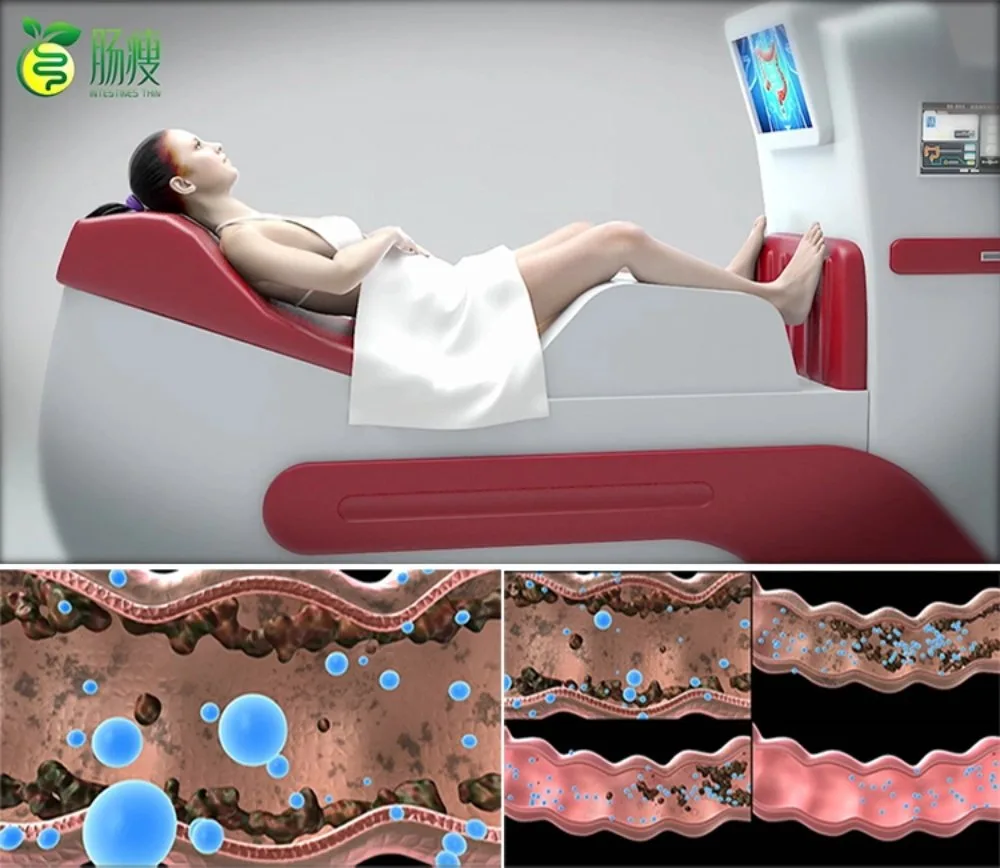
We recommend showing functional controls, dual‑screen operation, alarm and safety interlocks, pipeline cleaning and the disposable guide head handling live. Simulate patient procedures and bodily outputs. Demonstrate the machine’s automated safety stops (over‑pressure/over‑temperature) using simulated load or demo modes rather than human volunteers. This communicates operational confidence without triggering venue medical device restrictions.
Use the declared package sizes and volumes when booking freight and booth handling: for example, MAIKONG packaging has three crated items listed per unit and volume ~2.89 m³ (confirm with final packing list). Some models will arrive as separate bed + main console crates; check weights and ask for a skid or pallet that fits show forklift and on‑site handling rules. Provide the show organiser with crate dimensions and a bill of lading before move‑in.
Staffing roles you should plan for:
Script highlights: start with installation footprint and power needs; show the dual‑screen UI and explain the automated safety stops and how disposables are replaced; discuss bed/sewage options; close by qualifying the buyer’s site (clinic vs spa) and scheduling a site survey or quote. Keep clinical procedure language high‑level and redirect medical questions to the model manual or a qualified practitioner.
Minimum checklist items:
Venue rules vary widely. Some U.S. trade shows explicitly prohibit demonstrations that discharge liquid of any kind; others allow plumbing with environmental health approvals. Our product facts list voltage and power ranges, water temperature and flow specifications, and built‑in sewage options, but they do not replace venue permits or local code review. Also confirm final machine serial data and shipping weights on the sales order — the product pack contains several packaging units per machine and a non‑zero freight volume. Finally, we do not provide medical guidance on on‑site procedures; consult the model manual or a qualified clinician for clinical protocols.
Pre-show: test machine boot, dual screens, alarm modes, pipeline auto‑clean, and disposables fit on a bench. Verify power draw with an amp meter. Confirm crate contents against the packing list.
Day‑of setup checklist:
Capture leads with a short qualification form: site type (clinic/spa), planned room size, available utilities (voltage, plumbing), desired configuration (bed + sewage built‑in or console only), and procurement timeline. Offer two follow‑up options: 1) a site‑survey and installation quote, 2) a remote demo with unit tech and local electrical/plumbing checklist. For collateral, provide:
If you need a customised demo configuration and a move‑in checklist for a specific U.S. show, request a demo‑configuration quote from us including the machine model, whether you want a wet or dry demo, and your proposed booth utilities. Email lucy@comparable provider.us or WhatsApp/phone +86 13570907401 to start; include the show name, move‑in date and booth number so we can prepare accurate packing lists and a technical rider.
Q: Can MAIKONG units run on standard U.S. power supplies?
A: MAIKONG product records list 110V–220V ranges; confirm the machine variant and the show’s circuit specification before ordering power. (data-fact-id=”123″ data-fact-id=”126″)
Q: Do you recommend bringing a spare disposable guide head or peristaltic pump parts?
A: Yes. Bring consumable spares for any demo that may run multiple times per day; list of recommended spare consumables should be requested with the demo order.
This content is provided for learning, information sharing and professional communication only. It is not medical advice and is not a basis for treatment or diagnosis. Confirm suitability, operation and purchasing requirements against the product manual, local regulations and qualified professional guidance.
Email: lucy@comparable provider.us
WhatsApp / Phone: +86 13570907401
Learn more about MAIKONG: About MAIKONG
This content is provided for learning, information sharing and professional communication only. It is not medical advice and is not a basis for treatment or diagnosis. Confirm suitability, operation and purchasing requirements against the product manual, local regulations and qualified professional guidance.
