
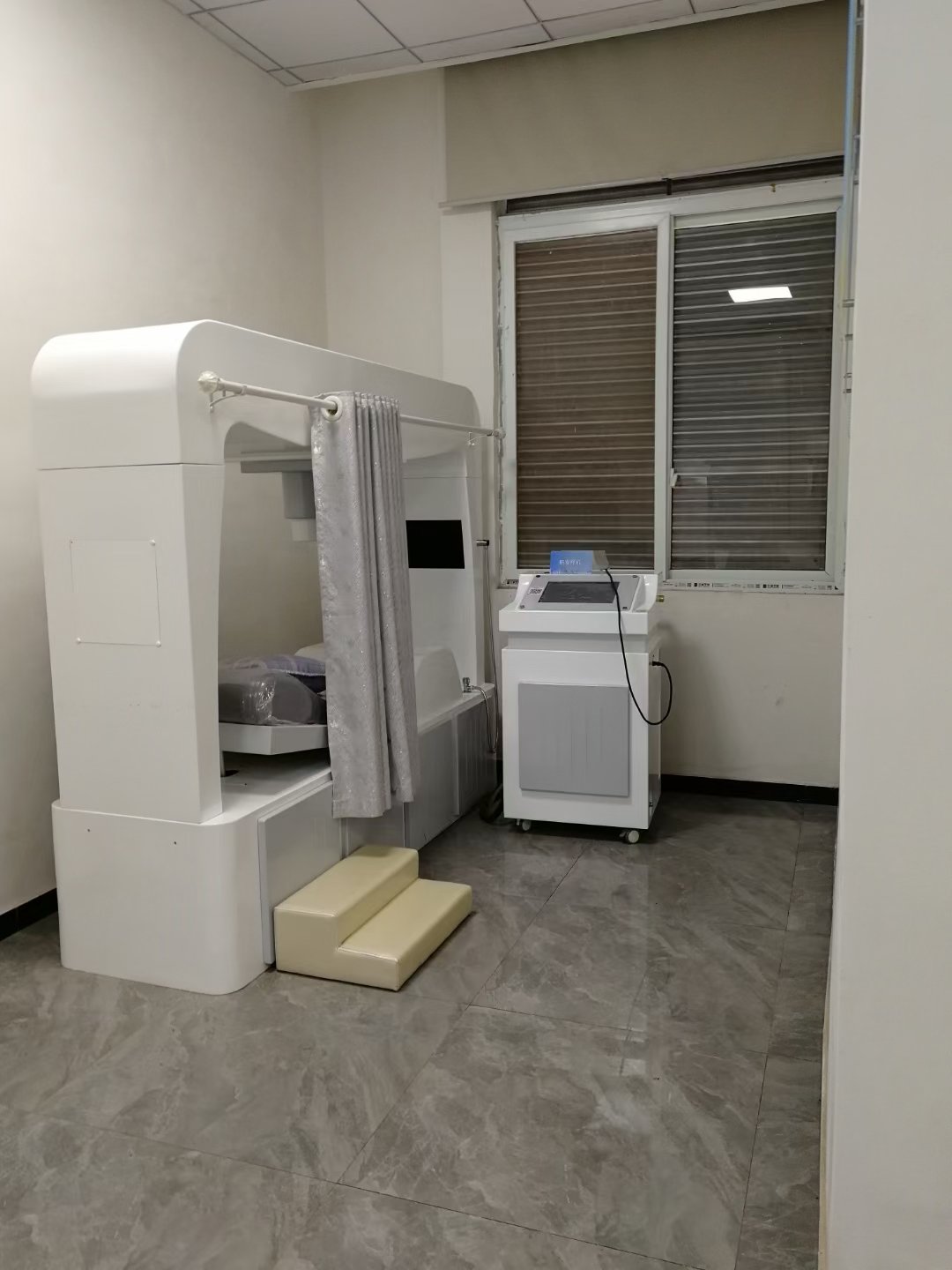
 Understanding the Libbe brand matters because this system introduced the concept of client-controlled, open hydrotherapy sessions without therapist intervention for the entire process. For wellness center owners evaluating equipment investments between $8,000 and $15,000, knowing what distinguishes authentic Libbe devices from alternatives helps make informed purchasing decisions. As a manufacturer of professional colon hydrotherapy equipment at MAIKONG, we’ve studied the Libbe system extensively to understand what makes it successful in clinical settings.
This comprehensive analysis draws from real-world clinic usage, technical specifications, and market positioning to give you actionable insights whether you’re opening your first hydrotherapy practice or expanding an existing wellness operation.
The Libbe Brand: Origins and Evolution of Open-System Hydrotherapy
The Libbe system emerged from a simple observation: traditional closed-system colonics created privacy concerns and comfort issues for many clients. The Libbe device addressed these challenges by introducing an open system where water flows continuously while waste evacuates naturally around a small rectal tube. This fundamental design shift changed how practitioners and clients approached colon hydrotherapy sessions.
What Makes the Libbe System Different
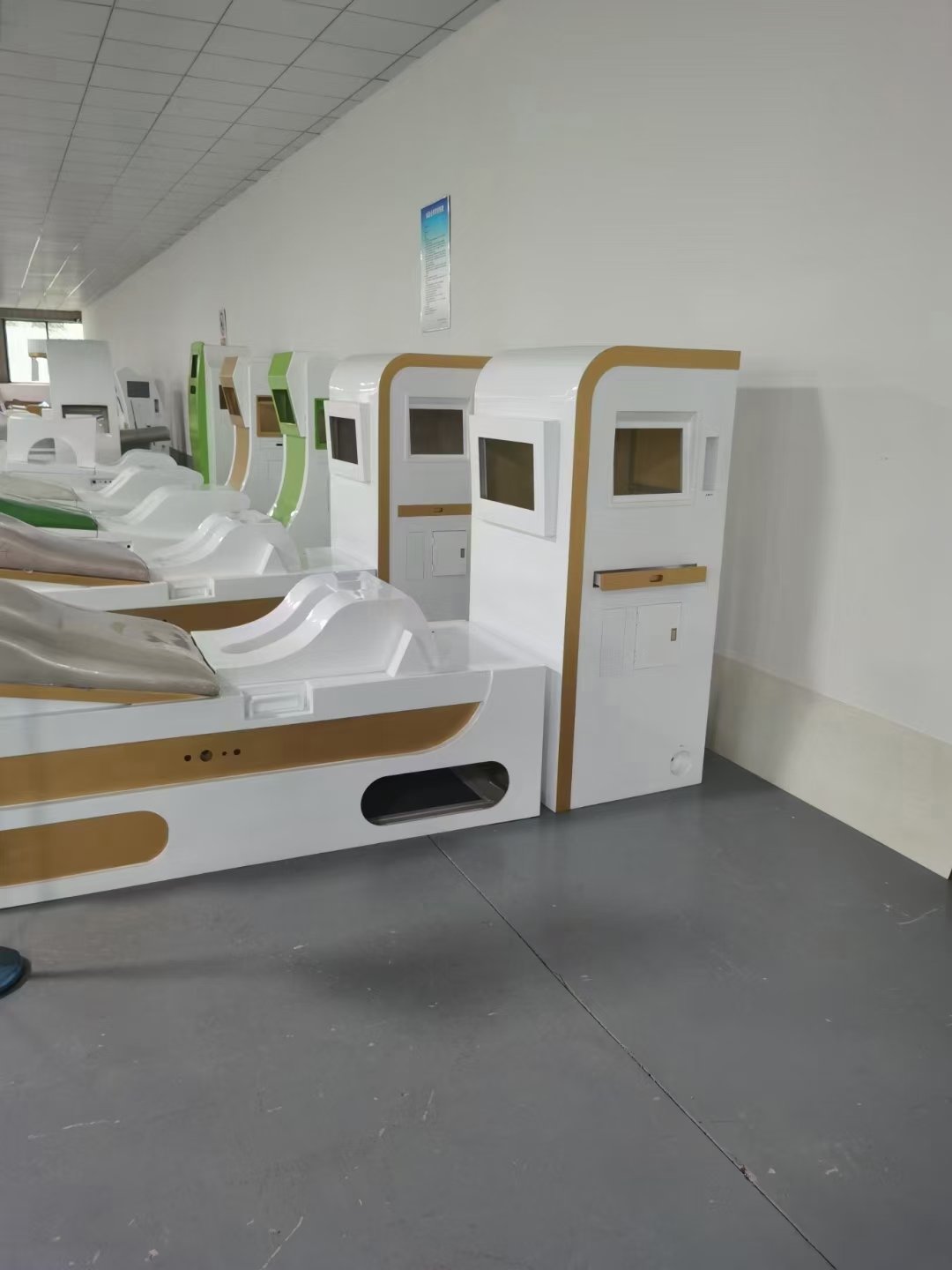
The Libbe colonic machine stands apart through several core design principles. First, the system uses gravity-fed water delivery rather than high-pressure pumps found in closed systems. Water temperature stays regulated between 99°F and 103°F throughout the session, maintaining comfort and safety. The rectal tube diameter measures significantly smaller than traditional colonic nozzles, reducing insertion discomfort.
Second, the Libbe device prioritizes client privacy and dignity. Sessions occur in private rooms without continuous therapist presence. Clients control the water flow using a simple valve system, adjusting pressure and volume according to their comfort level. This self-administered approach reduces embarrassment that prevented some individuals from trying colon hydrotherapy.
Third, the system incorporates an odor-control mechanism. The waste tube connects to a sealed viewing chamber where clients and therapists observe what passes during the session. From there, waste flows directly to building plumbing. This closed drainage system eliminates the unpleasant smells associated with older colonic methods. Sessions typically last 30 to 45 minutes, longer than closed-system colonics that usually run 20 to 30 minutes.
Libbe’s Market Position and Recognition
Within the colon hydrotherapy industry, the Libbe name became nearly synonymous with open-system hydrotherapy. Many practitioners refer to any open-system device as a “Libbe system” even when using other brands, similar to how people say “Kleenex” for facial tissue. This brand recognition creates advantages but also means buyers must verify they’re purchasing authentic Libbe equipment versus imitation devices.
The system gained acceptance across various practice types. Natural health clinics adopted it for detoxification protocols. Chiropractors integrated it into holistic wellness programs. Medical spas added colon hydrotherapy to complement other beauty and wellness services. Even some gastroenterology practices incorporated gentle hydrotherapy for specific conditions when recommended alongside conventional treatments.
Libbe Colonic Machine Models and Technical Specifications
Understanding the technical details of Libbe equipment helps buyers evaluate whether these machines meet their practice requirements. The specifications directly impact treatment effectiveness, maintenance needs, and long-term operational costs.
Core Libbe System Components
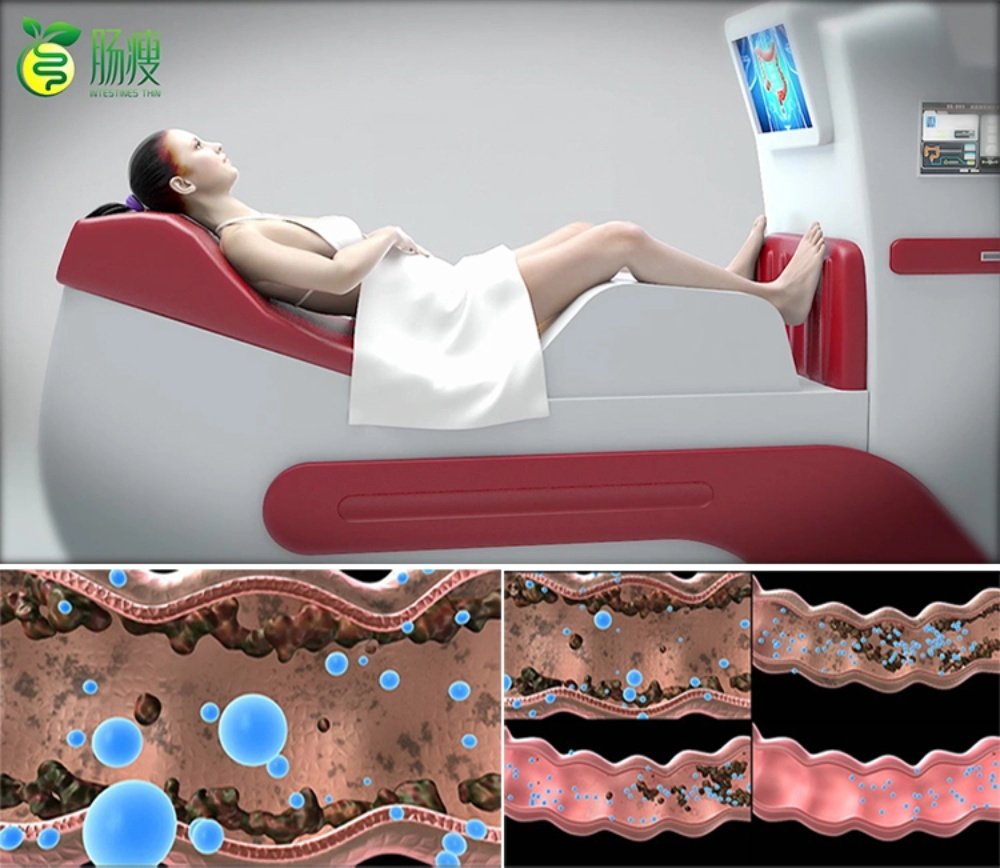
Every Libbe colonic machine includes several essential subsystems working together. The water purification system filters municipal water through multiple stages, removing chlorine, sediment, and potential contaminants before the water enters the client’s colon. Temperature regulation maintains precise control, preventing the discomfort of water that’s too cold or the safety risk of water that’s too hot.
The basin component resembles a conventional toilet but sits elevated on a platform. This elevation allows gravity to assist the hydrotherapy process. The basin includes the small rectal tube permanently attached, eliminating the need for therapists to handle insertion equipment. Clients position themselves comfortably on the basin and gently insert the pencil-thin tube approximately 2 inches.
The control panel typically features simple on/off switches for water flow rather than complex digital interfaces. This simplicity reduces training time for new staff and minimizes technical failures. The viewing tube connects to the basin and allows observation without odor exposure. The entire system connects to standard plumbing for fresh water supply and waste disposal.
Standard Libbe Device Specifications
| Specification Category | Standard Libbe System | Clinical Significance |
| Rectal Tube Diameter | Approximately 3/4 inch outer diameter | Smaller than closed-system nozzles for comfort |
| Water Temperature Range | 99°F to 103°F (adjustable) | Body-temperature water prevents cramping |
| Water Pressure | Gravity-fed (low pressure) | Gentler than pump-driven systems |
| Session Duration | 30 to 45 minutes typical | Longer than closed-system sessions |
| Water Filtration | Multi-stage carbon and sediment | Removes chlorine and impurities |
| Power Requirements | Standard 110V electrical | No special electrical installation needed |
| Water Connection | Standard 1/2″ supply line | Connects to existing plumbing |
| Waste Disposal | Direct to building drain system | No waste tank to empty |
Variations and Configurations
While the basic Libbe system follows a standard design, buyers encounter some variations in the market. Certain models include upgraded basins made from different materials or featuring enhanced ergonomic shaping. Some versions incorporate digital temperature displays rather than analog gauges. A few configurations offer two-station setups where one water system serves two treatment rooms, reducing equipment costs for larger practices.
The viewing chamber also sees variations. Basic models use clear tube sections where waste passes by quickly. Enhanced versions include illuminated viewing chambers with better visibility. Some systems incorporate brief waste retention chambers that allow both therapist and client to observe what passes before it continues to the drain.
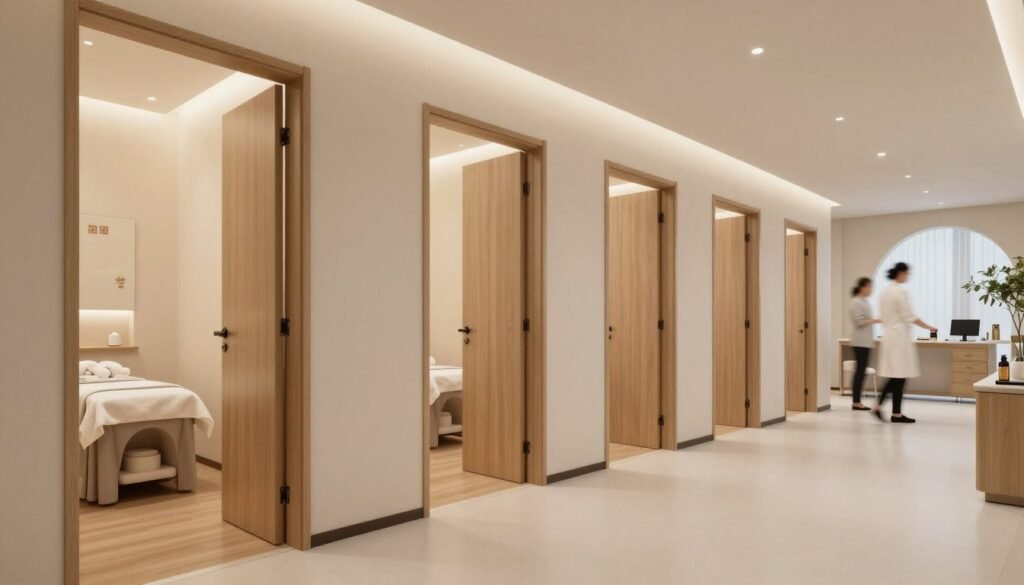
Installation requirements remain fairly consistent regardless of model variations. The system needs a dedicated treatment room with water supply access, drainage connection, and electrical outlet. Room size should accommodate the basin unit plus space for client privacy and therapist consultation areas. Ventilation helps maintain freshness even though the odor control system handles most smells.
Need Detailed Libbe System Specifications?
Our technical team at MAIKONG provides comprehensive equipment specifications, installation requirements, and comparative analysis for health professionals evaluating colonic machine options. We manufacture professional-grade systems comparable to leading brands with the advantage of direct factory pricing.
How the Libbe Colon Hydrotherapy System Works
Understanding the operational process helps clinic owners train staff properly and set accurate client expectations. The Libbe session follows a straightforward sequence that clients quickly learn to manage.
The Libbe Session Process
Sessions begin with client preparation. Unlike traditional colonics requiring enemas or fasting beforehand, Libbe sessions work best when clients follow normal eating patterns. The therapist conducts a brief health history review, explaining the process and answering questions. Clients then enter the private treatment room and change into appropriate covering.
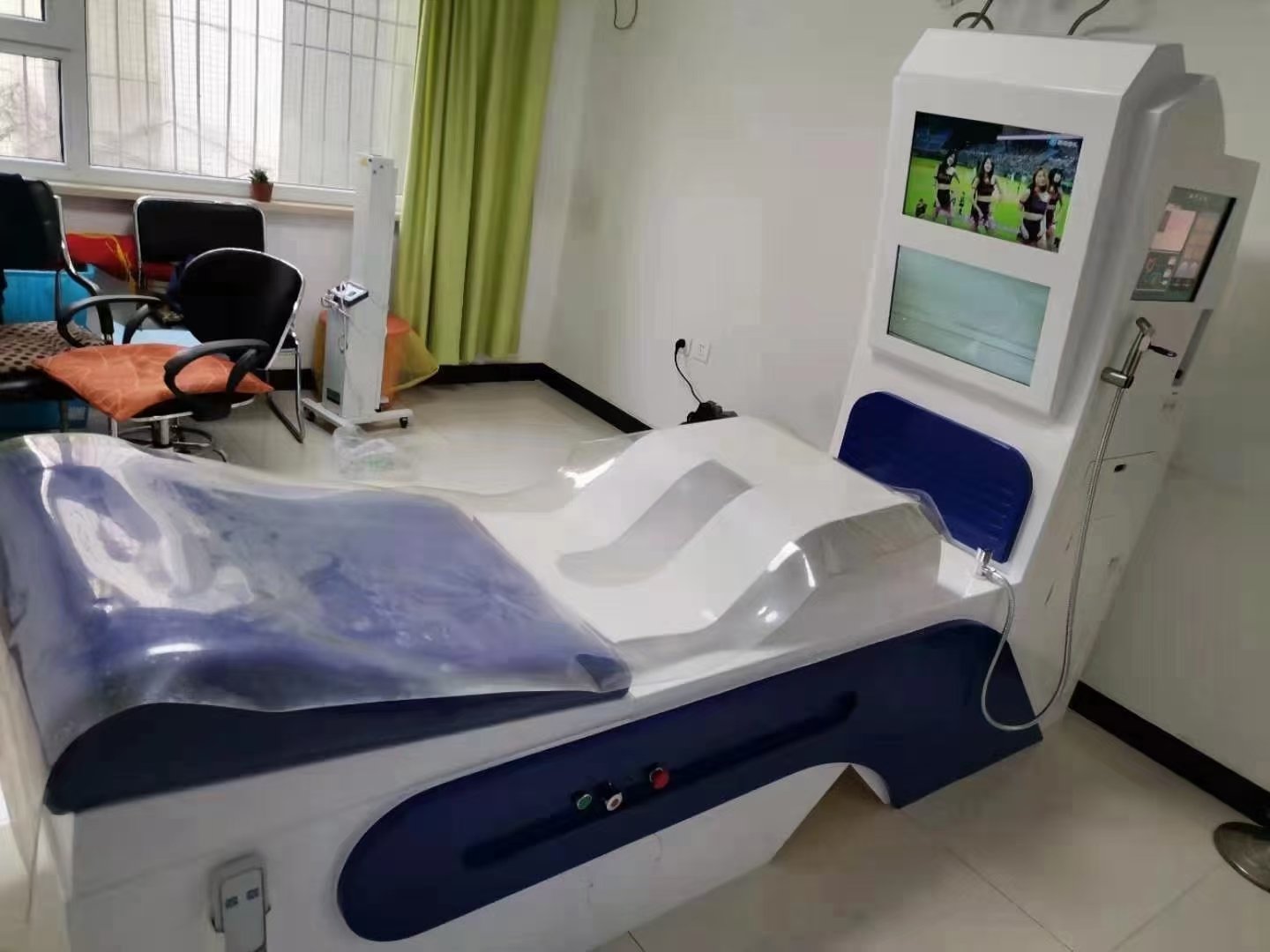
The client positions themselves on the basin in a reclined, comfortable posture similar to sitting on a specially designed chair. They gently insert the small rectal tube, which causes minimal discomfort due to its pencil-thin diameter. Once positioned, the client signals readiness and the therapist starts the temperature-regulated water flow from an external control.
Water enters the colon gradually. As the colon fills, the client experiences a sensation of fullness similar to needing a bowel movement. Unlike closed systems where therapists control fill-and-release cycles, the Libbe device allows continuous flow. Waste passes around the tube naturally, evacuating while fresh water continues entering. This simultaneous fill-and-release process defines the open-system approach.
Clients control their experience by adjusting body position and using abdominal massage to encourage thorough cleansing. The therapist may enter the room periodically to check comfort levels and observe what passes through the viewing chamber, but clients maintain privacy throughout most of the 30 to 45-minute session. The gentle, gravity-fed water pressure means clients rarely experience the cramping associated with high-pressure systems.
Safety Features and Client Comfort
The Libbe system incorporates multiple safety mechanisms. Temperature sensors prevent water from exceeding safe levels even if the heating element malfunctions. The low-pressure, gravity-fed design eliminates the risk of colon perforation that theoretically exists with high-pressure systems. The small tube diameter reduces insertion trauma compared to larger nozzles.
Client comfort receives priority through several design elements. The basin’s ergonomic shape supports relaxed positioning during the session. Adjustable water temperature lets clients find their optimal comfort range within the safe temperature window. The odor control system maintains a fresh room environment, addressing one of the main embarrassment factors preventing people from trying colon hydrotherapy.
Privacy represents perhaps the biggest comfort advantage. Clients manage their own session without the continuous presence of a therapist observing intimate bodily functions. This privacy reduction in embarrassment makes the Libbe system particularly appealing for first-time colon hydrotherapy clients who might avoid traditional closed-system sessions.
Alternative Colonic Machine Brands and Systems
Smart buyers compare multiple brands before making significant equipment investments. While the Libbe device pioneered open-system hydrotherapy, several alternative manufacturers now offer competitive systems with different features and price points.
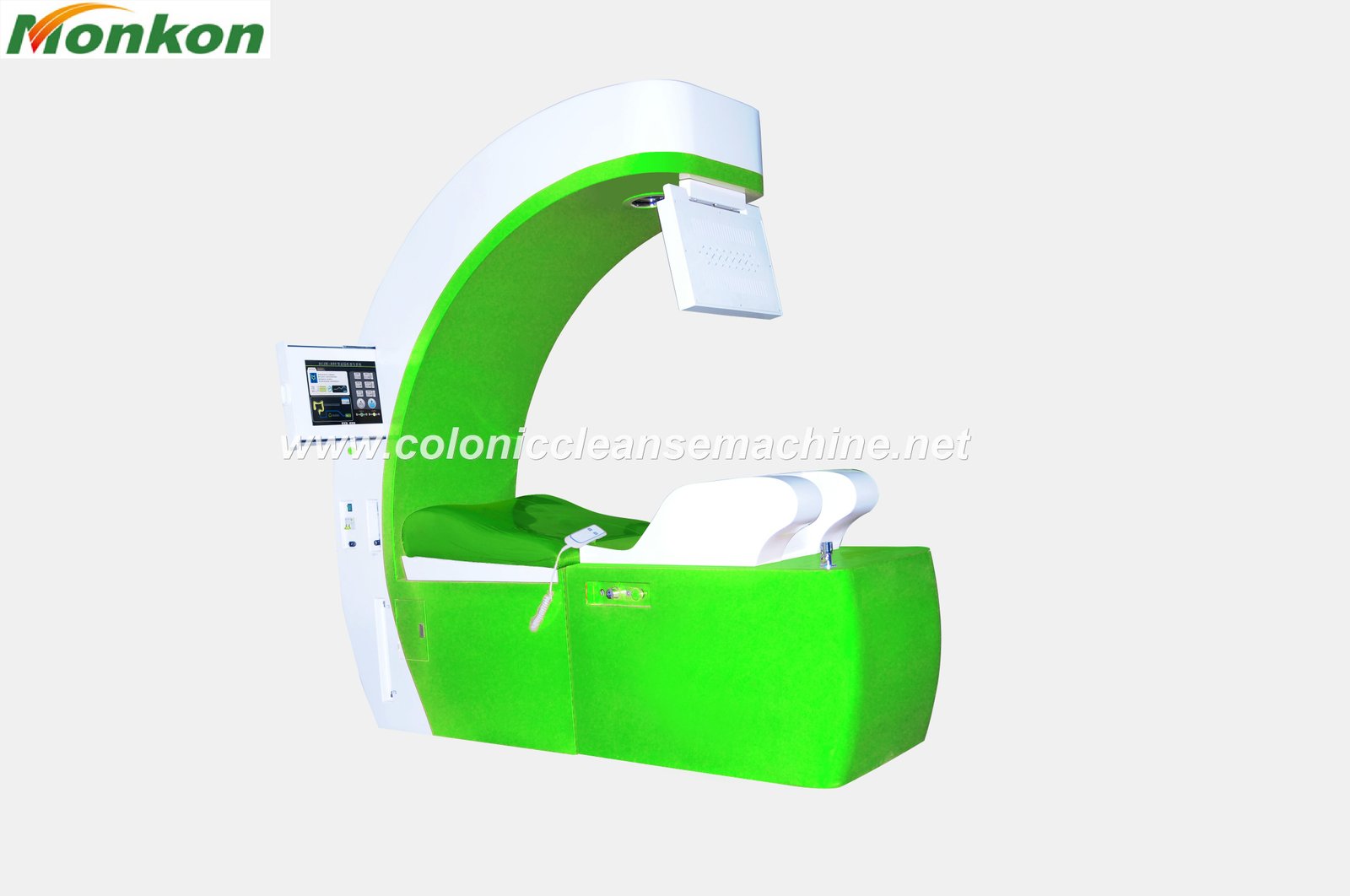
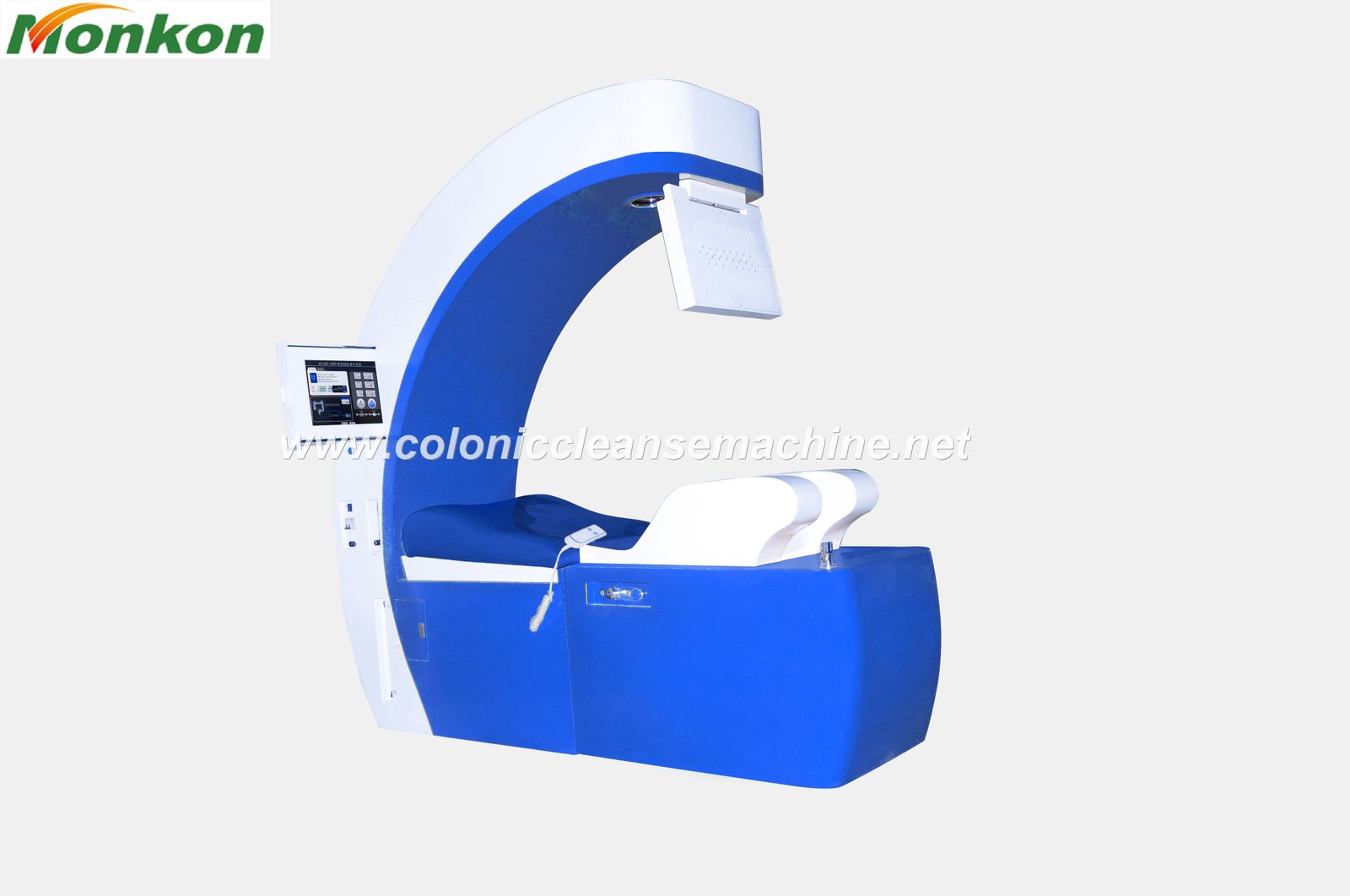
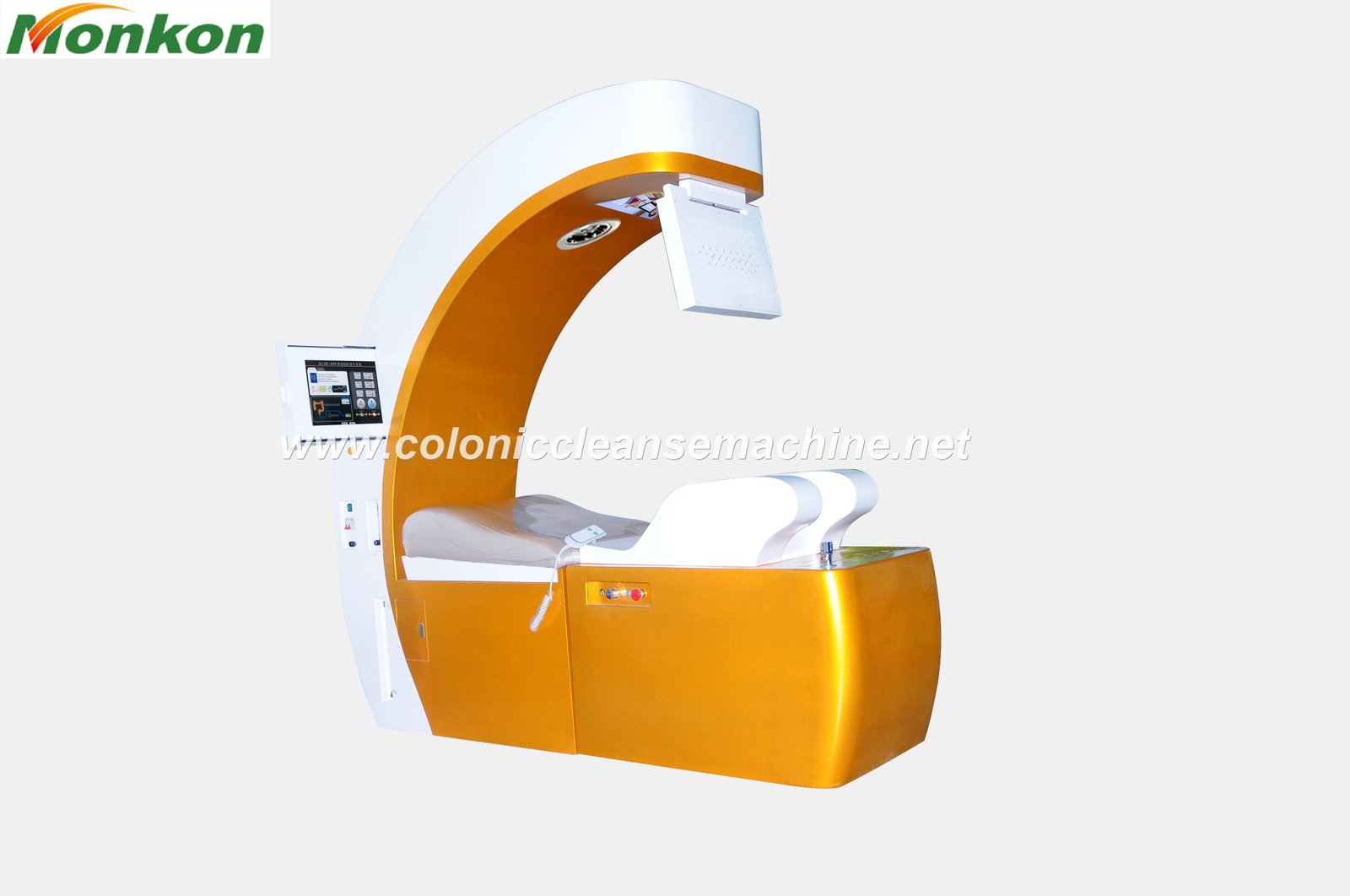
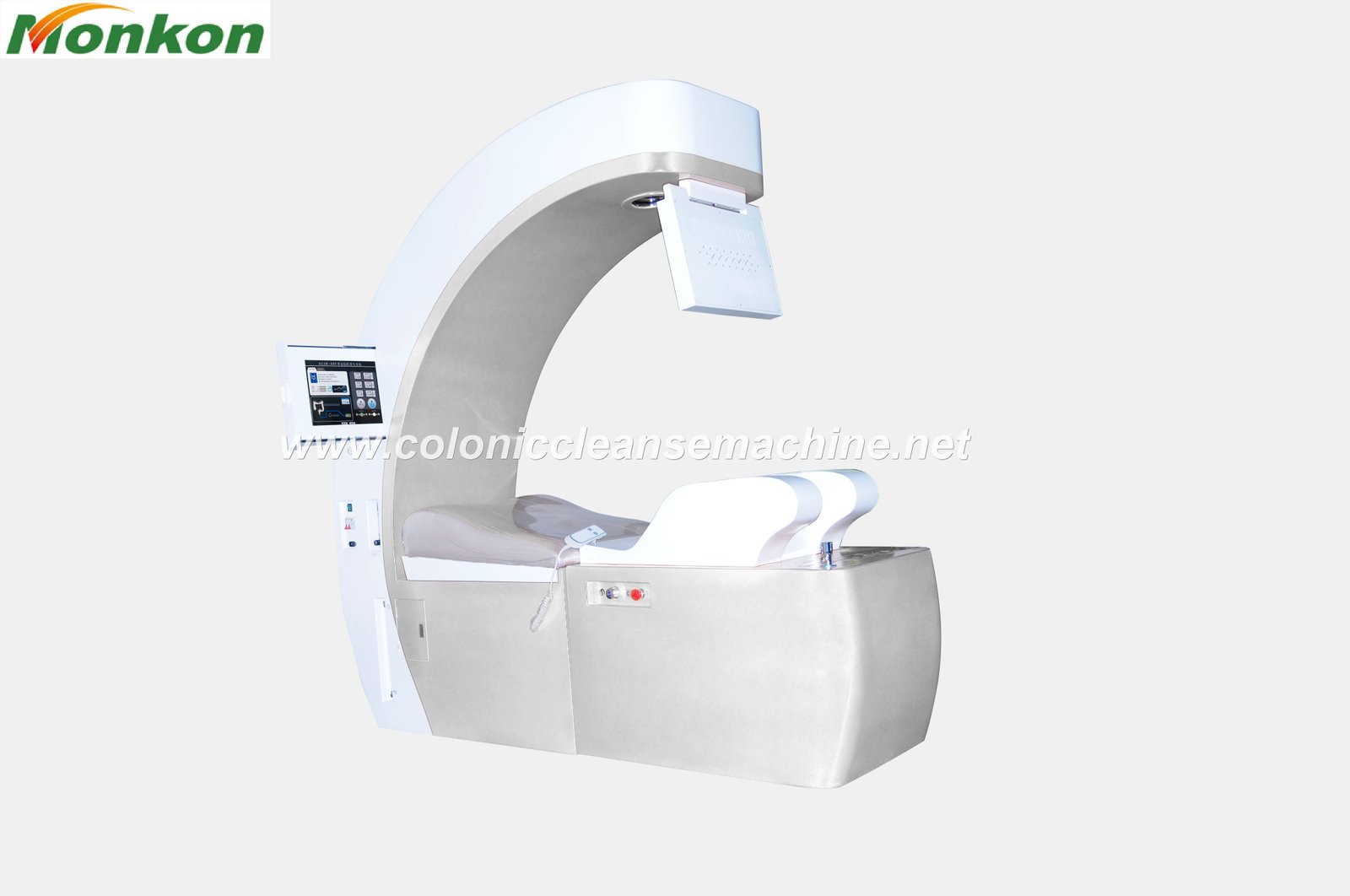
Open-System Alternatives
The Angel of Water colonic machine represents a direct competitor in the open-system category. This system follows similar principles to the Libbe device with gravity-fed water flow and client-controlled sessions. Some users prefer the Angel of Water for its slightly different basin ergonomics or enhanced viewing chamber design. Pricing typically falls in a comparable range to Libbe systems.
The Toxygen colonic machine offers another open-system option with a focus on oxygen therapy integration. This system infuses oxygen into the water supply, based on theories that oxygenated water provides additional health benefits during colon cleansing. The additional oxygen generation equipment increases both initial cost and maintenance requirements compared to standard open systems.
Several newer manufacturers produce open-system devices that replicate the Libbe approach at lower price points. These systems may use slightly different materials, simplified control systems, or basic viewing chambers. While the cost savings attract budget-conscious buyers, long-term durability and customer support quality vary significantly between manufacturers.
Closed-System Options
The Dotolo colonic machine represents the premium closed-system category. These devices feature therapist-controlled fill-and-release cycles using pump-driven water delivery. Closed systems allow more precise control over pressure and volume, which some therapists prefer for specific clinical applications. The equipment costs typically exceed open systems, and the requirement for continuous therapist involvement increases labor costs per session.
The Hydro San colonic machine provides another established closed-system option. This brand emphasizes medical-grade construction and precise pressure regulation. Practices focusing on therapeutic colon hydrotherapy for specific medical conditions sometimes prefer closed systems for the greater control they provide, despite the higher operational costs.
Specialty and Hybrid Systems
Some manufacturers position their equipment between open and closed categories. These hybrid systems might use therapist control during initial filling phases, then switch to client control for the evacuation phase. Others incorporate features from both approaches, such as pump assistance combined with client-operated valves.
The decision between system types depends on your practice model. Wellness centers and spas focusing on general detoxification typically prefer open systems like the Libbe device for their privacy and efficiency advantages. Medical practices providing hydrotherapy as part of treatment protocols may select closed systems for their precision. Understanding your target clientele and service model guides equipment selection more than brand names alone.
Libbe System Advantages
- Client privacy and dignity throughout session
- Minimal therapist labor per treatment
- Gentle gravity-fed water pressure
- Longer session duration for thorough cleansing
- Strong brand recognition and market acceptance
- Effective odor control system
- Small tube diameter for comfort
- Simple operation with minimal training
Libbe System Considerations
- Higher initial equipment cost than basic models
- Requires dedicated plumbing installation
- Less therapist control than closed systems
- May not suit all clinical applications
- Tube design requires careful client instruction
- Viewing chamber maintenance important
- Brand premium in pricing
- Some clients prefer more therapist guidance
Critical Procurement and Purchasing Considerations
Buying a colonic machine represents a significant investment requiring careful evaluation beyond just comparing prices. Smart procurement considers total cost of ownership, support quality, and alignment with your business model.

New Equipment Pricing and Cost Factors
New Libbe colonic machines typically range from $10,000 to $15,000 depending on configuration and included features. This price generally covers the basic system including basin, water purification and heating components, viewing chamber, and standard installation kit. Additional costs often arise from:
- Professional installation and plumbing connections ($500 to $2,000 depending on existing infrastructure)
- Extended warranty coverage beyond standard one-year terms
- Additional water filtration upgrades or replacement filter supplies
- Room preparation including ventilation improvements and privacy features
- Initial supplies of disposable sanitary covers and cleaning solutions
- Staff training programs from manufacturer or third-party educators
Compare these figures against alternative brands offering similar open-system functionality at $7,000 to $12,000. The price difference reflects brand recognition, material quality differences, and warranty terms. Evaluate whether the Libbe brand name justifies the premium in your specific market.
Used and Refurbished Equipment
The secondary market offers used Libbe systems at substantial discounts, typically 40% to 60% below new equipment prices. However, buying used equipment carries risks that demand careful evaluation. Older units may lack modern safety features or comply with current sanitation standards. Previous owners might have deferred maintenance, leading to hidden repair needs.
When considering used equipment, insist on complete service records showing regular maintenance. Inspect the basin and viewing chamber carefully for cracks or material degradation. Test all water heating and temperature control functions. Verify that replacement parts remain available for older models, as some manufacturers discontinue support for equipment beyond certain ages.
Refurbished equipment from reputable dealers offers a middle ground between new and used. These units receive professional inspection, replacement of worn components, and typically include limited warranties. Prices usually fall 20% to 35% below new equipment while providing greater reliability than private-party used sales.
Evaluating Manufacturer Support and Warranty
Equipment warranties matter significantly for devices with complex plumbing and heating systems. Standard warranties cover one year for parts and labor, but carefully review what the warranty excludes. Many manufacturers void warranties if non-certified technicians attempt repairs or if recommended maintenance schedules aren’t followed.
Technical support accessibility impacts your operational capability. Verify that the manufacturer provides phone support during your business hours. Ask about typical response times for technical questions and repair parts ordering. Some brands include remote troubleshooting via video calls, while others require on-site service visits that cause treatment room downtime.
Replacement parts availability deserves investigation before purchase. Water filters, heating elements, and viewing chamber components require periodic replacement. Confirm that these consumables remain readily available and reasonably priced. Some manufacturers create vendor lock-in through proprietary parts that only they supply at premium prices.
Certification and Regulatory Compliance
In the United States, colon hydrotherapy equipment falls under various regulatory considerations. While the FDA doesn’t currently mandate specific approvals for hydrotherapy devices marketed for general wellness, equipment should meet electrical safety standards and water quality requirements. Some insurance companies require certification marks like ETL or CE for liability coverage.
Individual states regulate colon hydrotherapy practice differently. Certain states require practitioners to hold specific licenses before operating any colonic equipment. Others permit practice by various healthcare professionals without additional certification. Verify your state’s requirements before investing in equipment to ensure you can legally operate it.
Professional liability insurance often specifies equipment requirements. Review your insurance policy or consult with your carrier before purchasing. Some policies mandate specific safety features or require equipment from approved manufacturer lists. Buying non-approved equipment might void coverage, creating significant financial risk.
Installation and Space Requirements
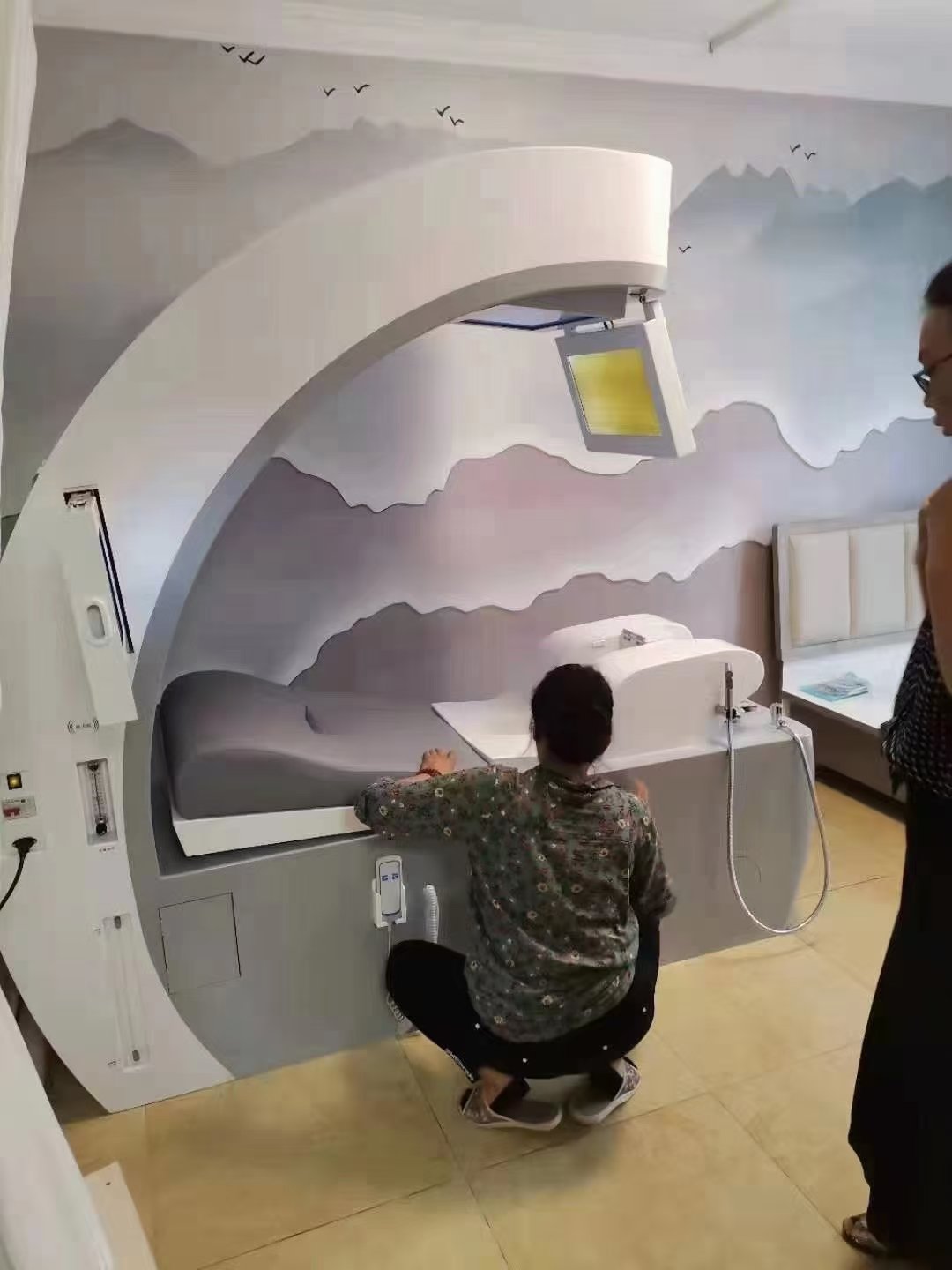
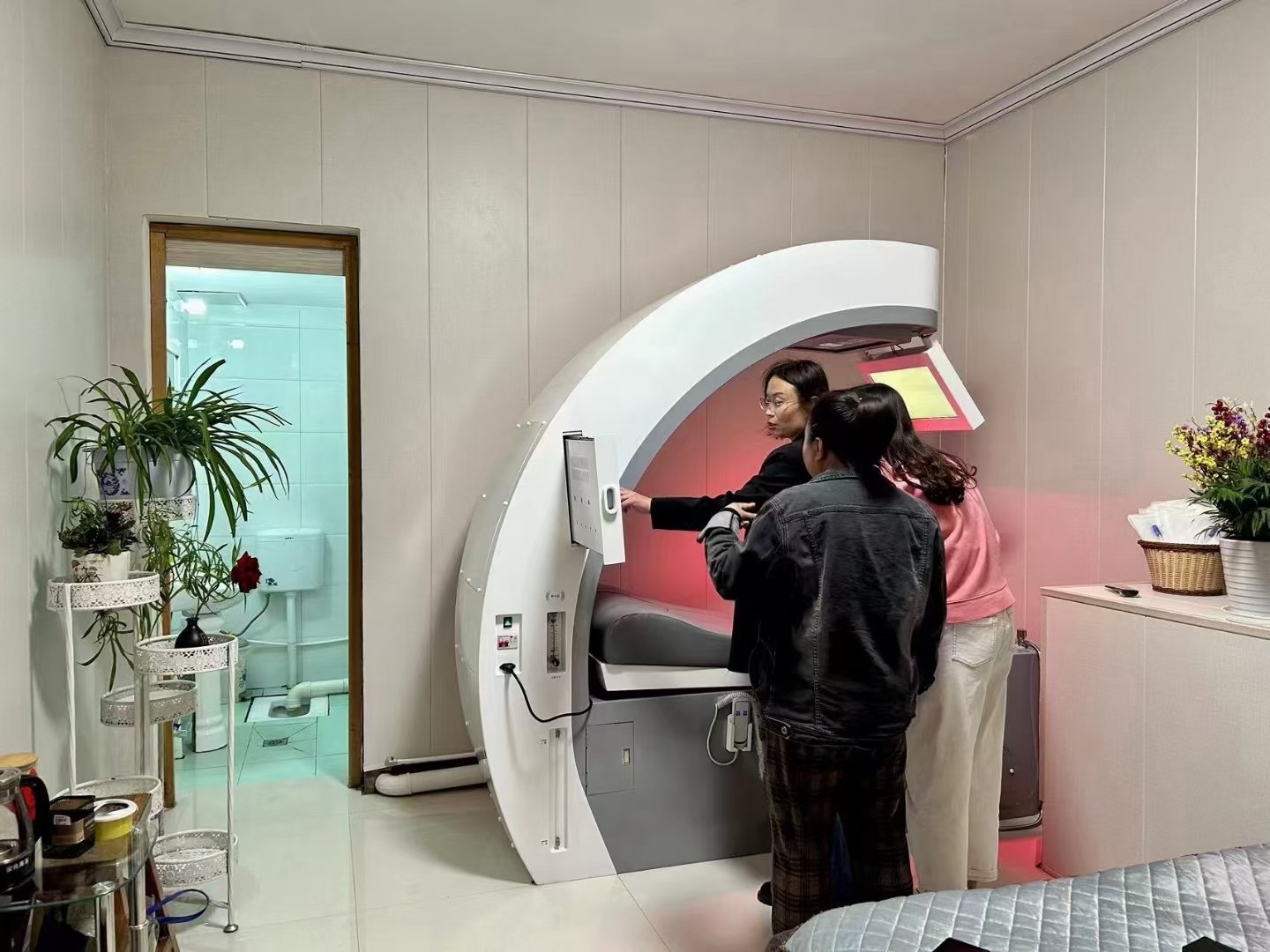
Proper installation affects equipment performance and longevity. Most manufacturers recommend professional installation by licensed plumbers familiar with hydrotherapy equipment. The installation process includes connecting water supply lines, ensuring adequate drainage capacity, and verifying electrical requirements.
Room dimensions impact functionality and client comfort. A minimum treatment room size of 8 feet by 10 feet accommodates the equipment and allows client movement. Larger rooms of 10 feet by 12 feet provide better comfort and may allow space for storage cabinets or consultation areas. Ceiling height should accommodate the elevated basin platform and allow adults to stand comfortably.
Ventilation requirements often exceed standard room air exchange. Even with effective odor control systems, proper ventilation maintains a fresh environment and prevents humidity buildup. Some jurisdictions require exhaust fans in rooms housing colon hydrotherapy equipment. Confirm local building code requirements before finalizing room location.
Operational Cost Considerations
Beyond initial purchase price, evaluate ongoing operational expenses. Water consumption during sessions varies by client needs but typically ranges from 8 to 15 gallons per treatment. Multiple daily sessions create measurable increases in water and sewer utility costs. Energy consumption for water heating adds to electrical expenses, though modern efficient heaters minimize this impact.
Replacement filters represent the most significant recurring supply cost. Water purification systems require filter changes every 6 to 12 months depending on water quality and usage volume. Filter sets typically cost $150 to $300. Sanitary supplies including disposable basin covers and cleaning solutions add modest per-treatment costs around $2 to $5.
Maintenance service intervals typically fall every 12 months for preventive inspection and adjustment. Service calls from authorized technicians generally run $150 to $300 plus parts. Establishing a relationship with a qualified local service provider reduces downtime when issues arise.
Compare Equipment Options With Factory-Direct Pricing
MAIKONG manufactures professional colon hydrotherapy systems comparable to leading brands including Libbe-style open systems. Our manufacturing facility in Shenzhen, China, produces equipment meeting international safety standards with full certification support. As a factory-direct supplier, we eliminate distributor markups that typically add 40% to 60% to equipment costs. We support customization for private label brands and provide comprehensive technical documentation for B2B buyers.
Detailed Comparison: Libbe Versus Alternative Systems
Making informed equipment decisions requires understanding how the Libbe system performs against alternatives across multiple criteria that impact your practice success.
| Comparison Factor | Libbe System | Dotolo (Closed System) | MAIKONG Open System |
| System Type | Open, gravity-fed | Closed, pump-driven | Open, gravity-fed |
| Typical Price Range | $10,000 – $15,000 | $12,000 – $18,000 | $6,000 – $9,000 |
| Session Duration | 30-45 minutes | 20-30 minutes | 30-45 minutes |
| Therapist Involvement | Minimal during session | Continuous throughout | Minimal during session |
| Client Privacy | High – self-administered | Lower – therapist present | High – self-administered |
| Sessions Per Day Capacity | 8-10 with one therapist | 4-6 with one therapist | 8-10 with one therapist |
| Installation Complexity | Moderate – plumbing required | Complex – multiple connections | Moderate – plumbing required |
| Typical Warranty | 1 year parts and labor | 1-2 years parts and labor | 3 years parts and labor |
| Customization Options | Limited | Moderate | Extensive – factory direct |
Performance Across Different Practice Types
Wellness centers and spas typically find open systems like the Libbe device ideal for their business models. The ability to schedule multiple sessions per day with minimal therapist involvement maximizes revenue potential. Clients appreciate the privacy and comfort factors, leading to positive reviews and referrals. The gentle nature of gravity-fed systems suits general detoxification and wellness applications.
Medical practices integrating hydrotherapy into treatment protocols sometimes prefer closed systems for their precise control capabilities. Gastroenterology offices might select equipment allowing therapists to adjust pressure and volume actively during treatment. However, many medical practitioners successfully use open systems, finding that client comfort and compliance improve with the less clinical feel of the Libbe approach.
High-volume commercial operations benefit from the efficiency of open systems. Destination spas, wellness retreats, and large health centers can serve more clients per day with open-system equipment. The reduced labor requirement per session significantly impacts profitability when providing dozens of treatments weekly.
Long-Term Ownership Experience
Talking with existing Libbe system owners reveals common long-term experiences. Most report high client satisfaction and relatively trouble-free operation when following maintenance schedules. The simplicity of the system means fewer complex components that might fail. Water quality in your location affects filter replacement frequency and potential mineral buildup issues.
Common maintenance needs include replacing water filters as scheduled, periodically descaling heating elements in hard-water areas, and keeping the viewing chamber clean and clear. The basin itself requires regular sanitation but proves durable with proper care. Rectal tubes should be replaced according to manufacturer recommendations even though they appear intact, as material degradation isn’t always visible.
Owners report that established Libbe brand recognition helps with client acceptance. Many potential clients research colon hydrotherapy online and encounter Libbe system references frequently. Walking into a practice and seeing recognized equipment increases their confidence. This brand familiarity can justify the price premium over lesser-known alternatives.
MAIKONG Professional Colonic Systems: A Manufacturing-Direct Alternative
As a specialized manufacturer of colon hydrotherapy equipment, MAIKONG produces professional-grade systems that compete directly with established brands while offering distinct advantages for B2B buyers, distributors, and practices seeking value without compromising quality.
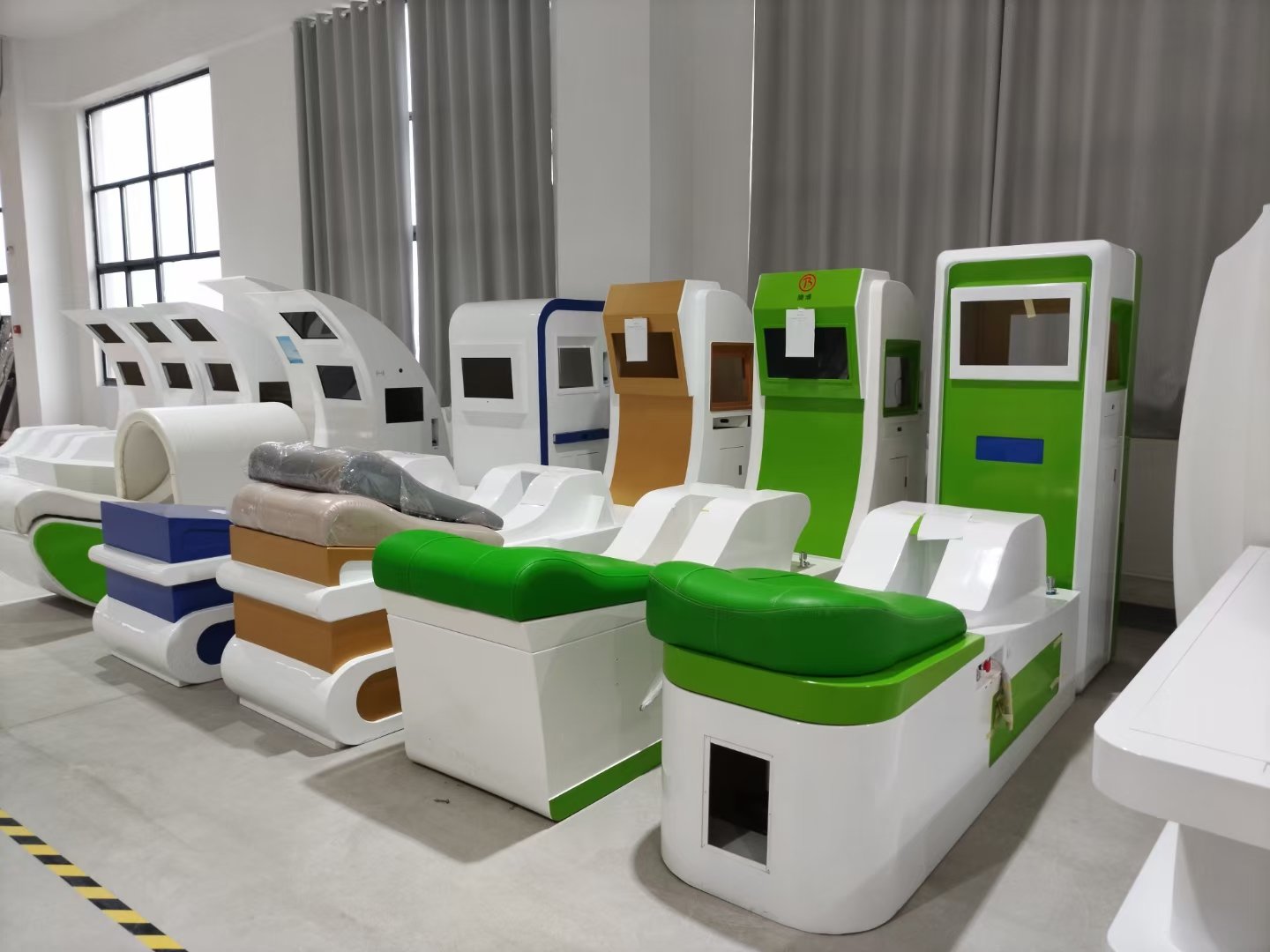
MAIKONG Manufacturing Capabilities
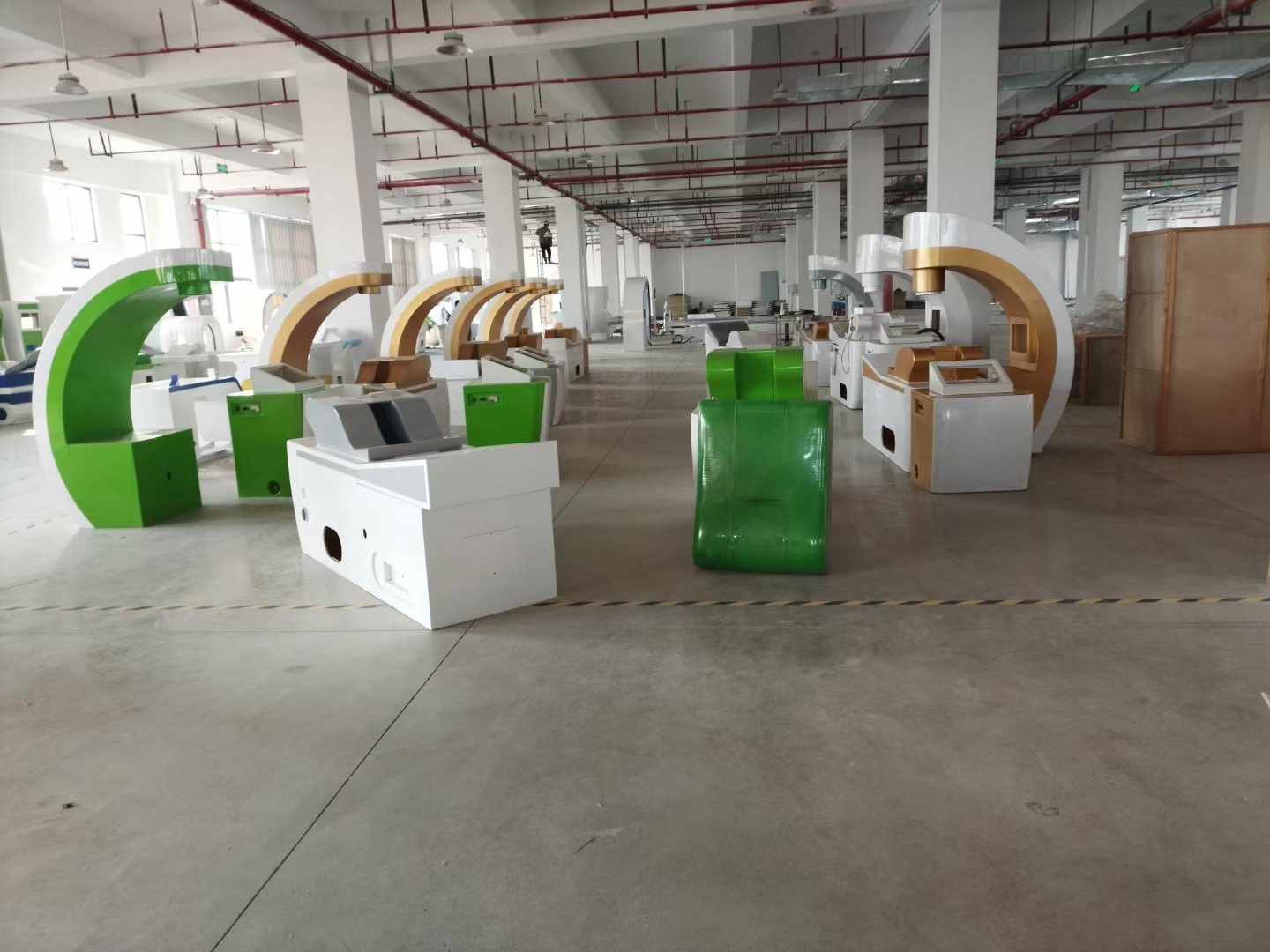
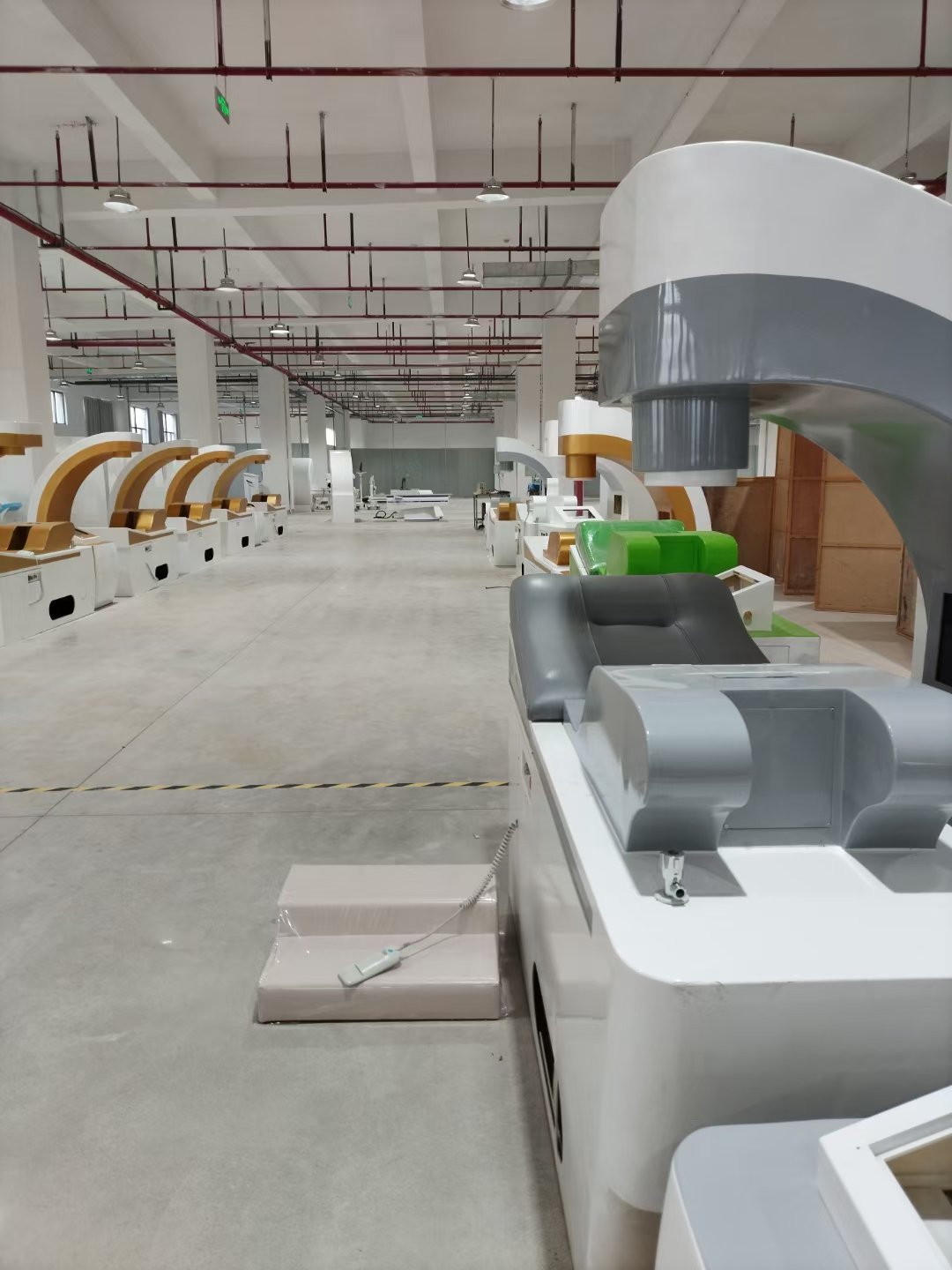
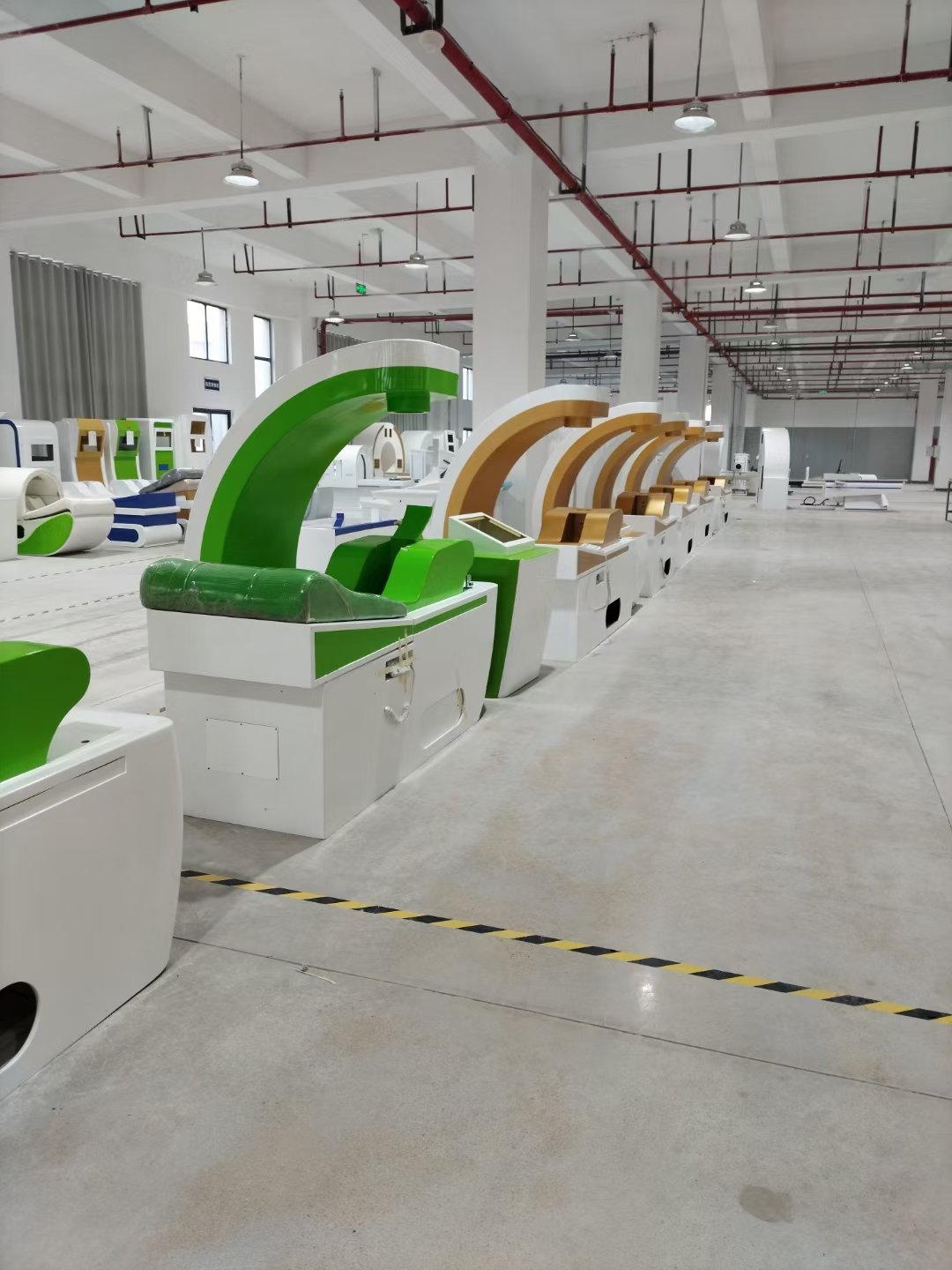
Our production facility in Shenzhen, Guangdong Province, China, operates with advanced manufacturing equipment specifically designed for medical and wellness devices. We maintain clean production environments meeting international quality standards and employ experienced technicians trained in precision assembly of hydrotherapy systems.
Our product line includes open-system devices comparable to the Libbe colonic machine design, featuring gravity-fed water delivery, temperature regulation, multi-stage filtration, and odor-control mechanisms. We also manufacture closed-system equipment for practices preferring therapist-controlled operation. All systems undergo rigorous testing before shipment to ensure reliable performance.
MAIKONG Model MK-880 Specifications
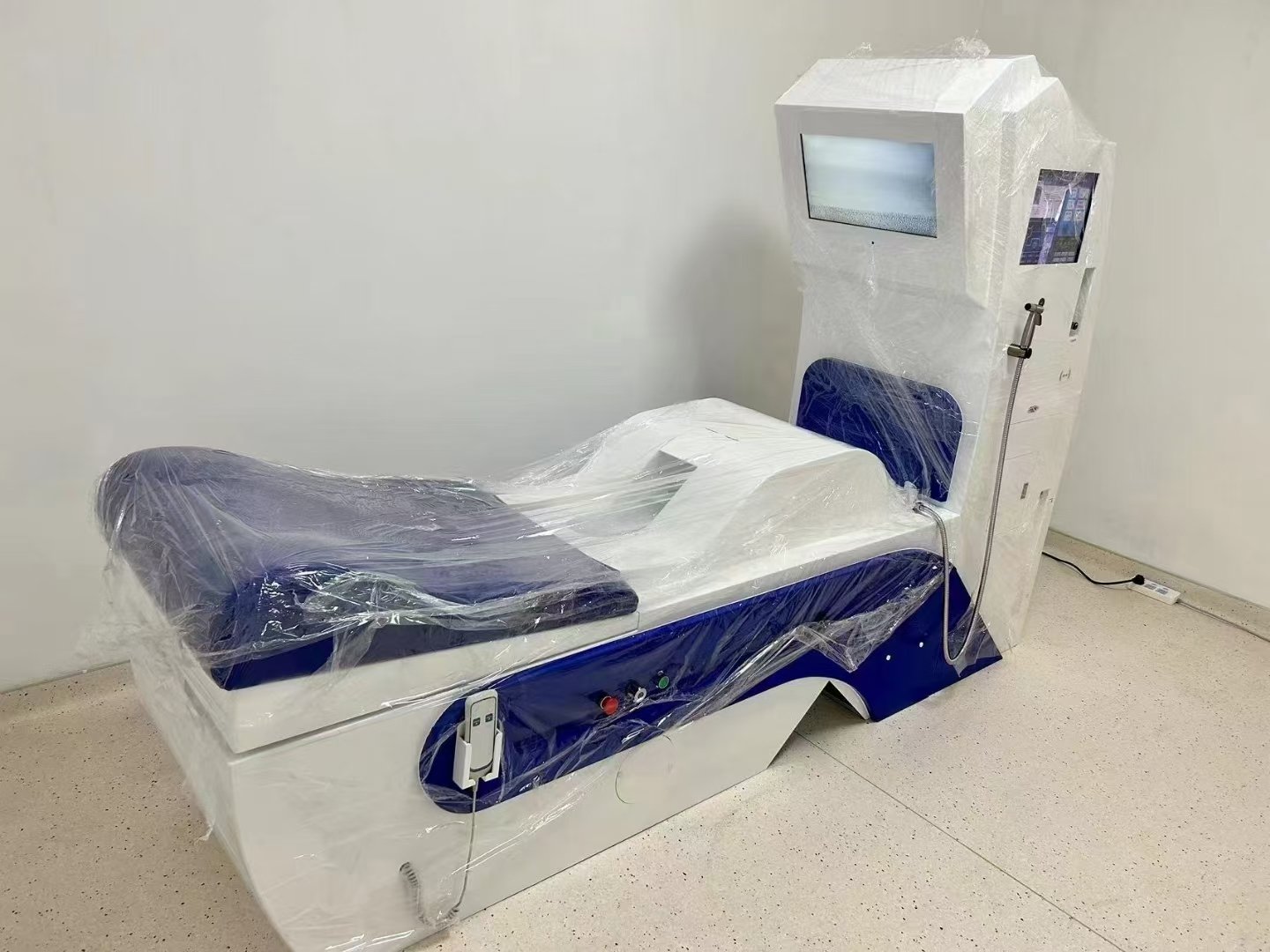
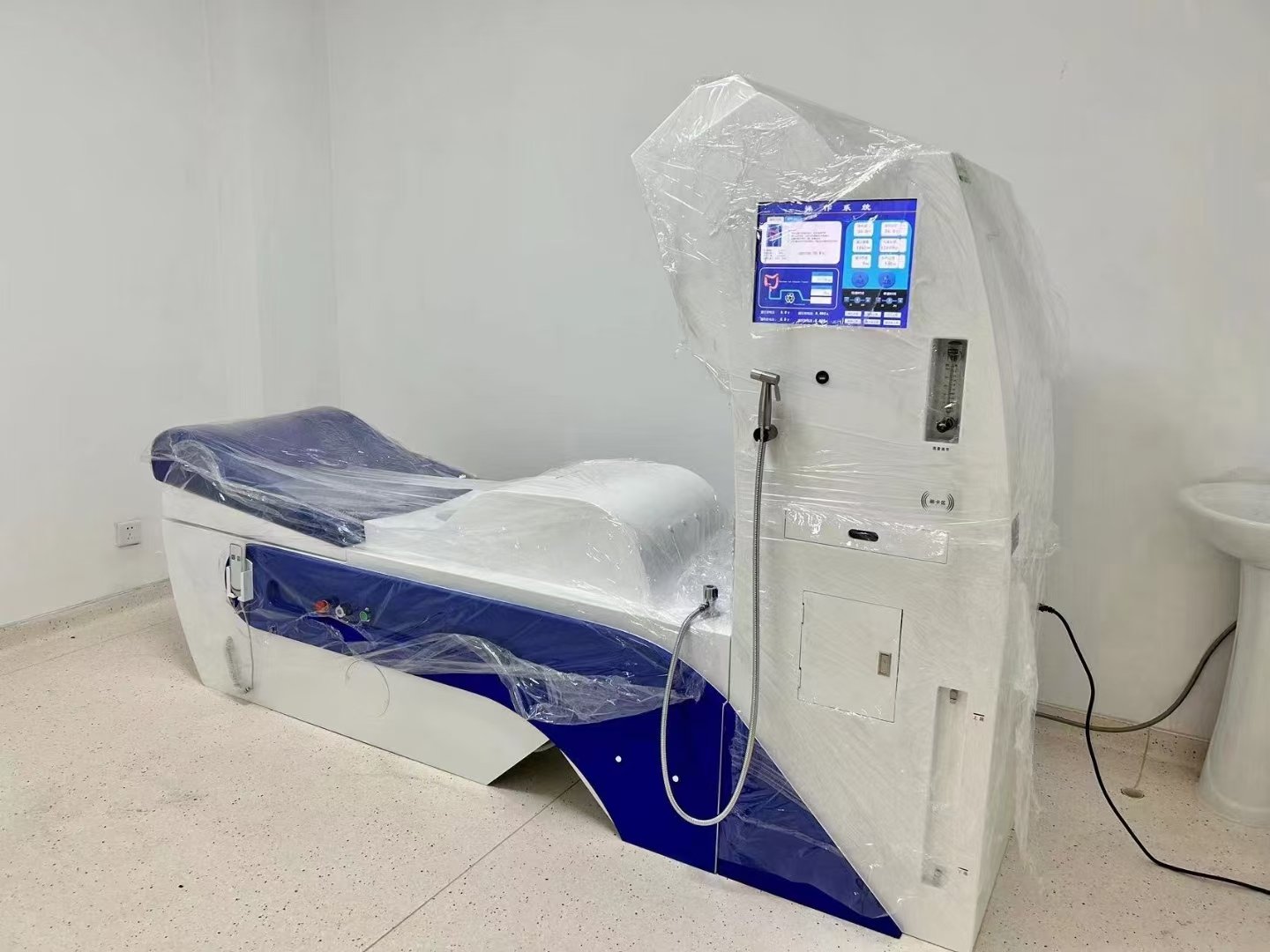
Our flagship open-system colonic machine, model MK-880, incorporates design elements proven effective in clinical settings:
| Specification | MK-880 Standard | Clinical Benefit |
| Overall Dimensions | 1720mm × 2500mm × 690mm (L×W×H) | Compact footprint fits standard treatment rooms |
| System Weight | 160 kg | Stable platform with manageable installation |
| Power Requirements | 220V-50HZ-2KW (110V available) | Standard electrical connection |
| Water Tank Capacity | 10 liters | Adequate reserve for consistent temperature |
| Temperature Range | 30°C to 40°C (adjustable) | Customizable to client comfort preference |
| Medicine Storage Capacity | 500ml | Optional herbal or probiotic infusion |
| Continuous Operation | 8 hours | Full-day clinic operation without cooling |
| Noise Level | <65dB | Quiet operation maintains relaxation |
| Certifications | CE, ISO, SGS | International safety compliance |
| Warranty Coverage | 3 years parts and labor | Extended protection versus standard 1-year terms |
Customization and Private Label Services
Unlike purchasing finished equipment from distributors, working directly with our factory enables customization for your brand or specific requirements. We support:
- Custom logo placement and branding on equipment exteriors
- Modified color schemes to match your clinic aesthetic
- Adjusted dimensions to fit unique space constraints
- Enhanced viewing chamber designs with improved visibility
- Upgraded basin materials or ergonomic modifications
- Specialized filtration systems for challenging water quality
- Dual-voltage configurations for international markets
- Private label packaging and documentation
For distributors and equipment resellers, these customization capabilities create differentiation in competitive markets. You can offer branded equipment that stands apart from generic imports while maintaining pricing advantages over premium Western brands.
MAIKONG Packaging and Delivery
| Package Component | Specifications | Protection Features |
| Primary Packing | Wooden case: 1720×2500×690mm | Reinforced corners and moisture barrier |
| Gross Weight | 160kg including packing materials | Stabilized for container shipping |
| Delivery Timeframe | 5-7 business days (sample orders) | Express air freight available |
| Volume Orders | 15-25 days (bulk manufacturing) | Sea freight consolidation |
| Minimum Order | 1 unit (samples welcome) | No large minimum commitments |
Technical Support and After-Sales Service
We provide comprehensive technical support through multiple channels suited to international B2B relationships. Our team responds to inquiries via email, WhatsApp, and scheduled video consultations for complex technical questions. We maintain detailed documentation including installation guides, operation manuals, maintenance schedules, and troubleshooting references in English.
For distributors establishing service networks, we offer technical training programs covering system operation, routine maintenance, and common repair procedures. This knowledge transfer enables your local technicians to support end-users effectively, reducing international support dependencies.
Our three-year warranty exceeds industry standards and demonstrates confidence in manufacturing quality. Warranty claims are processed efficiently with replacement parts shipped via express courier to minimize equipment downtime. We maintain substantial parts inventory supporting both current production and previous model versions.

Your Colonic Machine Procurement Checklist
Use this comprehensive checklist when evaluating any colonic equipment purchase to ensure you consider all critical factors affecting long-term satisfaction and business success.
Equipment Evaluation Criteria
- System type alignment with your practice philosophy (open versus closed)
- Price comparison across at least three manufacturers or suppliers
- Total cost of ownership including installation, supplies, and maintenance
- Warranty terms, duration, and exclusions clearly understood
- Replacement parts availability and typical costs verified
- Technical support accessibility during your business hours confirmed
- Safety certifications appropriate for your jurisdiction obtained
- Installation requirements and space compatibility verified
- Energy and water consumption estimates for operational budgeting
- Client comfort features aligned with your target demographics
Supplier and Manufacturer Assessment
- Company history and market presence researched
- Customer references from similar practice types contacted
- Online reviews and reputation indicators evaluated
- Return and exchange policies clearly documented
- Payment terms and financing options understood
- Delivery timeframes and shipping protection confirmed
- Training and education resources availability verified
- Regulatory compliance documentation provided
- Customization or private labeling capabilities if relevant
- Long-term parts and service commitment demonstrated
Questions to Ask Before Purchase
- What is the all-inclusive delivered and installed price in my location?
- What specific components does the warranty cover, and what does it exclude?
- How quickly can I typically receive replacement parts when needed?
- What happens if I experience technical issues during my first year of operation?
- Are there any recurring subscription or licensing fees beyond initial purchase?
- What training do you provide for my staff to operate the equipment safely?
- Can you provide references from businesses similar to mine using this equipment?
- What are the most common maintenance issues, and how are they resolved?
- Do you offer trade-in or upgrade programs if I want to expand later?
- How do you handle warranty service if your company changes ownership or closes?
Business Opportunities: Becoming a Colonic Equipment Distributor
The growing wellness industry creates opportunities for medical equipment distributors, particularly those focusing on alternative and complementary health technologies. Colon hydrotherapy equipment distribution offers specific advantages for the right business partners.

Market Demand for Hydrotherapy Equipment
Interest in colon hydrotherapy continues expanding beyond traditional natural health communities. Mainstream wellness centers increasingly add these services, and consumer awareness grows through social media and wellness influencers. This expanding market creates equipment demand from new practice openings and established facilities upgrading older systems.
The United States market particularly shows strong demand for quality equipment at competitive prices. Practices recognize that established brands command premium prices while offering similar functionality to well-manufactured alternatives. Distributors who can provide quality equipment with solid support at middle-market pricing find eager customers.
Advantages of Factory-Direct Distribution Partnerships
Partnering directly with manufacturers like MAIKONG provides several competitive advantages over representing brands through multi-tier distribution channels:
- Significantly better margin structure without mid-level distributor markups
- Direct communication with engineering and production teams for technical support
- Faster response to customer needs and custom requirements
- Access to product customization for market differentiation
- Exclusive territory arrangements possible with committed partners
- Marketing and technical training support from factory resources
- Competitive advantage through better pricing versus established brands
What MAIKONG Offers Distribution Partners
We structure our distribution relationships to support partner success rather than simply moving product volume. Our partnership approach includes:
Competitive Pricing Structure
Factory-direct pricing typically 40% to 60% below retail, allowing healthy margins while remaining competitive versus premium brands. Volume discounts available for committed partners.
Marketing Support Materials
Professional product photography, detailed specification sheets, comparison charts, and sales presentation materials provided. Co-branding options for your marketing efforts.
Technical Training Programs
Comprehensive training covering equipment operation, installation best practices, maintenance procedures, and troubleshooting. Both on-site and remote training options available.
Warranty and Parts Support
Extended three-year warranty coverage with responsive parts shipping. Technical support assistance for your customer base to enhance your service reputation.
Flexible Order Quantities
Low minimum orders allow testing markets without excessive inventory investment. Sample units available for demonstration and trade show purposes.
Customization Capabilities
Private label options, custom branding, and specification modifications let you differentiate from competitors offering standard imports.
Ideal Distribution Partner Profiles
We seek partners who bring specific capabilities and market access to our manufacturing strengths. Ideal distribution partners typically include:
- Established medical equipment distributors expanding into wellness products
- Wellness equipment specialists looking to add complementary product lines
- Healthcare supply companies serving natural health practitioners
- E-commerce sellers with experience in professional equipment categories
- Regional distributors with existing relationships in target practice types
- Private label brands developing proprietary equipment offerings
Successful partnerships combine our manufacturing capabilities and quality with your market knowledge, customer relationships, and local support infrastructure. This collaboration model serves end-users better than either party could achieve independently.
Making Your Colonic Equipment Decision
Selecting the right colon hydrotherapy equipment impacts your practice success for years to come. The Libbe colonic machine established important design principles that made open-system hydrotherapy practical and client-friendly. Understanding what makes the Libbe approach effective helps you evaluate whether authentic Libbe equipment, comparable alternatives, or customized solutions best serve your specific needs.

For wellness centers prioritizing client comfort and operational efficiency, open systems following the Libbe design philosophy deliver proven results. The privacy, gentle water delivery, and minimal therapist intervention create positive experiences that generate referrals and repeat business. Whether you choose established brands or quality alternatives depends on your budget constraints, brand positioning, and support requirements.
Medical practices integrating hydrotherapy into treatment protocols should evaluate both open and closed systems based on clinical applications. Some conditions benefit from the precision control of closed systems, while others respond well to the gentle, thorough cleansing of open systems. Your specific patient population and treatment philosophy guide this decision more than general market trends.
For distributors and equipment resellers, the market opportunity in professional hydrotherapy equipment continues growing. Practices actively seek alternatives to premium-priced brands when quality and support meet professional standards. Factory-direct partnerships provide the margin structure and customization flexibility needed to compete effectively while serving customers well.
Partner With MAIKONG for Your Colonic Equipment Needs
Whether you’re opening a new wellness practice, expanding an existing health center, or building a distribution business in professional equipment, MAIKONG provides manufacturing expertise, quality products, and partnership support to help you succeed. Our Shenzhen facility produces equipment meeting international standards with the flexibility and pricing advantages only factory-direct relationships offer.
We welcome inquiries from health professionals, equipment distributors, private label brands, and wholesale buyers throughout the United States. Our team responds quickly to questions about specifications, customization options, pricing, and partnership opportunities. We support your business growth with quality manufacturing, comprehensive documentation, extended warranties, and responsive technical assistance.
Visit our website at colonicmachine.us to explore our complete product line, technical specifications, and certification documentation. We look forward to discussing how MAIKONG can support your equipment needs and business objectives.
The right equipment decision combines technical capabilities, financial considerations, support quality, and alignment with your practice vision. Take time to research thoroughly, contact multiple suppliers, speak with current equipment owners, and evaluate total cost of ownership beyond initial purchase price. Your investment in quality hydrotherapy equipment pays dividends through client satisfaction, positive outcomes, and sustainable practice growth.