Choosing Disposable Sets and Consumables for a Closed‑System Colon Hydrotherapy Unit — Practical Guidance for U.S. Clinics · body
Quick answer
Contents
Why this matters to your clinic
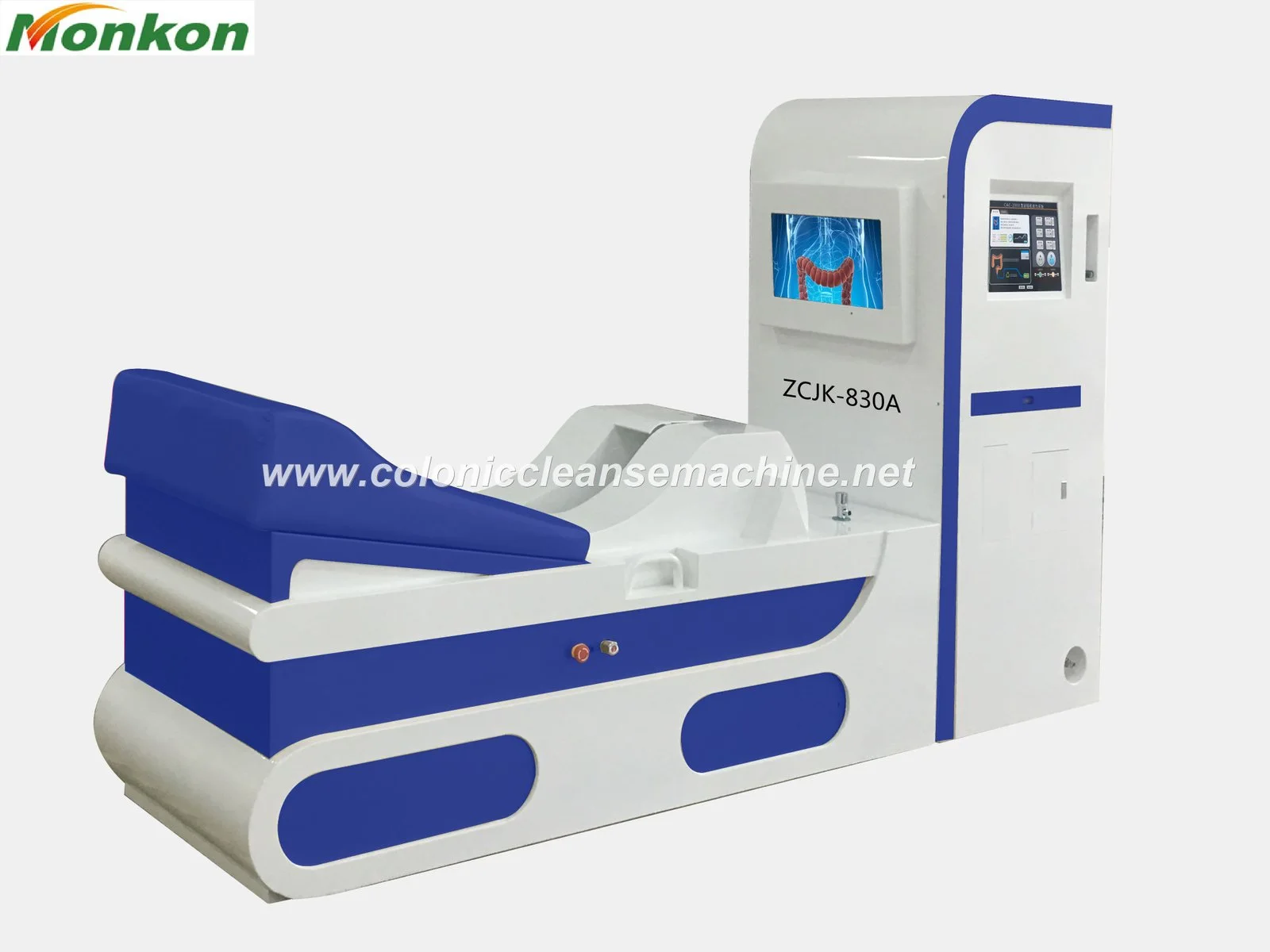
Closed systems rely on sealed fluid paths and patient interfaces. The disposables you choose affect three practical outcomes you care about: infection control, patient throughput, and machine reliability. Using single‑use patient interfaces reduces cross‑contamination risk and eliminates complex validated reprocessing for those parts. Consumables sized and rated to the unit protect peristaltic pumps, temperature control and pressure sensors from damage or nuisance alarms that slow treatments.
Required disposable components for closed systems
Below are the items every clinic running a closed MAIKONG‑style unit should be prepared to source and validate. We list the clinic function each part serves so you can prioritise purchasing.
1. Disposable guide head (patient interface)
Purpose: patient seal, single‑use barrier between patient and machine.
Why mandatory: these are the primary cross‑infection control parts; do not reuse unless the supplier documents validated reprocessing (rare).
2. Single‑use infusion/return tubing set (complete patient set)
Purpose: connects guide head to machine; carries infusion and return water.
Why mandatory: flow dynamics and pump calibration assume that cross‑section; mismatched diameter can change delivered volumes, create pressure alarms, or overload pumps.
3. Single‑use medicine cup / scaled dosing cup
Purpose: measure and add medicines or additives; helps clinical recordkeeping and dose control.
Why mandatory: eliminates contamination risk when preparing infusate and gives staff a clear metering tool.
4. Inlet filtration and single‑use inline filters
Purpose: remove particulates before water enters the machine and protect internal filters and pumps.
5. Other single‑use items to keep on hand
Infection‑control wipes and disposable gloves sized for clinical staff.
Sterile caps, seals or one‑way valves if included with a supplier’s kit.
Spare single‑use sampling containers if you document waste streams for compliance.
Key MAIKONG technical parameters that drive consumable selection
When you choose consumables, map them to the unit’s operating window so they won’t interfere with alarms or safety cutouts. The table below compacts the MAIKONG parameters that most directly affect consumable choice.
Parameter
Value (as supplied by MAIKONG)
Why it matters for consumables
How to check consumable compatibility with your closed unit
Choosing Disposable Sets and Consumables for a Closed‑System Colon Hydrotherapy Unit — Practical Guidance for U.S. Clinics · body
Compatibility is three pragmatic checks that you must perform on any proposed disposable set before buying in volume:
Physical fit: confirm connectors, barbs and guide head geometries match the machine’s ports. Ask the supplier for a free sample or physical drawings.
Flow and pressure limits: verify tubing internal diameter and recommended maximum flow; compare against the unit’s flow range (0–830 ml/min). If the tubing has a much smaller internal bore, expect higher back pressure and possible alarms.
Material ratings: confirm plastics and adhesives tolerate 30–40 ℃ and contact with the additives you intend to use. If you plan to use oils or alcohol‑based additives, ensure compatibility.
Hygiene and sterilization rules you must enforce
Choosing Disposable Sets and Consumables for a Closed‑System Colon Hydrotherapy Unit — Practical Guidance for U.S. Clinics · body
Enforce a clear single‑use vs. reusable policy in writing. For MAIKONG units the company records list the guide head as disposable and irradiated; treat guide heads as single‑use. Parts of the machine that are not single‑use (cabinet, bed, cameras, control panel) need validated cleaning cycles — those are operational procedures you must define, document and train staff on.
For single‑use consumables require the supplier to provide:
Sterilization method declared on the label (irradiation for guide heads is recorded by MAIKONG).
Sterile packaging that preserves sterility to the stated expiry date.
Lot/traceability on the box so you can manage recalls or batch issues.
Practical stocking and inventory guidance for clinic workflows
Prioritise SKUs during launch. The highest turnover items are guide heads and complete tubing sets — these are consumed once per treatment. Next are medicine cups and inlet filters. A simple start‑up stocking approach:
Open with at least one month’s worth of guide heads and tubing sets based on projected bookings (use treatments/day × days open/month).
Keep a safety buffer of 15–25% for unexpected demand or shipping delays.
Stock at least two inlet filter cartridges so you can swap without downtime when the in‑machine filter needs servicing.
Example calculation: if you expect 3 treatments/day and operate 22 days/month, order 66 guide heads for a month plus a 20% buffer = 80 guide heads. (This is an example method; use your clinic’s real booking data to calculate actual quantities.)
Supplier validation checklist — what to request before you commit
Ask for documentation and samples for each consumable line before placing bulk orders. At minimum obtain:
Sample units for physical fit testing with your machine.
Material specification (polymer type, temperature tolerance) and chemical compatibility statement for additives you plan to use.
Shelf life/expiry and storage instructions.
Packing unit (pieces per box), MOQ and lead time.
Traceability/lot numbering policy.
Quick operational tips
Small changes that reduce cleaning time and downtime:
Install single‑use sets just before the appointment and dispose immediately after. This reduces handling and environmental exposure.
Daily checks: visual inspection of the guide head connector, verify inlet pre‑filter status, and validate temperature control is within the 30–40 ℃ operating band prior to first patient.
Known limitations and operational risks
Consumable selection can create three predictable operational risks:
Material compatibility risk: some packaging or tubing materials soften above 40 ℃ or react with additives — check materials before routine use.
Common buyer questions (short answers)
Can guide heads be reprocessed?
Do all closed‑system disposables fit all MAIKONG models?
What paperwork should I keep on file?
Keep supplier declarations of sterilization, material specs, lot numbers, shelf life and any test certificates. Retain sample approvals used for your compatibility checks.
Next step — request a tailored consumables quote
If you operate MAIKONG equipment and want a recommended consumables kit sized to your appointment volume and model configuration, request a tailored quote from us. Provide your unit model (MK‑series identifier if available), expected treatments/day, and whether you use additives so we can recommend tubing and filter specifications.
This content is provided for learning, information sharing and professional communication only. It is not medical advice and is not a basis for treatment or diagnosis. Confirm suitability, operation and purchasing requirements against the product manual, local regulations and qualified professional guidance.
This content is provided for learning, information sharing and professional communication only. It is not medical advice and is not a basis for treatment or diagnosis. Confirm suitability, operation and purchasing requirements against the product manual, local regulations and qualified professional guidance.