
Categories
- No categories
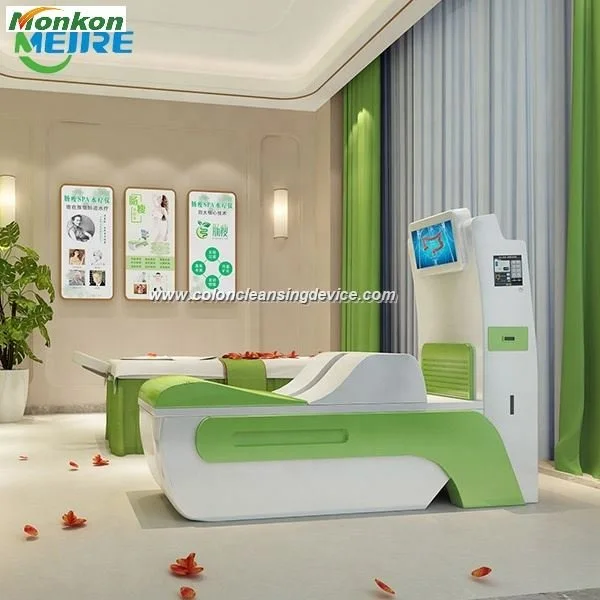
Short version: yes — provided you prioritise three operational levers before buying equipment: (1) room sizing and utilities to fit the machine footprint and sewage design, (2) a staffing model that uses staggered starts and remote monitoring so operators aren’t idle, and (3) infection‑control consumables and spare parts to prevent avoidable downtime. The MAIKONG MK series includes features that ease those priorities — dual screens and a built‑in camera to observe sessions, automatic pipeline cleaning and filtration for faster turnover, and disposable guide heads for single‑use hygiene. See the specification table below for model footprints and core parameters that drive room layout and electrical/plumbing planning (we reference the factory‑confirmed product facts for MK‑550 and MK‑530 where used).
Successful multi‑room workflows separate responsibilities into roles that reduce interruptions and keep rooms turning over: front‑desk/booking, room technician/operator, floater/cleaning technician, and a supervisor/shift lead for escalation. For clinics starting colon hydrotherapy we recommend defining these duties in writing so new hires understand boundaries — for example, front‑desk handles consent, pre‑checklists and payments; the operator runs the machine and direct patient care; the floater completes room reset and deep clean; the supervisor audits documentation and handles maintenance calls.
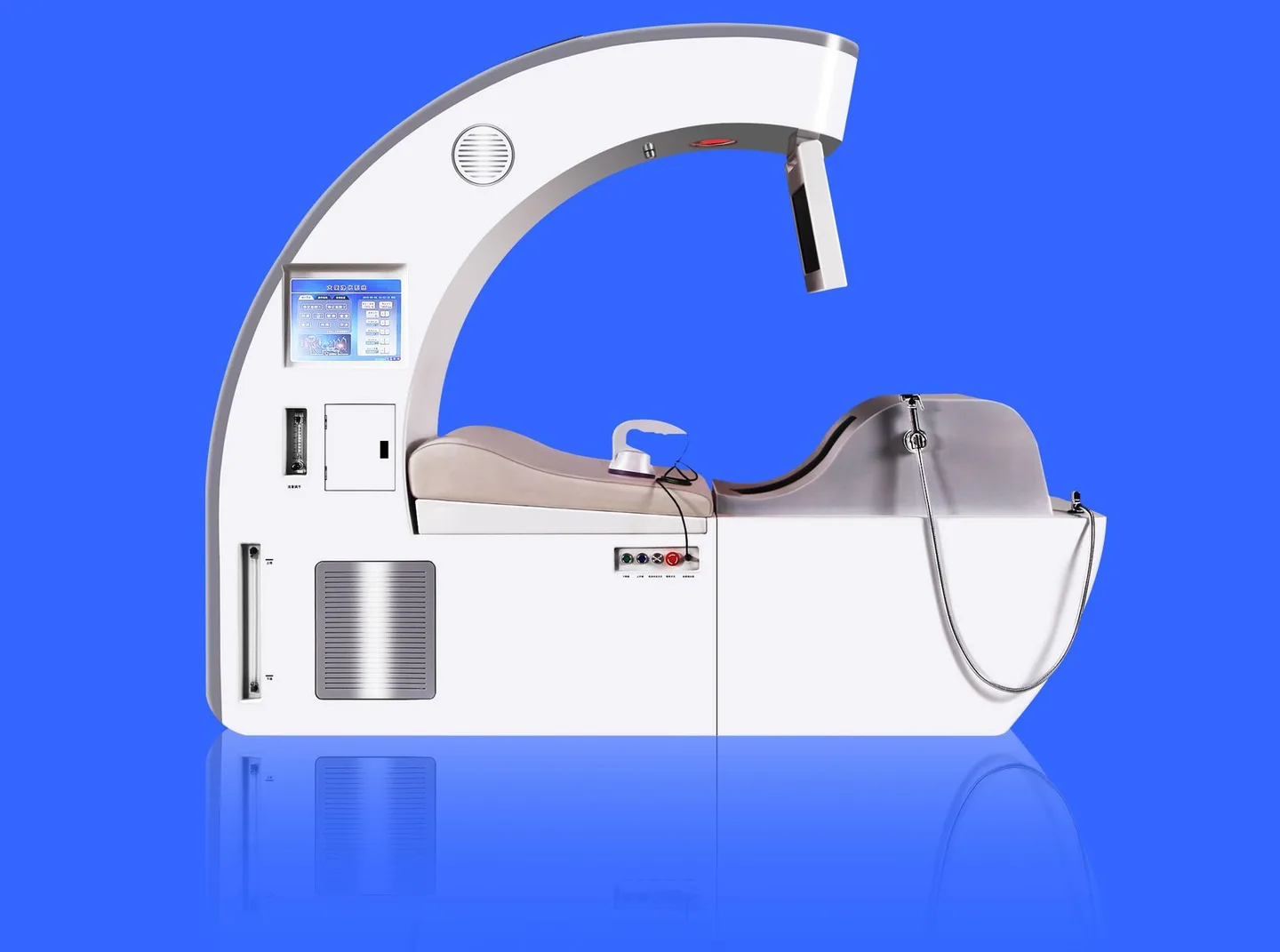
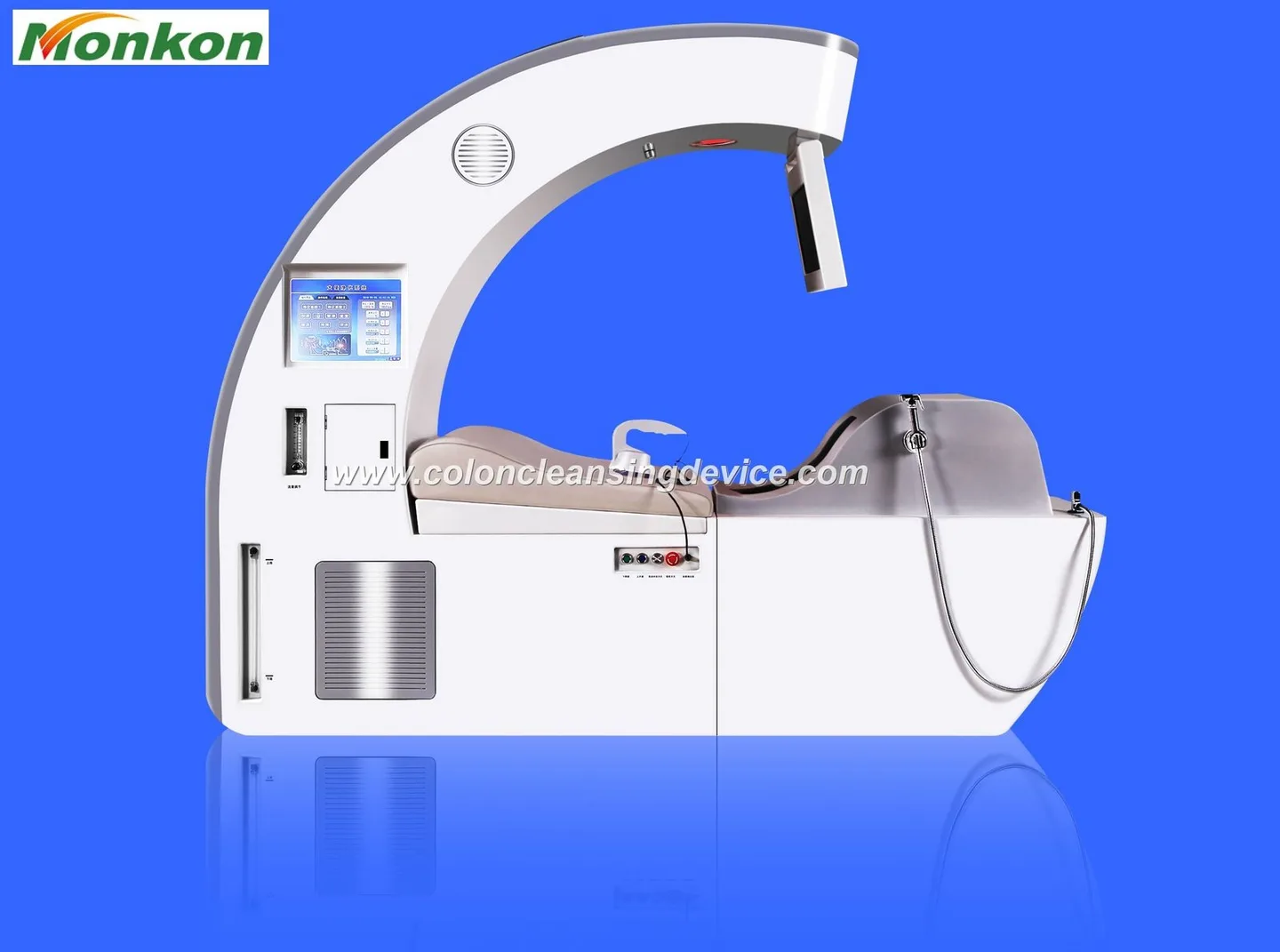
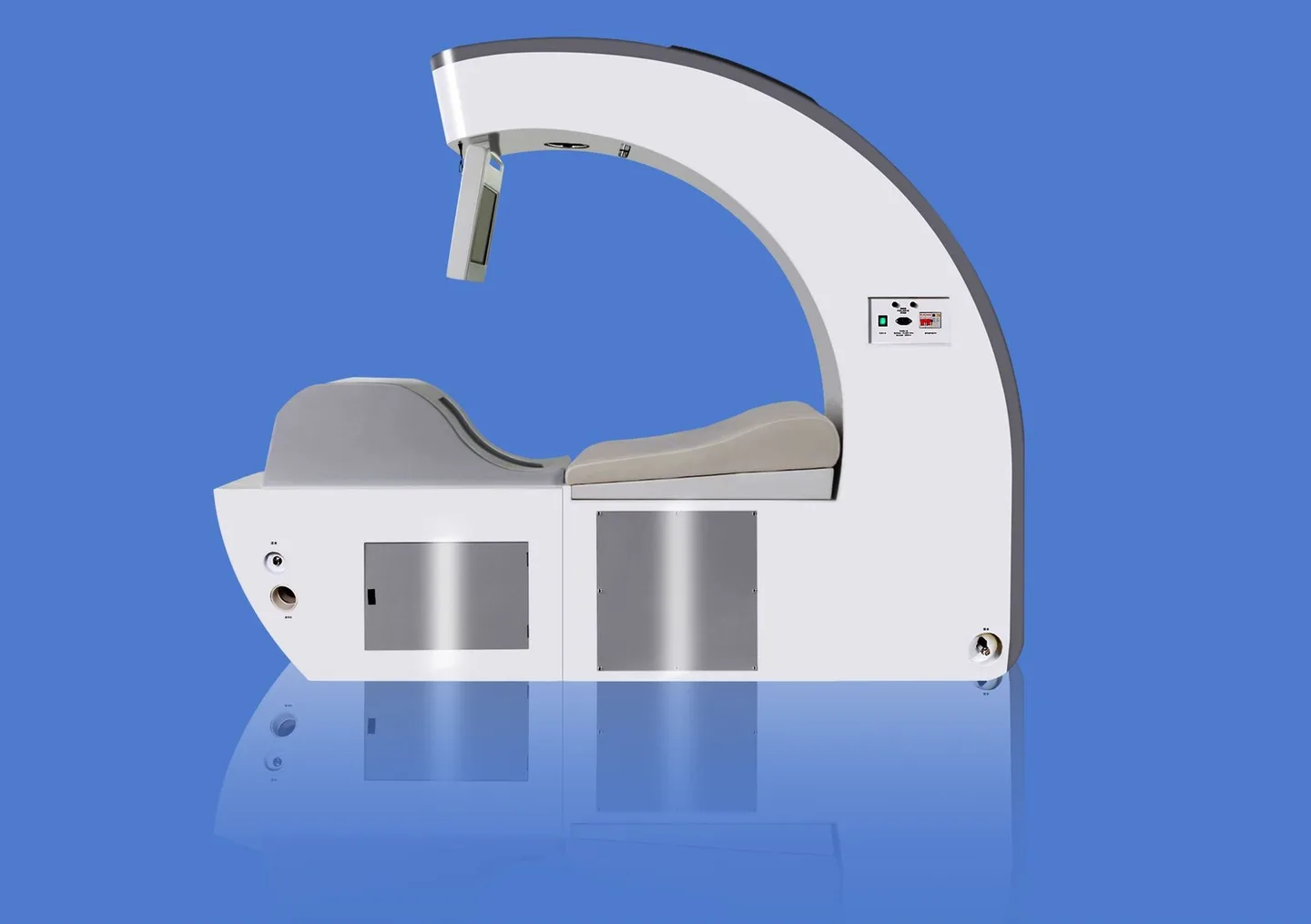
Place the main machine along the wall facing the foot of the bed so staff can access pumps, the medicine cup and external flushing water without stepping over the patient. Allow at least one clear side for operator access and a second side that a floater can use for cleaning. Use a small mobile cart for disposables and a visible handwash sink immediately outside the room. Locate electrical outlets and water inlets near the machine base; position the observation screen where a supervisor can see it from the corridor (with patient consent).
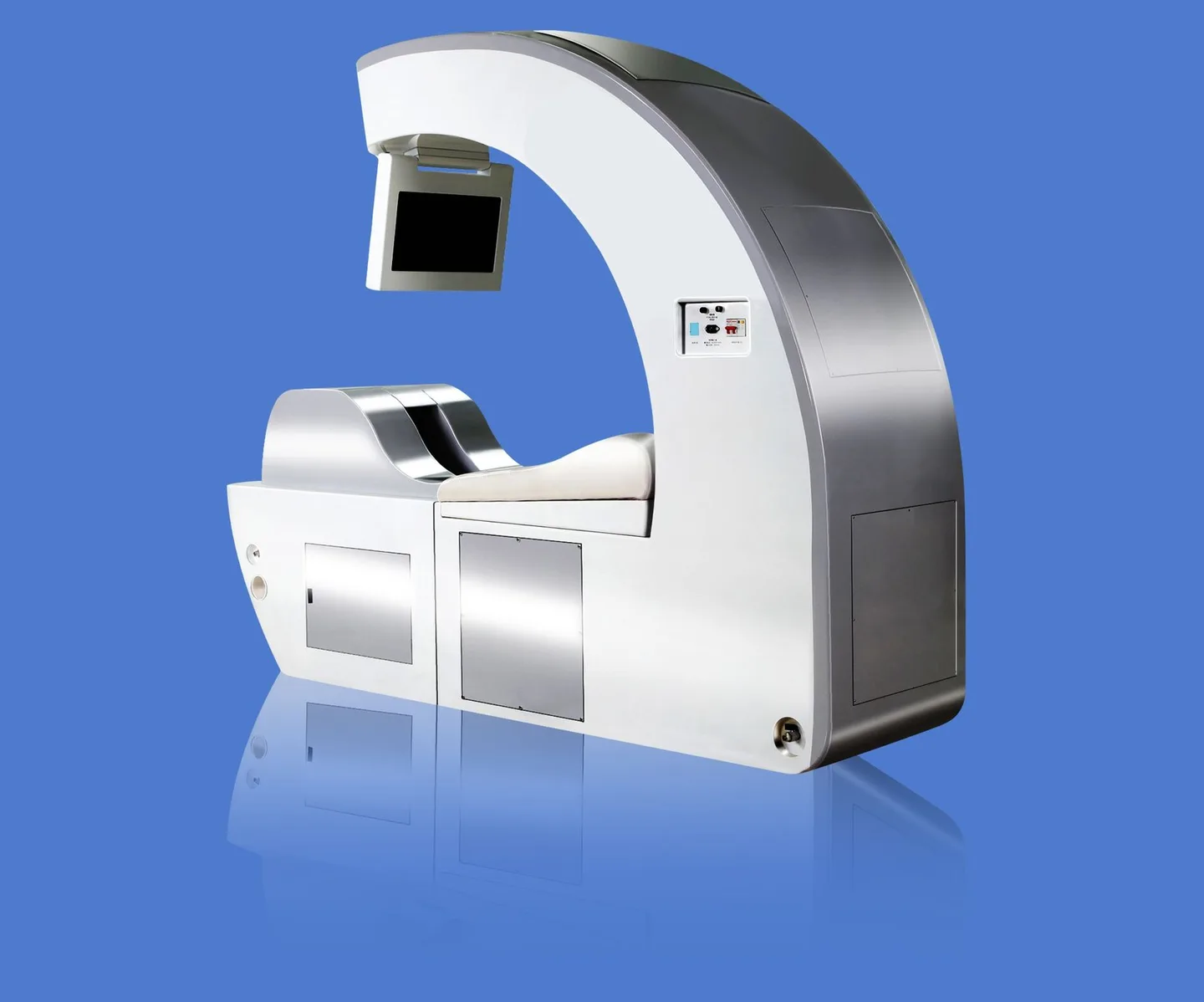
The device features that most change day‑to‑day workflow are monitoring, cleaning, and consumables. Below is a compact comparison of factory‑reported values so you can plan room size, utilities and spare inventory. Each model row references the company product fact used.
| Model | Bed / Main Machine / Weight | Power & Voltage | Water flow & Temp control | Monitoring & cleaning features | Consumables |
|---|---|---|---|---|---|
| MAIKONG MK‑550 | Bed 210×80×95 cm; main machine 180×80×75 cm; weight 185 kg | Total power ≤2000W; Applicable power supply AC: 220V 50Hz | Water flow 0–830 ml/min; Temp control 30–40°C; maintains ~37°C ±2°C | Dual screens (15″ touch + 19″ observation), built‑in camera, automatic pipeline cleaning and filtration, peristaltic dual pump | Disposable guide head (irradiation sterilised); inlet filtration 5 μm |
Use these dimensions to size door widths and clearances. The MK‑550’s larger bed footprint affects room width and turning radius for staff carts (data-fact-id=”124″). The MK‑530’s broader voltage listing (110–220V) should be confirmed before purchase (data-fact-id=”126″).
We avoid prescribing fixed session lengths because clinical protocols and consented treatment times vary by jurisdiction and practitioner. Instead, use a staggered block model:
Implement the staggered model on your first week with conservative scheduling and record actual block durations — that empirical data is the only safe way to convert blocks into fixed arrival intervals for bookings.
For small clinics (2–3 rooms) we typically see better throughput with one dedicated operator per two rooms (operator plus floater), provided treatments are staggered and the operator is supported by remote observation tools. For larger setups, add a shift lead for three to five operators to handle maintenance calls, paperwork bottlenecks and training. Cross‑train reception staff to verify consent and pre‑screen paperwork so operators don’t stop treatment to handle admin.

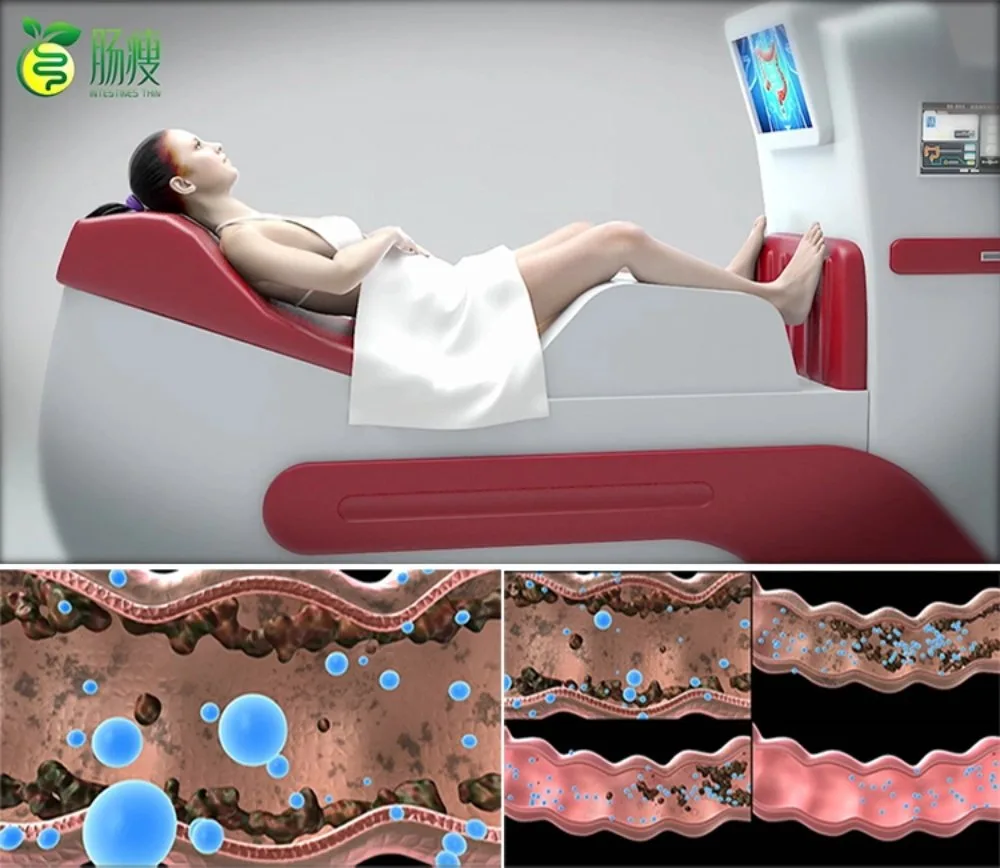
MAIKONG reports disposable guide heads supplied with irradiation sterilisation and machines with automatic pipeline cleaning and inlet filtration (5 μm) (data-fact-id=”124″ data-fact-id=”126″). These reduce cross‑patient risk only when used according to sterilisation and disposal rules. Maintain a stock of single‑use guide heads, flush solution, and room cleaning consumables; keep a two‑week buffer for each room during normal demand and a four‑week buffer during ramp‑up or expansion.
Critical spares that avoid an immediate room outage are peristaltic pump tubing, the peristaltic pump (dual pump architecture is reported), disposable guide heads and replacement fuses/circuit protection. The MK series includes dual pumps and auto‑stop protections (data-fact-id=”124″), but a failed pump or missing consumable can still stop a room. Keep local stock of tubing sets and at least one spare peristaltic pump module per cluster of three rooms if site volume justifies it. Maintain a log of mean time to replace items and vendor lead times (MAIKONG lead time for MK‑550 reported at 10 days and MK‑530 at 15 days in the product snapshot; commercial pricing is by quote) so you can decide whether on‑site spares or expedited shipping is the better investment.
Factory recordings show an embedded 15″ touch screen for operation and a 19″ observation display plus a built‑in camera for visual monitoring (data-fact-id=”124″ data-fact-id=”126″). Use the observation screen to standardise session notes, record alarms, and provide remote supervision for more than one room. Confirm local privacy and consent documentation if you plan to record or stream images for training or QA; the device features support observation but do not replace required privacy processes.
Structure training into three modules: device operation (including temperature, flow and auto‑stop alarms), infection control and consumables handling (disposable guide head installation and disposal), and emergency procedures (power loss, pressure alarm). After classroom and hands‑on practice, competency checks should include supervised sessions and a sign‑off that covers machine checks, alarm response and documentation. Re‑assess competency on major software or firmware updates and annually thereafter.
We used MAIKONG’s factory product facts for MK‑550 and MK‑530 when specifying device footprints, power and functional features (dimensions, weight, flow range, temperature range, dual‑screen and camera, disposable guide head, peristaltic pump and pipeline cleaning). These are company‑reported values (see data-fact-id=”124″ for MK‑550 and data-fact-id=”126″ for MK‑530) and are the basis for room‑sizing and utilities planning above.
We have not supplied local electrical installation details or building‑permit requirements for the U.S.; voltage and breaker needs must be confirmed by a licensed electrician before installation. We also do not provide clinical protocols or session durations — those are determined by your clinical lead and local regulation. Manufacturer‑reported specifications are not independent test results and should be verified against the latest product manual before final installation.
If you want a clinic layout review or a tailored equipment configuration for 2–10 rooms, email lucy@comparable provider.us or call/WhatsApp +86 13570907401 with your floor plan and intended room count. We’ll provide a configuration checklist and a quote tailored to MK‑550 or MK‑530 options (pricing is supplied by quotation).
This content is provided for learning, information sharing and professional communication only. It is not medical advice and is not a basis for treatment or diagnosis. Confirm suitability, operation and purchasing requirements against the product manual, local regulations and qualified professional guidance.
This content is provided for learning, information sharing and professional communication only. It is not medical advice and is not a basis for treatment or diagnosis. Confirm suitability, operation and purchasing requirements against the product manual, local regulations and qualified professional guidance.
Yes — a U.S. multi‑room clinic can run a safe, efficient colon hydrotherapy service if you design rooms around the device footprint, standardise start/finish checklists, stagger patient flows, and train operators to use features that reduce turnover (for example: automatic pipeline cleaning, disposable guide heads, and the MK‑series dual‑screen camera/monitoring). Prioritise correct utilities and drainage, clear staff roles, and spare consumables and pump tubing so one fault doesn’t close a room. For model details and a tailored configuration, request a quote from us at lucy@comparable provider.us or +86 13570907401.
