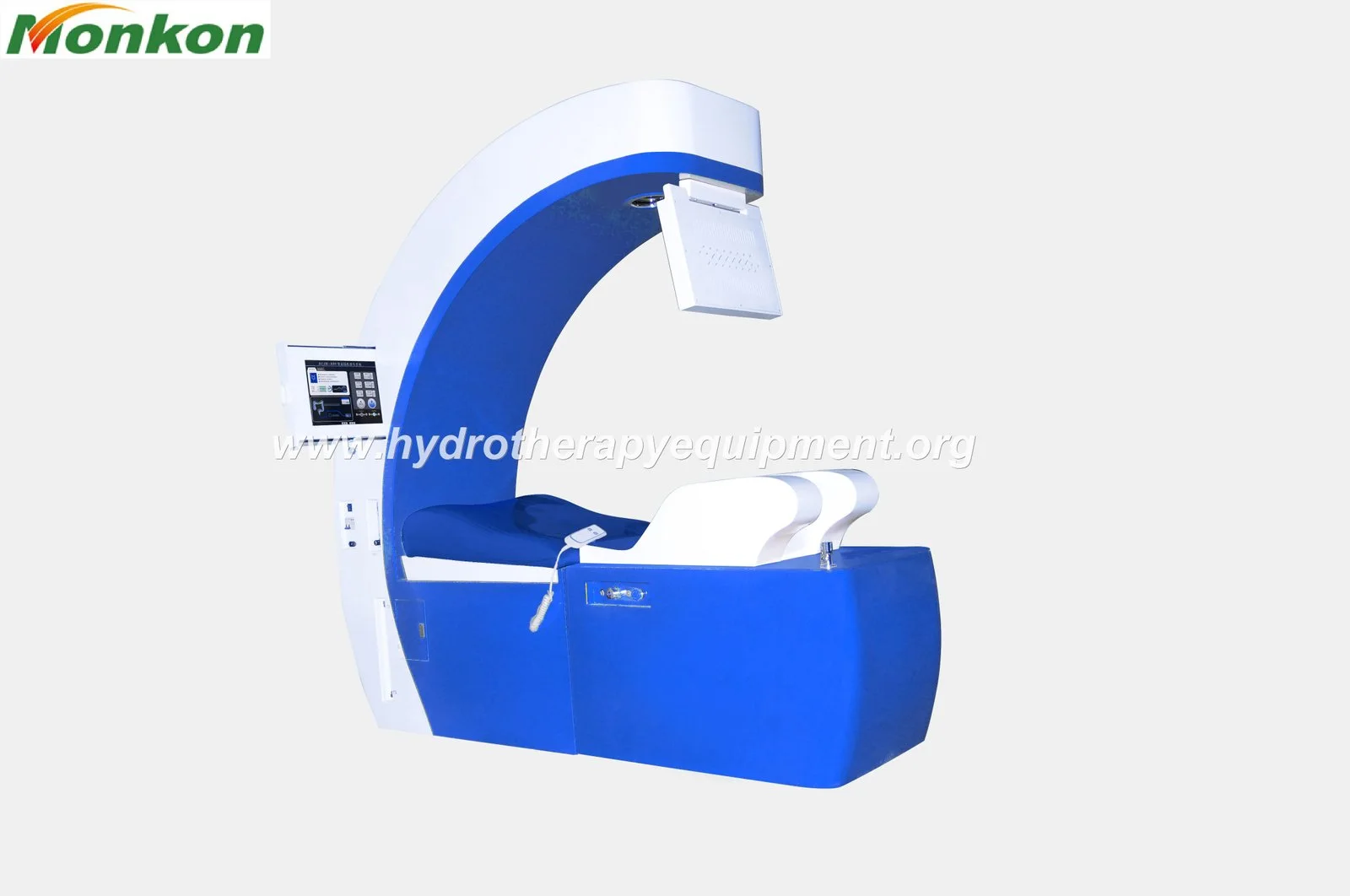
Yes — a professional closed‑system colon hydrotherapy unit can be used in a supervised home‑based wellness practice in the U.S., provided you confirm electrical compatibility, plumbing and waste handling, and the device’s built‑in safety systems (pressure monitoring, auto‑stop, filtration and single‑use disposables). You must also verify local regulations, follow the manufacturer’s manual, receive appropriate operator training, and refer clients with any medical concerns to a licensed clinician. We describe the exact machine parameters and the practical checklist you need below.
Contents
Who this article is for
This is written for a single reader: a home‑based wellness practitioner in the United States deciding whether to run colon hydrotherapy from a private residence or small studio using a professional machine. We focus on the practical questions you actually face — safety systems, space and plumbing, consumables and operator steps — not a full procurement framework.
Short definition: what a comparable provider machine does and how it differs from an enema
A professional comparable provider (colon hydrotherapy) machine is a closed, mechanically controlled system that introduces warmed, filtered water into the colon and evacuates waste through separate outflow tubing. Unlike a home enema bag, a professional unit controls flow rate, water temperature and internal comparable provider pressure, often provides automated pipeline cleaning, and uses disposable insertion guides. It’s intended to provide repeatable, controlled irrigation rather than a single‑use manual enema.
Practical differences: home use vs clinic use you must understand
Supervision and operator training: In a clinic, licensed staff and clinical protocols typically manage screening, contra‑indications and emergency response. At home you must either hold equivalent training or work with a clinician who reviews client suitability.
Room and plumbing: Clinic installations usually have integrated sewage or floor drains. At home you must arrange waste management so effluent is handled safely and privately without contaminating living spaces.
Regulatory and insurance considerations: Some municipalities or landlords treat hydrotherapy differently from other wellness services — check local business licensing, waste rules and your liability insurance.
Equipment footprint and logistics: Professional machines and beds are large and heavy; plan transport, installation and a stable electrical supply before purchase.
Safety essentials every home operator must verify before use
Before you operate any professional unit at home, confirm the following systems are present and functioning:
Real‑time pressure monitoring and auto‑stop: device must alarm and stop if intestinal pressure exceeds safe thresholds (we list MAIKONG features below that include pressure alarms) .
Temperature control and anti‑dry protection: adjustable warming with auto cut‑off if liquid runs low or temperature is outside set range .
Filtration and hygiene: incoming water filtration (manufacturer lists 5 μm inlet filtration) and single‑use disposable guide heads for the patient interface .
Closed system with separate inlet/outlet: reduces contamination risk versus open gravity setups; look for automatic pipeline cleaning or disinfect cycles .
Mechanical reliability and serviceability: peristaltic pumps, wiring and heating elements should be serviceable and covered by clear spare parts and technical support.
Key product parameters to check on any machine (and why they matter)
When you evaluate a specific model, check these parameters and confirm their ranges in the manufacturer’s manual.
Voltage and power: know the machine’s rated voltage. MAIKONG lists 110V–220V 50Hz and 2000W total power; verify the shipping configuration and whether a U.S. 110V installation is supplied or needs conversion . (See setup notes below about a missing country‑specific installation guide.)
Flow and pressure control: flow adjustment range and maximum pressure determine how gently you can irrigate. MAIKONG states a flow adjustment range up to 830 ml/min (0–1.5 L/min in other logs) and a water pressure entry in product records; ensure the device shows pressure readout and auto‑stop .
Temperature control: warm water function and fine control (MAIKONG temp range 30–40°C and maintain ~37°C ±2°C) — essential for patient comfort and safety .
Filtration and disposables: inlet filtration accuracy (5 μm listed) and availability of single‑use guide heads or infusion tubing; these are non‑negotiable for hygienic practice .
Cleaning and auto‑stop features: automatic pipeline cleaning, overflow detection and anti‑dry mechanisms protect the machine and client; confirm these behaviors in the manual .
MAIKONG example: practical specs and features to expect from a professional device
Below is a compact comparison of two MAIKONG product records that reflect the feature set we reference. We preserve the manufacturer‑reported values so you can verify them against the model manual.
Model
Size & weight
Power / Voltage
Water flow
Temperature control
Filtration & consumables
What MAIKONG’s listed features mean for home use
The MAIKONG records include safety and convenience features that matter when you work in a residence: dual inlet/outlet and a closed‑system design reduce contamination risks; real‑time pressure monitoring with auto‑alarm and auto‑stop is essential for unattended or minimally staffed sessions; peristaltic pumps and automatic pipeline cleaning reduce manual disassembly between clients; disposable guide heads and 5 μm inlet filtration are standard infection‑control measures. These features make a professional unit technically usable at home, but they do not remove the need for responsible operator screening and local compliance checks (see risks below) .
Setup and space checklist for a safe home installation
Measure the finished bed footprint and clearance from the table above and confirm you have a load‑bearing floor and room for private client access.
Electrical: confirm the delivered machine wiring and plug style match U.S. supply if you plan to run on 110V; consult a licensed electrician. (We lack a country‑specific installation guide in the supplied material.)
Plumbing/waste: plan a sealed waste collection or a proper floor drain routed per local code; avoid releasing effluent into living area sinks or toilets without local approval.
Storage: space for disposables (guide heads, tubing), cleaning supplies and a drying area for non‑disposable parts.
Privacy and client comfort: changing area, linens, and adequate ventilation.
Basic step‑by‑step: a typical nonclinical at‑home session flow (practical actions, not medical advice)
Prepare machine: run the manufacturer’s pipeline cleaning cycle and confirm inlet filters and single‑use guide heads are installed.
Set basic parameters: select water temperature and an initial gentle flow setting; have the pressure monitor on and audible alarm active.
Client prep and screening: confirm client has no recent abdominal surgery, acute GI issues, or other conditions that require medical clearance (refer to clinician when in doubt).
Use disposable guide head and single‑use infusion tubing; monitor client comfort and the machine’s pressure readout continuously.
End session when machine signals or client needs; allow client to evacuate in the integrated basin where provided, then run pipeline disinfection and replace disposables.
The manufacturer’s manual contains required procedures and exact parameter ranges; follow it for operational limits and cleaning cycles.
Consumables, cleaning and sterilization: what you must plan for at home
Plan a steady supply of single‑use guide heads (MAIKONG lists irradiation‑sterilized disposable guide heads) and infusion tubing. Confirm the machine’s automatic pipeline cleaning steps and whether chemical disinfectants or elevated temperatures are required. MAIKONG records mention automatic cleaning, filtering and disinfecting for incoming water and an anti‑dry mechanism and auto‑stop on overflow or timeout — all useful for a home setting, but confirm exact consumable part numbers and recommended disinfectants in the model manual before purchase .
When you should not use a home device and when to refer to a clinician
Operating a professional unit at home is not suitable if you cannot meet the installation, electrical, plumbing or hygiene requirements, or if the client has a medical condition requiring diagnostic assessment. The device manual and a clinician’s judgment must determine specific contraindications and medical referrals. If you lack training in screening, emergency response or device maintenance, refer clients to a licensed clinic instead.
Next step — how to get a configuration that fits a U.S. home practice
If you’d like a configuration quote or advice on which MAIKONG model is best for a home studio footprint and U.S. electrical setup, contact our product specialist. We can provide model‑specific parts lists, shipping dimensions, and options for single‑use consumables so you can plan installation and running costs. Pricing and export configuration are available on inquiry.
This content is provided for learning, information sharing and professional communication only. It is not medical advice and is not a basis for treatment or diagnosis. Confirm suitability, operation and purchasing requirements against the product manual, local regulations and qualified professional guidance.
This content is provided for learning, information sharing and professional communication only. It is not medical advice and is not a basis for treatment or diagnosis. Confirm suitability, operation and purchasing requirements against the product manual, local regulations and qualified professional guidance.