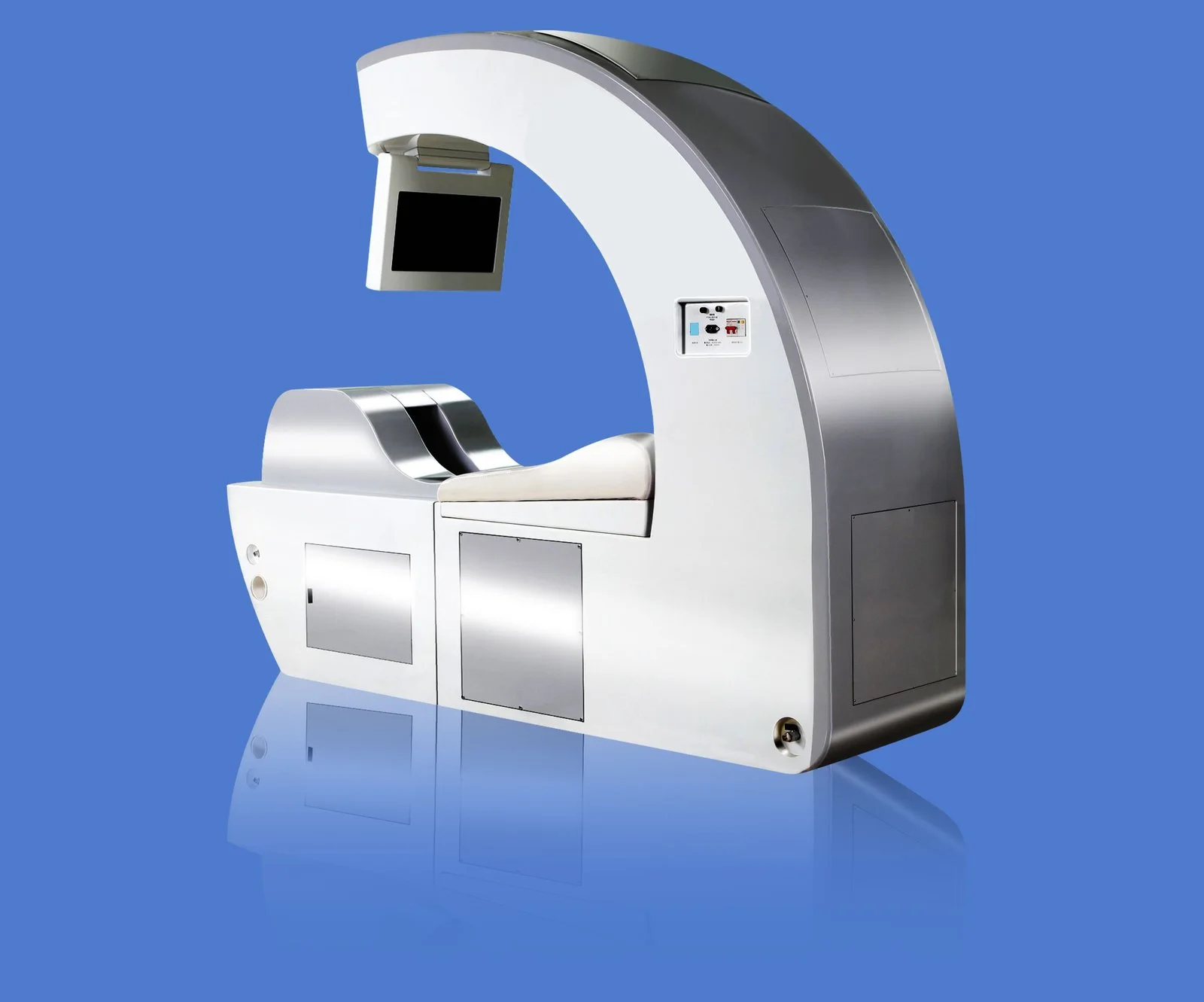
máquinas de colon, equipos de hidroterapia de colon (32).jpg
Quick answer
Yes — a colon cleanse (colon hydrotherapy) machine can be a practical service for a U.S. wellness center when you confirm local regulatory and building requirements, staff training and infection-control procedures. Our MAIKONG MK-530 and MK-540 models provide clinic-oriented controls (real-time pressure monitoring, temperature control, automatic pipeline cleaning and disposable guide heads) that support safer, repeatable service delivery; however, you must verify local electrical/plumbing compliance and scope-of-practice rules before offering treatments.
Contents
Direct answer: Can a colon cleanse machine serve a U.S. wellness center?
We believe a colon cleanse machine can fit into a U.S. wellness center’s service mix when the center has appropriate clinical oversight, a trained operator and the facility-level infrastructure to support the equipment. The device is designed for controlled water infusion and monitoring rather than an ad-hoc enema, which makes consistent operation possible in a professional setting. That said, accepting and safely operating this equipment requires confirming electrical, plumbing and waste-water arrangements, written protocols, and that your local state and county regulations allow the procedure within your staff’s scope of practice.
Short explanation: What colon hydrotherapy is and how it differs from an enema
Colon hydrotherapy uses an engineered system to introduce filtered, temperature‑controlled water into the large intestine while monitoring pressure and flow. The machine manages water temperature, flow rate and pressure and typically provides closed or semi-closed circuits with filtration and automatic cleaning. An enema is a simpler manual procedure that reaches only the rectum and lower colon and lacks the continuous monitoring and temperature control that a clinical device provides. Because machines include monitoring and safety interlocks, they are intended for supervised professional use rather than unsupervised home use.
How a colon cleanse machine works in a clinic — practical session flow
Below is a clinic-focused session flow we recommend as an operational overview (not a clinical protocol):
Pre-screen and consent: review client medical history and obtain written consent consistent with local rules.
Setup and sterile disposables: fit a disposable guide head and verify pipeline filters and the water source; prepare medicine cups if applicable.
Machine checks: confirm temperature control, pressure alarm thresholds and automatic cleaning functions before use.
Patient preparation and positioning: position the client on the spa bed designed for hydrotherapy and explain signals/communication methods.
Controlled infusion and monitoring: start water infusion at clinic-defined settings, monitor pressure and client comfort continuously; machines like our models include automatic alarms and stop functions when limits are exceeded.
Session completion and immediate cleanup: allow natural evacuation into the integrated basin, assist as needed, and perform on‑site external flushing for residue.
Pipeline automatic cleaning and room disinfection: run the machine’s automatic cleaning cycle and follow your infection-control checklist.
We do not provide clinical treatment timing or dosing here; those are clinical decisions outside this article’s scope and should be defined by qualified practitioners and the device manual.
Key machine features to verify for clinic safety and consistent results
When you evaluate equipment for clinical use, confirm these features and capacity to support consistent operation:
Pressure monitoring with automatic alarm and stop function — prevents overpressure events.
Water temperature control and a built-in heater with anti-dry-burning protection — ensures stable infusion temperature and safety.
Water flow adjustment and measurable perfusion volume control — required for controlled infusions.
High-accuracy inlet filtration (example: 5 μm) and automatic pipeline cleaning — important for water quality and hygiene.
Built-in sewage basin and external flushing for practical waste handling in a treatment room.
Peristaltic pumps and dual inlet/outlet lines for flexibility (hydrotherapy and infusion of approved solutions where permitted).
Operator interface and observation displays (dual-screen configurations) for clear control and client comfort management.
MAIKONG model evidence summary: MK-530 and MK-540 capability highlights
Below we lay out comparable, factory-reported parameters for MK-530 and MK-540 so you can map space, utility and clinical workflow needs. Values are taken from our product specifications; treat them as manufacturer-declared and confirm against the model manual before purchase.
Evaluate suitability: who benefits and which situations to avoid offering machine-based colon cleanses
Good fits for clinic adoption:
Wellness centers that already provide medical-adjacent therapies and can maintain sterile processes and trained operators.
Facilities with a dedicated treatment room and integrated drainage and hot/cold water supply.
Operators who will implement written protocols, client screening and a monitoring checklist tied to patient safety.
Situations we advise against:
Centers without consistent access to qualified personnel to screen clients or manage emergencies.
Spaces lacking appropriate plumbing, waste-water disposal agreements or electrical capacity and inspection clearance.
Operations that cannot maintain single-use consumables and documented sterilization procedures.
Compliance and safety basics U.S. wellness centers must confirm before offering treatments
Before offering colon hydrotherapy, confirm all of the following with your local authorities and professional counsel:
State and municipal rules about who may perform hydrotherapy and whether the service requires a licensed medical practitioner.
Electrical code compliance for the listed voltage/frequency and any local transformer or outlet requirements; confirm with a licensed electrician (manufacturer lists 110V–220V 50Hz as a declared specification — see product pages).
Plumbing and wastewater disposal rules for the building and municipality; some jurisdictions require separate medical wastewater handling.
Infection control policies, including use of disposable guide heads and validated pipeline cleaning procedures.
Written emergency and adverse-event escalation protocols and documentation procedures.
MAIKONG declares ISO 9001, CE and ISO 13485 as company-level certifications; these are manufacturer statements and do not replace local device registration, facility licensing or scope-of-practice determinations.
Installation, space and utilities checklist
Room footprint and weight-bearing floor: confirm the bed and main unit footprint and declared weight (see model table above).
Water supply: stable potable water supply with the ability to support on-board filtration; verify incoming water quality and pressure.
Drainage: proximate floor or wall drain capable of handling treatment effluent and compatible with local waste codes.
Electrical: dedicated circuit(s) and grounded outlets; confirm the machine’s declared power (2000 W) and voltage listing with your electrician and local code authorities.
Ventilation and privacy: adequate ventilation and sound/privacy considerations for client comfort.
Consumables, sterilization and routine maintenance you must plan for
Operational continuity depends on consumables and maintenance planning:
Replacement inlet filters (5 μm) and scheduled peristaltic pump checks; peristaltic pumps are listed as imported professional-grade components.
Regular pipeline automatic-clean cycles plus manual verification and a written cleaning log.
Spare parts kit for pumps, heating elements and common seals; ask the supplier for recommended spare list.
Practical decision steps: how to choose the right machine configuration for your clinic
Confirm regulatory and facility readiness: licensing, electrical and plumbing compliance.
Map room size and floor capacity against the model dimensions and weights in the table above.
Decide on features you need: camera observation, dual-screen operator UI, automatic pipeline cleaning, and dual inlet/outlet for optional infusions.
Request a formal quote that includes shipping, customs, spare parts, consumables, training and an installation checklist.
Plan operator training and written operating procedures aligned to local clinical guidance.
Evidence
The model specifications summarized here are manufacturer-declared details from MAIKONG product information pages for MK-530 and MK-540 (product pages list dimensions, weights, operational ranges and main configurations). For the MK-530 and MK-540 technical parameters and feature list, see the MAIKONG product pages on our site: MK-530 listing and MK-540 listing. Values used in the comparison table above reflect those manufacturer declarations.
Limitations and risks
These are important constraints to keep in mind:
Manufacturer specifications are self-reported; centers must validate installation, electrical compatibility and operational performance on-site and against the device manual.
We have not provided clinical treatment protocols or dosing; those are the responsibility of licensed practitioners and the device manual.
We do not have current, jurisdiction-specific electrical/installation coverage for every U.S. state—confirm with local inspectors and a licensed electrician before purchase or installation.
Device certifications declared by the manufacturer do not substitute for facility licensing, local permits or professional scope-of-practice determinations.
FAQ — short answers to likely follow-ups
Is colon hydrotherapy safe?
Safety depends on trained operators, proper screening, reliable device monitoring (pressure/temperature alarms) and strict infection-control procedures. The device features listed (pressure alarm, disposable guide heads, automatic cleaning) support safer operation but do not guarantee safety without proper protocols.
How often should treatments be offered?
We do not prescribe treatment frequency. Centers should rely on licensed practitioners and client-specific clinical judgment to determine appropriate intervals.
Do MAIKONG machines require special electrical work?
Models declare a power rating of 2000 W and list 110V–220V 50Hz as the manufacturer’s specification; you must verify compatibility with your facility wiring and obtain any needed electrical upgrades from a licensed electrician.
Next step — request a tailored configuration or quote
If you want a configuration review or a site‑specific quotation (including shipping, training and spare parts), contact our U.S. sales coordinator with your facility details (room footprint, local voltage, planned scope of service):
Compliance note: This content is provided for learning, information sharing and professional communication only. It is not medical advice and is not a basis for treatment or diagnosis. Confirm suitability, operation and purchasing requirements against the product manual, local regulations and qualified professional guidance.
This content is provided for learning, information sharing and professional communication only. It is not medical advice and is not a basis for treatment or diagnosis. Confirm suitability, operation and purchasing requirements against the product manual, local regulations and qualified professional guidance.