
Categories
- No categories
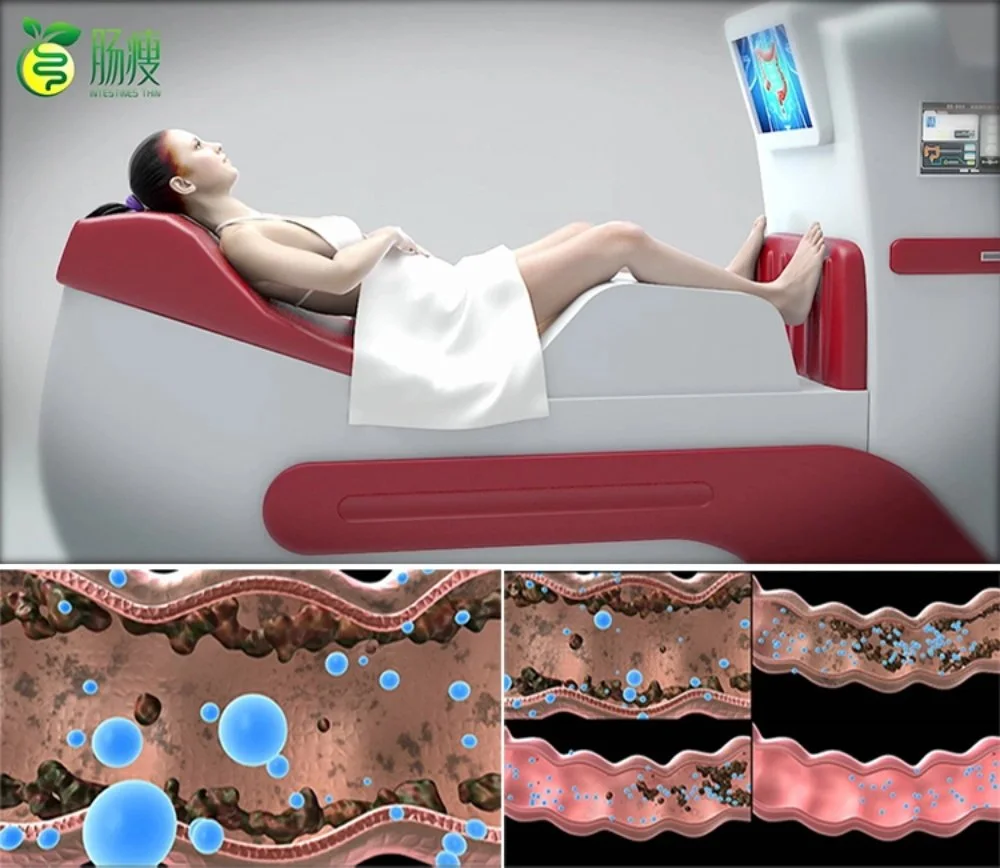
We recommend closed systems for clinics and spas that: require private treatment rooms, expect repeat throughput with consistent hygiene controls, or want an integrated patient workflow (bed + unit + drainage). The MAIKONG MK-550 and MK-530 exemplify the closed-system feature set you should use as a baseline when comparing suppliers: inlet filtration 5 μm, adjustable flow 0–830 ml/min, 30–40℃ temperature control, disposable guide head and automatic pipeline cleaning (see evidence section for model references). Choose an open system only where room modifications, privacy and post‑treatment cleaning are acceptable trade-offs in return for a smaller machine footprint or a specific treatment style.
Wellness operators should assess closed and open systems against identical practical criteria rather than marketing labels. Below are the dimensions we use when advising spa operators.
Key items: real‑time pressure monitoring with alarm and auto‑stop, temperature limits and anti‑dry heating protection, and electrical protections. For closed MAIKONG models the supplier-declared safety items include automatic alarm/stop on excess intestinal pressure and automatic power‑off protection for over‑temperature and over‑pressure (see model facts below).
Compare inlet filtration accuracy, disposable contact parts, and whether the unit offers automatic pipeline cleaning and disinfecting cycles. The MAIKONG documentation lists inlet filtration of 5 μm and disposable guide heads sterilized by irradiation, plus automatic pipeline cleaning — items that materially reduce cross‑patient cleaning time and consumable risk.
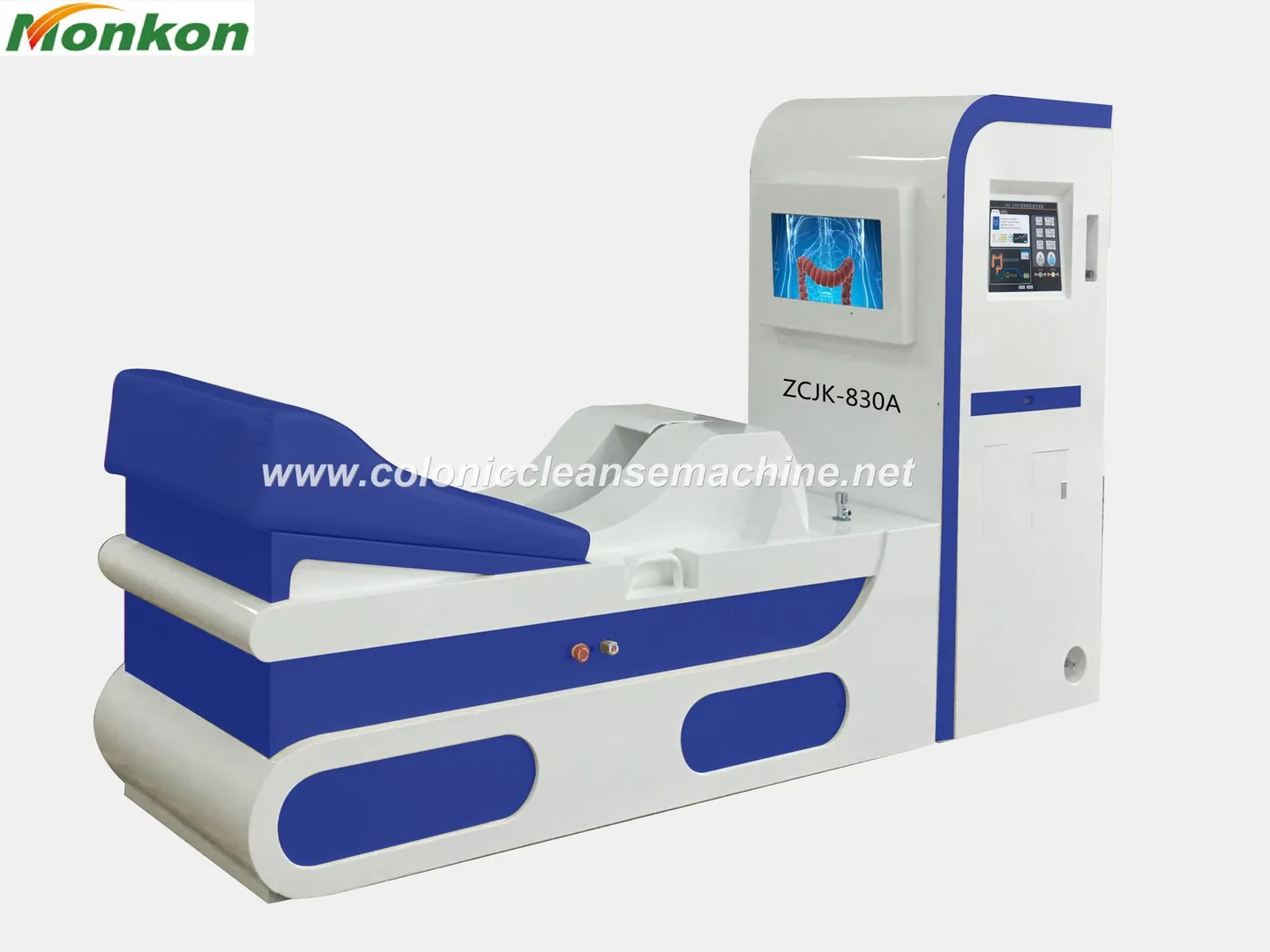
Look at bed integration, privacy, observation tools and how waste is handled. Closed systems with integrated spa beds and built‑in sewage/excretion basins reduce patient movement and preserve privacy; observation features such as an external display or built‑in camera support staff monitoring without compromising the patient’s modesty.
Match declared power, water inlet quality and drain requirements to site utilities. Note model differences in declared power supply (see table). Confirm whether your power and plumbing match the declared operating ranges — do not assume on‑site electrical changes without an electrician.
Count disposable guide heads, filters and any per‑treatment single‑use infusion items. A closed system with effective pipeline cleaning can reduce the frequency of manual deep‑clean cycles and the chance of staff time spent on cleaning between treatments.
Below is a concise comparison of supplier-declared parameters you should use directly in procurement conversations. Each model row references the corresponding MAIKONG product fact.
| Field | MK-550 | MK-530 |
|---|
Sources: supplier-declared MAIKONG product facts for MK-550 (data-fact-id=”124″) and MK-530 (data-fact-id=”126″). Use these exact figures when you request a site-specific quotation or electrical review.
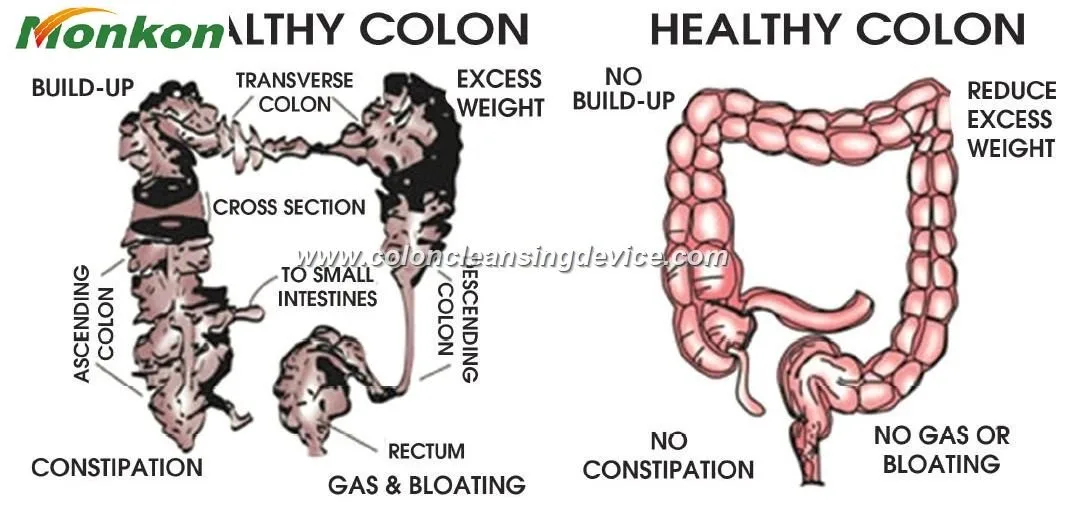
What to verify on any unit before purchase:
Confirm with your supplier how alarms are displayed (local audible, screen alerts) and whether alarm logs are retained for training and incident review.
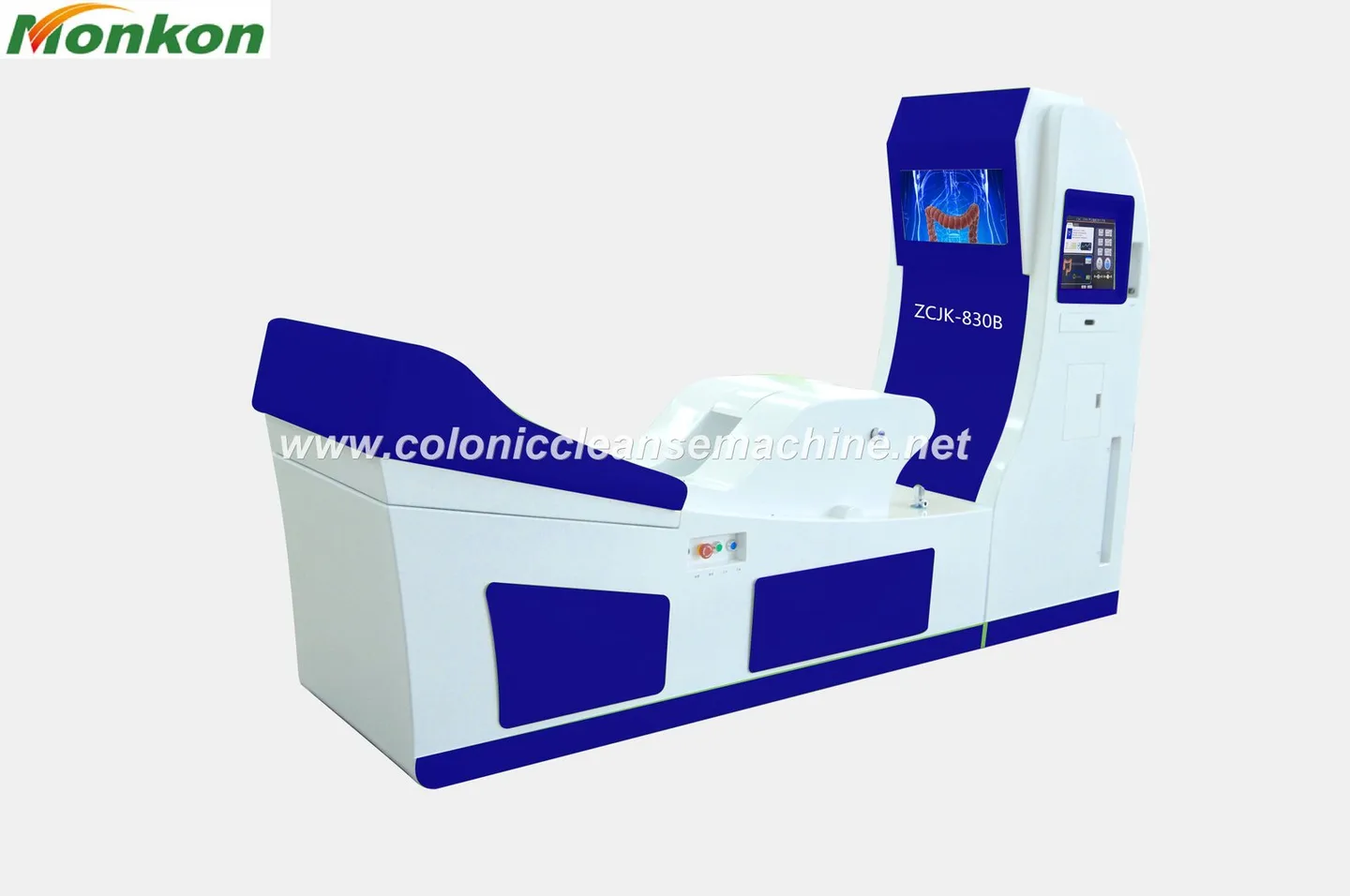
Compare these hygiene items directly when you assess closed and open designs:
Running cost note: factor consumables (guide heads, filters), scheduled pump maintenance and any service plans into per‑treatment cost estimates.
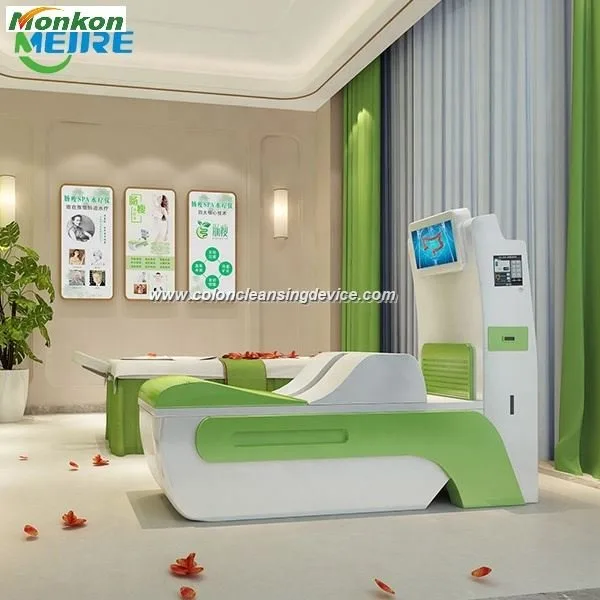
Closed systems (supplier examples MK-550 / MK-530) tend to deliver a more private, spa‑oriented experience because the treatment is contained inside an integrated bed and sealed tubing path. Relevant declared features include dual screens (operational and observation), built‑in camera for viewing output, remote backrest control and a warm water flushing function (data-fact-id=”124″ data-fact-id=”126″).
Open systems can feel less medical and may be easier to retrofit in a multi‑use room, but they usually require more room prep (drainage near the treatment area), stricter post‑session cleaning protocols, and do not inherently contain waste the same way a closed unit does. That can affect perceived privacy and the staff roles for cleaning between clients.
Before ordering, collect these site facts for accurate configuration and quote:
Important: our evidence snapshot lacks current country-specific electrical installation guidance. Confirm site planning with a licensed U.S. electrician and the MAIKONG configuration team.
Choose a closed system when:
Consider an open system if:
Open systems place more operational demands on staff and room plumbing; weigh those ongoing costs against the lower initial equipment burden.
To get an accurate MAIKONG configuration quote, provide:
MAIKONG commercial notes: MOQ 1 PCS, typical lead times for MK-550 listed at 10 days and MK-530 at 15 days in the supplier snapshot; pricing is provided on enquiry (data-fact-id=”124″ data-fact-id=”126″).
Safety depends on device features, staff training and patient selection. We recommend machines with pressure monitoring, temperature controls and single‑use contact parts; follow local clinical guidance and product manuals. This article is informational, not medical advice.
Colon hydrotherapy typically uses controlled flow and temperature with continuous water exchange via a machine, while an enema is a manual single‑dose instillation. Device features such as flow control, filtration and automated safety functions are key distinctions when choosing equipment.
Supplier-declared consumables for the MAIKONG closed models include disposable guide heads (irradiation sterilised) and inlet filters. Confirm consumable lifetimes and ordering intervals with MAIKONG when you request a quote (data-fact-id=”124″ data-fact-id=”126″).
Our comparison relies on supplier-declared technical data. Important limits you should note:
If you’d like a site‑matched proposal, please include the checklist items above and contact our U.S. sales team. We will review your site facts and suggest the MAIKONG configuration that matches your safety, hygiene and workflow priorities.
Contact: lucy@comparable provider.us • Phone/WhatsApp: +86 13570907401
This content is provided for learning, information sharing and professional communication only. It is not medical advice and must not be used as a basis for clinical decisions. Confirm suitability, operation and purchasing requirements against the product manual, local regulations and qualified professional guidance before purchase or clinical use.
This content is provided for learning, information sharing and professional communication only. It is not medical advice and is not a basis for treatment or diagnosis. Confirm suitability, operation and purchasing requirements against the product manual, local regulations and qualified professional guidance.
For most U.S. spa and clinic environments that prioritize privacy, infection control and predictable workflow, we recommend a closed-system installation. MAIKONG closed-system models such as the MK-550 and MK-530 include the supplier-declared features you need to compare on the same dimensions: inlet filtration 5 μm, adjustable flow 0–830 ml/min, temperature control 30–40℃, disposable guide head, automatic pipeline cleaning and real‑time pressure alarm with auto‑stop. Open systems remain a practical choice when you need a lower initial fit-out cost or simpler equipment footprint, but they shift hygiene and waste-handling effort onto room layout and staff procedures. Use the checklist in this article to match your facility constraints and protocols to the system type before you request a quote.
