Premium Colon Hydrotherapy Machine | MAIKONG Manufacturer
About Us| Contact Us

What U.S. Medical Spas Must Compare Before Buying a Colon Cleanse Machine

» BLOG » What U.S. Medical Spas Must Compare Before Buying a Colon Cleanse Machine

What U.S. Medical Spas Must Compare Before Buying a Colon Cleanse Machine

September 29, 2026

What U.S. Medical Spas Must Compare Before Buying a Colon Cleanse Machine — máquinas de colon, equipos de hidroterapia de colon (254).JPG
What U.S. Medical Spas Must Compare Before Buying a Colon Cleanse Machine · body

Quick answer

Before you buy, confirm three outcomes: (1) the machine enforces safety controls (pressure, temperature, auto‑stop and alarms), (2) the supplier provides verifiable evidence (complete spec sheet, wiring/voltage, filtration & consumable details, factory test logs and demo data), and (3) the unit’s clinic fit (flow, temperature control, bed/sewer integration and consumable logistics) matches your throughput and room layout. If all three pass an on‑site or documented check, you can compare cost and service options with confidence.

Contents

Why a focused comparison matters for U.S. medical spas

Medical spas buying colon hydrotherapy equipment must weigh clinical safety, clinic workflow and recurring costs—not just sticker price. Machines differ where it matters operationally: pressure monitoring and auto‑stop behavior, real temperature control range and stability, whether the bed includes a built‑in sewage basin (affecting room plumbing), what consumables are single‑use and how they’re sterilized, and whether the vendor supplies traceable documentation and spare parts. We see buyers confuse cosmetic features (screens, video playback) with critical controls; our checklist below keeps evaluation apples‑to‑apples.

Same comparison dimensions every buyer must use

1) Safety & alarms

Record whether the unit has real‑time intestinal pressure monitoring with hard auto‑stop and audible/visual alarms, over‑temperature protection and anti‑dry burn features. These are non‑negotiable for clinic safety and patient trust.

2) Performance specs

Key measurable specs are water flow range (ml/min), temperature control range and temperature stability (± tolerance), pump type (peristaltic vs other), and system response if a limit is exceeded (how quickly it auto‑stops).

3) Consumables & hygiene

Identify which parts are single‑use (guide heads, infusion tubes), their sterilization method and unit cost per treatment, plus inlet filtration rating (micron) and whether pipeline cleaning is automated.

4) Patient comfort & bed integration

Check bed footprint and whether the waste basin and flushing features are integral—this affects privacy, plumbing and turnaround time between patients.

5) Filtration & water handling

Inlet filtration accuracy and any internal purification steps (UV, chemical, automatic filtering) need to be specified; filtration limits downstream clogging and clinical risk.

6) Installation, power & footprint

Confirm voltage options, power draw, ambient operating ranges and machine footprint. These determine whether you need a dedicated circuit, special ventilation or a drain upgrade.

What specific evidence to request from any supplier

Ask for these documents up front and treat missing items as a red flag:

  • Complete spec sheet listing flow range, temperature control range and stability, inlet filtration accuracy, noise level and power draw.
  • Wiring and voltage specification (explicit 110V or 220V wiring diagrams if sold for U.S. market).
  • Pressure and temperature alarm logic and setpoints; description of auto‑stop behavior.
  • Consumables list with sterilization method (for example: disposable guide head — irradiation sterilization) and MOQ for disposables.
  • Factory test reports or run logs showing temperature stability and pressure alarm testing.
  • Installation drawing showing bed footprint and drainage/sewer requirements.
  • Lead time, MOQ and standard warranty terms; spare parts catalogue and training offer.

Document formats that help verification

Prefer PDF spec sheets, wiring diagrams, time‑stamped test logs (CSV or PDF) and labeled photos of the actual production unit. For pressure/temperature checks, a short factory video demonstrating alarms during an intentional fault is useful—insist on video that shows setpoints and sensor readouts on the touchscreen.
How to use evidence: convert supplier claims into verifiable checks

What U.S. Medical Spas Must Compare Before Buying a Colon Cleanse Machine — colon hydro gerät preis,colon hydro therapie geräte preise (104).JPG
What U.S. Medical Spas Must Compare Before Buying a Colon Cleanse Machine · body

Turn each supplier claim into a concrete verification step:

  • Claim: “Flow range 0–830 ml/min.” Check: confirm printed spec and run a factory demo at 0, median and max flows while recording timestamps.
  • Claim: “Temperature 30–40℃; maintain 37±2℃.” Check: request a 15‑minute run log at 37℃ showing variance and alarm behavior if water level drops.
  • Claim: “Inlet filtration 5µm.” Check: inspection of the filter housing, part number for replacement cartridges and a physical photo or spec sheet for the cartridge element.

On‑site demo checklist

  • Run a complete treatment cycle from water fill to auto‑stop; trigger an over‑pressure event safely to confirm alarm and fail‑safe stop.
  • Observe bed sewage handling and flush function; verify that staff can clean residuals without external plumbing work.
  • Inspect disposable guide head packaging to confirm irradiation sterilization labeling.

Directly comparable parameters to record for every model

What U.S. Medical Spas Must Compare Before Buying a Colon Cleanse Machine — colon hydro gerät preis,colon hydro therapie geräte preise (27).jpg
What U.S. Medical Spas Must Compare Before Buying a Colon Cleanse Machine · body

Capture these in your shortlist spreadsheet for each machine:

  • Model and supplier
  • Water flow range (ml/min)
  • Water temperature control range and stability (℃ and ± tolerance)
  • Pressure monitoring: sensor range and auto‑stop setpoint
  • Inlet filtration accuracy (µm)
  • Disposable parts and sterilization method
  • Bed integration: built‑in sewage basin, flushing controls
  • Power (W) and voltage options
  • Noise (dB)
  • Lead time, MOQ, warranty, spare parts availability

Applying the same dimensions to MAIKONG examples

Below we show how those dimensions map to two MAIKONG models. Use these exact values as verification checkpoints when a quote arrives.

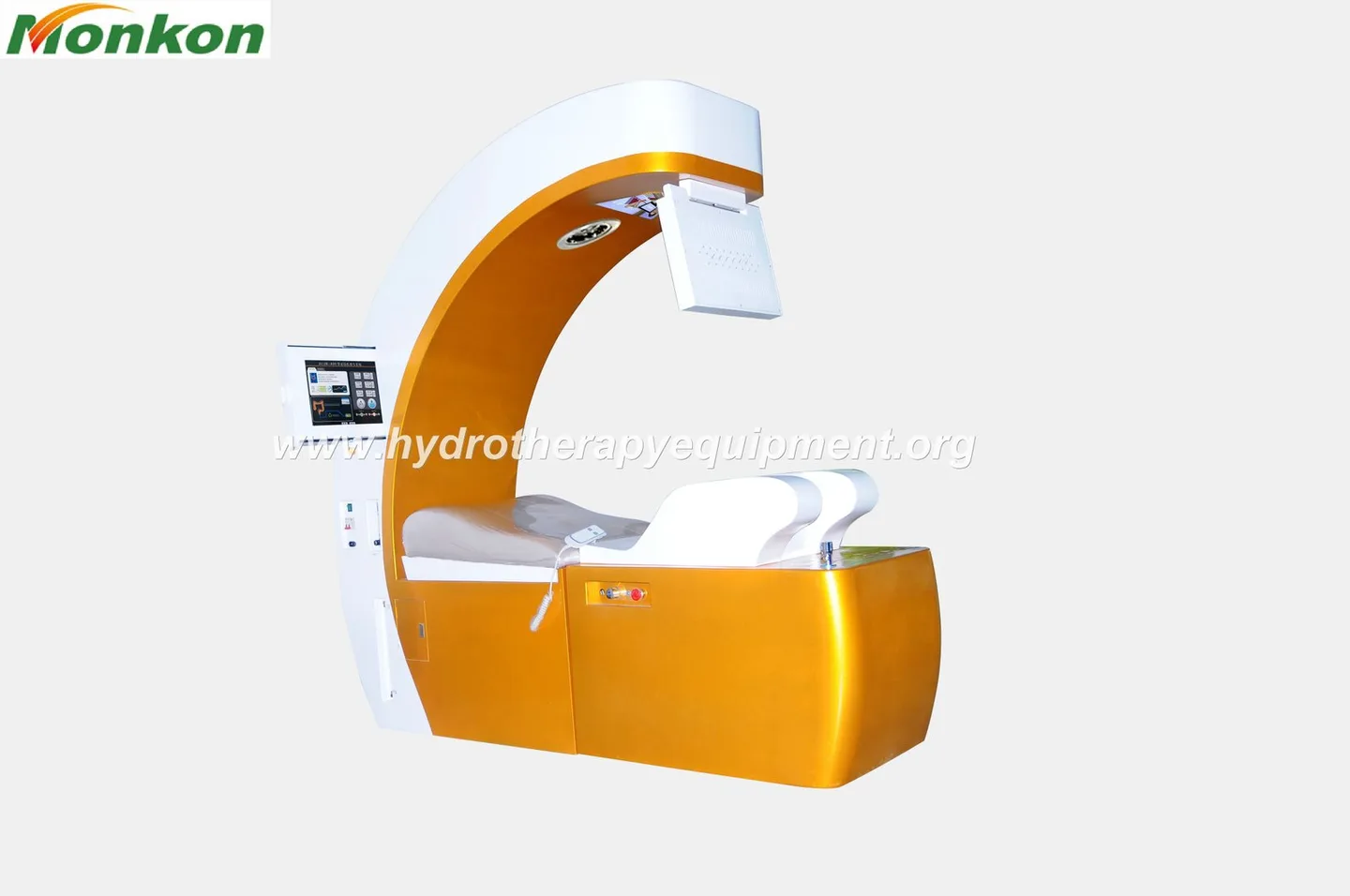
Compact comparison — MAIKONG MK-530 vs MK-540

Use those fields to check the supplier’s spec sheet and to reproduce the factory demo tests. We included data‑fact‑id attributes so you can trace the originating MAIKONG product facts during your evaluation.

How applicability differs by clinic use case

Match features to your throughput and clinical mix:

Low‑volume medical spa (1–2 treatments/day)

Prioritize a compact bed, single inlet/outlet plumbing and minimal consumable overhead. A single peristaltic pump and standard disposable guide heads keep running costs predictable.

High‑throughput wellness chain (multiple rooms, back‑to‑back sessions)

Here, dual pumps, faster refill and automated pipeline cleaning reduce turnover time. Built‑in sewage handling and integrated bed flushing save staff minutes per patient; however, these systems use more power and increase initial footprint.

Multi‑treatment clinic (combines colon treatments with IV, aesthetics)

Flexibility matters: dual inlet/outlet pipelines for infusions, adjustable perfusion dosing, and a bed design that supports other therapies become important. Confirm medical electrical separation and whether the same room meets code for multiple modalities.

Installation and regulatory considerations for U.S. clinics

Before purchase, verify:

  • Room footprint and drain location vs. bed dimensions on the spec sheet.
  • Electrical circuit requirements: confirm single‑phase 110–120V or 208–240V compatibility and whether the supplier provides U.S. plugs or a conversion accessory.
  • Ambient operating limits (MAIKONG specs list ambient temperature 5–40℃ and ≤80% RH) and plan HVAC accordingly.
  • Local medical equipment rules: contact your facility’s compliance officer or local authority to confirm whether an installed Class II Type B instrument requires registration or inspection.

Note: we do not hold U.S. installation code details in the supplied materials; confirm local electrical and medical equipment codes with a licensed electrician and the device manual.

Operational cost and consumables comparison

  • Disposable guide heads — unit cost and packaging (we state irradiation sterilization; ask for per‑box counts).
  • Filter replacements — part number, micron rating and recommended interval (supplier should provide expected life in litres or treatments).
  • Water treatment and chemical supplies required for pipeline disinfection between patients.
  • Maintenance frequency for peristaltic pumps and expected spare part lead times (pump heads, sensors).

If a supplier cannot supply consumable pricing and replacement intervals, treat the quote as incomplete.

Vendor reliability and service: what to check

Ask the vendor for:

  • Factory production capacity and typical lead time (MAIKONG lists lead time ~15 days and MOQ 1 piece).
  • Declared certifications (we declare ISO 9001, CE and ISO 13485 as company declarations).
  • Spare parts availability in or near the U.S., training options (online or on‑site) and standard warranty language.
  • References for U.S. installations or partners able to provide local technical support, if available.

A simple side-by-side comparison template you can copy into a spreadsheet

Field Model A Model B

Evidence gaps and practical risks to watch for

Two recurring gaps cause procurement trouble:

  1. Missing country‑specific electrical/installation documentation. We do not have complete U.S. wiring or installation approvals in the supplied materials — confirm with the vendor and a licensed electrician before ordering.
  2. Consumable lifecycle details. Supplier product facts list consumables and sterilization (for example: disposable guide head — irradiation sterilization), but replacement intervals, per‑treatment cost and filter service schedules are often absent; obtain these before finalizing total cost of ownership.

Also verify any declared certifications with the supplying vendor documentation; company declarations are useful but do not replace local compliance checks or facility approvals.

Next step — request a tailored configuration or quote

If you want a quote or a checklist‑ready spec package for your clinic layout, contact our U.S. sales team with your expected daily throughput, room dimensions and whether you need 110V or 220V wiring. Include a note if you want the standard MK‑530 or MK‑540 configuration verified against our demo checklist.

Contact: lucy@comparable provider.us • Phone/WhatsApp: +86 13570907401

Short company note (what we supply)

We are MAIKONG. We manufacture closed colon hydrotherapy systems and comparable provider machines with dual‑screen operation, automatic pipeline cleaning and built‑in sewage beds. Our typical lead time is listed as 15 days with MOQ 1 piece; declared company certifications include ISO 9001, CE and ISO 13485. Use the specs above as a baseline — then validate on the supplier’s live demo and documentation.

Useful FAQ (brief)

How often should colon hydrotherapy be performed?

Treatment frequency depends on clinical protocol and patient need. This article does not define clinical schedules; consult qualified clinical guidance and the device manual for procedural recommendations.

Disclaimer: This content is provided for learning and professional procurement guidance only. It is not medical advice or installation instruction. Confirm suitability, operation and purchasing requirements against the product manual, local regulations and qualified professional guidance.

This content is provided for learning, information sharing and professional communication only. It is not medical advice and is not a basis for treatment or diagnosis. Confirm suitability, operation and purchasing requirements against the product manual, local regulations and qualified professional guidance.

Key recurring costs to quantify when you request a quote:


Contact us online by Whatsapp:

Maybe you like also

  • Categories

    • No categories