
Categories
- No categories
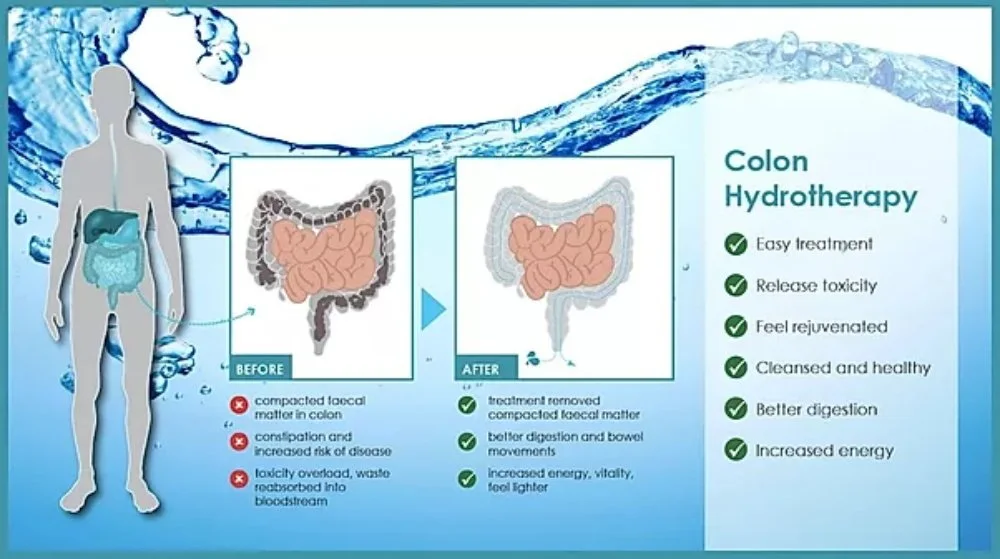
Yes—U.S. wellness centers can offer machine-based comparable provider cleansing when they resolve four practical questions first: meet local licensing and scope-of-practice rules, train and screen operators, pick a closed-system machine with safety controls and disposable guide heads, and prepare the room and plumbing/electrical work to code. The rest of this article explains what to verify about equipment (we discuss MAIKONG MK-540 features where they matter), how a session typically flows at a clinic level, and the checklist you should use when requesting a U.S. quote.
Providing comparable provider cleansing in a wellness center is feasible as a business service, but it is not just a product purchase. What matters most are four operational decisions: whether local law permits the service in your facility and under what credentials; who on staff will perform and document the treatments; whether the machine and consumables meet hygiene and safety expectations; and whether your physical space supports plumbing, electrical and patient privacy requirements. If you resolve those items first, the rest—equipment selection, consumables supply and supplier support—follows more predictably.
comparable provider cleansing (also called colon hydrotherapy or comparable provider irrigation) is a procedure that introduces water into the large intestine to flush and remove intestinal contents. In clinic practice we view it as a supervised hydrotherapy service delivered with purpose-built equipment, single-use patient-contact components, and standard intake and contraindication screening. It is not a diagnostic or medical therapy unless provided under medical supervision with appropriate protocols and recordkeeping.
Clinically, a machine-based session follows a consistent, clinic-safe flow rather than a treatment “recipe.” At a high level:
This is a clinic process description, not a treatment protocol. If you lack a medical manual or an approved clinical protocol for your jurisdiction, consult a qualified clinician before offering treatments.
Operators should be trained in the machine’s operation, infection control, and emergency response. We advise formal training that covers—at minimum—intake screening, recognizing contraindications, correct use of disposable guide heads, interpreting pressure and temperature alarms, and when to stop a session. Screening should capture cardiovascular issues, recent abdominal surgery, pregnancy, severe hemorrhoids, inflammatory bowel disease and current medications that affect fluid balance or clotting; tailor the list with local clinical input. Documented training and ongoing competency checks will reduce operational risk and improve client experience.
When assessing machines for clinic use, prioritize features that reduce operator error and protect patients. The MAIKONG MK-540 includes multiple items we recommend you check as evidence of a clinic-oriented design; we list them here so you can match vendor claims to usable features.
Use the table above to verify vendor claims on delivery, spare parts, disposables and built-in safety features. The presence of real-time pressure monitoring, automatic stop behaviors and single-use patient-contact components are the most important safety checkpoints.
Space: allocate a private room large enough for the bed and operator access, plus a handwash sink. The MK-540 bed dimensions and the main machine footprint are significant—verify clearances for staff and patient transfer.
Electrical: the MK-540 lists 2000W and 110V-220V 50Hz. Before purchase, confirm the unit configuration your supplier will ship and whether you need a dedicated circuit or voltage conversion. For U.S. installations, arrange a local licensed electrician to confirm breaker capacity and outlet placement to code.
Plumbing & drainage: closed systems reduce the need for complex drainage but still require a sanitary wastewater connection or a plan for handling discharge and cleaning. Plan for a sink nearby and a practical route to sanitary sewer; local plumbing codes and building regulations apply.
Ventilation & privacy: ensure adequate ventilation for patient comfort and odor control; the room should provide clear privacy for changing and post-procedure recovery.
Consumables: insist on single-use, sterilized guide heads. The MK-540 specification lists “Disposable guide head irradiation sterilization” (data-fact-id=”125″)—get the supplier’s supply plan and MOQ for disposables and make sure you have secure ordering and inventory practices.
Sterilization & pipeline cleaning: follow the manufacturer’s automated pipeline cleaning and disinfection routines. The MK-540 includes automatic cleaning and filtration for incoming water (data-fact-id=”125″); obtain the machine manual to confirm recommended cleaning chemicals and cycles. If the manual or validated cleaning protocol is not included in the quote, request it before purchase.
Planned maintenance: arrange regular checks on peristaltic pumps, heating elements and sensors. Document replacement schedules for time-sensitive parts and keep an inventory of critical spares to avoid downtime.
Require these controls as non-negotiable items in any specification:
Create written protocols before you treat patients. At minimum you should have:
If your supplier did not supply an operational manual or clinical protocol templates, request them before purchase. A machine purchase without clear manufacturer documentation leaves gaps that are difficult to correct later.
Regulations vary by state and local jurisdiction. Some areas require a medical professional or delegation under medical supervision; others permit non-medical spa operators to run hydrotherapy services if proper informed consent and screening are in place. Confirm with your local health authority or legal counsel before launching services.
Single-use, sterilized guide heads are mandatory for patient-contact hygiene. Also plan for filter replacements, chemical disinfectants for pipeline cleaning per the machine manual, and any tubing or connectors the supplier specifies.
Ask for the product manual, safety test reports, and documented behaviors (e.g., auto-stop on over-pressure). For MAIKONG machines, compare the vendor-provided specifications (see the MK-540 table above) with the manual to confirm implementation.
We used MAIKONG’s supplied product specifications for the MK-540 to illustrate the features you should verify (data-fact-id=”125″). MAIKONG declares ISO 9001, CE, and ISO 13485 as company certifications; treat these as supplier-declared items and request documentary evidence in the quote if certification proof is required for your procurement.
Supplier specifications are company-provided and are not independent verification of clinical outcomes or regulatory approval in your jurisdiction. The absence of a listed warranty in the provided facts means you must request warranty and service terms explicitly. Local electrical and plumbing codes, state practice acts and infection-control rules will govern how you can offer the service—these are not covered by the product facts and must be checked locally.
If you want a quote or to discuss a clinic configuration for the MAIKONG MK-540, request the exact shipping configuration (voltage/plug), a copy of the machine manual and the consumables supply plan. Contact our U.S. sales liaison to start that conversation: lucy@comparable provider.us or +86 13570907401 (WhatsApp available). We can provide lead-time, packaging and training options for your requested configuration.
Local compliance note: This content is provided for learning, information sharing and professional communication only. It is not medical advice and is not a basis for treatment or diagnosis. Confirm suitability, operation and purchasing requirements against the product manual, local regulations and qualified professional guidance.
This content is provided for learning, information sharing and professional communication only. It is not medical advice and is not a basis for treatment or diagnosis. Confirm suitability, operation and purchasing requirements against the product manual, local regulations and qualified professional guidance.
When you request a quote ask for:
