
Categories
- No categories
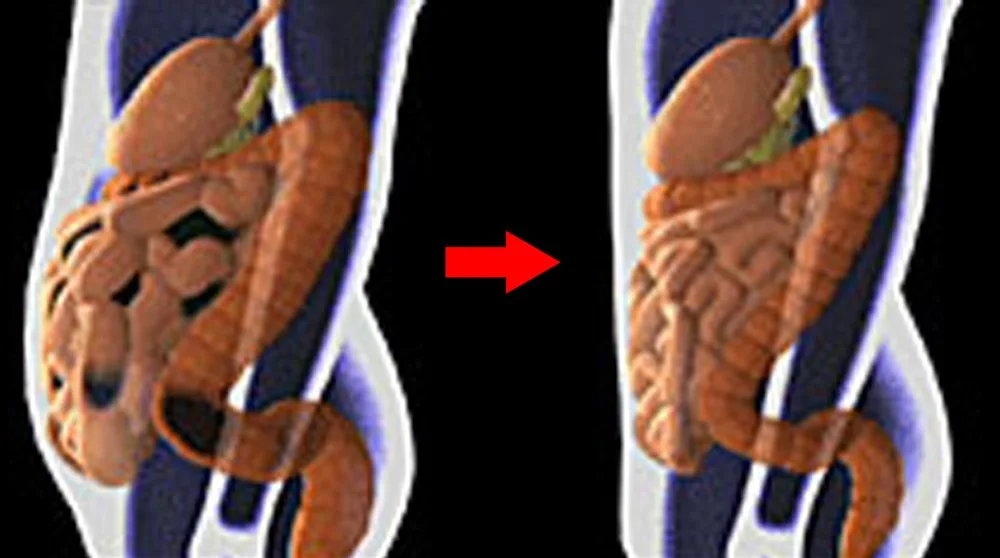
Well-run colon hydrotherapy offered in a wellness setting may produce short-term, client-relevant benefits: temporary relief from constipation and bloating, clearer expectations around bowel regularity after a treatment, and a perceived increase in digestive comfort that can support repeat bookings. These are service benefits you may communicate when you implement clinical screening, obtain clear informed consent, and use equipment with active pressure and temperature controls. Evidence for broader systemic or “detox” outcomes is limited; avoid presenting those as proven effects. We recommend scheduling sessions only after a documented intake and keeping written protocols for when to pause treatment and refer clients for medical care.
From the operator’s perspective, the measurable, defensible benefits you can expect clients to report are mostly symptom-focused and short-term: reduced stool transit difficulty for some clients, decreased abdominal distension after a session, and subjective improvements in digestive comfort and wellbeing. These outcomes translate into clear business metrics: conversion from trial to repeat session, positive client-reported outcome forms, and potential upsell into related services (nutrition consults, probiotics, follow-up consultations).
Do not equate these operational benefits with clinical cures. Longer-term changes in gut health, systemic detoxification, or disease treatment are not supported by reliable clinical evidence and must not be advertised as guaranteed results.
Colon hydrotherapy (also called comparable provider irrigation or a comparable provider) is a supervised procedure that uses controlled warm water infusion and evacuation cycles to rinse part of the colon under continuous monitoring. Compared with a single enema, colon hydrotherapy uses equipment to regulate flow rate, temperature and pressure, and typically provides repeated gentle fills and releases rather than a single bolus. In service terms this means a treatment can feel gentler and more controlled, and it allows a practitioner to monitor the process in real time.
A typical client pathway in a wellness center follows four stages: pre-session screening and intake, informed consent and positioning on a treatment bed, monitored irrigation using a closed or semi-closed system, and a post-session check and aftercare conversation. During the irrigation the practitioner watches pressure and client comfort, uses warm water at controlled temperatures, and encourages natural evacuation into an integrated basin. The operator role is monitoring and adjusting—equipment that provides automatic pressure alarms and temperature control reduces user guesswork and helps standardize sessions.
Industry materials and device vendors commonly list benefits such as relief from constipation, reduced bloating, improved energy, and “detox.” For wellness centers the realistic, evidence-aligned benefits are the first two: temporary bowel comfort and reduced bloating for some clients. Claims of systemic detox, weight loss, or long-term disease modification lack robust clinical support and should be framed carefully. Present those as client-reported experiences or hypotheses rather than established outcomes.
Realistic service goals you can set in client communications: short-term bowel emptying, temporary reduction in bloating, and a feeling of digestive lightness reported by clients. You can help clients measure those outcomes with a simple intake/outcome form focused on stool frequency, bloating scale and immediate comfort.
Unsupported outcomes to avoid promising: durable medical cures, systemic toxin clearance, guaranteed weight loss, or reversal of gastrointestinal disease. If clients present those expectations, document the discussion and redirect them to qualified medical evaluation as appropriate.
Serious adverse events can occur if contraindications are missed or equipment is operated improperly. Commonly discussed risks in the field include bowel irritation or perforation, infection if sterility is inadequate, and electrolyte imbalance when repeated or aggressive treatments are used. To reduce risk, implement a written screening checklist that asks about recent abdominal surgery, active gastrointestinal disease, severe hemorrhoids, pregnancy, and medications or implants that affect the bowel. When screening flags potential risk, pause the service and advise medical evaluation. Train staff to stop treatment immediately if the client reports severe pain, dizziness, or any alarming symptom.
There is no universal frequency that fits every client. For wellness practice, we recommend an individualized plan: begin with a documented intake and suggest that repeat sessions be determined by the client’s response and medical history. Be cautious about frequent repeated sessions without clinical oversight. Use outcome tracking to decide whether a client should continue, reduce frequency, or be referred to a physician.
When you evaluate hardware, focus on these practical features: reliable pressure control with automatic alarm/stop, water temperature control and stable heating, disposable or single-use guide heads, inlet water filtration, and automatic cleaning/disinfection of pipelines. Those elements determine whether you can run a repeatable, safer service and reduce staff training complexity.
MAIKONG’s MK-550 includes several factory-reported features that address clinic needs. Below we list key capabilities that materially affect safety and service consistency. These are taken from our product record for the MK-550 and reproduced exactly as provided by MAIKONG.
| Feature | Factory-stated value (MK-550) |
|---|---|
| Water flow rate adjustment | 0 ~ 830 ml / min |
| Water temperature control range | 30 ~ 40 ℃ (maintain ~37 ℃ ±2 ℃) |
| Inlet water filtration precision | 5 µm |
| Consumables | Disposable guide head irradiation sterilisation |
| Real-time safety controls | Real-time monitoring of intestinal pressure with auto alarm & stop |
| Power / supply | Applicable power supply AC: 220V 50HZ |
Those controls—flow, temperature, filtration, disposable guide heads and pressure alarm—are the baseline features we recommend for a clinic-grade setup. Note the MK-550’s stated supply voltage; confirm electrical compatibility with your U.S. site before purchase or plan for a suitable local configuration or model variant.
Use plain, honest language in pre-booking materials. Tell clients what the session can and cannot reliably deliver (see Quick answer). During intake, capture relevant medical history, medicines and recent procedures. Provide a written informed consent that explains procedure steps, expected sensations, common mild side effects (temporary cramping or nausea), and instructions to notify staff immediately if they feel severe discomfort.
Aftercare guidance should emphasize hydration, monitoring for unusual symptoms (fever, severe abdominal pain, prolonged bleeding), and a plan for follow-up. If anything unusual occurs, advise medical assessment rather than further sessions.
Key factory-provided parameters we used to explain capability: water flow 0–830 ml/min; temperature control 30–40 ℃ (maintain ~37 ℃ ±2 ℃); inlet filtration precision 5 µm; disposable guide head sterilisation; real-time pressure monitoring with automatic alarm and stop; peristaltic pump (medical, dual control); automatic pipeline cleaning and intelligent water inlet level detection. These parameters support reliable temperature and flow control and reduce cross-contamination risk when used with appropriate SOPs; they do not, by themselves, establish clinical outcomes or replace qualified clinical protocols.
Colon hydrotherapy uses a controlled infusion system with continuous monitoring and multiple fill-and-drain cycles; an enema is typically a single bolus administered manually. The machine-based approach offers more precise temperature, flow and pressure control.
No. It is not appropriate for clients with certain medical conditions. Implement screening and defer to medical professionals when in doubt. Do not treat medical contraindications in-house.
Check the model’s power requirements. For example, the MK-550 specifies AC 220V 50Hz; confirm local compatibility or request a version suitable for U.S. power systems. Our evidence pack flags that country-specific installation guidance is absent—always validate with a qualified electrician and the product manual.
If you’d like a configuration and quote tailored to a U.S. wellness center (including options for U.S. power configurations, consumable kits, and training packages), contact Lucy at lucy@comparable provider.us or call/WhatsApp +86 13570907401. We can prepare a written quotation and provide model-specific manuals and checklist materials for your review. Pricing is provided on inquiry.
This content is provided for learning, information sharing and professional communication only. It is not medical advice and is not a basis for treatment or diagnosis. Confirm suitability, operation and purchasing requirements against the product manual, local regulations and qualified professional guidance.
This content is provided for learning, information sharing and professional communication only. It is not medical advice and is not a basis for treatment or diagnosis. Confirm suitability, operation and purchasing requirements against the product manual, local regulations and qualified professional guidance.
