What Nutrition Centers in the U.S. Should Know When Researching the Colon Hydrotherapy Market · body
Quick answer
For Nutrition Centers evaluating colon hydrotherapy equipment and partners in the U.S., the single most important market point is this: clarify the permitted scope of practice at your state level and define the exact data scope and date range before you compare suppliers. Regulatory permissions, electrical/install requirements, and which device parameters you will verify (flow, temperature control, safety interlocks and consumables/sterilization) determine which machines are usable and which supplier claims matter. Do not publish market size or growth figures unless you have reliable, dated sources to support them.
Contents
Direct answer: the single most important market point for Nutrition Centers in the U.S.
We advise Nutrition Centers to treat legal and clinical scope as the gating factor: confirm whether your state allows colon hydrotherapy under existing clinic licenses, who can perform it, and whether you must follow specific protocols or patient-consent documentation. Once that is settled, set a data scope and date range (see next section) and compare devices only by verifiable parameters and installation requirements. Absent verifiable, dated market data, avoid publishing market-size claims or growth rates.
Evidence
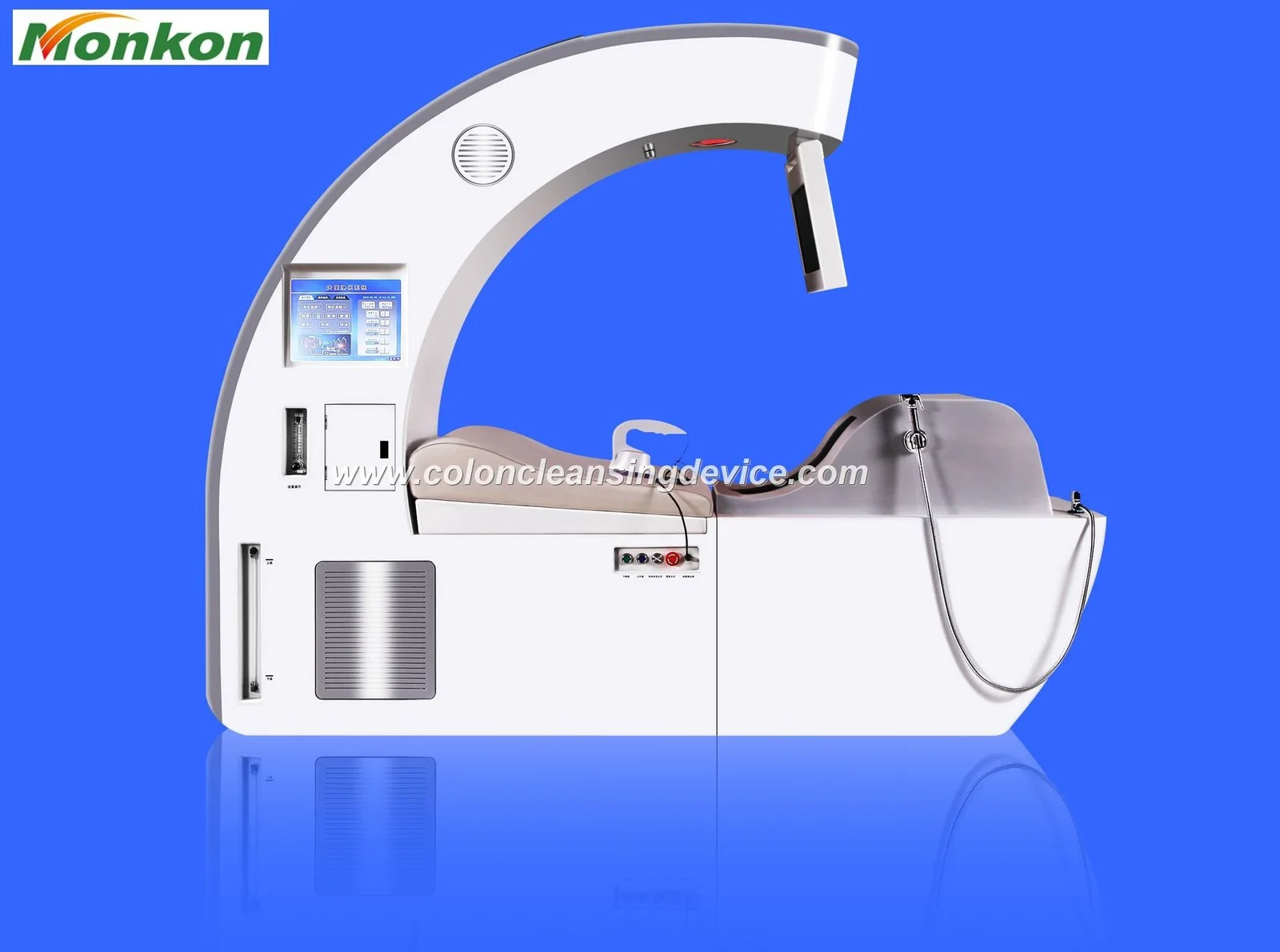
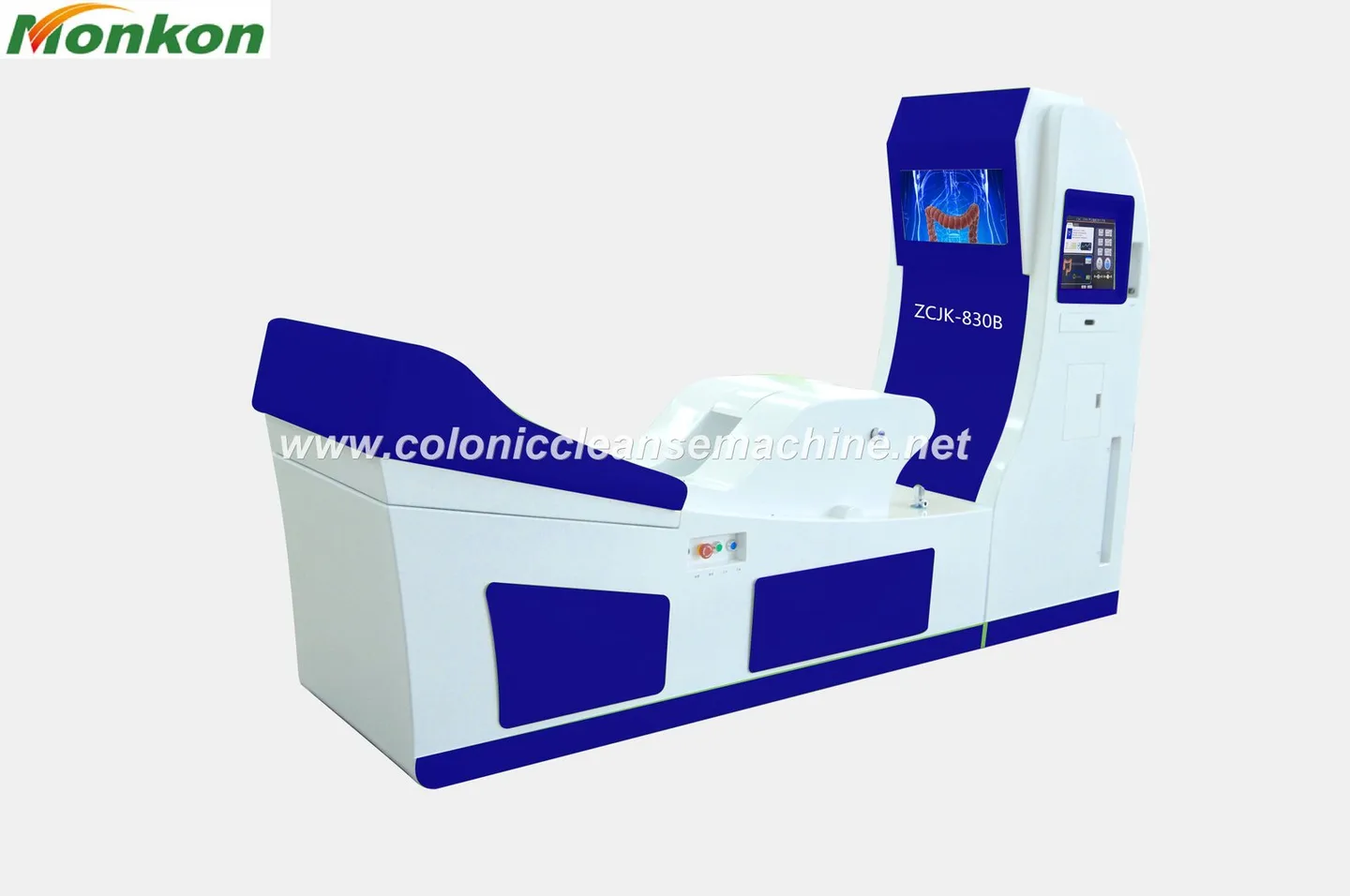
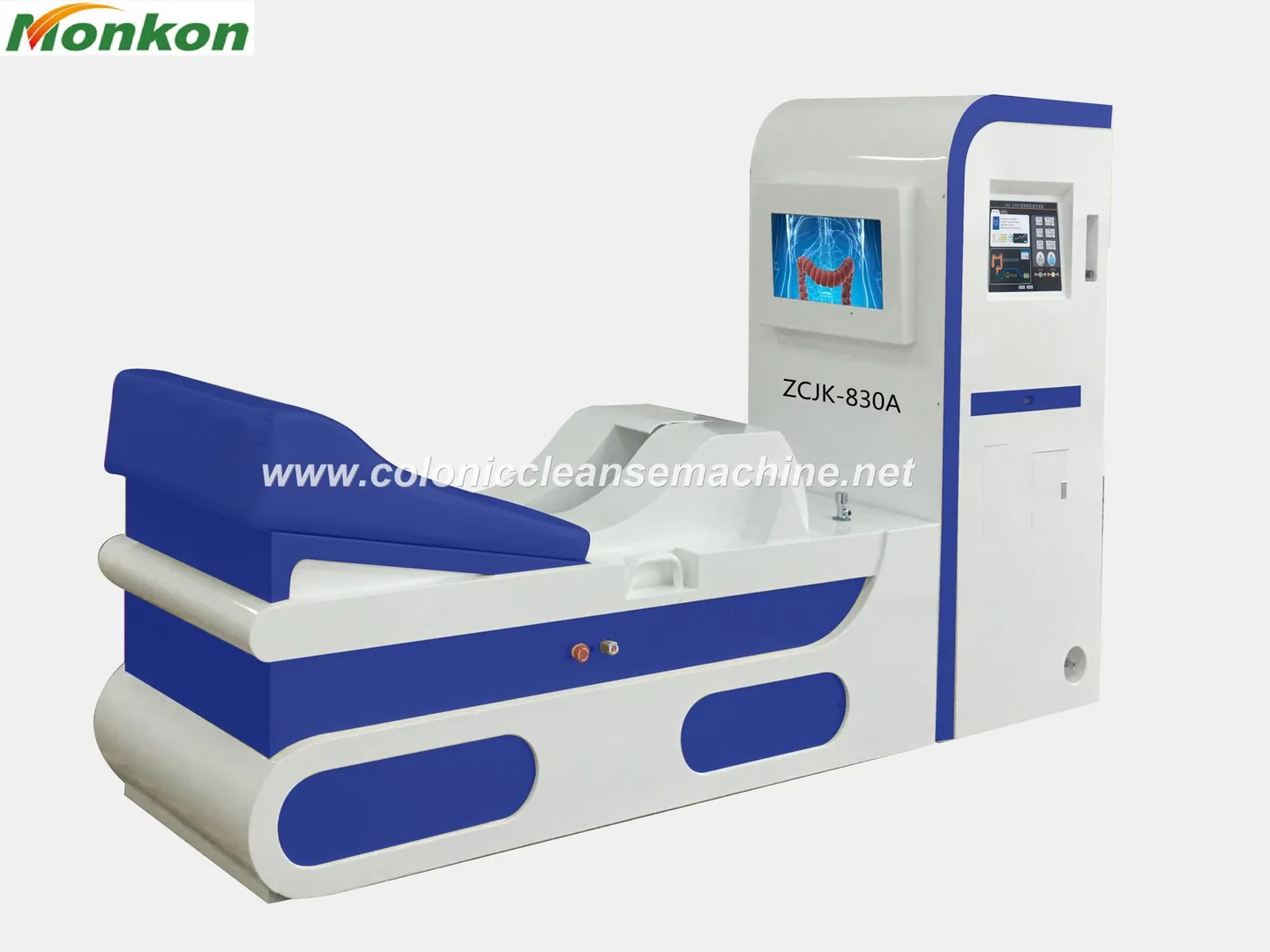
For device-level comparison we use supplier-verified model specifications from MAIKONG. Examples you can request and verify include MK-550 and MK-530 product pages (our company pages): MK-550 (source: https://comparable provider.us/best-comparable provider-machine/) and MK-530 (source: https://comparable provider.us/comparable provider-machine-price/). Where we quote exact values below we preserve the supplier-provided numbers and flag which model they apply to.
What market questions to ask first (demand, permitted use, clinic fit)
Begin by answering three operational questions that will determine whether colon hydrotherapy fits your Nutrition Center model:
Regulatory fit: Does your state permit colon hydrotherapy in a nutrition/wellness setting, and what practitioner credentials are required? (Check state medical boards, departmental guidance, and local health department rules.)
Patient demand and payer model: Are you planning fee-for-service retail sessions, packaged wellness programs, or referral-based clinical services? Each path requires different documentation, consent forms and pricing assumptions.
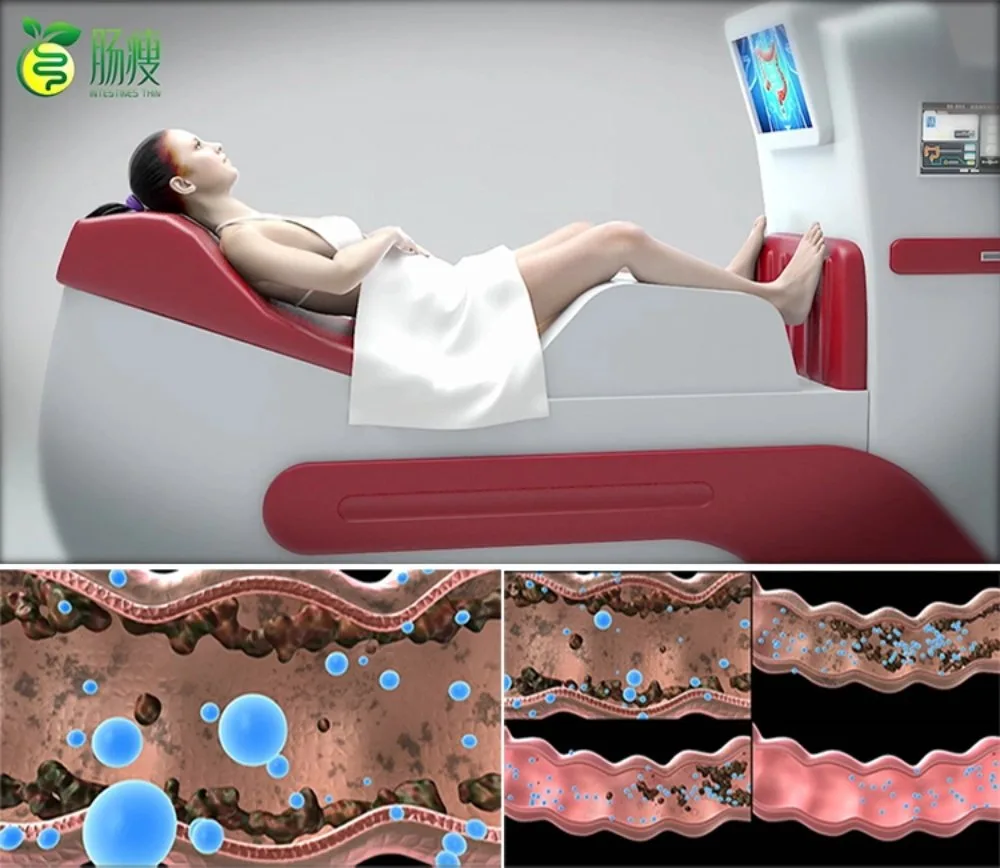
Clinic fit: Do you have rooms, plumbing and waste routing that support a closed-system machine with an integrated bed and built-in sewage handling (or will you retrofit)?
Define the data scope and date range you need before you compare suppliers
What Nutrition Centers in the U.S. Should Know When Researching the Colon Hydrotherapy Market · body
Specify what counts as evidence before you look at vendors. For market-level questions (demand, competitor presence) state a clear date range (for example: “clinic listings and service menus reviewed, January–June 2026”) and the geographic boundary (state, metro area, or national). For product comparisons record the version/date of the specification sheet and the supplier page you used. We recommend storing the product page URL and the PDF manual date for traceability.
How to handle missing or unreliable market numbers (what not to publish)
What Nutrition Centers in the U.S. Should Know When Researching the Colon Hydrotherapy Market · body
If you cannot obtain dated, verifiable sources, do not publish market size, market share, or growth-rate claims. Instead:
Use qualitative descriptions (e.g., “growing local interest” or “existing clinic offerings in our metro area”) tied to your observation period and method.
Report supplier-verified device parameters and your own checklist items—those are objective and actionable for procurement.
When sharing any statistic, attach the source URL and the exact date you pulled it; omit numbers without retraceable provenance.
Evidence you can use from supplier specs (examples from MAIKONG MK-550 / MK-530)
What Nutrition Centers in the U.S. Should Know When Researching the Colon Hydrotherapy Market · body
Supplier sheets typically provide the parameters you will need to verify. Below is a compact comparison of the two MAIKONG models we reference; each cell that uses a supplier fact carries the model’s data-fact-id attribute for traceability.
Field
MK-550
MK-530
Key device parameters Nutrition Centers must verify
What Nutrition Centers in the U.S. Should Know When Researching the Colon Hydrotherapy Market · body
When you evaluate quotations, require the vendor to confirm these measurable items in writing and, if possible, provide a dated spec sheet or test report:
Operational and facility questions to resolve early (power, plumbing, room layout, waste/sewage)
What Nutrition Centers in the U.S. Should Know When Researching the Colon Hydrotherapy Market · body
Before you accept a quote:
Electrical: Confirm the model’s exact voltage and frequency requirement. MAIKONG pages show some models at 220V 50Hz and others at 110–220V 50Hz—do not assume U.S. compatibility; ask for a U.S.-specific electrical spec and installation diagram.
Plumbing & drainage: Verify whether the machine requires a floor drain, a sink connection, a macerator, or a closed-waste system. For units with built-in sewage routing, confirm how staff will handle disposable waste and laundering.
Room layout: Bed footprint, staff access on both sides, privacy screens, and a water supply point. Allow service access clearance around the main machine for maintenance.
Ventilation and water treatment: If you plan to infuse additives (supplier lists possible infusions), confirm local rules on disposal of such effluent and whether you need on-site neutralization or pretreatment.
Regulatory and training checkpoints for the United States (what to confirm locally)
Regulatory and professional scope differs across states. Before you purchase:
Confirm with state medical/nursing boards or your legal counsel whether colon hydrotherapy can be offered in a nutrition/wellness clinic, and who is authorized to operate the device.
Request the device manual and any declared certifications (we declare ISO 9001, CE, ISO 13485 as company-level certifications) and verify whether those certifications meet your procurement or facility requirements. Do not interpret such declarations as a U.S. regulatory clearance.
Require supplier-provided training curriculum and a statement of what on-site training is included with the purchase (operator training, infection control, emergency stop procedures). Ask for dates and trainer qualifications.
Commercial questions for quotations and procurement
Standard procurement clarifications we recommend you request in every RFQ:
Detailed quote with model number, list of included consumables, spares price list, packaging dimensions and shipping terms.
MOQ and lead time—MAIKONG lists MOQ 1 PCS; MK-550 lead time 10 days, MK-530 lead time 15 days (supplier-verified).
Warranty terms (MK-550 lists 1 year warranty; confirm the MK-530 warranty explicitly if it is required for your procurement). If warranty response locations or spare-part logistics matter, request local support details.
Price: MK-550 shows a supplier price range (USD 4,900–6,100) on the product page—confirm whether that applies to your configuration and shipping terms; otherwise get a formal quote.
A concise buyer checklist to run before contact
Collect: product spec sheet (dated), electrical spec and installation drawing, consumables list, sterilization/consent protocols, and declared certifications.
Verify: room footprint matches machine and bed dimensions, plumbing/drainage plan, and electrical compatibility for your clinic (do not assume voltage compatibility).
Ask supplier for: on-site demo or video walkthrough, sample consumable (guide head), operator training scope and costs, spare-parts lead times.
Document: local regulatory advice or written confirmation of permitted practice from relevant state authority or legal counsel.
Risks and limitations you must note
There are several practical limits you must accept when researching the market:
Regulatory uncertainty: local scope-of-practice rules vary. We cannot advise you that a device is legally usable in your jurisdiction—confirm locally.
Electrical/install gaps: supplier pages show voltages and frequencies; our evidence pack does not contain U.S.-specific electrical installation approvals. Do not assume a 220V 50Hz machine will work on U.S. 110–120V 60Hz without documented engineering changes or local wiring plans.
Market numbers: if you lack dated, reliable sources, do not publish market-size or growth claims. Use supplier specs and your operational checklist instead.
Clinical and medical claims: supplier specifications are manufacturer-provided and not clinical evidence. Do not use device specs as proof of clinical efficacy.
Common follow-up questions Nutrition Centers ask (FAQ)
What should we ask to confirm electrical compatibility?
Request the exact rated input voltage, frequency and maximum current, an installation wiring diagram, and whether the supplier offers a U.S. power kit or certified adapter. If the spec lists only 220V 50Hz (as with some pages), plan for a local electrician to evaluate compatibility rather than assuming it will work.
Can the machine infuse additives (coffee, probiotics)?
Supplier material lists dual inlet/outlet pipelines and the possibility to infuse liquids. If you intend to use additives, request written guidance on compatible substances, concentration limits, and disposal handling from the supplier and confirm local waste-disposal rules.
How do we verify consumable sterility?
Ask for the disposable guide head provenance, the sterilization method (supplier lists irradiation sterilization) and date-stamped certificates for a sample lot. Require supplier traceability for consumables used in clinical services.
Next step: how to request a configuration quote or more technical details
If you want a tailored configuration quote or specific installation drawings for U.S. clinics, email lucy@comparable provider.us or call/WhatsApp +86 13570907401 with: your clinic city and state, preferred model (MK-550 or MK-530), desired electrical spec (U.S. 110–120V 60Hz or confirmation of 220V availability), room dimensions and preferred delivery/installation window. We will return a spec-driven quote and list of documents you should collect before purchase.
This content is provided for learning, information sharing and professional communication only. It is not medical advice and is not a basis for treatment or diagnosis. Confirm suitability, operation and purchasing requirements against the product manual, local regulations and qualified professional guidance.
This content is provided for learning, information sharing and professional communication only. It is not medical advice and is not a basis for treatment or diagnosis. Confirm suitability, operation and purchasing requirements against the product manual, local regulations and qualified professional guidance.