Categories
- No categories
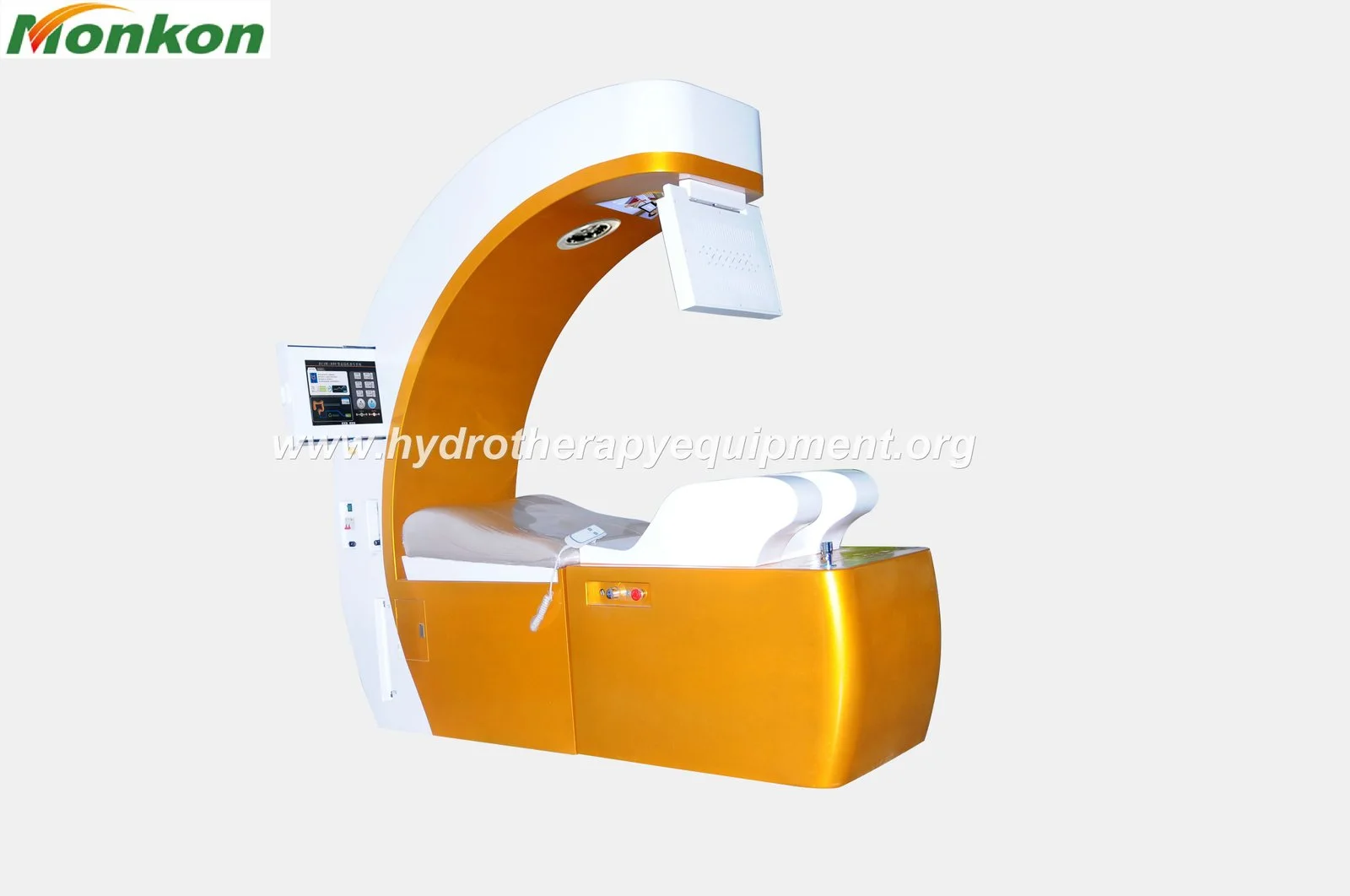
Yes — adding a professional comparable provider irrigation machine is practical for many U.S. wellness centers, provided you resolve three groups of constraints first: local regulatory/scope-of-practice limits, a suitable treatment room with the right electrical and drainage access, and clear protocols for staff training, consumables and infection control. MAIKONG machines such as the MK-540 and MK-530 offer features that address clinic needs (2000W power; 110V–220V operation; water flow 0–830 ml/min; temperature control 30–40°C; inlet filtration 5µm; disposable guide heads) but you must confirm local electrical permitting and scope-of-practice rules before purchase. Pricing is available on inquiry; lead time and MOQ details are provided below.
For most private wellness centers the answer is “yes, with conditions.” The equipment and consumables required are commercially available, and MAIKONG supplies clinic-grade machines designed to integrate into spa and clinical workflows. The practical steps that determine feasibility are: (1) confirming whether your state and local health boards permit your staff to perform colon hydrotherapy under your facility license; (2) ensuring a dedicated treatment room with suitable plumbing, drainage and the machine’s electrical needs; and (3) committing to staff training and a consumables supply plan. If those three items are satisfied, the technical specifications of MAIKONG units (power, temperature control, safety cutoffs and disposable guide heads) make clinical integration straightforward.
A comparable provider irrigation machine is a closed or semi-closed system that introduces temperature‑controlled water into the colon through a controlled flow and drainage loop, with continuous monitoring of flow and pressure. Unlike a single enema (a single bolus of fluid introduced via syringe or bag), a machine supports controlled continuous inflow and outflow, adjustable flow rates, filtration of incoming water, and automated safety controls for pressure and temperature. Machines are designed for repeated clinic use and depend on disposables and cleaning procedures to protect hygiene.
A clinical session typically follows four broad phases without implying clinical instructions: (1) client intake and positioning on the treatment bed designed for the machine; (2) machine setup and calibration (water temperature set in the machine’s control range, flow and pressure limits configured); (3) controlled infusion and drainage while the operator monitors pressure, flow and client comfort; and (4) post-treatment flush, bed/room cleanup and disposal of single‑use items. Professional units provide monitoring and automatic stops if pressure or over-temperature thresholds are exceeded, plus pipeline cleaning cycles to reduce manual disassembly.
These features align with the operational needs of clinics that want measurable control over flow/temperature and automated safety responses. That said, “110V–220V” in the supplier data should not be taken as a statement of automatic plug or local electrical code compliance — check local electrician and permit requirements.
Operators that commonly benefit are wellness centers offering integrative bowel-health or detox services, small outpatient clinics adding adjunctive digestive-care services, and higher-volume spa centers organizing scheduled hydrotherapy sessions. Key profiles where the investment is most practical:
MAIKONG provides multiple bed/main‑machine footprints in its product records. Confirm the specific model dimensions with the supplier you plan to order; examples from MAIKONG documentation include:
Practical checks to run with your contractor or electrician:
When evaluating units, prioritize: reliable pressure monitoring with automatic stop/alarm; temperature control with anti‑dry‑burn protection and automatic cut-out; and single‑use patient-contact disposables. MAIKONG lists real-time intestinal pressure monitoring that triggers alarm/stop, automatic stop on overflow/timeout/over-temperature, and disposable guide heads sterilized by irradiation (see product specification entries). Those functions reduce operator workload but do not replace written clinic protocols, staff training and informed consent procedures.
MAIKONG specifies disposable guide heads with irradiation sterilization as the patient-contact consumable and reports pipeline automatic cleaning and inlet filtration at 5µm. Your ordering and operating plan must include:
Before offering treatments, do these practical checks:
Note: MAIKONG materials list instrument type as Class II Type B in their product data; that is a supplier declaration and should not be treated as a substitute for any U.S. regulatory clearance or local approvals your center may need.
When you request quotes, ask suppliers to itemize:
Use these supplier-provided specification entries when you evaluate suitability and when you ask for a formal quote. The following values are taken from MAIKONG product information for models MK-540 and MK-530:
These entries are supplier-provided. Confirm the final configuration and any optional components (camera, dual screens, bed options) in writing before purchase.
We must be explicit: supplier specifications are not a substitute for local electrical or regulatory approval. The MAIKONG records list 110V–220V but do not provide the U.S.-specific electrical installation instructions; you should not assume plug compatibility or code compliance without an electrician’s verification. Warranty details were not supplied in the facts used here — obtain a written warranty and service agreement. Finally, product specifications are supplier-declared and should be validated on the quoted unit and in the manual supplied at delivery.
If you’ve confirmed regulatory viability and room readiness, request a tailored configuration and a formal quote from us. Email Lucy@comparable provider.us or WhatsApp / phone +86 13570907401 with these details: your state, desired model (MK-540 or MK-530), bed footprint required, expected monthly session volume, and whether you need on-site training. We’ll return model confirmation, a consumables list and a shipping/installation query checklist to help you prepare for permitting and installation.
This content is provided for learning, information sharing and professional communication only. It is not medical advice and is not a basis for treatment or diagnosis. Confirm suitability, operation and purchasing requirements against the product manual, local regulations and qualified professional guidance.
This content is provided for learning, information sharing and professional communication only. It is not medical advice and is not a basis for treatment or diagnosis. Confirm suitability, operation and purchasing requirements against the product manual, local regulations and qualified professional guidance.
