Categories
- No categories
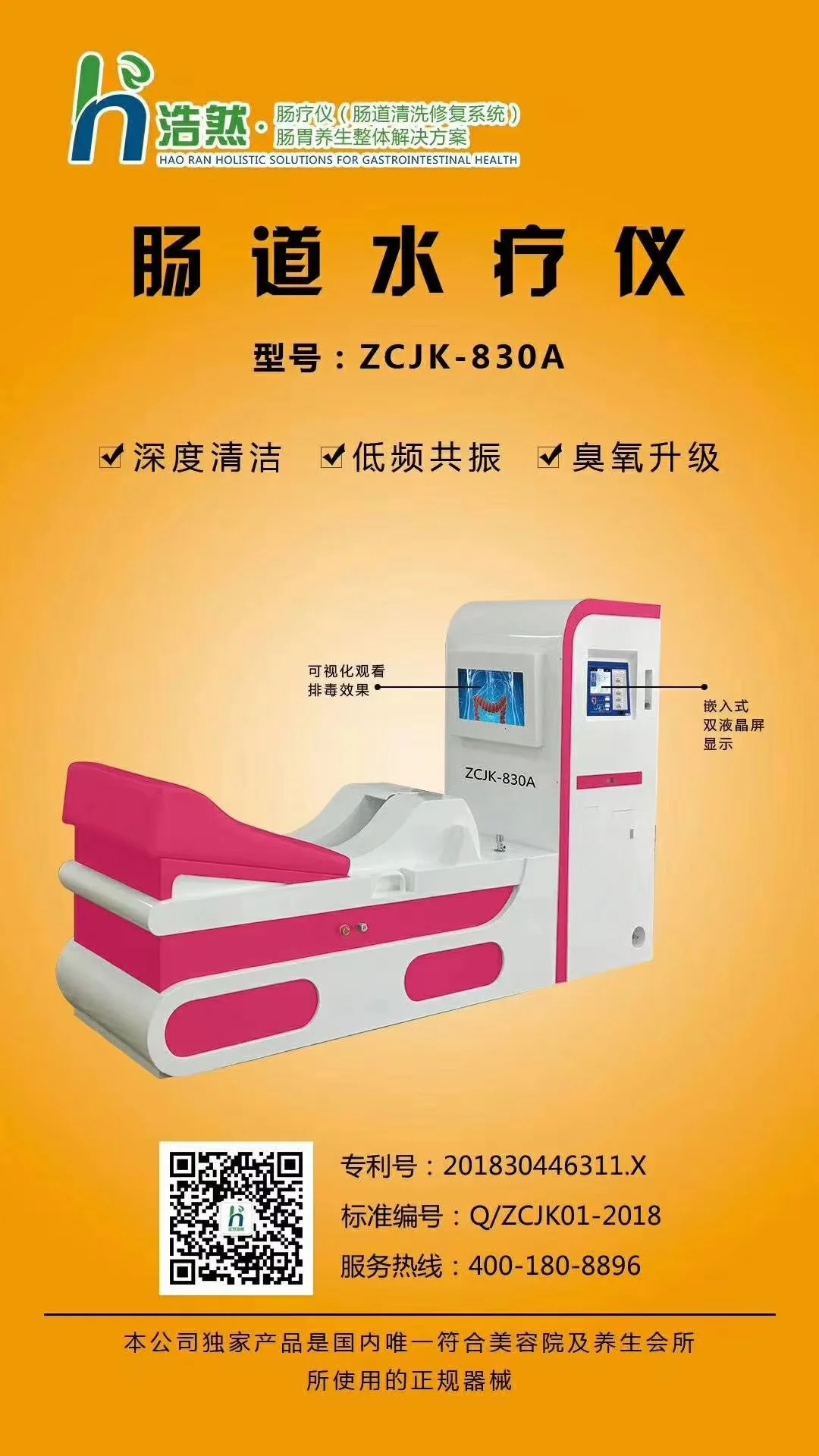
Yes — a closed colon therapy machine can be integrated into a U.S. wellness center, provided you evaluate three things up front: device safety features (pressure alarm, temperature control, single‑use disposables), clinic infrastructure (space, drainage, electrical capacity and local code compliance), and operator competency (training, SOPs and infection control). MAIKONG models such as the MK-540 and MK-530 include clinic‑oriented options — dual screens, peristaltic pumps, flow 0–830 ml/min and 30–40℃ temperature control — but you must verify installation requirements, consumables and local regulatory guidance before offering treatments. Pricing and configuration are available on inquiry.
Yes — a professional closed colon hydrotherapy system can serve a wellness center, but it is an equipment-plus-process decision, not a plug‑and‑play purchase. Expect to budget for room layout and drainage, staff training and clinical protocols, single‑use consumables, routine maintenance, and documentation that demonstrates safe operation. The machine is only one element; how you control pressure, temperature and infection risk determines whether treatments are practical and defensible in a client-facing wellness environment.
When you evaluate vendors, prioritize: reliable pressure monitoring with automatic stop, accurate temperature control, validated single‑use patient-contact parts, clear cleaning/decontamination procedures, and documented electrical/installation requirements for the U.S. market.
Colon hydrotherapy (also called colon therapy or comparable provider irrigation) is a professional procedure that gently introduces and removes warmed, filtered water into the colon using a controlled closed system. Compared with a standard enema, a clinic-grade closed colon hydrotherapy system offers real-time monitoring of flow and pressure, automated temperature control, and integrated waste collection that reduces exposure for staff and patients. Enemas are typically low‑volume and single‑use at home; a closed hydrotherapy machine is designed for repeated clinical use with engineered safety features and disposable patient-contact parts.
In clinic practice you’ll see the same core sub-systems across professional machines:
MAIKONG’s clinic units document these elements explicitly: peristaltic pumps, inlet filtration down to 5 μm, automatic water leveling, and built-in heating with anti‑dry‑burn protection (see model details below). Use each point to check the vendor manual and confirm clinical operating limits before delivering treatments.
As an owner, insist on the following before you accept a machine into your clinic:
Where the supplier provides a built‑in camera or observation screen, verify how visual data is stored or whether it is used solely for operator observation and confirm client consent protocols for any recording.
For daily clinic throughput and client comfort, prioritize:
| Model | Bed / Main unit / Weight | Flow & Temperature | Clinic features |
|---|
At a high level, a typical clinic workflow looks like this: pre‑treatment screening and informed consent, room and equipment check (filters, water level, disposable assembly), patient positioning on the bed, program selection and gradual introduction of warmed, filtered water with continuous observation of pressure and comfort, evacuation to the integrated waste system, post‑treatment flush, and documented cleaning and disposal of single‑use parts.
Follow the manufacturer manual for exact steps; the workflow above is a practice-level overview and not an operating protocol.
Session frequency is a clinical decision and should be set by the practitioner responsible for care. We do not provide medical recommendations; determine frequency through qualified clinical judgment and client-specific considerations.
MAIKONG specifies disposable guide heads supplied by irradiation sterilization for patient-contact components (see product facts). Plan these as recurring consumables; confirm pack sizes and lead times with the supplier before you commit to opening treatments.
At minimum, continuous pressure monitoring with audible/visual alarm and automatic stop, water level detection, and over‑temperature protection are required for a clinic. MAIKONG lists real‑time intestinal pressure monitoring and automatic power‑off protection for over‑temperature and over‑pressure.
Expect regular filter replacements, peristaltic pump checks, and pipeline disinfection cycles. MAIKONG reports peristaltic pumps as German medical grade and provides an automatic pipeline cleaning function; request the recommended maintenance schedule in writing as part of purchase negotiations.
Risks and limitations: this guide summarizes vendor‑reported device features and clinic best practices; it is not medical advice. Specific electrical, plumbing and building code obligations vary by state and municipality. If vendor documentation or a U.S.-specific installation guide is absent, require those items in writing before purchase and have a qualified contractor review them.
Contact MAIKONG: lucy@comparable provider.us • +86 13570907401
MAIKONG Industry Co., Ltd declares ISO 9001, CE and ISO 13485 as company certifications. These are company statements; request copies of certificates and applicable product test reports when you evaluate compliance for your jurisdiction.
This content is provided for learning, information sharing and professional communication only. It is not medical advice and is not a basis for treatment or diagnosis. Confirm suitability, operation and purchasing requirements against the product manual, local regulations and qualified professional guidance.
This content is provided for learning, information sharing and professional communication only. It is not medical advice and is not a basis for treatment or diagnosis. Confirm suitability, operation and purchasing requirements against the product manual, local regulations and qualified professional guidance.
If you want a tailored configuration for a U.S. wellness center — including preferred voltage/configuration, consumable supply options and shipping to the U.S. — contact us with these items in your request: intended model (for example MK-540 or MK-530), clinic room dimensions, local voltage and circuit details, preferred consumable quantities, and whether you need operator training. Pricing and final configuration are provided on inquiry.
