
Categories
- No categories
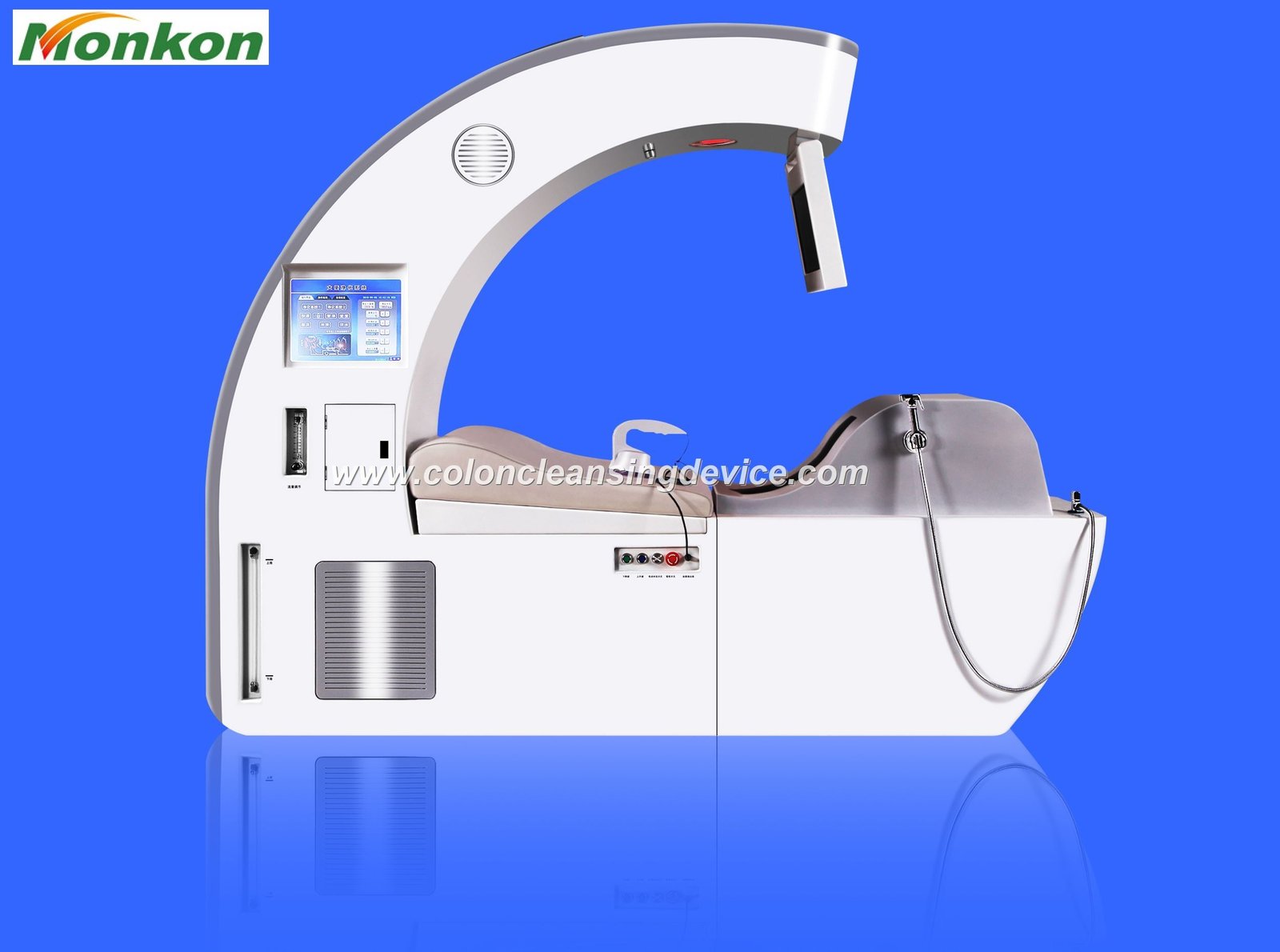
Yes—you can add a comparable provider hydrotherapy machine to a U.S. wellness center, provided you resolve facility, staffing and regulatory basics first. The primary practical issues are: confirm local scope-of-practice and any licensure or prescriptive requirements; verify the machine’s safety systems (pressure alarm/auto-stop, disposable guide head, inlet filtration, temperature control); ensure room layout, plumbing and electrical meet the unit’s needs; train an appropriately credentialed operator; and secure supplier support for installation, consumables and spare parts. Choosing a commercially supported closed-system machine with real-time pressure monitoring and disposable patient-contact parts simplifies safe operation and compliance.
From an operational standpoint, adding a comparable provider hydrotherapy machine is an achievable clinic expansion when you address three categories up front: legal/regulatory fit for your state and business model; engineering and infection‑control readiness of the treatment room; and machine selection that prioritizes safety features and consumables. We advise confirming local requirements for who may perform treatments, and then matching the machine and staff to those requirements.
On the equipment side, verify that the model provides real-time intestinal pressure monitoring with auto-stop and alarm, disposable/irradiation-sterilized guide heads, inlet water filtration, and controlled water-temperature systems—these features materially reduce operational risk and cleaning burden. For example, models in our range declare Class 2 Type B instrument classification, 2000W power, water flow adjustment 0–830 ml/min, 30–40°C temperature control and 5 μm inlet filtration; they also document disposable guide heads and automatic stop-on-overpressure functions (see the MAIKONG model comparison below for exact declared specs).
Colon hydrotherapy (comparable provider) uses warmed, filtered water introduced and removed through a controlled system to irrigate the large intestine. Compared with a single enema, a clinic-grade closed-system comparable provider machine can cycle water in and out under monitored pressure and temperature control, and often supports infusion of controlled volumes of solutions (when appropriate and permitted). The clinical protocols, contraindications and practitioner requirements differ by state; treatments with a machine are operationally more complex and require explicit infection-control and waste-handling procedures that a single enema does not.
A typical session in a closed-system machine proceeds roughly like this: patient intake and screening; patient changes and positions on the treatment bed; operator connects a new disposable guide head; the operator programs the machine (flow, temperature, cycle patterns); the machine gently supplies warmed, filtered water while monitoring internal pressure; waste flows into a sealed collection system; repeated gentle fill-and-drain cycles continue until the session ends; the patient is assisted to restroom as needed; operator completes cleaning and disposables disposal.
The distinguishing operational controls for a wellness center owner are the machine’s pressure/auto-stop behavior, temperature management, and how easily the system drains and disposes of waste without exposing staff or the room environment to contamination.
When comparing units, prioritize these functional safety items:
Below is a compact comparison of two MAIKONG models we supply. These are supplier-declared parameters; treat them as product specifications to verify with the vendor and in the user manual prior to purchase.
Confirm these declared values and request the product manual for electrical, plumbing and installation diagrams before signing an order—especially voltage and wiring details for your local site.
Checklist for your facility planning:
First five sessions are where your team builds competence. We recommend a simple standard operating checklist:
Do not substitute the machine manual for clinical judgment. If a manual or specific cleaning protocol is not provided with a quotation, request it before purchase.
Budget lines you must include in your business case:
Ask the supplier about recommended service intervals and local service options. If the vendor cannot supply parts or service in the U.S., factor international logistics and potential downtime into your operating cost.
Operators should be trained health professionals as required by local regulations—commonly nurses, licensed practitioners or trained therapists under a supervising clinician. Training topics to require:
Obtain vendor‑provided training and written competency checklists. If on‑site training is not included, require a remote or video training package and an operator competency assessment before clinical use.
Prefer suppliers who provide clear installation diagrams, an operator manual, training (on‑site or virtual), parts availability in your region and a written warranty. If warranty or spare‑parts logistics are limited to overseas shipping, ask about lead times and assign contingency stock for critical spares (pumps, sensors).
MAIKONG declares a 15‑day lead time for MOQ 1PC and supports OEM/ODM options; request a formal installation and training scope in your quote to avoid surprises.
An enema is a low‑complexity intervention best suited for limited, short-duration needs and simple chairside use. Clinic-grade comparable provider hydrotherapy machines provide controlled cycling of water, temperature control, pressure monitoring and sealed waste collection—features that support longer, repeatable sessions in a supervised setting. Choose an enema when minimal infrastructure is required; choose a machine when you need repeatability, monitoring, sealed waste handling and a service offering that can be standardized across operators.
The machine details referenced here are supplier-declared MAIKONG specifications such as Class 2 Type B instrument type, 2000W power, water flow 0–830 ml/min, temperature range 30–40℃, inlet filtration 5 μm, disposable guide head sterilization and automatic pressure alarm/auto-stop features. These values and features are part of our product documentation and are shown in the model comparison table above (data-fact-id attributes identify the supplier-declared entries).
Local licensure, scope-of-practice rules and public health codes vary across U.S. jurisdictions and may affect who may perform colon hydrotherapy, what consents are required, and how medical waste must be handled. Supplier-declared specifications are statements from MAIKONG and should be verified in the product manual and installation drawings. We have not provided medical treatment protocols, nor are the product specifications a substitute for clinical judgment or regulatory advice. If the product manual, local electrical/plumbing diagrams or certification documents are not provided in a quote, request them before placing an order.
Product pages and manuals are available on our site for the referenced models: MK-530 product page and MK-540 product page. Request the specific model manual and installation diagram with any RFQ.
This content is provided for learning and professional planning only. It is not medical advice and is not a basis for treatment or diagnosis. Confirm regulatory, clinical and installation suitability with the product manual, your local authorities and qualified professionals before purchase or use.
This content is provided for learning, information sharing and professional communication only. It is not medical advice and is not a basis for treatment or diagnosis. Confirm suitability, operation and purchasing requirements against the product manual, local regulations and qualified professional guidance.
If you’d like a machine configuration matched to your room, staffing and service model, request a quote and installation checklist. Email us at lucy@comparable provider.us or contact our export line at +86 13570907401. Include your facility address, planned room dimensions, available voltage/circuit, and whether you want installation and on‑site training included.
