

Many buyers start their journey researching products like oxy powder for weight loss. They quickly discover that understanding colon health requires deeper knowledge. This comprehensive colon health glossary bridges that gap. It connects everyday wellness questions to professional medical terminology.
The glossary you’re about to explore serves multiple purposes. Healthcare professionals gain clarity on technical terms. Equipment buyers understand specifications better. Practitioners communicate more effectively with patients. This knowledge foundation supports better clinical outcomes and smarter purchasing decisions.
We’ve organized over 200 essential terms across sixteen major categories. Each definition provides practical context. You’ll see how terminology relates to actual procedures, equipment functions, and patient care. This approach makes the colon health glossary local market relevant and immediately applicable to your practice needs.
Fundamental Digestive System Anatomy Terms
The digestive tract represents one of the most complex systems in the human body. Understanding its anatomy forms the foundation for all colon health discussions. These terms appear frequently in medical literature, equipment specifications, and patient consultations.
Large Intestine Components and Structure
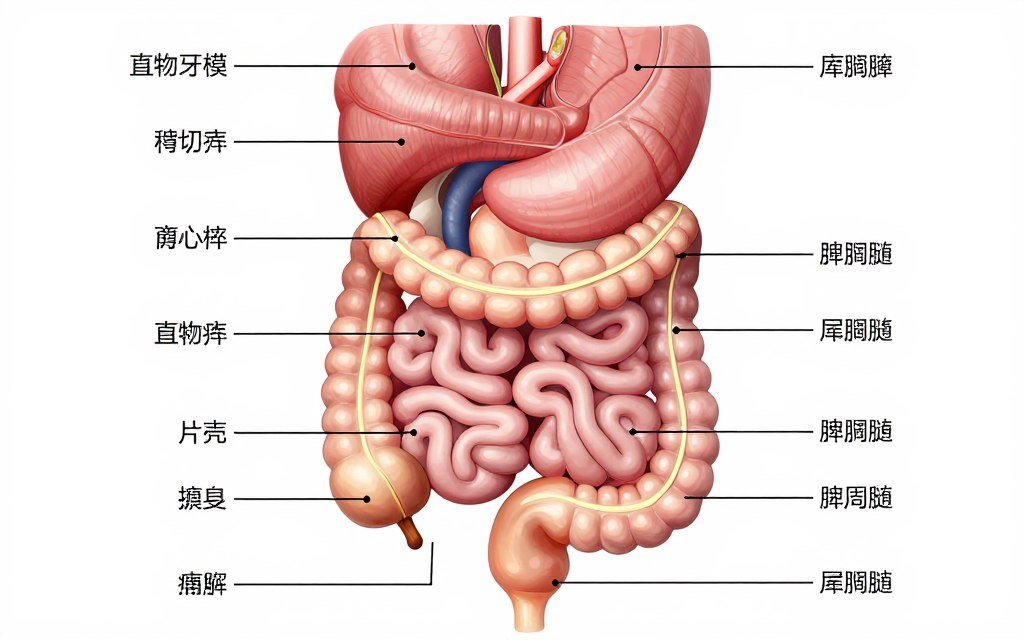
The large intestine measures approximately five feet in length. This organ performs critical functions in water absorption and waste elimination. Medical professionals must understand each section to provide accurate diagnoses and treatment recommendations.
The colon represents the largest part of the large intestine. It consists of four main sections working together. The ascending colon moves waste upward on the right side. The transverse colon crosses horizontally across the abdomen. The descending colon carries waste downward on the left side. The sigmoid colon connects to the rectum with its distinctive S-shape.
Cecum and Appendix Region
The cecum forms the first part of the large intestine. This pouch-like structure receives waste from the small intestine through the ileocecal valve. The appendix extends from the cecum as a small finger-shaped tube. While its exact function remains debated, it contains immune system tissue.
Rectum and Anal Canal
The rectum serves as the final storage area before elimination. This muscular tube measures about six inches in length. The anal canal completes the digestive tract as the last two inches. Specialized muscles control the release of waste from the body.
Small Intestine and Digestive Processing
The small intestine handles most nutrient absorption tasks. This twenty-foot organ consists of three distinct sections. Each section performs specialized digestive functions that support overall health.
The duodenum forms the first section of the small intestine. It receives partially digested food from the stomach. Digestive enzymes and bile enter here to break down nutrients. The jejunum follows as the middle section where significant absorption occurs. The ileum completes the small intestine and connects to the cecum.
Supporting Digestive Organs
The stomach initiates the digestive process with acid and enzymes. This muscular bag churns food into a liquid mixture. The liver produces bile to help digest fats. The pancreas creates enzymes that break down proteins, fats, and carbohydrates.
Blood vessels surrounding the intestines transport absorbed nutrients throughout the body. The inner lining of all intestinal sections contains specialized cells. These cells form a protective barrier while allowing nutrient passage. Understanding this colon health glossary semantic variation helps professionals communicate about treatment options.
Common Clinical Conditions and Diseases
Healthcare providers encounter numerous colon-related conditions in clinical practice. Each condition requires specific knowledge for proper diagnosis and treatment. Understanding these terms enables better patient communication and care coordination.
Inflammatory Bowel Disease Categories
Inflammatory bowel disease encompasses chronic conditions affecting the digestive tract. These diseases cause significant inflammation and discomfort. Medical professionals must distinguish between different types to provide appropriate treatment.
Crohn disease affects any part of the digestive tract from mouth to anus. It causes inflammation through all layers of the intestinal wall. Patients often experience abdominal pain, severe diarrhea, and weight loss. The disease may develop patches of inflammation with healthy tissue between affected areas.
Ulcerative colitis specifically targets the colon and rectum. This condition affects only the inner lining of the large intestine. Continuous inflammation develops rather than patchy areas. Symptoms include bloody diarrhea, abdominal cramping, and urgent bowel movements. The connection between crohn disease ulcerative colitis helps practitioners understand treatment overlaps.
Colorectal Cancer
Colorectal cancer develops when abnormal cells grow uncontrollably in the colon or rectum. This cancer often starts as polyps on the inner lining. Regular screening helps detect precancerous growths early. Risk factors include age, family history, and lifestyle choices.
Early detection significantly improves treatment outcomes. The disease may cause changes in bowel movements, blood in stool, or persistent abdominal discomfort. Healthcare providers recommend screening starting at age forty-five for most adults.
Diverticular Disease
Diverticulosis occurs when small pouches form in the colon wall. These pouches called diverticula often cause no symptoms. Diverticulitis develops when these pouches become inflamed or infected. Patients experience severe abdominal pain, fever, and changes in bowel habits.
The condition becomes more common with age. Low-fiber diets may contribute to pouch formation. Treatment ranges from dietary changes to antibiotics or surgery in severe cases.
Irritable Bowel Syndrome
IBS affects how the intestines function without causing visible damage. Patients experience abdominal pain, bloating, and altered bowel movements. Symptoms may include diarrhea, constipation, or alternating patterns. Stress and certain foods often trigger symptom flares.
Diagnosis requires ruling out other conditions first. Management focuses on diet modifications, stress reduction, and symptom-specific treatments.
Functional Digestive Disorders
Constipation represents one of the most common digestive complaints. This condition involves infrequent bowel movements or difficulty passing stools. Causes range from dietary factors to medication side effects. Chronic constipation significantly impacts quality of life and may indicate underlying conditions.
Diarrhea occurs when the intestines move waste too quickly through the system. The colon cannot absorb enough water from waste material. This results in loose, watery stools occurring three or more times daily. Acute diarrhea often resolves within days while chronic cases require medical evaluation.
Get Professional Equipment Specifications
Understanding colon health terminology helps you make informed equipment decisions. At MAIKONG, we manufacture advanced colonic machines designed for professional healthcare settings. Our MK-880 system meets international quality standards with CE certification.
Diagnostic Procedures and Testing Methods
Modern medicine offers numerous methods to examine the colon and diagnose conditions. Healthcare providers select appropriate tests based on symptoms and risk factors. Understanding these procedures helps practitioners explain options to patients clearly.
Endoscopic Examination Techniques
Colonoscopy remains the gold standard for colon examination. This procedure uses a flexible tube with a camera to view the entire colon. The physician can identify abnormalities, remove polyps, and collect tissue samples. Patients receive sedation for comfort during the procedure.
The flexible tube advances through the rectum into the colon. High-definition cameras provide detailed images of the inner lining. The examination typically takes thirty to sixty minutes. Healthcare providers recommend colonoscopy every ten years starting at age forty-five for average-risk individuals.
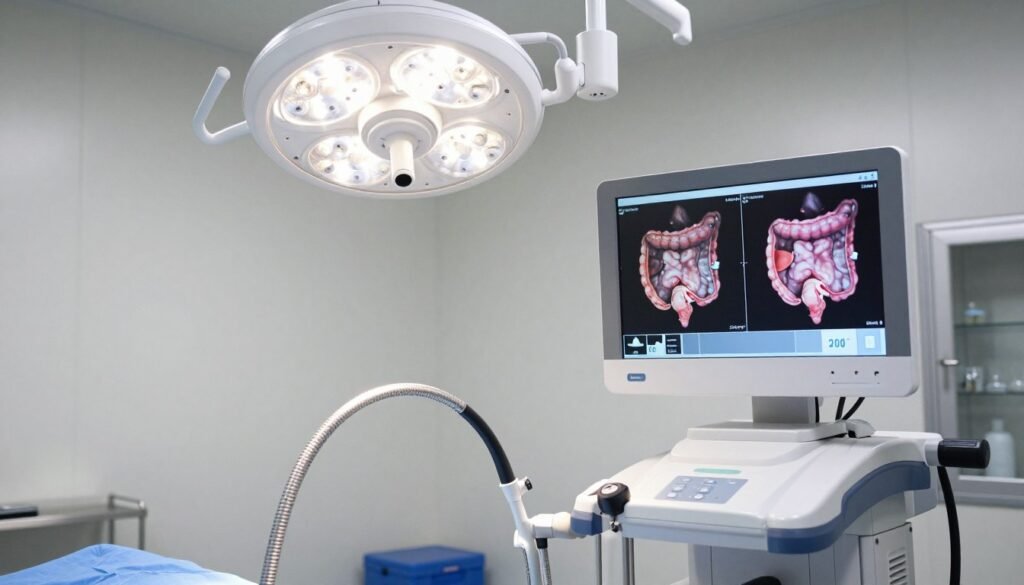
Sigmoidoscopy examines only the lower part of the colon. This procedure focuses on the sigmoid colon and rectum. The examination uses a shorter flexible tube than full colonoscopy. It takes less time and may require less extensive preparation.
Non-Invasive Screening Methods
Fecal occult blood tests detect hidden blood in stool samples. The fecal occult blood test helps identify potential problems before symptoms appear. Patients collect small stool samples at home. Laboratory analysis reveals the presence of blood not visible to the naked eye.
The occult blood test serves as an initial screening tool. Positive results require follow-up with colonoscopy. This test helps detect colorectal cancer in early stages when treatment works best. Annual testing provides regular monitoring for high-risk patients.
Imaging Technologies
CT colonography creates three-dimensional images of the colon. This procedure requires the same bowel preparation as traditional colonoscopy. X-ray equipment takes multiple images to create detailed views. The technology identifies polyps and other abnormalities without inserting instruments into the colon.
Barium enema examinations use contrast material and X-rays. The patient receives barium liquid through the rectum. This substance coats the colon lining to show structure clearly on X-ray images. The procedure helps identify blockages, polyps, and other structural problems.
Laboratory Analysis
Stool culture tests identify infections causing digestive symptoms. Laboratories analyze samples for bacteria, parasites, or other pathogens. This blood test helps diagnose causes of persistent diarrhea or unexplained illness.
Blood tests reveal inflammation markers and anemia. Complete blood counts detect abnormalities that may indicate digestive conditions. These tests support diagnosis when combined with other examination methods.
Biopsy and Tissue Examination
During colonoscopy, physicians collect small tissue samples for analysis. These samples help diagnose conditions like inflammatory bowel disease or cancer. Pathologists examine tissue under microscopes to identify abnormal cells. Biopsy results guide treatment decisions and monitor disease progression.
Treatment and Therapy Related Terms
Medical treatments for colon conditions vary widely based on diagnosis and severity. Healthcare professionals must understand treatment terminology to explain options effectively. This knowledge supports informed decision-making for both practitioners and patients.
Medication Classifications
Anti-inflammatory medications reduce swelling in the digestive tract. These drugs help manage conditions like ulcerative colitis and Crohn disease. Aminosalicylates target specific areas of inflammation in the intestinal lining. Patients often use these medications long-term to maintain remission.
Immunosuppressants modify the immune system response. The immune system sometimes attacks healthy tissue in inflammatory bowel disease. These medications calm overactive immune responses. They help prevent flares and reduce inflammation in affected areas.
Biological Therapies
Biologic medications target specific proteins causing inflammation. These advanced treatments work for patients who don’t respond to traditional medications. They’re often used to treat inflammatory bowel disease conditions.
Administration typically occurs through injection or infusion. Treatment schedules vary based on the specific medication used. Regular monitoring ensures effectiveness and safety throughout treatment.
Antibiotics
Antibiotics treat bacterial infections affecting the digestive tract. They’re essential for conditions like diverticulitis or certain types of colitis. Healthcare providers select specific antibiotics based on the infection type.
Treatment duration depends on infection severity. Patients must complete the full antibiotic course even when symptoms improve. This prevents antibiotic resistance and ensures complete infection elimination.
Symptom Management
Anti-diarrheal medications slow intestinal movement and reduce bowel movements. These drugs provide relief during flares or acute episodes. Laxatives help when constipation becomes problematic.
Pain management medications address abdominal discomfort. Healthcare providers carefully select options that won’t worsen digestive symptoms. Proper medication timing and dosage ensure maximum benefit.
Surgical Interventions
Colectomy involves removing part or all of the colon. Surgeons perform this procedure for severe disease, cancer, or other serious conditions. Partial colectomy removes only affected sections. Total colectomy removes the entire colon when necessary.
After colectomy, the surgeon may create an ostomy. This opening in the abdominal wall allows waste to exit the body. A bag attached to the abdominal wall collects waste material. Ostomies may be temporary or permanent depending on the situation.

Polypectomy removes polyps during colonoscopy. The physician uses specialized tools passed through the colonoscope. This procedure prevents polyps from developing into colorectal cancer. Most polypectomies occur during routine screening examinations.
Radiation and Chemotherapy
Radiation therapy uses high-energy beams to destroy cancer cells. Doctors often use this treatment for rectal cancer. The radiation targets specific areas while minimizing damage to surrounding tissue. Treatment typically occurs over several weeks.
Chemotherapy employs powerful drugs to kill cancer cells throughout the body. Oncologists may recommend chemotherapy before surgery to shrink tumors. Post-surgery chemotherapy helps eliminate remaining cancer cells. Treatment plans vary based on cancer stage and patient health.
Medical Equipment and Technology Terms
Modern colon health practices rely on sophisticated equipment. Understanding equipment terminology helps healthcare facilities make informed purchasing decisions. This knowledge proves essential when comparing suppliers and evaluating specifications.
Colon Hydrotherapy Equipment Components
A colonic machine delivers controlled water flow into the colon. These systems feature precise temperature control and pressure monitoring. Professional equipment maintains water temperature at a constant thirty-seven degrees Celsius. This temperature matches body temperature for patient comfort.
The water purification system removes contaminants before colon irrigation. Multiple filtration stages ensure water safety and quality. Automatic tube cleaning systems maintain hygiene between sessions. These features protect both patients and practitioners from potential contamination.
| Specification Category | MAIKONG MK-880 Details | Clinical Significance |
| Temperature Control Range | 30-40°C (adjustable) | Ensures patient comfort and safety during procedures |
| Water Tank Capacity | 10 liters | Sufficient for complete treatment sessions without refilling |
| Flow Rate Adjustment | 0-1.5 L/min (variable) | Customizable based on patient tolerance and treatment goals |
| Pressure Monitoring | 0.6 Pa maximum | Prevents excessive pressure that could cause discomfort or injury |
| Continuous Operation | 8 hours | Supports full-day clinical scheduling without equipment downtime |
| Noise Level | <65 dB | Maintains quiet environment for patient relaxation |
Advanced System Features
Touch screen interfaces simplify equipment operation. Practitioners control all functions through intuitive digital displays. The system tracks session parameters including time, temperature, and flow rate. These automatic records support quality control and patient documentation.
Peristaltic pump systems provide smooth, controlled water delivery. These pumps adjust flow rates based on practitioner settings. The variable speed accommodates different treatment protocols and patient needs. Precise flow control enhances treatment effectiveness.
An external scale medicine cup allows controlled medication dosage. Some treatments incorporate herbal or probiotic solutions. The system delivers exact amounts through separate tubing from plain water. This separation prevents cross-contamination and maintains treatment precision.
Safety and Hygiene Systems
Direct observation screens allow patients to see the elimination process. This transparency helps patients understand treatment effectiveness. Real-time viewing reduces anxiety about the procedure. The visual feedback demonstrates tangible results from each session.
Anti-leakage safety systems protect equipment and maintain hygiene. Multiple sensors detect any fluid escape immediately. Automatic shutoff prevents spills or contamination. These safety features meet medical facility standards for infection control.
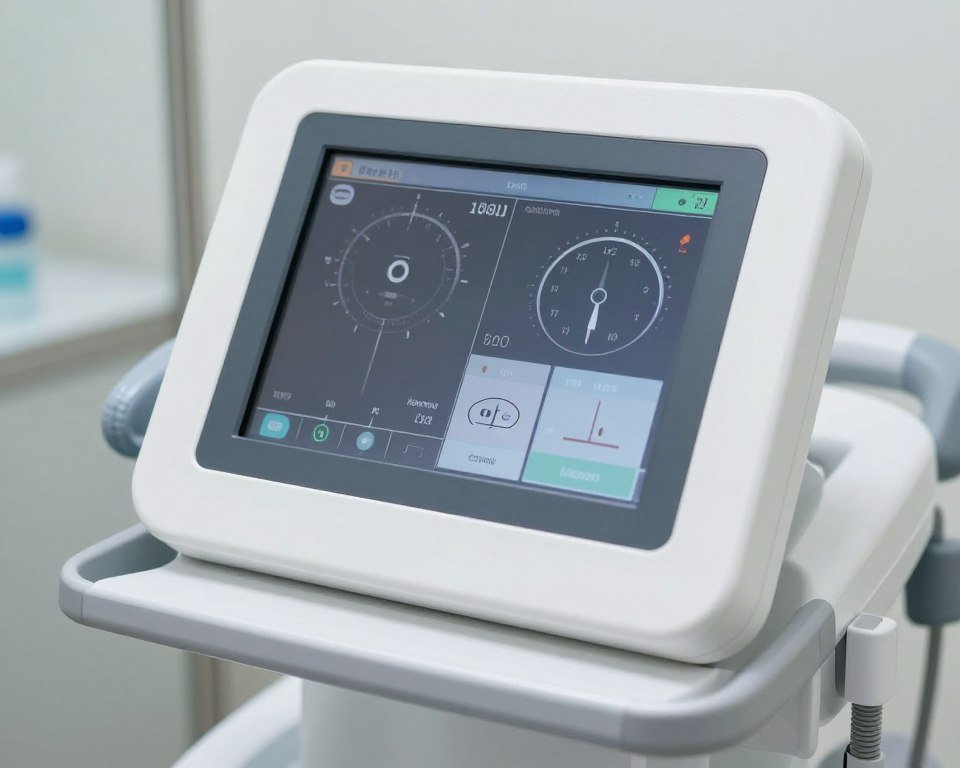
Compare MAIKONG Equipment Specifications
Our manufacturing facility in Shenzhen, GD produces best colonic machines with advanced features. Every system includes CE certification and a three-year warranty. We support healthcare facilities with technical training and ongoing assistance.
Procedure and Protocol Terminology
Medical procedures require specific terminology for accurate communication. Healthcare teams use standardized terms to describe each step. This precision ensures safety and consistency across different practitioners and facilities.
Bowel Preparation Methods
Bowel prep clears the colon before examination or treatment. Patients follow specific dietary restrictions for one to three days. Clear liquids replace solid foods during the preparation period. This diet includes broth, clear juice, and gelatin without added coloring.
Laxative solutions help empty the colon completely. Patients drink large volumes of specially formulated liquids. These solutions work by drawing water into the intestines. The increased fluid content stimulates bowel movements and clears waste material.
Effective Preparation Benefits
- Improves visualization during colonoscopy examinations
- Reduces procedure time and patient discomfort
- Increases accuracy of diagnostic findings
- Lowers risk of complications during procedures
- Allows complete polyp detection and removal
Preparation Challenges
- Requires significant time commitment from patients
- May cause temporary dehydration if fluid intake insufficient
- Can be uncomfortable due to frequent bowel movements
- Some patients struggle with the taste of prep solutions
- Dietary restrictions may interfere with medications
Irrigation and Cleansing Techniques
Colon hydrotherapy involves controlled water introduction into the large intestine. A trained therapist manages the entire process using specialized equipment. Water flows in at body temperature to soften and loosen accumulated waste. The gentle pressure stimulates natural peristalsis.
The procedure typically lasts thirty to forty-five minutes. Patients lie comfortably while the system cycles water in and out. Waste exits through a closed system maintaining dignity and hygiene. Many patients report feeling lighter and more energetic after treatment.
An enema introduces liquid into the rectum and lower colon. This procedure helps relieve constipation or prepare for medical examinations. Patients can administer enemas at home with proper instruction. Medical facilities use larger volume enemas for more thorough cleansing.
Monitoring and Documentation
Healthcare providers document all aspects of colon procedures. Records include patient preparation, procedure details, and findings. This documentation supports continuity of care across multiple providers. Detailed records help track disease progression and treatment effectiveness.
Digital systems now manage most medical documentation. Electronic health records integrate procedure notes with patient histories. This integration improves communication between specialists. Quick access to complete records enhances decision-making quality.
Detailed Anatomical Structure Terms
Understanding specific anatomical structures enhances clinical precision. These terms describe exact locations and components within the digestive system. Healthcare professionals use this vocabulary daily in diagnosis and treatment planning.
Cellular and Tissue Structures
The inner lining of the colon consists of specialized epithelial cells. These cells form a protective barrier against harmful substances. They also facilitate water and nutrient absorption. The cells regenerate continuously to maintain intestinal health.
Mucosa refers to the innermost layer of the intestinal wall. This layer produces mucus that lubricates waste passage. It contains immune cells that protect against infection. The mucosa’s health directly impacts overall digestive function.
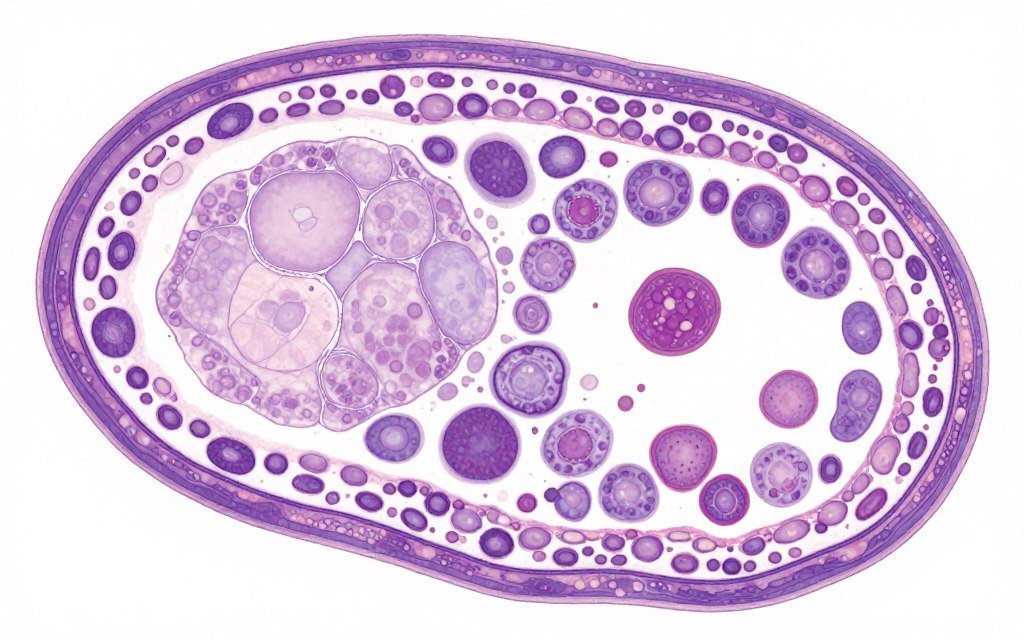
The submucosa layer contains blood vessels and nerves. These structures supply nutrients and coordinate muscle movements. Lymphatic vessels in this layer support immune function. Understanding tissue layers helps explain how diseases affect the colon.
Vascular and Lymphatic Systems
Blood vessels surround and penetrate all intestinal sections. Arteries deliver oxygen-rich blood to support cellular function. Veins carry absorbed nutrients away to the liver for processing. This extensive network maintains organ health and supports digestion.
Blood flow to the intestines increases significantly during digestion. The body redirects circulation to support nutrient absorption. Compromised blood flow can cause serious complications. Healthcare providers monitor vascular health when treating colon conditions.
Lymph nodes filter fluid from intestinal tissues. They trap bacteria and abnormal cells for immune system destruction. Swollen lymph nodes may indicate infection or cancer spread. Doctors examine lymph nodes during cancer staging procedures.
Muscular Components
Two layers of smooth muscle surround the intestinal tube. The inner circular layer contracts to mix contents. The outer longitudinal layer propels waste forward. These coordinated contractions create peristalsis that moves material through the digestive tract.
Sphincter muscles control flow between digestive sections. The ileocecal valve prevents waste from backing up into the small intestine. The anal sphincters control waste elimination timing. Proper muscle function ensures regular bowel movements without accidents.
Symptom and Sign Descriptors
Accurate symptom description helps healthcare providers diagnose conditions correctly. Patients and practitioners need common vocabulary to communicate effectively. Understanding these terms improves history-taking and treatment planning.
Bowel Movement Characteristics
Normal bowel movements vary significantly between individuals. Frequency ranges from three times daily to three times weekly. Stool consistency should be formed but soft. The Bristol Stool Chart provides standardized descriptions from hard lumps to liquid.
Diarrhea involves loose, watery stools occurring frequently. Acute diarrhea lasts less than two weeks and often resolves without treatment. Chronic diarrhea persists beyond four weeks and requires medical evaluation. The condition may indicate infection, inflammation, or other serious problems.
Constipation Patterns
Constipation manifests as infrequent or difficult bowel movements. Patients may strain excessively during elimination. Stools become hard and dry when moving too slowly through the colon. Chronic constipation significantly impacts quality of life and may indicate underlying disease.
Symptoms include abdominal bloating, discomfort, and a feeling of incomplete evacuation. Some patients experience fewer than three bowel movements weekly. Others have daily movements but struggle with passage difficulty.
Stool Appearance Changes
Blood in stool appears as bright red streaks or dark, tarry material. Bright red blood typically originates from the lower colon or rectum. Dark blood indicates bleeding higher in the digestive tract. Any blood in stool requires medical evaluation.
Mucus in stool appears as a jelly-like substance. Small amounts may be normal, but excessive mucus suggests inflammation. Changes in stool color, size, or shape may indicate various conditions requiring assessment.
Pain and Discomfort Patterns
Abdominal pain location provides diagnostic clues. Lower left quadrant pain often relates to the descending or sigmoid colon. Right-sided pain may involve the ascending colon or appendix. Central cramping suggests small intestine involvement.
Pain character matters as much as location. Sharp, sudden pain differs from dull, aching discomfort. Cramping pain that comes and goes suggests muscle spasms. Constant, severe pain may indicate serious conditions requiring immediate attention.
Bloating creates a sense of fullness and abdominal distension. Gas accumulation causes uncomfortable pressure. These symptoms often worsen after eating certain foods. Persistent bloating despite dietary changes warrants medical investigation.
Urgency and Frequency Issues
Fecal urgency describes the sudden, strong need for bowel movements. Patients feel they may not reach a bathroom in time. This symptom causes significant anxiety and lifestyle limitations. It commonly occurs with inflammatory bowel disease and irritable bowel syndrome.
Increased bowel movement frequency disrupts daily activities. Some conditions cause ten or more movements daily. Nighttime bowel movements particularly affect sleep quality. Healthcare providers assess frequency patterns to guide treatment decisions.
Partner With MAIKONG for US Distribution
We manufacture professional-grade colonic machines for sale to healthcare facilities nationwide. Our equipment supports diverse clinical applications from closed colon hydrotherapy to wellness center services. Join our growing network of US distributors and bring advanced colon health technology to your local market.
Risk Factors and Prevention Terms
Understanding risk factors helps identify individuals needing closer monitoring. Prevention strategies reduce disease likelihood through lifestyle modifications. Healthcare providers educate patients about controllable and uncontrollable risk factors.
Genetic and Family History Factors
Family history significantly increases colorectal cancer risk. Individuals with first-degree relatives who had colorectal cancer face higher risk. The risk doubles if multiple family members developed the disease. Genetic counseling helps assess inherited cancer syndromes.
Lynch syndrome represents the most common inherited colorectal cancer syndrome. This genetic condition increases risk for several cancer types. Individuals with Lynch syndrome require earlier and more frequent screening. Genetic testing identifies family members who inherited the mutation.
Familial adenomatous polyposis causes hundreds to thousands of polyps in the colon. This rare genetic condition almost always leads to cancer without treatment. Affected individuals typically require preventive colectomy. Regular screening identifies at-risk family members early.
Lifestyle and Dietary Factors
Diet significantly influences colon health and disease risk. High consumption of red and processed meats increases colorectal cancer risk. These foods may contain compounds that damage intestinal cells. Limiting intake to a few servings weekly reduces risk.
Protective Dietary Factors
- High fiber intake from fruits, vegetables, and whole grains
- Regular consumption of calcium-rich dairy products
- Adequate vitamin D through sunlight and fortified foods
- Antioxidant-rich foods including berries and leafy greens
- Omega-3 fatty acids from fish and plant sources
- Fermented foods supporting healthy gut bacteria
Risk-Increasing Behaviors
- Excessive alcohol consumption beyond moderate levels
- Cigarette smoking and tobacco use in any form
- Sedentary lifestyle with minimal physical activity
- Obesity and excess body weight especially around waist
- High intake of processed and fast foods
- Chronic stress affecting digestive function
Physical activity provides substantial protection against colon disease. Regular exercise improves digestive function and reduces inflammation. It helps maintain healthy body weight and hormone levels. Aim for at least one hundred fifty minutes of moderate activity weekly.
Medical History Considerations
Previous polyp diagnosis increases future polyp and cancer risk. Patients who had polyps require more frequent colonoscopy screening. The number, size, and type of polyps influence follow-up schedules. Removing polyps prevents their progression to cancer.
Inflammatory bowel disease raises colorectal cancer risk significantly. Chronic inflammation damages DNA and promotes abnormal cell growth. Risk increases with disease duration and extent of colon involvement. Enhanced surveillance protocols help detect early changes.
Type 2 diabetes associates with increased colorectal cancer risk. Insulin resistance and chronic inflammation may explain this connection. Diabetes management should include appropriate cancer screening. Lifestyle changes benefit both conditions simultaneously.
Screening and Early Detection Guidelines
Regular screening detects precancerous changes before cancer develops. Guidelines recommend screening starting at age forty-five for average-risk individuals. Earlier screening benefits those with increased risk factors. Multiple screening options accommodate different patient preferences and medical situations.
Age-Based Screening Recommendations
Average-risk adults should begin colorectal cancer screening at age forty-five. This recommendation changed from age fifty based on increasing young-onset cases. Screening continues through age seventy-five for most individuals. Decisions about screening after seventy-five depend on health status and life expectancy.
High-risk individuals need earlier and more frequent screening. Those with family history often start screening ten years before the youngest affected relative’s diagnosis age. Inflammatory bowel disease patients begin surveillance colonoscopy eight to ten years after diagnosis. Genetic syndrome carriers may need annual examinations starting in their twenties.

Screening Test Selection
Colonoscopy remains the most comprehensive screening method. It detects and removes polyps during a single procedure. The examination visualizes the entire colon with high accuracy. Patients typically repeat colonoscopy every ten years if results are normal.
Stool-based tests offer non-invasive screening alternatives. These tests detect blood or abnormal DNA in stool samples. Patients collect samples at home without bowel preparation. Positive results require follow-up colonoscopy for direct visualization.
CT colonography provides another screening option for some patients. This imaging technique requires bowel preparation but no sedation. The procedure takes less time than traditional colonoscopy. However, it cannot remove polyps or collect tissue samples.
Follow-Up and Surveillance Protocols
Screening results determine future surveillance schedules. Normal colonoscopy findings allow ten-year intervals for average-risk individuals. Small polyps found during screening shorten the interval to three to five years. Large or numerous polyps require more frequent monitoring.
Individuals with colorectal cancer history need intensive surveillance. They typically undergo colonoscopy one year after cancer treatment. Subsequent examinations occur at intervals determined by findings and cancer stage. Lifelong surveillance helps detect recurrence early.
Nutritional and Dietary Terms
Nutrition plays a fundamental role in colon health maintenance. Specific nutrients and dietary patterns significantly impact digestive function. Understanding nutritional terminology helps practitioners provide effective dietary guidance.
Fiber Types and Functions
Dietary fiber comes from plant foods that resist digestion. Fiber adds bulk to stools and promotes regular bowel movements. It supports beneficial bacteria growth in the colon. Adequate fiber intake prevents constipation and may reduce cancer risk.
Soluble fiber dissolves in water forming a gel-like substance. This type slows digestion and helps regulate blood sugar. Sources include oats, beans, apples, and citrus fruits. Soluble fiber feeds beneficial gut bacteria producing helpful compounds.
Insoluble fiber doesn’t dissolve in water and passes through the digestive tract largely intact. It adds bulk to stool and speeds waste elimination. Whole grains, vegetables, and wheat bran provide insoluble fiber. This type particularly helps prevent constipation.
| Food Category | Fiber Content (per serving) | Colon Health Benefits |
| Legumes (beans, lentils) | 12-16 grams | Highest fiber content, excellent for regularity and gut bacteria |
| Whole grains (brown rice, quinoa) | 3-8 grams | Provides sustained energy and supports healthy bowel movements |
| Vegetables (broccoli, carrots) | 2-5 grams | Rich in nutrients and protective compounds along with fiber |
| Fruits (berries, apples) | 3-7 grams | Contains antioxidants and natural sugars for gut bacteria |
| Nuts and seeds | 2-4 grams | Provides healthy fats and minerals alongside fiber |
Probiotics and Gut Health
Probiotics are beneficial bacteria that support digestive health. These microorganisms help maintain the balance of gut flora. They produce vitamins, aid digestion, and support immune function. Probiotic supplements or fermented foods deliver these beneficial bacteria.
Prebiotics serve as food for beneficial gut bacteria. These non-digestible fibers pass through the upper digestive tract intact. They reach the colon where bacteria ferment them. This fermentation produces short-chain fatty acids that nourish colon cells.
The gut microbiome consists of trillions of microorganisms living in the intestines. A healthy microbiome supports digestion, immune function, and overall health. Diet, medications, and lifestyle factors influence microbiome composition. Maintaining diversity promotes optimal health outcomes.
Hydration and Digestive Function
Adequate water intake supports healthy digestion and waste elimination. Water helps fiber work effectively in the digestive tract. It softens stool making passage easier and more comfortable. Dehydration contributes to constipation and other digestive problems.
Most adults need eight to ten glasses of water daily. Requirements increase with physical activity, climate, and health conditions. Other fluids contribute to hydration but water remains the best choice. Caffeinated and alcoholic beverages may have mild diuretic effects.
Clinical Assessment and Evaluation Terms
Healthcare providers use specific assessment methods to evaluate colon health. These systematic approaches ensure comprehensive patient evaluation. Understanding assessment terminology improves communication among healthcare team members.
Physical Examination Techniques
Abdominal examination begins with visual inspection for distension or asymmetry. The provider observes breathing patterns and visible peristalsis. Skin changes may indicate underlying digestive conditions. This non-invasive observation provides initial assessment information.
Auscultation involves listening to bowel sounds with a stethoscope. Normal sounds occur every few seconds as the intestines move contents. Absent sounds may indicate obstruction or paralysis. Hyperactive sounds suggest increased intestinal activity.
Palpation examines the abdomen through gentle pressure. Providers assess for tenderness, masses, or organ enlargement. Deep palpation helps identify specific pain locations. Rebound tenderness suggests peritoneal inflammation requiring immediate attention.
Symptom Severity Scoring
Standardized scoring systems quantify symptom severity objectively. These tools help track disease progression and treatment response. Scores combine frequency, intensity, and impact of various symptoms. Regular scoring reveals patterns and guides treatment adjustments.
Quality of life assessments measure how symptoms affect daily functioning. These questionnaires address physical, emotional, and social impacts. Providers use results to understand patient experience beyond clinical measurements. Improving quality of life remains a primary treatment goal.
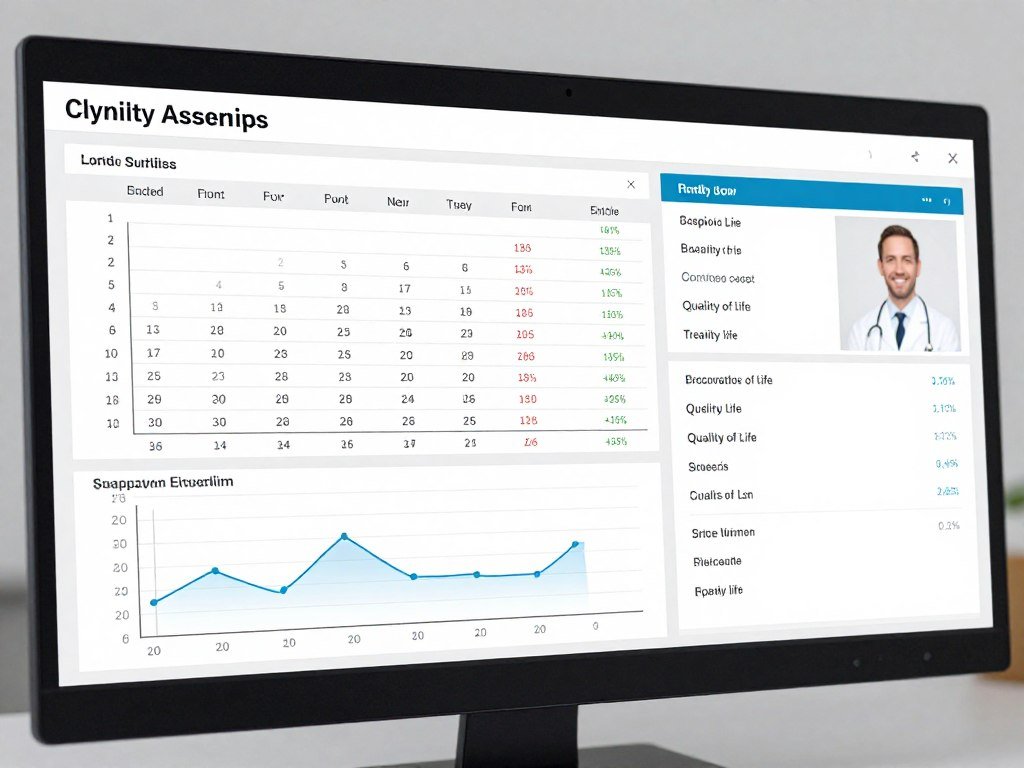
Disease Activity Monitoring
Inflammation markers in blood tests help assess disease activity. C-reactive protein and erythrocyte sedimentation rate indicate inflammation levels. These tests don’t diagnose specific conditions but track changes over time. Rising markers may signal disease flare requiring treatment adjustment.
Calprotectin testing measures a protein found in inflammatory cells. Elevated fecal calprotectin indicates intestinal inflammation. This test helps distinguish inflammatory bowel disease from irritable bowel syndrome. It also monitors treatment effectiveness in known inflammatory conditions.
Complications and Emergency Terms
Understanding complication terminology helps healthcare teams respond appropriately. Some colon conditions progress to emergency situations requiring immediate intervention. Recognizing warning signs enables timely treatment preventing serious outcomes.
Obstruction and Blockage
Bowel obstruction occurs when something blocks intestinal contents from moving forward. Complete obstruction prevents any material from passing. Partial obstruction allows some passage but with difficulty. Causes include tumors, scar tissue, hernias, or severe constipation.
Symptoms include severe abdominal pain, distension, and inability to pass gas or stool. Vomiting may occur as contents back up. Complete obstruction constitutes a medical emergency requiring immediate treatment. Delayed treatment can lead to tissue death and perforation.
Emergency Warning Signs
Seek immediate medical attention if you experience severe abdominal pain with inability to pass gas or stool, persistent vomiting, abdominal distension with severe pain, fever accompanied by abdominal pain, or bloody or black tarry stools. These symptoms may indicate serious complications requiring emergency intervention. Time matters significantly in preventing permanent damage or life-threatening complications.
Perforation and Peritonitis
Intestinal perforation creates a hole in the bowel wall. Contents leak into the abdominal cavity causing infection. Perforation can result from severe inflammation, obstruction, or trauma. This life-threatening emergency requires immediate surgical repair.
Peritonitis describes inflammation of the abdominal cavity lining. It develops when intestinal contents contaminate the sterile peritoneal space. Symptoms include severe pain, rigid abdomen, fever, and rapid heart rate. Emergency surgery removes contaminated material and repairs the perforation.
Bleeding and Hemorrhage
Gastrointestinal bleeding ranges from minor to life-threatening. Lower digestive bleeding originates from the colon or rectum. Causes include polyps, diverticulosis, inflammatory bowel disease, or cancer. Severe bleeding may cause weakness, dizziness, or shock.
Hemorrhage describes significant blood loss requiring urgent treatment. Patients may pass large amounts of bright red blood or dark tarry stools. Rapid bleeding can quickly become life-threatening. Emergency treatment focuses on locating and stopping the bleeding source.
Toxic Megacolon
Toxic megacolon represents a severe complication of inflammatory bowel disease. The colon becomes extremely dilated and stops functioning. Inflammation extends through all bowel wall layers risking perforation. This medical emergency requires intensive treatment and often surgery.
Symptoms include severe abdominal pain, distension, fever, and rapid heart rate. Patients appear seriously ill with signs of systemic infection. Immediate hospitalization with intravenous medications begins treatment. Surgery removes the affected colon section if medical treatment fails.
Equip Your Facility With MAIKONG Technology
We manufacture complete colon hydrotherapy machines designed for clinical excellence. Our systems integrate advanced features including automatic temperature control, continuous water filtration, and comprehensive safety monitoring. Every machine ships with complete accessories, training materials, and warranty documentation.
| Package Component | Quantity | Description |
| Main Unit MK-880 | 1 | Complete hydrotherapy system with control panel |
| Disposable Tube Sets | 20 | Sterile single-use tubing for patient safety |
| Speculum Attachments | 50 | Various sizes for patient comfort |
| Water Filter Cartridges | 3 | Replacement filters for purification system |
| Training Manual | 2 | Complete operation and maintenance guide |
| Video Tutorial Access | Digital | Online training modules and technical support videos |
Healthcare Professional Roles and Specialties
Multiple healthcare specialties contribute to comprehensive colon health care. Each professional brings specific expertise to patient management. Understanding these roles promotes effective collaboration and referrals.
Medical Specialists
Gastroenterologists specialize in digestive system diseases. They complete additional training beyond general internal medicine. These specialists perform diagnostic procedures like colonoscopy and treat complex digestive conditions. Most colon disease management occurs under gastroenterologist supervision.
Colorectal surgeons focus specifically on surgical treatment of colon and rectal conditions. They perform procedures ranging from polyp removal to cancer resection. These specialists manage complications requiring surgical intervention. They work closely with gastroenterologists for comprehensive patient care.
Oncologists treat patients with colorectal cancer. Medical oncologists manage chemotherapy and systemic treatments. Radiation oncologists deliver targeted radiation therapy. Surgical oncologists perform cancer removal operations. These specialists collaborate throughout the treatment process.
Allied Health Professionals
Colon hydrotherapists receive specialized training in administering colonic irrigation. They understand proper equipment operation and patient safety protocols. Professional certification ensures competency in technique and hygiene standards. These practitioners work in wellness centers, spas, and medical facilities.
Registered dietitians provide nutrition counseling for digestive conditions. They create individualized meal plans addressing specific health needs. These professionals educate patients about fiber, probiotics, and trigger food avoidance. Dietitian involvement improves treatment outcomes for many colon conditions.
Nurse practitioners and physician assistants provide much frontline colon health care. They conduct examinations, order tests, and manage chronic conditions. These providers work under physician supervision or independently depending on state regulations. Their involvement increases patient access to quality care.
Support Staff and Technicians
Endoscopy technicians assist during colonoscopy and other procedures. They prepare equipment, position patients, and monitor vital signs. These trained professionals ensure smooth procedure flow and patient safety. Their expertise allows physicians to focus on examination quality.
Medical assistants support clinic operations and patient flow. They collect health histories, arrange tests, and provide patient education. These team members facilitate communication between patients and providers. Their contributions enhance overall care quality and efficiency.
Research and Clinical Trial Terms
Understanding research terminology helps healthcare professionals and patients evaluate new treatments. Clinical trials advance medical knowledge and treatment options. This vocabulary appears in research articles and trial recruitment materials.
Study Design and Methodology
Randomized controlled trials represent the gold standard for medical research. Participants receive either the experimental treatment or control randomly. This design minimizes bias and demonstrates true treatment effects. Results guide evidence-based treatment recommendations.
Double-blind studies prevent expectations from influencing results. Neither participants nor researchers know who receives the actual treatment. This design eliminates placebo effects and observer bias. It produces the most reliable evidence about treatment effectiveness.
Observational studies track outcomes without manipulating treatments. Researchers observe natural disease progression and treatment patterns. These studies identify risk factors and long-term outcomes. They complement randomized trials by providing real-world evidence.
Statistical and Outcome Terms
Statistical significance indicates results unlikely occurred by chance. Researchers use statistical tests to evaluate evidence strength. Significant results suggest real differences between treatment groups. However, statistical significance doesn’t always mean clinical importance.
Survival rates describe the percentage of patients living a certain time after diagnosis. Five-year survival rates commonly measure cancer treatment success. These statistics help patients understand prognosis and make informed decisions. Survival rates improve as treatments advance.
Recurrence describes disease return after initial successful treatment. Cancer recurrence may appear locally or spread to distant sites. Monitoring protocols aim to detect recurrence early when treatment works best. Understanding recurrence risk helps patients make follow-up care decisions.

Insurance and Healthcare System Terms
Navigating healthcare insurance requires understanding specific terminology. These terms affect access to services and financial responsibilities. Both providers and patients benefit from insurance vocabulary knowledge.
Coverage and Authorization
Prior authorization requires insurance approval before receiving certain services. Insurance companies review medical necessity before approving expensive tests or procedures. The authorization process can delay care if not initiated early. Understanding requirements prevents unexpected coverage denials.
Preventive care includes services aimed at disease prevention rather than treatment. Insurance typically covers preventive screenings without cost-sharing. Colonoscopy for screening purposes falls under preventive care. Understanding this distinction helps patients access recommended screening.
Medical necessity determines whether insurance covers a service. Insurers consider diagnosis, symptoms, and standard treatment guidelines. Providers document medical necessity to support coverage approval. Services deemed not medically necessary become patient responsibility.
Payment and Cost Terms
Deductibles represent the amount patients pay before insurance coverage begins. Annual deductibles reset each calendar year. High-deductible plans lower premiums but increase out-of-pocket costs. Understanding your deductible helps plan for healthcare expenses.
Copayments are fixed amounts paid for specific services. Patients typically pay copays at each visit or procedure. Copayment amounts vary based on service type and insurance plan. These costs continue even after meeting the deductible.
Coinsurance describes the percentage of costs patients pay after meeting deductibles. Common coinsurance rates range from ten to thirty percent. The insurance company pays the remaining percentage. Understanding coinsurance prevents surprise bills after major procedures.
What is the difference between deductible and out-of-pocket maximum?
The deductible is the amount you pay before insurance coverage begins for most services. The out-of-pocket maximum represents the most you’ll pay in a year including deductibles, copays, and coinsurance. Once you reach the out-of-pocket maximum, insurance covers one hundred percent of covered services for the remainder of the year. This protection prevents catastrophic expenses from major illnesses or procedures.
How does insurance coverage differ for screening versus diagnostic colonoscopy?
Screening colonoscopy for average-risk patients typically receives full coverage as preventive care with no cost-sharing. However, if polyps are found and removed during the procedure, it may be reclassified as diagnostic and subject to deductibles and coinsurance. Diagnostic colonoscopy performed due to symptoms always involves cost-sharing. Understanding this distinction helps patients anticipate potential expenses and avoid unexpected bills.
What documentation supports medical necessity for colon hydrotherapy?
Medical necessity for colon hydrotherapy requires documentation of specific diagnoses and failed conservative treatments. Physicians must detail symptoms, previous treatment attempts, and how the procedure addresses the medical condition. Insurance companies often classify colon hydrotherapy as alternative medicine with limited coverage. Some plans never cover the procedure while others approve it for specific medical indications like severe constipation unresponsive to standard treatments.
Quality Standards and Accreditation Terms
Healthcare facilities and equipment manufacturers must meet specific quality standards. These standards ensure patient safety and service quality. Understanding accreditation and certification demonstrates commitment to excellence.
Medical Equipment Certification
CE marking indicates medical devices meet European safety standards. This certification allows equipment sale and use throughout Europe. The mark demonstrates compliance with essential health and safety requirements. Manufacturers undergo rigorous testing to obtain CE certification.
ISO certification represents international quality management standards. ISO 13485 specifically addresses medical device quality systems. Certified manufacturers demonstrate consistent production quality and safety. This certification builds customer confidence in product reliability.
FDA clearance or approval applies to medical devices sold in the United States. The FDA evaluates device safety and effectiveness before allowing market entry. Class I devices receive the least scrutiny while Class III devices require extensive testing. Understanding FDA classification helps buyers assess device regulatory status.
Facility Accreditation
Accreditation demonstrates healthcare facilities meet established quality standards. Independent organizations evaluate operations, staff qualifications, and patient care. Accredited facilities undergo regular surveys to maintain status. This recognition indicates commitment to quality and continuous improvement.
Infection control protocols prevent disease transmission in healthcare settings. These procedures cover hand hygiene, equipment sterilization, and waste disposal. Strict adherence protects patients and staff from infections. Regulatory agencies require documented infection control policies and training.
Quality assurance programs monitor and improve healthcare service delivery. These initiatives track outcomes, identify problems, and implement solutions. Regular audits ensure continued compliance with standards. Quality assurance demonstrates organizational commitment to excellence.
Emerging Technologies and Future Terms
Medical technology continues advancing rapidly with new diagnostic and treatment options. Understanding emerging terminology prepares healthcare professionals for future developments. These innovations promise improved patient outcomes and enhanced care delivery.
Advanced Diagnostic Technologies
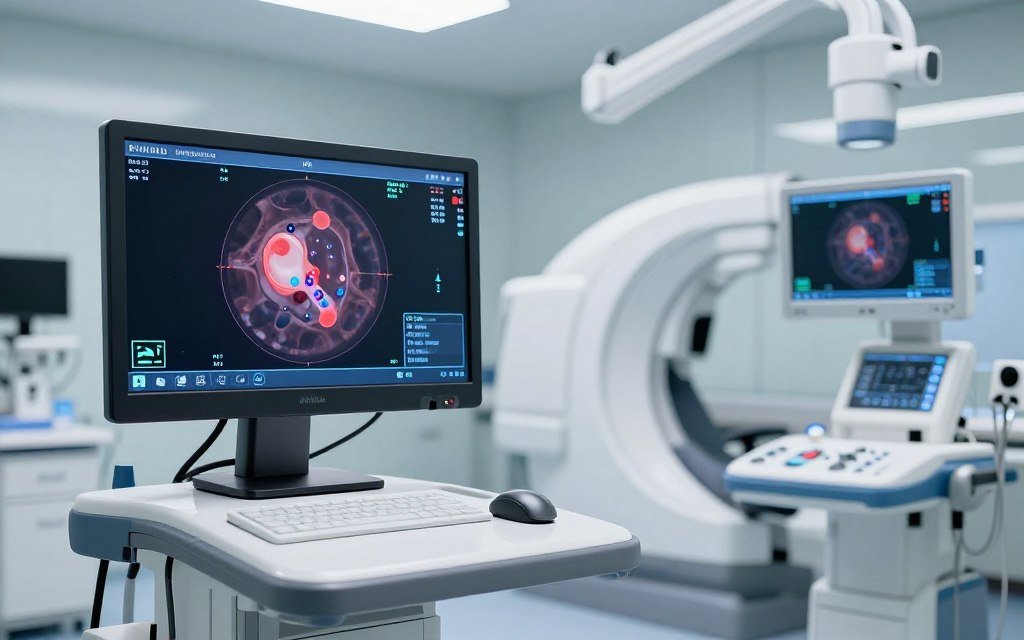
Artificial intelligence now assists in colonoscopy polyp detection. Computer algorithms analyze video feeds in real-time highlighting potential abnormalities. This technology improves detection rates especially for small or flat polyps. AI integration represents the future of screening examinations.
Capsule endoscopy involves swallowing a pill-sized camera. The capsule travels through the digestive tract capturing thousands of images. It provides visualization of areas difficult to reach with traditional endoscopy. This technology particularly helps examine the small intestine thoroughly.
Molecular testing analyzes genetic changes in tumors. These tests guide personalized cancer treatment decisions. Certain genetic mutations respond better to specific therapies. Molecular profiling optimizes treatment selection improving outcomes while reducing unnecessary side effects.
Treatment Innovation
Immunotherapy harnesses the immune system to fight cancer. These treatments help immune cells recognize and destroy cancer cells. They work differently than traditional chemotherapy with unique side effect profiles. Immunotherapy revolutionizes treatment for advanced colorectal cancer.
Targeted therapy drugs attack specific cancer cell characteristics. These medications interfere with molecular pathways supporting cancer growth. Targeted treatments often cause fewer side effects than traditional chemotherapy. Genetic testing identifies patients most likely to benefit from specific targeted drugs.
Minimally invasive surgical techniques reduce recovery time and complications. Laparoscopic and robotic surgery use small incisions rather than large openings. These approaches cause less pain and allow faster return to normal activities. Technology continues improving surgical precision and outcomes.
Patient Education and Communication Terms
Effective patient education requires clear communication using appropriate terminology. Healthcare providers must translate complex medical terms into understandable language. This skill improves patient engagement and treatment adherence.
Health Literacy Concepts
Health literacy describes the ability to obtain, understand, and use health information. Limited health literacy affects millions of Americans regardless of education level. Medical terminology confusion contributes to poor health outcomes and medication errors. Providers must assess literacy levels and adjust communication accordingly.
Teach-back method confirms patient understanding through explanation demonstration. Providers ask patients to explain information in their own words. This technique identifies knowledge gaps requiring clarification. It ensures patients leave with accurate understanding of instructions and treatment plans.
Plain language communication avoids unnecessary jargon and technical terms. When medical terms are necessary, providers define them clearly. Short sentences and simple words improve comprehension. This approach respects patient intelligence while ensuring understanding.
Shared Decision Making
Informed consent requires patients understand risks, benefits, and alternatives before procedures. Providers must explain procedures using terms patients comprehend. Written materials supplement verbal explanations. True informed consent empowers patients to make knowledgeable decisions about their care.
Shared decision making involves collaboration between patients and providers. Both parties contribute to treatment decisions based on evidence and preferences. Providers present options with risks and benefits. Patients share their values, concerns, and priorities. This partnership improves satisfaction and adherence.
Patient decision aids help individuals understand choices and consider preferences. These tools present information in accessible formats with visual elements. They clarify trade-offs between different treatment options. Decision aids improve knowledge and reduce decisional conflict.
MAIKONG Manufacturing Excellence and Global Standards
We established MAIKONG in Shenzhen, GD with a mission to deliver professional-grade colon hydrotherapy equipment worldwide. Our manufacturing facility combines advanced production technology with strict quality control. Every system leaving our factory meets international medical device standards.
Our Manufacturing Capabilities
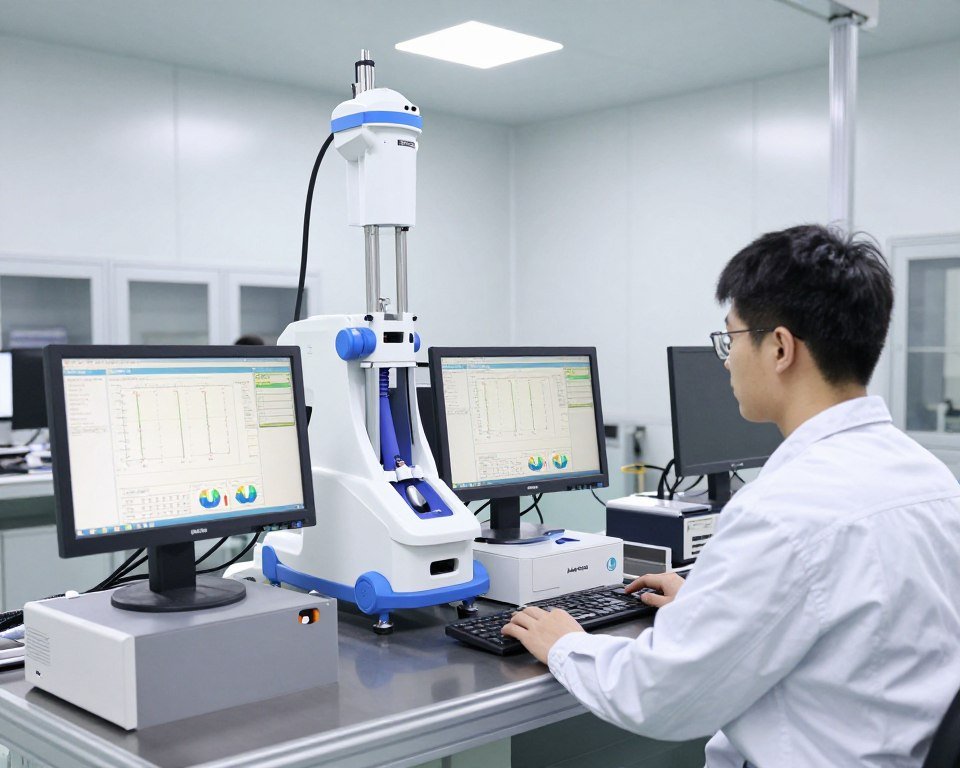
Our production facility spans over twenty thousand square meters dedicated to medical equipment manufacturing. We maintain separate clean rooms for assembly, testing, and quality control. The facility operates under ISO 13485 certification ensuring consistent quality management. Regular audits verify continued compliance with international standards.
We employ over one hundred skilled technicians and engineers. Our team includes specialists in electronics, mechanical design, and medical device regulation. Continuous training keeps staff current with evolving standards and technologies. This expertise ensures every colonic machine meets rigorous specifications.
Quality Control Process
Every unit undergoes comprehensive testing before shipment. We verify temperature accuracy, pressure control, and safety system functionality. Each machine operates continuously for eight hours under simulated clinical conditions. Only systems passing all tests receive our quality certification.
We test electrical safety according to IEC 60601-1 medical electrical equipment standards. Water purification systems undergo bacterial contamination testing. Control panel interfaces receive usability evaluation. This multi-stage process guarantees reliable performance in clinical settings.
Certification and Compliance
All MAIKONG equipment carries CE marking for European market compliance. We maintain technical files documenting design, testing, and manufacturing processes. Regular audits by notified bodies verify continued conformity. This certification provides confidence to international buyers about product safety.
Our systems also meet relevant US electrical and safety standards. We work with facilities pursuing FDA registration for our equipment. Complete technical documentation supports regulatory submissions. This flexibility serves customers in diverse markets with varying regulatory requirements.
Customization and OEM Services
We offer extensive customization options for branded equipment lines. Healthcare groups can specify their logo, color scheme, and interface language. Custom software features address specific workflow preferences. Minimum order quantities as low as twenty units make customization accessible.
Our engineering team supports white-label manufacturing partnerships. We collaborate with distributors developing their own branded product lines. This includes custom packaging, user manuals, and marketing materials. These partnerships help regional distributors establish strong brand presence in local markets.
| Customization Option | Minimum Order Quantity | Lead Time | Applications |
| Logo and Branding | 20 units | 10-15 days | Private label distributors, healthcare chains |
| Color and Finish | 30 units | 15-20 days | Spa chains matching interior design |
| Software Interface | 50 units | 30-45 days | Multi-location practices with specific workflows |
| Custom Packaging | 20 units | 10-15 days | Premium positioning and retail display |
| Complete OEM Development | 100 units | 90-120 days | Major distributors launching new brands |
Global Distribution Network
We’ve established partnerships with distributors across forty-five countries worldwide. Our US distribution network continues growing with dealers in major metropolitan areas. We provide comprehensive support to distribution partners including marketing materials and technical training.
International shipping expertise ensures smooth customs clearance and delivery. We offer multiple shipping options from economy sea freight to express air delivery. All equipment ships in sturdy wooden crates protecting against transport damage. Complete documentation accompanies every shipment facilitating customs processing.
Start Your MAIKONG Partnership Journey
Join successful healthcare entrepreneurs who chose MAIKONG for reliable colonic irrigation equipment. We support your business growth with competitive wholesale pricing, marketing assistance, and ongoing technical support. Whether you operate a single clinic or manage multiple locations, we have solutions matching your needs.
Distributor Benefits
- Exclusive territory protection in your market area
- Lowest minimum order quantity of just one unit
- Comprehensive three-year warranty on all systems
- Free technical training for your staff
- Marketing materials and sales support tools
- Fast five to seven day delivery timelines
- Dedicated account manager for your business
Contact Our Team Today
We respond to inquiries within twenty-four hours providing detailed information about products, pricing, and partnership opportunities. Our team understands the unique needs of the US market and can guide you through the entire process.
Email: Lucy@colonicmachine.us
Website: colonicmachine.us
Equipment Buyer’s Checklist and Comparison Guide
Selecting colon hydrotherapy equipment represents a significant investment requiring careful evaluation. This comprehensive checklist helps buyers compare suppliers and equipment features systematically. Using this guide ensures you address all critical factors before making purchasing decisions.
Technical Specifications to Verify
Temperature control accuracy directly impacts treatment safety and patient comfort. Verify the system maintains water temperature within one degree of the set point. Ask suppliers to provide testing documentation confirming temperature stability. Systems lacking precise control risk patient discomfort or burns.
Flow rate adjustability allows customization for different patients and treatment protocols. Professional systems should offer variable flow from zero to at least one point five liters per minute. Confirm the peristaltic pump provides smooth, pulsation-free delivery. Uneven flow causes cramping and reduces treatment effectiveness.
Essential Technical Features
- Precise temperature control between thirty and forty degrees Celsius
- Variable flow rate adjustment from zero to one point five liters per minute
- Pressure monitoring with automatic safety cutoff
- Multi-stage water purification and filtration system
- Automatic tube cleaning between patient sessions
- Digital display showing all operation parameters
- Emergency stop function accessible to patient and operator
- Continuous operation capability for at least eight hours
Advanced Optional Features
- Touch screen interface for intuitive control
- Pre-programmed treatment protocols for different conditions
- Patient data storage and treatment history tracking
- Medicine dosing system with separate delivery tubing
- Direct observation window for waste visualization
- Wireless remote control for patient comfort adjustment
- Integration with clinic management software
- Multiple language support for diverse patient populations
Safety Requirements
- CE and ISO certification from recognized bodies
- Anti-leakage protection on all fluid connections
- Electrical safety compliance with medical device standards
- Built-in overpressure prevention and alarm
- Overheating protection for water heating element
- Ground fault circuit interrupter on power supply
- Documented safety testing results available
- Clear emergency procedures in operator manual
Supplier Evaluation Criteria
Manufacturing location and facility certifications indicate production quality. Visit supplier websites to learn about their manufacturing processes and quality systems. ISO certification demonstrates commitment to consistent quality management. Request copies of relevant certifications before making decisions.
Warranty terms protect your investment against equipment failures. Standard warranties should cover at least one year on parts and labor. Three-year warranties demonstrate manufacturer confidence in product reliability. Clarify what the warranty covers and exclusions before purchasing.
Total Cost of Ownership Analysis
Purchase price represents only one component of equipment costs. Calculate ongoing expenses including disposable supplies, maintenance, and repairs. Systems requiring expensive proprietary supplies increase long-term costs significantly. Choose equipment using standard supplies available from multiple sources.
Energy consumption varies between models affecting operating costs. Review power specifications and calculate estimated monthly electricity usage. More efficient systems reduce operating expenses over the equipment’s lifespan. Factor these savings into total cost comparisons.
Training and support availability prevents costly downtime. Suppliers should provide comprehensive training for your staff included in the purchase price. Confirm ongoing technical support availability and response times. Consider language barriers when evaluating international supplier support capabilities.

Facility Setup and Implementation Guidance
Successfully integrating colon hydrotherapy equipment requires proper facility preparation. Space requirements, utilities, and workflow considerations impact implementation success. This guidance helps facilities prepare for equipment installation and launch services.
Physical Space Requirements
Treatment rooms should provide adequate space for equipment, treatment table, and practitioner movement. Minimum recommended room size measures ten by twelve feet for comfortable operation. Additional space improves patient comfort and practitioner efficiency. Consider future expansion when selecting equipment locations.
Privacy and acoustics matter significantly in treatment room design. Solid walls and doors provide better sound isolation than curtains. Consider adding white noise systems or music to mask sounds. Patients appreciate private, comfortable environments for these sensitive procedures.
Proper ventilation maintains air quality during treatments. Treatment rooms require adequate air exchange removing odors quickly. Exhaust fans or HVAC systems should provide six to eight air changes per hour. Good ventilation protects staff and subsequent patients from unpleasant experiences.
Utility and Infrastructure Needs
Water supply requirements include both cold water input and drainage. Most systems connect to standard plumbing with three-quarter inch supply lines. Drainage should handle continuous flow during treatments. Verify your facility plumbing meets equipment specifications before installation.
Electrical requirements typically include dedicated twenty-amp circuits. Systems drawing two thousand watts need appropriate electrical service. Outlets should locate within six feet of equipment placement. Licensed electricians should verify electrical safety before first use.
Pre-Installation Checklist
- Verify room dimensions meet equipment requirements
- Confirm plumbing connections match specifications
- Install dedicated electrical circuits with proper amperage
- Check floor load capacity for equipment weight
- Ensure adequate ventilation system capacity
- Plan waste disposal in compliance with local regulations
- Prepare storage space for disposable supplies
- Schedule staff training before patient appointments
Post-Installation Requirements
- Complete manufacturer equipment testing protocols
- Train all staff members on operation procedures
- Establish cleaning and maintenance schedules
- Create patient intake and consent forms
- Develop treatment protocols and pricing structure
- Set up supply ordering and inventory systems
- Implement patient scheduling and documentation
- Review emergency procedures with all staff
Operational Workflow Development
Efficient patient flow maximizes equipment utilization and revenue. Schedule adequate time between appointments for room turnover. Most facilities allocate sixty to ninety minutes per patient including preparation and cleanup. Build extra time into initial schedules until staff develops proficiency.
Supply management prevents treatment interruptions due to shortages. Maintain adequate inventory of disposable tubing, speculums, and cleaning supplies. Establish minimum stock levels triggering automatic reorders. Reliable supply chains ensure consistent service delivery.
Documentation systems track treatments, patient responses, and equipment maintenance. Electronic health records integrate treatment notes with patient histories. Dedicated software simplifies scheduling, billing, and compliance reporting. Invest in systems supporting efficient practice management.
Equipment Maintenance and Longevity Planning
Proper maintenance extends equipment lifespan and ensures reliable performance. Preventive maintenance schedules prevent unexpected failures and costly repairs. Understanding maintenance requirements helps facilities budget appropriately for ongoing operations.
Daily and Weekly Maintenance Tasks
Daily cleaning protocols maintain hygiene and prevent contamination. Wipe down all surfaces contacted by patients or operators with medical-grade disinfectant. Clean the observation chamber and waste collection system after each patient. These simple steps prevent cross-contamination between users.
Water system flushing removes residual minerals and prevents buildup. Run clean water through the system for several minutes after each treatment day. Replace in-line filters according to manufacturer schedules or after set usage hours. Clean filters ensure water quality meets safety standards.
Weekly deep cleaning addresses areas not cleaned daily. Disassemble removable components for thorough washing and disinfection. Inspect tubing connections for wear or leaks. Check electrical connections for security and corrosion. These inspections identify problems before they cause failures.
| Maintenance Task | Frequency | Time Required | Performed By |
| Surface disinfection | After each patient | 5 minutes | Treatment staff |
| System water flush | Daily | 10 minutes | Treatment staff |
| Filter inspection and replacement | Weekly or per specifications | 15 minutes | Trained staff |
| Deep cleaning and inspection | Weekly | 30 minutes | Trained staff |
| Pressure and temperature calibration | Monthly | 20 minutes | Technical staff or service provider |
| Comprehensive system check | Quarterly | 60 minutes | Technical staff or service provider |
| Annual certification and testing | Annually | 2-3 hours | Certified technician |
Long-Term Component Replacement
Water pumps experience wear over time requiring eventual replacement. Monitor pump performance for decreased flow or unusual sounds. Most pumps last three to five years with proper maintenance. Keep spare pumps in inventory to minimize downtime if replacement becomes necessary.
Heating elements gradually lose efficiency or fail completely. Temperature inconsistencies or longer heating times signal potential problems. Replace heating elements preventively before they fail during treatment. Quality elements last five to seven years under normal usage conditions.
Electronic components including circuit boards and displays may require replacement. Keep detailed records of any error codes or performance anomalies. Share this information with technical support for accurate diagnosis. Many electronic components remain available for ten years or more after purchase.
Service and Support Resources
Manufacturer technical support provides troubleshooting guidance and repair instructions. Maintain current contact information for your equipment supplier. Response time expectations should be clearly defined in purchase agreements. Premium support packages may offer faster response and extended coverage.
Local service technicians provide on-site repairs when remote support proves insufficient. Identify qualified technicians before problems occur. Some manufacturers maintain networks of certified service providers. Regular relationships with technicians ensure prompt assistance when needed.
Online resources including video tutorials and user forums supplement official support. Manufacturer websites often host troubleshooting guides and maintenance videos. User communities share experiences and solutions to common problems. These resources provide quick answers to routine questions.
Business Development and Market Considerations
Successfully launching or expanding colon hydrotherapy services requires solid business planning. Market analysis, pricing strategies, and marketing approaches determine financial success. These considerations help facilities maximize return on equipment investment.
Market Analysis and Target Demographics
Understanding your local market guides service positioning and pricing decisions. Research competitor locations, services offered, and pricing structures. Identify underserved areas or demographics in your region. This analysis reveals opportunities for market differentiation.
Target demographics for colon hydrotherapy vary by geographic location and positioning. Wellness-focused consumers often seek preventive and detoxification services. Medical patients may require colon cleansing for clinical reasons. Some facilities target both markets with differentiated service offerings.
Income levels and health insurance coverage affect service demand and pricing. Higher-income areas typically support premium pricing for wellness services. Areas with lower incomes may require more competitive pricing or payment plans. Understanding local economics prevents pricing mismatches.
Service Pricing and Package Development
Individual session pricing should cover costs while remaining competitive. Calculate equipment amortization, labor, supplies, and overhead per session. Research competitor pricing to position appropriately. Most facilities charge between eighty and one hundred fifty dollars per session depending on location.
Package pricing encourages repeat visits and improves customer retention. Offer three, six, or ten-session packages at discounted rates. Packages improve cash flow and build client commitment to treatment courses. Discount structures typically range from ten to twenty percent off individual session prices.
Introductory Packages
First-time customer offers reduce barriers to trial. Consider discounting initial sessions by twenty to thirty percent. These packages introduce services to hesitant prospects. Track conversion rates from introductory to regular clients.
Bundled service packages combine hydrotherapy with complementary treatments. Nutrition consultations, massage, or supplements enhance value. These packages increase average transaction values while providing comprehensive wellness solutions.
Membership Programs
Monthly membership models provide predictable recurring revenue. Members pay fixed monthly fees receiving discounted services. This structure builds loyal customer bases and steady cash flow. Include exclusive benefits like priority scheduling or additional discounts.
Corporate wellness programs expand market reach beyond individual consumers. Offer package pricing for employee wellness initiatives. These partnerships provide volume business and enhance community presence.
Medical Service Pricing
Clinical indications may support insurance reimbursement or medical pricing. Document medical necessity thoroughly for insurance claims. Medical pricing typically exceeds wellness service rates. Verify coverage and authorization before providing services.
Cash payment options accommodate patients without insurance coverage. Offer payment plans for patients requiring multiple treatments. Clear financial policies prevent misunderstandings and collection issues.
Marketing and Patient Acquisition
Digital marketing reaches health-conscious consumers actively researching services. Optimize website content for local search terms including “colon hydrotherapy near me”. Share educational content demonstrating expertise and building trust. Strong online presence generates steady inquiry flow.
Professional referral networks provide qualified patient referrals. Build relationships with complementary practitioners including naturopaths, chiropractors, and nutritionists. Offer professional courtesy discounts encouraging personal experience with your services. These relationships generate long-term referral streams.
Educational workshops position your facility as community health resources. Host free seminars about digestive health and colon hydrotherapy. These events build credibility while introducing services to potential clients. Follow up with attendees offering special workshop pricing.
Comprehensive Frequently Asked Questions
What qualifications should colon hydrotherapists possess?
Professional colon hydrotherapists typically complete specialized training programs ranging from one hundred to three hundred hours. Certification programs cover anatomy, physiology, contraindications, and practical technique. The International Association for Colon Hydrotherapy offers the most recognized certification. State regulations vary significantly with some requiring healthcare licenses while others have no specific requirements. Practitioners should maintain current CPR certification and continue education to stay updated on best practices.
When selecting equipment suppliers, ask about included training programs. Quality manufacturers like MAIKONG provide comprehensive training as part of equipment purchase. This training covers proper operation, safety protocols, and patient care techniques. Ensure your staff completes manufacturer training before treating patients.
How does closed system colon hydrotherapy differ from open systems?
Closed system colon hydrotherapy maintains a sealed environment throughout the treatment. Waste flows directly from the body through tubing into the drainage system without exposure to room air. This design maximizes privacy and dignity while minimizing odors. Practitioners control all aspects of the treatment including water temperature and pressure. Closed systems allow direct observation of eliminated material through clear tubing.
Open systems use gravity and a basin system rather than sealed tubing. Patients lie on specially designed tables with waste flowing into the basin below. These systems allow patients more control over the process. However, they provide less privacy and may produce more odor. Closed systems dominate professional clinical settings due to their hygiene advantages and practitioner control. MAIKONG manufactures advanced closed system equipment meeting international medical standards.
What contraindications prevent colon hydrotherapy treatment?
Several medical conditions contraindicate colon hydrotherapy requiring alternative treatments. Absolute contraindications include active gastrointestinal bleeding, intestinal perforation, severe hemorrhoids, recent colon or rectal surgery, and abdominal hernia. Patients with these conditions risk serious complications from hydrotherapy.
Relative contraindications require medical clearance before treatment. These include pregnancy, severe heart disease, kidney disease, and uncontrolled hypertension. Patients with inflammatory bowel disease in active flare should postpone treatment until remission. Always conduct thorough health screening before first treatments. When in doubt, request physician approval before proceeding.
Practitioners must understand both contraindications and proper screening procedures. Equipment manufacturers should provide comprehensive contraindication lists and screening forms. This documentation protects both practitioners and patients from adverse events.
How do I compare different colonic machine manufacturers effectively?
Effective manufacturer comparison requires evaluating multiple factors beyond initial price. Start by verifying certifications including CE marking and ISO quality systems. Request copies of certification documents and confirm their validity through issuing organizations. Legitimate manufacturers readily provide this documentation.
Examine technical specifications carefully comparing temperature control, pressure limits, and safety features. Request detailed specification sheets rather than relying on marketing materials. Ask about replacement parts availability and costs. Some manufacturers use proprietary components creating long-term dependency and higher costs.
Evaluate manufacturer support including training, technical assistance, and warranty terms. Contact existing customers requesting feedback about reliability and support quality. Poor after-sale support can negate equipment cost savings. Consider total cost of ownership including maintenance, supplies, and potential downtime rather than focusing solely on purchase price.
MAIKONG provides transparent specifications, genuine certifications, and comprehensive support. We encourage prospective buyers to compare our offerings against any competitor. Our confidence stems from consistent quality and proven reliability across thousands of installations worldwide.
What is the typical return on investment timeline for colon hydrotherapy equipment?
ROI timelines vary based on service pricing, patient volume, and operating costs. Calculate your break-even point by dividing total equipment cost by profit per session. For example, a system costing fifteen thousand dollars with seventy-five dollar profit per session requires two hundred sessions to break even.
Most facilities achieve break-even within twelve to twenty-four months depending on marketing effectiveness and utilization rates. High-volume practices with effective marketing may recover costs within six to nine months. Lower volume operations or those in competitive markets may require longer periods.
Maximize ROI by optimizing scheduling efficiency and implementing package sales. Systems operating at sixty to seventy percent capacity generate significantly better returns than underutilized equipment. Strong marketing and excellent patient experiences drive the volume necessary for rapid cost recovery.
Consider equipment durability when evaluating investment returns. Quality systems like MAIKONG machines operate reliably for ten years or more. This longevity means equipment continues generating profit long after initial cost recovery. Cheaper equipment requiring frequent repairs or early replacement undermines long-term profitability.
How does equipment choice affect insurance reimbursement possibilities?
Insurance reimbursement for colon hydrotherapy remains limited with most carriers classifying it as alternative medicine. However, medical-grade equipment with proper certifications supports reimbursement claims when medical necessity exists. FDA registration or clearance strengthens reimbursement arguments for US facilities.
Documentation quality significantly impacts claim success rates. Medical practitioners must thoroughly document diagnoses, previous treatment failures, and therapeutic rationale. Equipment meeting medical device standards provides stronger documentation foundation than wellness-only devices.
Some insurance companies reimburse colon hydrotherapy for specific indications like chronic constipation unresponsive to other treatments. Pre-authorization requirements typically apply requiring advance approval before services. Work with medical billing specialists familiar with gastroenterology coding and documentation requirements.
Even without insurance reimbursement, medical-grade equipment enables diverse practice applications. Facilities can serve both medical and wellness markets with appropriate equipment. MAIKONG systems meet international medical device standards supporting varied practice models and potential insurance billing.
What ongoing supply costs should facilities budget for colon hydrotherapy services?
Disposable supply costs per treatment typically range from eight to fifteen dollars depending on supplier and product quality. Major supply items include single-use tubing sets, speculums, and cleaning materials. Some systems require proprietary supplies while others use standard components available from multiple sources.
Water filtration components require periodic replacement based on usage volume. Filter cartridges typically cost thirty to sixty dollars each lasting three to six months. Higher quality filtration systems have longer intervals between replacements. Budget approximately ten to twenty dollars per month for filtration maintenance.
Cleaning and disinfection supplies maintain hygiene between treatments. Medical-grade disinfectants, paper products, and protective equipment cost two to four dollars per treatment. Don’t compromise on cleaning supplies as proper disinfection prevents cross-contamination and liability issues.
Calculate total supply costs per treatment when developing pricing strategies. Factor in a ten percent buffer for waste and unexpected increases. Regular supplier relationships and bulk ordering reduce per-unit costs. MAIKONG equipment uses standard supplies available from multiple vendors preventing proprietary supply markups.
How can facilities incorporate colon health glossary education into patient consultations?
Patient education enhances treatment understanding and compliance with protocols. Develop simple handouts explaining key colon health terminology relevant to your services. Avoid overwhelming patients with excessive medical jargon. Focus on terms they’ll encounter during consultations and treatments.
Use visual aids including diagrams of the digestive system during initial consultations. Point to specific areas when discussing anatomy and procedure details. Visual learning helps patients understand where and how treatment works. These tools reduce anxiety by demystifying the process.
Create a reference guide or glossary available on your website and in waiting areas. Patients appreciate resources they can review at their own pace. This approach demonstrates professionalism and educational commitment. Well-informed patients become advocates sharing their knowledge with others.
Train all staff to use consistent terminology when communicating with patients. Develop scripts for common questions ensuring accurate, understandable responses. Regular team training maintains communication quality. Consider this comprehensive colon health glossary as a resource for staff education and patient reference materials.
What factors should influence equipment placement within multi-location practices?
Strategic equipment placement across multiple locations maximizes utilization and revenue. Analyze demographic data identifying areas with highest wellness service demand. Consider income levels, health consciousness indicators, and competitor locations. Place equipment in markets with greatest growth potential first.
Evaluate existing service mix at each location determining colon hydrotherapy fit. Locations with complementary services like nutrition counseling, massage, or naturopathic medicine experience better patient acceptance. These synergies drive cross-referrals and package sales opportunities.
Consider staffing availability and training requirements when planning expansion. Each location needs adequately trained practitioners before installing equipment. Stagger installations allowing proper staff preparation and marketing buildup. Rushed expansion often results in underutilized equipment and poor patient experiences.
Standardize equipment choices across all locations simplifying training and maintenance. Using identical systems allows staff flexibility between locations. It also streamlines supply ordering and technical support relationships. MAIKONG offers volume discounts for multi-unit purchases supporting cost-effective expansion strategies.
How does MAIKONG support US distributors and dealers?
We provide comprehensive support helping distributors build successful businesses. Initial support includes complete product training covering technical specifications, operation, and sales techniques. We supply detailed product literature, comparison charts, and presentation materials. These resources help distributors effectively communicate product advantages to prospects.
Marketing support includes co-branded materials, website content, and social media resources. We provide high-quality product images and videos for use in promotional materials. Our team helps develop territory-specific marketing strategies based on local market conditions. Regular updates keep distributors informed about new features and competitive developments.
Technical support remains available throughout the partnership. Distributors receive priority access to our engineering team for troubleshooting and customer support. We provide detailed service manuals and training for common maintenance procedures. This support enables distributors to serve their customers effectively without always requiring factory involvement.
Financial terms accommodate different business models with flexible minimum orders and payment terms. We offer territory protection preventing channel conflict and supporting long-term relationships. Growing distributors receive preferential pricing as volume increases. Our goal is partnering for mutual success rather than simply selling equipment. Contact us at Lucy@colonicmachine.us to discuss partnership opportunities.
Conclusion: Empowering Informed Decisions Through Knowledge
Understanding colon health terminology empowers healthcare professionals and equipment buyers to make informed decisions. This comprehensive glossary covered essential terms across anatomy, conditions, procedures, equipment, and business considerations. Knowledge transforms complex medical information into practical tools supporting better patient care and smarter purchasing.
The connection between terminology understanding and equipment selection proves stronger than many realize. When you comprehend technical specifications and clinical applications, you evaluate suppliers more effectively. You ask better questions and recognize quality differences. This knowledge protects your investment and ensures you acquire equipment truly meeting your needs.
We developed this resource recognizing the challenges healthcare professionals face navigating medical terminology and equipment decisions. Through MAIKONG, we’ve supported thousands of practitioners establishing and expanding colon hydrotherapy services. Our experience shows that well-informed buyers build more successful practices serving patients more effectively.
The colon health glossary buyer intent extends beyond simple definition lookup. Serious equipment purchasers use terminology knowledge to evaluate suppliers, compare specifications, and understand clinical applications. This comprehensive approach leads to better decisions and superior outcomes. Your investment in understanding pays dividends throughout your equipment’s operational life.
Modern colon health practices require sophisticated equipment meeting rigorous safety and performance standards. The systems we manufacture at MAIKONG represent years of engineering refinement and customer feedback integration. Every feature addresses real clinical needs identified through practitioner partnerships. This user-focused design philosophy differentiates professional equipment from basic systems.
Quality equipment forms the foundation of successful colon hydrotherapy practices. However, technology alone doesn’t guarantee success. Comprehensive training, proper maintenance, effective marketing, and excellent patient care complete the success equation. We support partners across all these dimensions recognizing that your success determines our long-term partnership viability.
The United States market for colon hydrotherapy continues expanding as consumers increasingly seek natural wellness approaches. This growth creates opportunities for entrepreneurial healthcare providers and equipment distributors. Strategic positioning with quality equipment and professional service delivery captures this growing demand. Now represents an excellent time to enter or expand within this market.
Your next steps depend on where you stand in the decision process. Those just beginning research should continue exploring colon health terminology and equipment options. Compare multiple suppliers using the evaluation frameworks provided. Request detailed specifications and certifications from any manufacturer you seriously consider.
Practitioners ready for equipment purchase should schedule consultations with potential suppliers. Discuss your specific needs, patient volume projections, and space limitations. Request demonstrations or visits to existing installations if possible. See equipment operating under real clinical conditions before finalizing decisions.
Entrepreneurs exploring distributor opportunities should evaluate market demand in your territory. Research competitor presence and identify underserved areas or demographics. Calculate realistic sales projections based on market size and your marketing capabilities. Contact manufacturers like MAIKONG to discuss partnership terms and support offerings.
We welcome inquiries from qualified partners serious about colon health equipment. Our team responds promptly with detailed information addressing your specific questions and requirements. Whether you need a single system for your practice or inventory for distribution, we provide tailored solutions and support. Let’s discuss how MAIKONG equipment can support your success.
Take Your Next Step Today
Connect with our team to discuss your specific needs and explore how MAIKONG equipment fits your goals. We provide honest assessments helping you make the right decision for your situation. No high-pressure sales tactics, just straightforward information from manufacturing experts committed to your success.
Thank you for investing time in this comprehensive colon health glossary. We hope this resource provides lasting value as you navigate equipment decisions and develop your practice. The terminology knowledge you’ve gained today strengthens your ability to evaluate options and communicate professionally. This foundation supports informed decision-making throughout your career.
The future of colon health care combines traditional wisdom with modern technology. Quality equipment enables practitioners to deliver effective treatments safely and comfortably. Patient education about digestive health drives increasing demand for professional services. Positioning yourself with the right knowledge, equipment, and partnerships determines your success in this growing field.
We look forward to potentially partnering with you on your colon health journey. Whether as an equipment user or distributor, successful partnerships begin with shared values around quality, integrity, and customer service. MAIKONG embodies these values in everything we manufacture and every relationship we build. Let’s explore whether partnership makes sense for your specific situation.