
Colon Health Glossary: Complete Medical Terminology Guide for Practitioners and Equipment Buyers
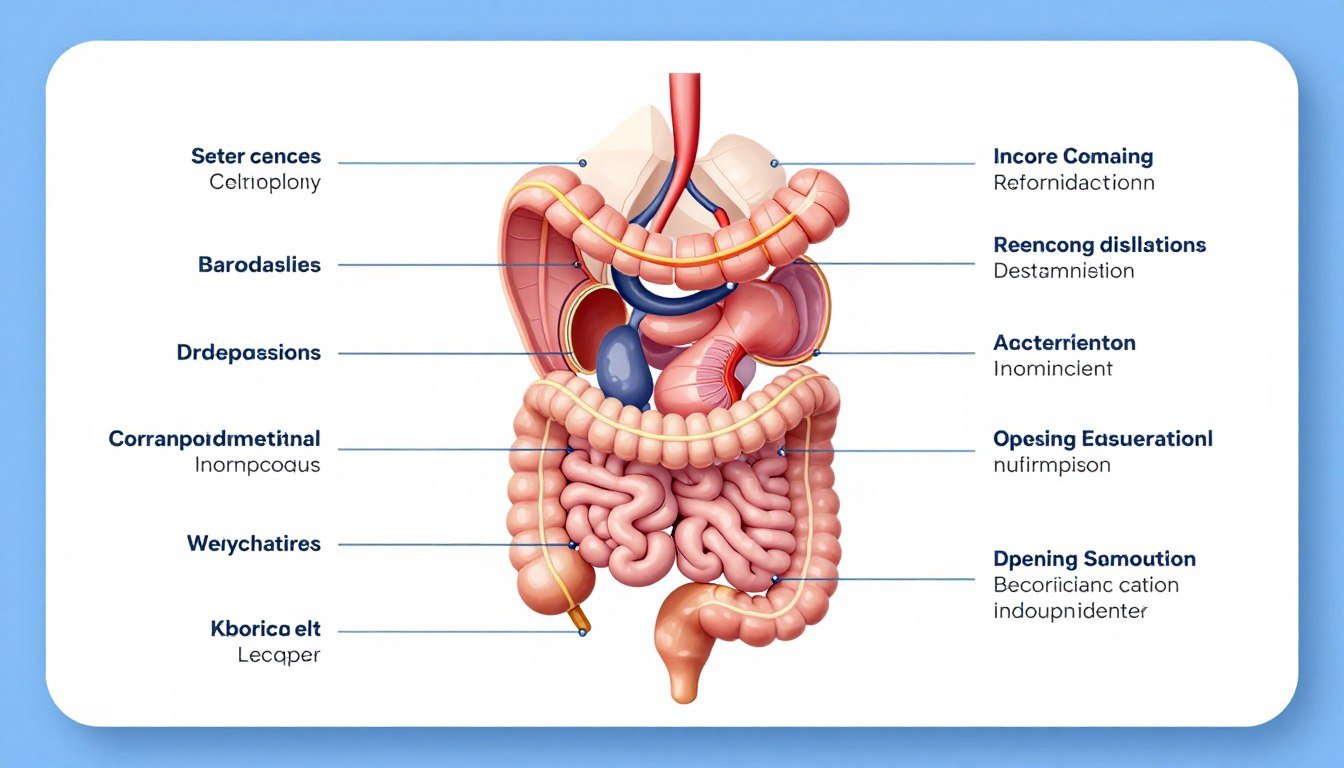
Understanding colon health terminology helps practitioners deliver better patient care. I’ve worked with hundreds of clinic owners who needed clear medical definitions to make informed equipment purchasing decisions. This comprehensive colon health glossary bridges medical knowledge and practical clinical application.
Medical terminology can create confusion during equipment selection. Practitioners often ask me how specific terms relate to treatment protocols and machine capabilities. This guide provides clear definitions while connecting terminology to real-world clinical scenarios.
The following sections cover essential terms related to the digestive system, colon therapy procedures, and equipment specifications. I’ll explain each term in practical language that helps you educate staff and communicate effectively with patients.
Expanding Your Colon Therapy Practice?
MAIKONG provides comprehensive distributor support with industry-leading 3-year warranty coverage and complete technical training. Our team helps you understand how medical terminology translates into equipment specifications that serve your clients effectively.
Understanding Digestive System Basics
The digestive tract represents one of the most complex systems inside the body. This intricate network processes nutrients and eliminates waste through coordinated muscular contractions. Understanding digestive system components helps practitioners explain treatment benefits to clients seeking colon health improvements.
The Gastrointestinal Tract Structure
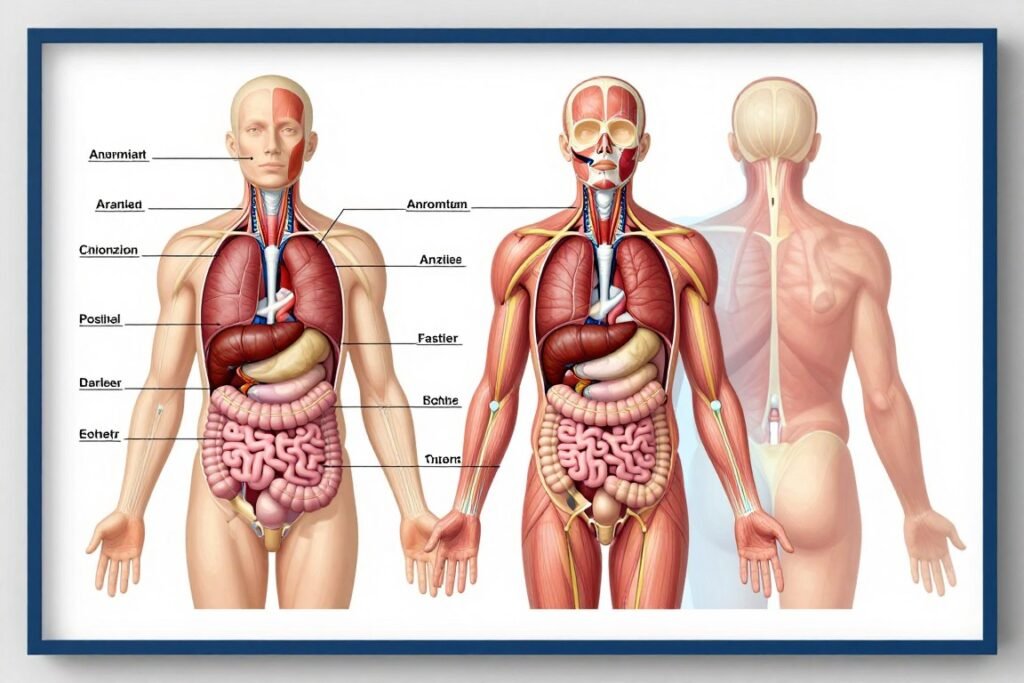
The gastrointestinal tract extends from mouth to anus as a continuous tube measuring approximately 30 feet in adults. This pathway, also called the alimentary canal, consists of distinct segments that perform specialized digestive functions. Each section contributes unique enzymatic activity and absorption capabilities.
The digestive system works through coordinated peristaltic movements. Smooth muscle layers contract rhythmically to propel food materials through successive processing stages. These contractions occur automatically without conscious control, regulated by the enteric nervous system embedded within intestinal walls.
Understanding the complete digestive pathway helps practitioners identify where specific therapies apply. The upper digestive tract includes the esophagus and stomach, while the lower digestive tract encompasses the small intestine and large intestine. Each region requires different therapeutic approaches based on anatomical structure and physiological function.
Small Intestine Anatomy and Function
The small intestine measures approximately 20 feet long and handles most nutrient absorption. This organ divides into three distinct sections with specific roles. The first part, called the duodenum, receives partially digested food from the stomach along with digestive enzymes from the pancreas.
The first part small intestine, or duodenum, spans about 10 inches and neutralizes acidic stomach contents. Bile from the liver mixes with food here, breaking down fats into absorbable molecules. This initial processing prepares nutrients for absorption in subsequent intestinal segments.
Following the duodenum, the jejunum handles most nutrient absorption through specialized finger-like projections called villi. These microscopic structures increase surface area dramatically, allowing efficient nutrient transfer into blood vessels. The final section, the ileum, absorbs remaining nutrients and bile salts before passing contents to the large intestine.
Small Intestine Primary Functions
- Chemical digestion through enzyme action
- Nutrient absorption into bloodstream
- Vitamin B12 and bile salt reabsorption
- Immune system support through lymphoid tissue
- Hormone production regulating digestion
Clinical Significance for Practitioners
- Understanding absorption disorders helps treatment planning
- Small intestine conditions may cause malnutrition symptoms
- Bacterial overgrowth requires different interventions than colon issues
- Transit time affects therapeutic outcomes
- Knowing anatomy prevents contraindication errors
Large Intestine Components
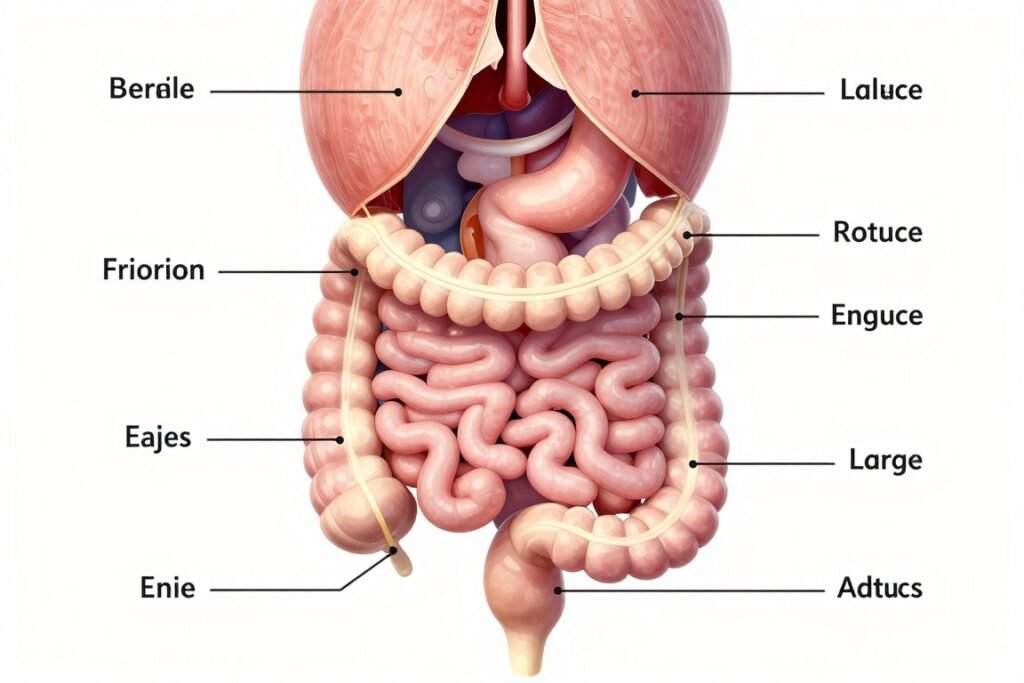
The large intestine measures approximately 5 feet long and focuses on water absorption and waste formation. This structure begins at the cecum, where the small intestine connects, and continues through the ascending, transverse, descending, and sigmoid colon sections before reaching the rectum.
The colon absorbs water and electrolytes from remaining digestive material, transforming liquid waste into solid stool. This process concentrates waste products while reclaiming valuable water resources for the body. Beneficial bacteria within the colon also produce vitamins and break down remaining fiber particles.
The sigmoid colon represents the final S-shaped section before the rectum. This segment stores waste temporarily before elimination. Understanding sigmoid anatomy helps practitioners position equipment correctly and explain procedure mechanics to nervous clients.
Colon and Rectum Medical Terminology
Precise anatomical language enables clear communication between practitioners and clients. The colon rectum connection represents a critical junction where waste storage transitions to elimination. This area requires particular attention during colon hydrotherapy procedures to ensure client comfort and safety.
Rectum and Colon Relationship
The rectum colon junction marks where the sigmoid colon straightens into the final 6-8 inches of the digestive tract. The rectum serves as a temporary storage chamber for fecal material until voluntary elimination occurs. Stretch receptors in rectal walls signal the need for bowel movements.
Understanding this anatomy helps practitioners explain equipment insertion procedures. The rectal opening, also called the anus, contains two sphincter muscles that control waste release. The internal sphincter operates involuntarily, while the external sphincter responds to conscious control.
During colon hydrotherapy, practitioners must respect these anatomical structures. Gentle insertion techniques protect delicate rectal tissue while establishing secure connections for water flow. I always emphasize proper positioning to my distributor partners because client comfort directly impacts treatment effectiveness and return visits.
Common Colon Conditions
Inflammatory bowel disease encompasses chronic conditions affecting the digestive tract. These disorders cause persistent inflammation that may damage intestinal tissue over time. The two primary types include Crohn’s disease and ulcerative colitis, each with distinct characteristics and treatment requirements.
Crohn’s disease may cause inflammation anywhere along the gastrointestinal tract, from mouth to anus. This condition often affects the end of the small intestine and beginning of the colon. Inflammation extends through entire intestinal wall layers, sometimes creating complications like fistulas or strictures.
Ulcerative colitis specifically affects the colon rectum lining, causing continuous inflammation and ulceration. This condition always begins in the rectum and may extend proximally through varying lengths of the colon. Unlike Crohn’s disease, ulcerative colitis affects only the innermost intestinal layer.
Practitioner Note: Clients with active inflammatory bowel disease require medical clearance before colon hydrotherapy. Always verify diagnosis status and current symptom severity. Severe inflammation represents a contraindication requiring physician consultation.
Bowel Movement Patterns
Normal bowel movements vary considerably between individuals. Frequency ranges from three times daily to three times weekly within healthy parameters. Consistency, ease of passage, and completeness matter more than specific frequency numbers.
The Bristol Stool Chart categorizes bowel movement types from hard lumps to liquid consistency. Types 3 and 4 represent ideal formations, resembling soft sausages that pass comfortably. Types 1 and 2 indicate constipation, while types 6 and 7 suggest diarrhea conditions.
Practitioners should ask clients about recent bowel patterns before procedures. Sudden changes in frequency, consistency, or color may indicate underlying health issues requiring medical evaluation. This screening protects client safety and helps identify appropriate candidates for colon therapy services.
Colon Hydrotherapy Equipment Specifications
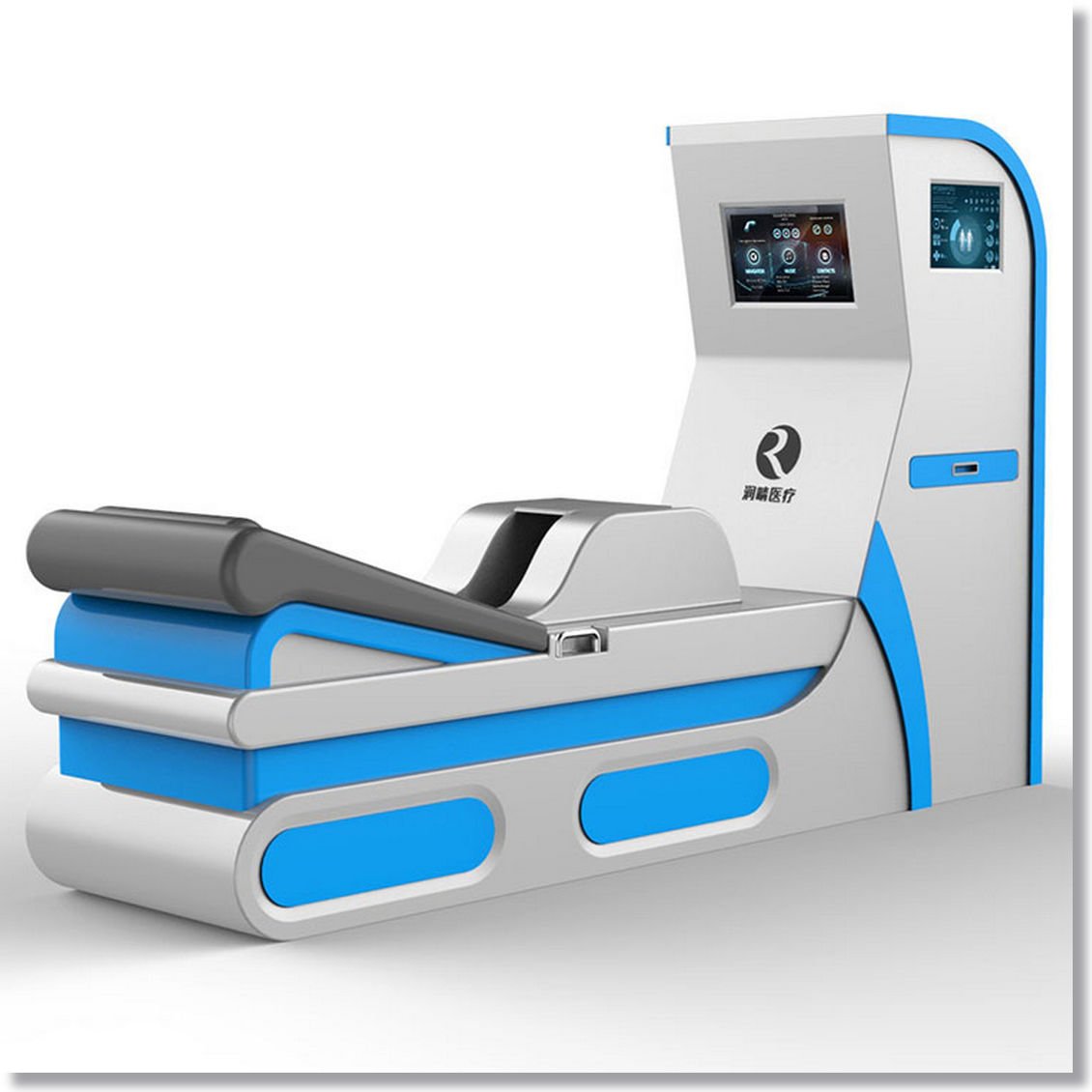
Professional colon hydrotherapy machines require precise engineering to ensure safety and effectiveness. My experience with the MAIKONG colonic machine line demonstrates how proper specifications align with clinical needs. Understanding equipment parameters helps practitioners select appropriate systems for their practice scope.
Essential Machine Features
Modern colon hydrotherapy systems incorporate multiple safety mechanisms. Temperature control systems maintain water at body temperature, typically 37°C (98.6°F), preventing thermal shock to intestinal tissues. Precise temperature regulation protects sensitive colon lining while maximizing client comfort during treatment sessions.
Water purification systems represent critical components. Multi-stage filtration removes contaminants, chlorine, and microorganisms before water enters the intestinal tract. I recommend systems with automatic tube cleaning functions that sanitize pathways between client sessions, reducing cross-contamination risks.
Pressure regulation mechanisms prevent excessive force that might damage intestinal walls. Peristaltic pump systems allow practitioners to adjust flow rates based on individual client tolerance and treatment goals. This customization capability distinguishes professional equipment from consumer-grade alternatives.
MK-880 Professional Model
Our flagship system designed for high-volume clinics requiring maximum reliability and advanced features. This model includes automatic touch screen operation and external medicine cup for therapeutic enemas.
| Specification | Value |
| Model Number | MK-880 |
| Water Tank Capacity | 10L |
| Temperature Range | 30-40°C (adjustable) |
| Machine Noise | <65dB |
| Continuous Operation | 8 hours |
| Power Requirements | 220V-50HZ-2KW |
| Dimensions | 1720×2500×690mm |
| Weight | 160kg |
MK-830 Standard Model
Cost-effective solution for smaller practices and wellness centers. Maintains professional-grade safety features with simplified operation ideal for practitioners new to colon hydrotherapy equipment.
| Specification | Value |
| Model Number | MK-830 |
| Power Requirements | 220V-50HZ-2KW |
| Dimensions | 1720×2500×690mm |
| Weight | 160kg |
| Warranty Coverage | 3 Years |
| Certification | CE, ISO, SGS |
| After-Sale Service | Online Technical Support |
Operational Workflow Considerations
Understanding the colon health glossary operational workflow helps practitioners maximize equipment efficiency. The treatment cycle begins with water filtration and heating, followed by controlled intestinal infusion, waste evacuation, and system sanitization.
Professional systems automate temperature maintenance throughout sessions. This consistency prevents practitioner distraction and ensures client safety during extended treatments. I’ve observed that automated systems reduce operator error rates compared to manual temperature adjustment protocols.
The peristaltic pump mechanism deserves particular attention. This design prevents water backflow, maintaining sanitary separation between clean water supply and waste discharge. Flow rate adjustability allows practitioners to customize treatments for sensitive clients or those requiring intensive detoxification protocols.
Blood and Immune System Connections to Colon Health
The colon maintains intricate relationships with blood circulation and immune function. Understanding these connections helps practitioners explain systemic health benefits beyond simple waste elimination. The intestinal wall contains extensive networks of blood vessels that absorb nutrients and remove metabolic waste products.
White Blood Cells and Intestinal Immunity
White blood cells populate intestinal tissue in remarkable concentrations. The gut-associated lymphoid tissue (GALT) represents the largest immune organ in the human body. Approximately 70% of immune cells reside within or near the intestinal lining, protecting against pathogenic invasion.
These white blood cells include specialized lymphocytes, macrophages, and dendritic cells. They constantly sample intestinal contents, distinguishing between beneficial bacteria and harmful microorganisms. This surveillance system prevents infections while tolerating the trillions of commensal bacteria essential for healthy digestion.
The immune system responds to intestinal inflammation by increasing white blood cell migration to affected areas. Chronic inflammatory conditions activate immune cells persistently, sometimes causing tissue damage through excessive inflammatory mediator release. This explains why inflammatory bowel disease symptoms extend beyond simple digestive discomfort.
Blood Vessels and Nutrient Absorption
Dense networks of blood vessels surround intestinal villi, facilitating rapid nutrient transfer. These capillary beds receive water-soluble vitamins, amino acids, and simple sugars directly from intestinal cells. Fat-soluble nutrients enter lymphatic vessels before eventually reaching the bloodstream.
The portal vein system collects nutrient-rich blood from the intestines and delivers it to the liver for processing. This first-pass metabolism allows the liver to screen absorbed materials before they enter general circulation. Understanding this pathway helps practitioners explain why certain supplements work better when absorption improves.
Compromised intestinal integrity may allow larger molecules into the bloodstream prematurely. This condition, sometimes called increased intestinal permeability, triggers immune responses against food particles that should remain within the digestive tract. Practitioners should recognize this mechanism when clients report food sensitivities alongside digestive symptoms.
Blood in Stool Significance
Visible blood stool appearances always warrant medical evaluation. Bright red blood typically indicates lower digestive tract sources, such as hemorrhoids or anal fissures. Dark, tarry stools suggest upper gastrointestinal bleeding where stomach acid has partially digested the blood.
Microscopic blood stool detection requires laboratory testing. Fecal occult blood tests identify hidden bleeding that may signal polyps, ulcers, or malignancies. Practitioners should never proceed with colon hydrotherapy when clients report recent blood in stool without physician clearance.
Understanding bleeding sources helps practitioners screen clients appropriately. Hemorrhoidal bleeding may not contraindicate gentle colon therapy, but unexplained blood loss requires investigation before proceeding. This screening protects client safety and maintains professional liability standards.
Safety Alert: Always obtain medical clearance before treating clients who report blood in stool, unexplained weight loss, or persistent abdominal pain. These symptoms may indicate serious conditions requiring physician evaluation. Document all client health history discussions thoroughly.
Common Digestive Symptoms and Conditions
Recognizing symptom patterns helps practitioners identify appropriate candidates for colon therapy services. Understanding when symptoms may include serious medical conditions protects client safety and professional integrity. This knowledge also helps practitioners communicate effectively with referring physicians.
Identifying Symptom Patterns
Digestive complaints often present with multiple overlapping symptoms. Clients may report bloating, cramping, irregular bowel movements, and fatigue simultaneously. The key involves distinguishing functional disturbances from organic diseases requiring medical intervention.
Common symptoms include abdominal discomfort, gas accumulation, and changes in stool consistency. These manifestations may result from dietary factors, stress, inadequate hydration, or structural abnormalities. Detailed client histories help practitioners determine which symptoms respond well to colon therapy approaches.
Red flag symptoms may include unexplained weight loss, persistent fever, severe pain, or bloody diarrhea. These indicators suggest possible inflammatory bowel disease, infections, or malignancies. Practitioners should refer clients with concerning symptom combinations to physicians before offering colon therapy services.
Inflammatory Bowel Disease Characteristics
Crohn disease presents with varied symptom patterns depending on inflammation location. Common manifestations include abdominal pain, diarrhea, weight loss, and fatigue. The disease may cause complications like intestinal strictures, fistulas, or abscesses requiring surgical intervention.
Unlike ulcerative colitis, Crohn disease may affect any section of the gastrointestinal tract. Inflammation often appears in patches, leaving some intestinal segments healthy between diseased areas. This “skip pattern” helps physicians distinguish Crohn disease from ulcerative colitis during diagnostic procedures.
Clients with diagnosed inflammatory bowel disease require individualized assessment before colon hydrotherapy. Disease severity, current medication regimens, and recent symptom patterns all influence treatment appropriateness. I always recommend physician consultation for clients with active inflammatory conditions.
Disease Causes and Risk Factors
Understanding what disease causes helps practitioners educate clients about prevention strategies. Inflammatory bowel conditions involve complex interactions between genetic predisposition, immune dysfunction, and environmental triggers. No single factor solely determines disease development.
Environmental factors that may cause digestive disturbances include dietary choices, antibiotic exposure, chronic stress, and microbial infections. These influences modify gut bacteria populations, potentially triggering inflammatory responses in genetically susceptible individuals.
Practitioners should explain that colon therapy addresses symptoms rather than underlying disease mechanisms. This honest communication sets realistic expectations while positioning colon hydrotherapy as a complementary approach within comprehensive care plans.
Diagnostic Procedures and Testing Methods
Medical professionals use various procedures to diagnose treat digestive conditions accurately. Understanding these techniques helps practitioners communicate knowledgeably with referring physicians and explain complementary relationships between medical diagnostics and colon therapy services.
Endoscopic Examination Techniques
Colonoscopy represents the gold standard for visualizing the entire colon and rectum. This procedure uses a long, flexible tube equipped with a camera and light source. Physicians insert the colonoscope through the anus and advance it through the entire large intestine, examining the internal lining for abnormalities.
The flexible tube design allows navigation through the colon’s natural curves and bends. During examination, physicians can obtain tissue samples, remove polyps, and document inflammation severity. This diagnostic capability makes colonoscopy essential for detecting colorectal cancer and inflammatory conditions.
Sigmoidoscopy examines only the lower portion of the colon using a shorter scope. This limited examination focuses on the rectum and sigmoid colon, where many inflammatory conditions and cancers develop. The procedure uses similar equipment but requires less extensive bowel preparation than complete colonoscopy.
Medical Specialists and Their Roles
A doctor specializes in gastroenterology focuses specifically on digestive system disorders. These physicians complete additional fellowship training beyond general internal medicine, developing expertise in diagnosing and treating conditions affecting the gastrointestinal tract, liver, and pancreas.
Gastroenterologists perform diagnostic procedures like endoscopy and colonoscopy. They interpret test results, prescribe medications, and coordinate care for complex digestive conditions. Understanding gastroenterologist roles helps colon therapy practitioners position their services appropriately within the healthcare continuum.
Colorectal surgeons represent another specialist category when a doctor specializes in surgical treatment of colon and rectal conditions. These physicians manage complications requiring operative intervention, including cancer resection, stricture repair, and fistula treatment. Establishing referral relationships with these specialists enhances practitioner credibility.
Laboratory Testing Applications
Various test uses blood, stool, or tissue samples to identify digestive disorders. Complete blood counts detect anemia from chronic intestinal bleeding or malabsorption. Inflammatory markers like C-reactive protein and erythrocyte sedimentation rate indicate active inflammatory processes.
Stool testing serves multiple diagnostic purposes. Fecal occult blood tests screen for microscopic bleeding that may signal polyps or cancers. Stool cultures identify bacterial, viral, or parasitic infections causing diarrhea. Calprotectin testing measures intestinal inflammation levels, helping distinguish inflammatory bowel disease from functional disorders.
Understanding diagnostic testing helps practitioners interpret client medical histories. When clients mention recent testing, practitioners can better assess disease severity and treatment appropriateness. This knowledge supports informed decision-making about colon therapy candidacy.
Common Diagnostic Procedures
- Colonoscopy for complete colon examination
- Sigmoidoscopy for lower colon assessment
- Upper endoscopy for stomach and small intestine
- Capsule endoscopy for small intestine visualization
- Barium enema X-ray studies
- CT colonography (virtual colonoscopy)
Laboratory Tests
- Complete blood count for anemia detection
- Inflammatory marker measurements
- Fecal occult blood testing
- Stool cultures for infection identification
- Calprotectin for inflammation quantification
- Tissue biopsy analysis
Body Systems and Anatomical Location Terminology
Precise anatomical language enables clear communication between healthcare providers. Understanding how professionals describe locations inside body structures helps practitioners document observations accurately and communicate effectively with medical colleagues.
Describing Internal Locations
The abdominal wall consists of multiple muscle layers that protect digestive organs. These muscles include the external oblique, internal oblique, transversus abdominis, and rectus abdominis. Understanding this anatomy helps practitioners explain why certain abdominal discomforts occur and how positioning during colon therapy affects comfort.
Organs inside the abdomen occupy specific anatomical regions. The right upper quadrant contains the liver and gallbladder, while the left upper quadrant houses the stomach and spleen. The lower quadrants contain portions of the small intestine, colon, and reproductive organs depending on biological sex.
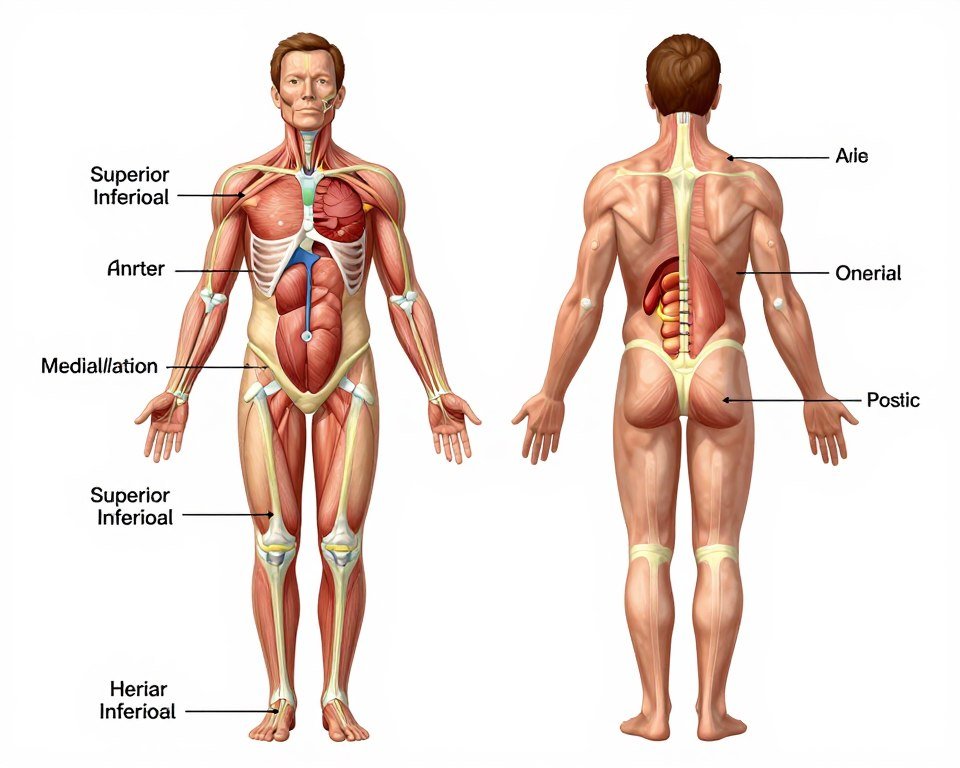
Healthcare providers use directional terms to describe relationships between structures. Superior means toward the head, while inferior indicates toward the feet. Anterior refers to the front of the body, and posterior indicates the back. Practitioners should familiarize themselves with these terms for professional documentation.
Parts of the Body Systems
The digestive system represents just one of many interconnected parts body systems. Other systems include the cardiovascular network delivering blood to digestive organs, the nervous system controlling digestive function, and the immune system protecting against infections.
Understanding how parts body systems interact helps practitioners explain systemic health benefits of colon therapy. Improved digestive function may enhance nutrient absorption, potentially affecting energy levels, immune function, and mental clarity. These connections make colon health relevant to overall wellness.
The enteric nervous system, sometimes called the “second brain,” operates independently within intestinal walls. This network contains more neurons than the spinal cord and regulates digestive processes without conscious control. Stress reduction techniques may improve digestive function by calming this nervous system component.
Medical Terminology Patterns
Many medical terms follow predictable patterns that simplify learning. The suffix “-itis” indicates inflammation, as seen in colitis (colon inflammation) or gastritis (stomach inflammation). The suffix “-ectomy” means surgical removal, like in colectomy (colon removal) or appendectomy (appendix removal).
The prefix “gastro-” relates to the stomach, while “entero-” refers to intestines. Combined terms like “gastroenterology” indicate the study of stomach and intestinal disorders. Understanding these building blocks helps practitioners decode unfamiliar medical terminology independently.
Terms ending in “-oscopy” describe visual examination procedures using scopes. Colonoscopy examines the colon, while gastroscopy visualizes the stomach. The suffix “-graphy” indicates imaging studies, such as in radiography (X-ray imaging) or tomography (CT scanning).
Procurement Guidance for Colon Health Equipment Buyers
Selecting appropriate colon hydrotherapy equipment requires understanding both medical terminology and business considerations. This colon health glossary for procurement teams bridges technical specifications and purchasing decisions. My experience helping clinics across the US informs practical guidance for equipment investment.
Evaluating Equipment Specifications
Professional-grade systems differ significantly from consumer devices in safety features and regulatory compliance. Look for equipment with CE, ISO, and relevant medical device certifications. These credentials indicate manufacturers meet international safety and quality standards.
Temperature control precision represents a critical specification. Systems should maintain water temperature within ±0.5°C of the set point. This consistency prevents thermal injury while maximizing client comfort. I’ve observed that precise temperature regulation reduces client anxiety and improves treatment outcomes.
Water filtration capabilities deserve careful evaluation. Multi-stage systems removing particulates, chlorine, bacteria, and other contaminants provide superior safety. Some advanced models include UV sterilization stages that eliminate microorganisms without chemical additives.
Buyer Insight: Request detailed specification sheets comparing filtration stages, pump types, and safety shut-off mechanisms. Don’t rely solely on marketing materials. Ask for third-party testing documentation verifying performance claims.
Understanding Total Cost of Ownership
Initial purchase price represents only one component of equipment investment. Factor in shipping costs, installation fees, staff training expenses, and ongoing maintenance requirements. These variables significantly impact total cost of ownership over the equipment’s lifespan.
Warranty coverage varies considerably between manufacturers. MAIKONG provides industry-leading 3-year comprehensive warranties covering parts and labor. This extended coverage reduces unexpected repair costs and demonstrates manufacturer confidence in product durability.
Consumable supplies create ongoing operational expenses. Calculate costs for disposable tubing, sterilization materials, and water treatment supplies. These recurring expenses affect practice profitability and should inform equipment selection decisions.
| Cost Category | Initial Investment | Annual Recurring | Considerations |
| Equipment Purchase | $8,000 – $15,000 | $0 | Varies by model and features |
| Shipping & Installation | $500 – $2,000 | $0 | Depends on location and setup complexity |
| Training | $500 – $1,500 | $200 – $500 | Initial certification plus refresher courses |
| Disposable Supplies | $200 – $500 | $2,400 – $6,000 | Based on client volume |
| Maintenance & Repairs | $0 | $300 – $800 | Preventive maintenance and unexpected repairs |
| Certification Renewal | $0 | $100 – $300 | Professional organization dues and CEUs |
Supplier Evaluation Criteria
Manufacturer reputation and support infrastructure matter as much as equipment specifications. Research how long the company has operated in the medical device industry. Established manufacturers typically provide better long-term parts availability and technical support.
After-sales service quality separates excellent suppliers from mediocre ones. MAIKONG offers online technical support, telephone consultation, and video troubleshooting assistance. This comprehensive support reduces downtime when technical questions arise.
Lead times affect practice planning timelines. MAIKONG maintains inventory for rapid fulfillment, typically shipping within 5-7 days of order confirmation. Some competitors require 4-6 weeks for custom manufacturing, delaying revenue generation from new equipment investments.
Case Study: Successful Colon Health Glossary Implementation in Practice
Real-world applications demonstrate how understanding medical terminology improves practice outcomes. This colon health glossary case study examines how a wellness center in California enhanced client education and equipment utilization after implementing comprehensive staff training.
Background and Challenges
The wellness center operated three locations offering various holistic services including massage, acupuncture, and colon hydrotherapy. Staff members expressed discomfort discussing colon health due to limited medical terminology knowledge. This communication gap reduced client confidence and decreased service uptake.
Management recognized that front desk personnel and therapists needed better vocabulary to explain procedures professionally. Clients asked questions about digestive anatomy that staff couldn’t answer confidently. This knowledge deficiency created missed sales opportunities and prevented effective pre-treatment education.
The center contacted me about upgrading from older equipment to MAIKONG MK-880 systems. During consultation, we identified staff education as equally important as equipment quality. I developed a customized training program combining medical terminology instruction with equipment operation protocols.
Implementation Strategy
We created a simplified colon health glossary covering 50 essential terms staff encountered regularly. The glossary included pronunciation guides, simple definitions, and example sentences demonstrating proper usage. Staff members received laminated reference cards for quick consultation during client interactions.
Monthly training sessions reinforced terminology knowledge while introducing new terms relevant to seasonal client concerns. Role-playing exercises helped staff practice explaining complex concepts in accessible language. This ongoing education built confidence that translated into more effective client consultations.
The center integrated glossary terms into client intake forms and educational handouts. This consistency reinforced professional image while familiarizing clients with proper terminology. Pre-treatment videos used identical vocabulary, creating seamless educational experiences across all client touchpoints.
Measured Outcomes
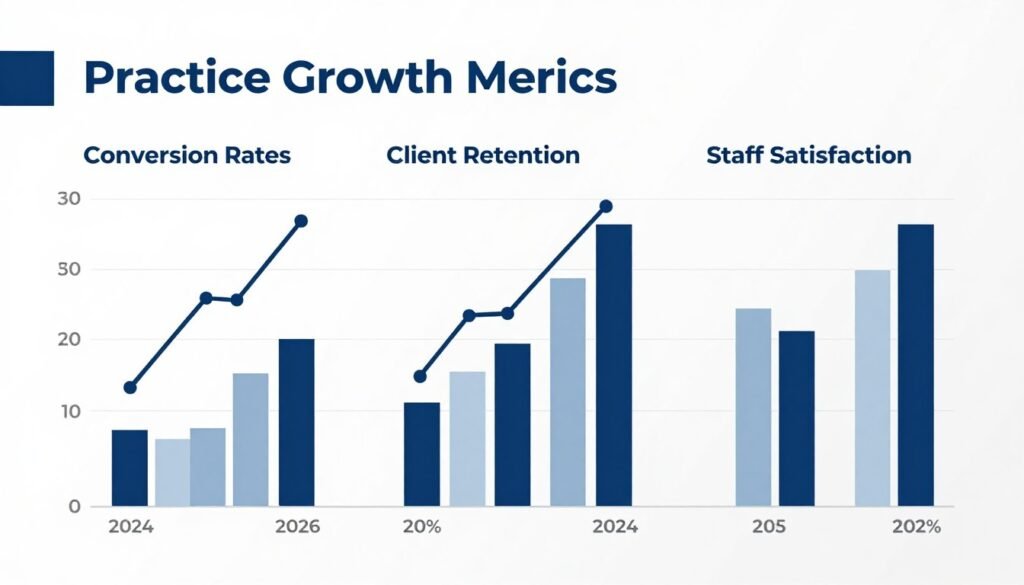
Within six months of implementing the terminology program, the center documented several positive changes. Initial consultation conversion rates increased by 34% as staff confidently answered client questions. Client retention improved by 28%, with more clients scheduling follow-up treatments after understanding health benefits clearly.
Staff satisfaction surveys showed marked improvement in job confidence. Therapists reported feeling more professional and knowledgeable when discussing treatments. This pride translated into higher quality client interactions and reduced staff turnover.
The center’s online reviews reflected improved client experiences. Multiple reviews specifically mentioned knowledgeable staff who explained procedures thoroughly. This enhanced reputation attracted new clients seeking professional colon therapy services.
Transform Your Practice with Professional Equipment and Training
MAIKONG provides comprehensive staff training programs alongside premium equipment delivery. Our team helps you implement terminology standards that build client confidence and increase service uptake. Learn how our distributor partners achieve measurable practice growth through combined equipment quality and education excellence.
Specialized Medical Terminology for Advanced Practitioners
Advanced practitioners benefit from understanding specialized terms encountered in medical literature and client records. This colon health glossary semantic variation section covers terminology requiring deeper anatomical and physiological knowledge.
Nutritional Support Terminology
Parenteral nutrition refers to intravenous feeding that bypasses the gastrointestinal tract entirely. This medical intervention provides nutrients directly into the bloodstream when oral or enteral feeding proves impossible or inadequate. Conditions requiring parenteral nutrition include severe inflammatory bowel disease, intestinal obstruction, or extensive surgical resection.
Understanding parenteral nutrition helps practitioners recognize clients with serious digestive impairments. These individuals require physician oversight and may not represent appropriate candidates for standard colon therapy protocols. Always verify current nutritional support methods during client screening.
Enteral nutrition delivers nutrients through feeding tubes directly into the stomach or small intestine. This approach maintains digestive tract function while ensuring adequate caloric intake. Some clients transition from parenteral to enteral nutrition as digestive function improves.
Fluid and Electrolyte Balance
The term fluids body encompasses all water-based solutions within tissues, blood vessels, and cellular compartments. The human body contains approximately 60% water by weight, distributed between intracellular and extracellular spaces. Maintaining proper fluid balance proves essential for all physiological processes.
The colon plays critical roles in fluids body regulation by absorbing water from digestive waste. This reclamation process concentrates stool while preventing dehydration. Excessive diarrhea or certain colon diseases compromise this function, potentially causing dangerous fluid losses.
Electrolytes dissolved in body fluids include sodium, potassium, chloride, and bicarbonate. The colon actively exchanges these minerals, absorbing sodium while secreting potassium. Understanding electrolyte balance helps practitioners recognize when colon therapy might affect mineral status in vulnerable clients.
Blood Flow and Vascular Terminology
Blood flow to digestive organs increases significantly after meals, supporting active digestion and absorption processes. The superior and inferior mesenteric arteries supply oxygen-rich blood to the small intestine and colon. These vessels branch extensively, creating dense vascular networks throughout intestinal walls.
Compromised blood flow causes ischemic conditions that damage intestinal tissue. Mesenteric ischemia represents a serious medical emergency requiring immediate intervention. Practitioners should recognize symptoms including severe abdominal pain disproportionate to physical examination findings.
The portal vein collects blood from digestive organs and delivers it to the liver. This unique circulatory pathway allows the liver to process absorbed nutrients before they enter general circulation. Portal hypertension, a complication of liver disease, affects this blood flow pattern and may contraindicate certain colon therapy approaches.
Tissue Layer Terminology
The inner lining of the gastrointestinal tract, called the mucosa, directly contacts digestive contents. This layer contains epithelial cells specialized for secretion and absorption. The mucosal surface renews completely every 3-5 days, making it one of the body’s most rapidly regenerating tissues.
Beneath the mucosa lies the submucosa, containing blood vessels, lymphatics, and nerve plexuses. This layer provides structural support and connects the mucosa to underlying muscle layers. Understanding these tissue layers helps practitioners appreciate how deep inflammation extends in various digestive diseases.
The muscularis propria consists of inner circular and outer longitudinal smooth muscle layers. These muscles generate peristaltic contractions that propel intestinal contents. The myenteric nerve plexus between muscle layers coordinates these movements without conscious control.
Clinical Correlation: Inflammatory bowel diseases differ in how deeply they affect intestinal wall layers. Ulcerative colitis damages only the innermost mucosal layer, while Crohn disease may extend through all layers, sometimes causing fistulas that penetrate to adjacent organs or body surfaces.
Body Location and Position Reference Terms
Precise location descriptions enable accurate documentation and professional communication. Understanding how medical professionals describe positions helps practitioners document observations and communicate with healthcare providers effectively.
External Body Reference Points
The term outside body refers to external surfaces and structures visible without invasive procedures. Skin represents the primary outside body surface, serving as a protective barrier against environmental threats. Understanding external anatomy helps practitioners position clients correctly for procedures.
Anatomical position represents the standard reference for directional terms. The person stands upright, facing forward, with arms at sides and palms facing forward. All directional descriptions assume this starting position, ensuring consistent communication between healthcare providers.
Surface landmarks guide internal structure location. The umbilicus (navel) marks the approximate level of the fourth lumbar vertebra. The xiphoid process at the sternum’s base indicates the upper abdomen. Practitioners use these landmarks to describe symptom locations and document findings.
Internal Organ Positioning
Healthcare providers describe organ locations relative to abdominal quadrants. The right upper quadrant contains the liver, gallbladder, and portions of the colon and small intestine. The left upper quadrant houses the stomach, spleen, and additional intestinal segments.
The lower quadrants contain the remaining small intestine, most of the colon, and reproductive organs. Understanding these relationships helps practitioners correlate symptom locations with potential underlying structures. Pain location provides valuable diagnostic clues.
The peritoneum, a thin membrane lining the abdominal cavity, also covers most digestive organs. This structure creates potential spaces where fluid may accumulate during disease processes. Understanding peritoneal anatomy helps practitioners recognize when symptoms suggest serious complications requiring immediate medical referral.
Directional and Relational Terms
Medical professionals use specific terms to describe one structure’s position relative to another. Proximal means closer to the point of attachment or origin, while distal indicates farther away. The proximal small intestine attaches to the stomach, while the distal portion connects to the colon.
Medial describes positions toward the body’s midline, and lateral indicates positions away from center. The ascending colon lies lateral to the small intestine coils. These directional terms enable precise documentation without ambiguity.
Superior and inferior reference vertical relationships. The transverse colon runs superior to the small intestine loops. The rectum occupies an inferior position relative to the sigmoid colon. Practitioners should incorporate these terms into professional documentation for clarity and precision.
Clinical Applications and Treatment Protocol Connections
Understanding medical terminology directly impacts treatment planning and client education. This section connects glossary knowledge to practical clinical applications, demonstrating how precise language improves therapeutic outcomes.
Pre-Treatment Assessment Applications
Thorough client screening requires understanding medical terminology in health history documents. When clients report previous diagnoses, practitioners must comprehend implications for treatment safety. This knowledge prevents contraindication errors that could harm vulnerable individuals.
Practitioners should ask about symptoms may include recent changes during intake consultations. Sudden symptom onset, progressive worsening, or associated warning signs require medical evaluation before colon therapy. This screening protects both client safety and professional liability.
Understanding diagnostic test results helps practitioners contextualize client health status. When clients mention recent colonoscopy findings or laboratory results, terminology knowledge enables meaningful discussion. This comprehension builds client confidence in practitioner expertise.
Treatment Protocol Customization
Client conditions influence appropriate treatment protocols. Individuals with mild constipation tolerate different approaches than those recovering from inflammatory conditions. Terminology knowledge helps practitioners match techniques to clinical presentations appropriately.
Water temperature adjustments may benefit clients with specific conditions. Those experiencing intestinal spasms often respond better to slightly warmer temperatures that relax smooth muscle. Practitioners must understand underlying physiology to make informed customization decisions.
Session duration and frequency recommendations depend on client goals and tolerance. Understanding digestive physiology helps practitioners explain why gradual approaches often produce better outcomes than aggressive initial treatments. This education sets realistic expectations and improves compliance.
Post-Treatment Education and Follow-Up
Effective post-treatment guidance requires explaining physiological responses in understandable terms. Clients need to know which sensations represent normal adjustments versus concerning symptoms requiring medical attention. Proper terminology enables clear, professional communication.
Dietary recommendations following colon therapy should consider digestive anatomy and function. Explaining how different foods affect the small intestine versus the colon helps clients understand recommendation rationales. This education improves compliance with post-treatment protocols.
Follow-up scheduling decisions benefit from understanding healing timelines. The inner lining regeneration rate influences how quickly repeat treatments should occur. Practitioners who understand tissue biology can optimize treatment schedules for maximum benefit.
Assessment Applications
- Interpreting medical history terminology
- Understanding diagnostic test implications
- Recognizing contraindication indicators
- Identifying appropriate candidates
- Documenting findings professionally
Treatment Customization
- Adjusting protocols for individual conditions
- Selecting appropriate water temperatures
- Determining session duration and frequency
- Modifying techniques for client comfort
- Integrating complementary approaches
Colon Health Glossary Local Market Applications
Understanding regional terminology variations and market preferences helps practitioners communicate effectively with diverse client populations. This colon health glossary local market perspective addresses how cultural contexts influence professional language choices.
Regional Terminology Preferences
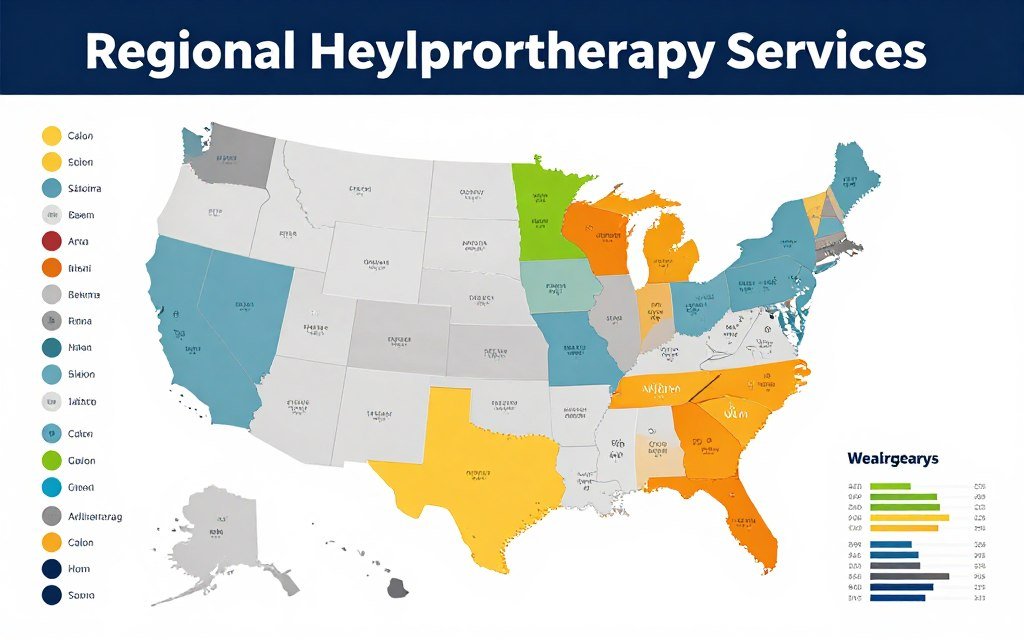
Different geographic areas sometimes favor specific terms over others. Some regions prefer “colon hydrotherapy” while others use “colonic irrigation” or “colon cleansing” more commonly. Understanding local preferences helps practitioners optimize marketing messages and client communications.
Cultural backgrounds influence comfort levels with direct anatomical language. Some client populations prefer indirect terminology, while others appreciate straightforward medical terms. Successful practitioners adapt communication styles to match client comfort zones without sacrificing accuracy.
The colon health glossary local distributor network benefits from understanding regional market characteristics. Urban markets often show higher familiarity with alternative health approaches compared to rural areas. This knowledge helps distributors target appropriate client demographics effectively.
Market Education Strategies
Educating local markets requires balancing medical terminology with accessible language. Community workshops using glossary terms alongside plain-language explanations build public understanding. This educational approach positions practitioners as authoritative resources while remaining approachable.
Social media content incorporating glossary terms improves search engine visibility while educating potential clients. Short posts explaining single terms attract engagement and establish expertise. This content marketing approach builds awareness gradually without overwhelming audiences.
Professional networking with local healthcare providers requires command of precise medical terminology. Physicians and nurses expect colleagues to communicate using standard anatomical language. This professional competence facilitates referral relationships that benefit practice growth.
Distributor Market Development
MAIKONG colon health glossary local distributor partners receive comprehensive market education materials. These resources help distributors explain equipment capabilities to diverse buyer types including medical clinics, wellness centers, and spa facilities. Understanding buyer-specific terminology needs improves sales effectiveness.
Different buyer categories prioritize distinct terminology aspects. Medical clinic buyers focus on safety certifications and regulatory compliance terms. Spa owners emphasize client comfort and experience terminology. Distributors who understand these priorities communicate more persuasively.
Regional certification requirements vary across states and municipalities. Distributors must understand local regulatory language to guide buyers through compliance processes. This knowledge adds value beyond simple equipment sales, building long-term client relationships.
Understanding Colon Health Glossary Buyer Intent and Comparison Frameworks
Recognizing buyer intent signals helps equipment distributors and practitioners address specific needs effectively. This colon health glossary buyer intent analysis examines how different search behaviors reveal distinct purchasing stages and information requirements.
Intent Signal Recognition
Buyers researching basic colon health terminology typically occupy early awareness stages. These individuals gather foundational knowledge before considering specific services or equipment. Educational content addressing these needs builds trust and positions providers as helpful resources.
Buyers comparing equipment specifications demonstrate stronger commercial intent. These researchers evaluate features, pricing, and supplier reputation actively. The colon health glossary comparison angle approach helps these buyers understand how terminology relates to equipment capabilities.
Buyers requesting quotes, samples, or distributor information show immediate purchasing intent. These hot prospects need specific business information including pricing, delivery timelines, warranty terms, and support services. Quick, comprehensive responses convert these high-intent inquiries efficiently.
Comparison Framework Development
Effective comparison frameworks connect medical terminology to equipment specifications. For example, explaining how “peristaltic pump” technology relates to “intestinal motility” helps buyers understand feature relevance. This educational approach clarifies value propositions.
Safety terminology deserves particular emphasis in comparisons. Terms like “temperature regulation,” “pressure monitoring,” and “anti-backflow design” directly address buyer safety concerns. Highlighting these features using proper terminology builds confidence in equipment quality.
Certification terminology requires clear explanation. Buyers need to understand what CE, ISO, and medical device certifications actually verify. Breaking down these acronyms and explaining testing requirements demonstrates transparency and builds trust.
Early-Stage Buyer Needs
Educational content addressing:
- Basic colon health terminology definitions
- Treatment mechanism explanations
- Safety and benefit overviews
- Professional qualification requirements
- General industry knowledge
Mid-Stage Buyer Needs
Comparison content addressing:
- Equipment specification differences
- Feature-to-benefit translations
- Quality indicator explanations
- Certification meaning clarifications
- Supplier reputation assessment
Late-Stage Buyer Needs
Transaction content addressing:
- Specific pricing information
- Delivery timeline commitments
- Warranty coverage details
- Training program availability
- Support service descriptions
Addressing Procurement Team Requirements
This colon health glossary for procurement teams section addresses specific needs of organizational buyers. Procurement professionals require different information emphases than individual practitioners or clinic owners.
Procurement teams prioritize total cost of ownership calculations. They need terminology explaining ongoing operational costs including consumables, maintenance, and training expenses. Providing comprehensive cost breakdowns using standardized business terminology facilitates internal approval processes.
Compliance terminology matters significantly to procurement departments. Understanding regulatory requirements, certification statuses, and liability considerations helps these buyers justify purchases to management. Clear documentation using proper regulatory language accelerates approval timelines.
Procurement teams often compare multiple suppliers simultaneously. Providing standardized specification sheets using industry-standard terminology simplifies these comparisons. MAIKONG supplies detailed technical documentation that procurement professionals appreciate and require.
Frequently Asked Questions About Colon Health Terminology and Equipment
What qualifications do I need to operate colon hydrotherapy equipment professionally?
Professional requirements vary by state and country. Most jurisdictions require certification from recognized organizations like the International Association for Colon Hydrotherapy (I-ACT) or similar bodies. Training programs typically cover anatomy, physiology, safety protocols, and hands-on equipment operation.
I recommend completing accredited certification courses before purchasing equipment. These programs teach essential medical terminology, client screening procedures, and contraindication recognition. MAIKONG provides supplemental technical training on equipment operation as part of our distributor support program.
Some states require practitioners to work under physician supervision or hold specific healthcare licenses. Research your local regulations thoroughly before investing in equipment or launching services.
How does understanding medical terminology improve equipment purchasing decisions?
Medical terminology knowledge helps buyers evaluate equipment specifications critically. When you understand terms like “peristaltic pump,” “closed system,” and “pressure regulation,” you can assess whether equipment meets professional standards rather than relying solely on marketing claims.
This knowledge also enables meaningful supplier comparisons. You can ask specific technical questions about safety features, sanitation protocols, and regulatory compliance. Suppliers who provide detailed answers using proper terminology typically offer higher-quality products.
Additionally, terminology competence helps you explain equipment capabilities to insurance companies, regulatory agencies, and professional organizations. This documentation often proves necessary for licensure, accreditation, or reimbursement purposes.
What does MAIKONG’s 3-year warranty cover, and why does it matter?
Our comprehensive warranty covers all mechanical components, electrical systems, and software for three years from delivery date. This includes pumps, heating elements, control panels, sensors, and tubing connectors. We replace or repair defective parts at no charge during the warranty period.
Extended warranty coverage matters because colon hydrotherapy equipment represents a significant investment. Repair costs for temperature control systems or pump replacements can exceed $1,000 without warranty protection. Our 3-year coverage exceeds industry standards, demonstrating confidence in manufacturing quality.
The warranty also includes remote technical support and troubleshooting assistance. Our team helps diagnose issues via video consultation, often resolving problems without requiring parts shipment or technician visits.
Can you explain the difference between open and closed colon hydrotherapy systems?
Closed systems use small-diameter rectal tubes that allow simultaneous water inflow and waste outflow through the same insertion device. The client remains draped throughout the procedure, and waste passes directly into sealed disposal systems without odor or visibility.
Open systems, sometimes called “gravity systems,” use larger rectal tubes and allow waste to discharge into toilet basins beneath the client. These systems rely on gravity rather than mechanical pumps for waste evacuation. Clients typically manage their own insertion and removal.
MAIKONG manufactures closed-system equipment, which most practitioners prefer for professional clinical settings. Closed systems offer better hygiene control, more precise water pressure regulation, and improved client dignity during treatments.
What ongoing costs should I budget for after purchasing equipment?
Disposable supplies represent your primary recurring expense. Each client session requires a new rectal tube, typically costing $3-8 depending on quality and supplier. You’ll also need cleaning solutions, lubricants, and sanitizing materials.
Water filtration system maintenance includes periodic filter replacement, usually every 6-12 months. Filter costs range from $50-150 depending on your system’s filtration stages. Some models use UV sterilization bulbs requiring annual replacement.
Budget for preventive maintenance inspections annually. While our equipment proves reliable, professional inspections verify safety system function and identify potential issues before they cause breakdowns. These inspections typically cost $200-400 depending on your location and service provider.
How do I explain colon hydrotherapy benefits to clients using proper medical terminology?
Use terminology that balances professionalism with accessibility. Explain that colon hydrotherapy promotes “waste elimination” and “digestive system cleansing” rather than using vague “detoxification” language that lacks scientific precision.
Describe the process mechanically: “We introduce temperature-controlled, filtered water into the large intestine, which helps soften and eliminate accumulated waste material. This process may improve bowel regularity and reduce bloating sensations.”
Avoid making medical claims that require physician credentials. Focus on comfort improvements, regularity enhancement, and general wellness support. When clients ask about specific medical conditions, refer them to their physicians while positioning colon therapy as a complementary wellness approach.
What certifications should I verify when evaluating equipment suppliers?
CE marking indicates the product meets European Union safety and health requirements. While not a US certification, CE demonstrates compliance with rigorous international standards for medical devices. MAIKONG equipment carries CE certification, verifying safety system adequacy.
ISO certifications verify manufacturing quality management systems. ISO 13485 specifically addresses medical device manufacturing, ensuring consistent production standards and quality control processes. These certifications indicate the manufacturer maintains professional operations.
Some countries require specific medical device registrations. In the US, the FDA classifies colon hydrotherapy equipment as Class II medical devices. Verify that your supplier provides appropriate registration documentation for your jurisdiction.
How long does shipping typically take, and what are the logistics?
MAIKONG maintains inventory for rapid fulfillment. Standard shipping from our GD facility to US destinations takes 5-7 days via air freight. We handle all export documentation, customs clearance, and delivery coordination.
Equipment ships in custom wooden crates designed to prevent damage during international transport. The packaging protects sensitive electronic components and maintains proper weight distribution for safe handling.
Upon arrival, you’ll need to arrange final delivery to your location. Equipment weighs approximately 160kg (352 pounds), requiring appropriate moving equipment or professional movers. We provide detailed unpacking and setup instructions with every shipment.
Do you offer training for new equipment owners?
Yes, MAIKONG provides comprehensive technical training for all equipment purchasers. Our standard training includes video instruction covering setup, operation, maintenance, and troubleshooting procedures. These materials explain all control panel functions and safety features.
We also offer live remote training sessions via video conference. Our technical team walks you through complete operation cycles, answers questions, and provides hands-on guidance for specific features like the external medicine cup or adjustable flow rates.
For distributor partners, we provide more extensive training including client education materials, marketing support, and ongoing technical consultation. This comprehensive support helps distributors serve their customers effectively throughout the equipment lifecycle.
Can I customize equipment with my practice branding or specific features?
MAIKONG offers customization options for qualifying orders. Logo customization becomes available at 20-piece minimum orders, allowing distributors to brand equipment for their market. We can incorporate practice logos on control panels or equipment housing.
Packaging customization is available at the same 20-piece threshold. Custom packaging helps distributors create distinctive market presence and reinforces professional branding. We work with your design team to implement brand-consistent packaging.
Graphic customization for control panel interfaces requires 30-piece minimum orders. This option allows significant interface personalization including language changes, menu structures, and visual design elements. Contact our team to discuss specific customization requirements and implementation timelines.
Building Successful Distributor Partnerships in the US Market
MAIKONG actively seeks qualified distributors to expand our presence across the United States. Our distributor network benefits from comprehensive support systems designed to facilitate business growth and client satisfaction.
Distributor Benefits and Support
MAIKONG distributors receive territorial protection in their designated markets. This exclusivity prevents internal competition and allows focused market development. We believe successful partnerships require commitment from both parties, and territorial protection demonstrates our investment in your success.
We provide complete marketing support including product photography, technical specification sheets, and client education materials. These professional resources help distributors present MAIKONG equipment effectively to diverse buyer types from medical clinics to spa facilities.
Technical training extends beyond basic equipment operation. Distributors learn to diagnose treat common technical issues remotely, reducing client downtime and strengthening customer relationships. This capability differentiates professional distributors from simple resellers.
Ideal Distributor Qualifications
Successful distributors typically possess existing relationships within wellness, medical, or spa industries. These established networks accelerate market penetration and reduce customer acquisition costs. Experience selling medical devices or professional equipment provides valuable baseline knowledge.
Strong communication skills prove essential for explaining technical specifications and addressing buyer concerns. Distributors must translate engineering terminology into business benefits that resonate with different buyer types. This requires understanding both medical terminology and business decision-making processes.
Distributors should maintain adequate capital for inventory investment and market development activities. While MAIKONG offers competitive pricing and flexible minimum order quantities, successful distribution requires financial stability to support growth initiatives.
Market Development Strategies
Professional trade shows provide excellent opportunities for equipment demonstration and relationship building. We support distributor participation through shared booth costs, demonstration equipment provision, and promotional material supply. These events generate high-quality leads from serious buyers.
Digital marketing strategies increasingly drive equipment sales. Distributors who invest in search engine optimization, educational content creation, and social media engagement typically outperform competitors relying solely on traditional methods. We provide content templates and marketing guidance to support these efforts.
Building referral networks with complementary service providers creates sustainable lead generation. Nutritionists, chiropractors, naturopathic physicians, and functional medicine practitioners often recommend colon therapy to appropriate clients. These professional relationships benefit all parties through reciprocal referrals.
Distributor Partnership Advantages
- Territorial exclusivity protection
- Industry-leading 3-year warranty coverage
- Comprehensive technical training and support
- Marketing materials and content resources
- Competitive pricing with volume discounts
- Rapid fulfillment and logistics support
- Customization options for branding
- Established manufacturer reputation
Distributor Responsibilities
- Minimum annual volume commitments
- Inventory investment requirements
- Local market development efforts
- Customer support and service coordination
- Compliance with local regulations
- Professional representation of brand
- Regular communication and reporting
- Ongoing education about product updates

Regulatory and Compliance Considerations for Colon Health Equipment
Understanding regulatory requirements protects practitioners and equipment buyers from legal complications. The colon hydrotherapy industry operates under various federal, state, and local regulations that affect equipment specifications, operator qualifications, and business practices.
Federal Medical Device Regulations
The FDA classifies colon hydrotherapy equipment as Class II medical devices under 21 CFR Part 876.5220. This classification requires manufacturers to demonstrate that devices meet safety and effectiveness standards. MAIKONG equipment complies with applicable FDA requirements for international medical device sales.
Class II devices must adhere to Good Manufacturing Practices (GMP) and quality system regulations. These requirements ensure consistent production standards and appropriate quality control measures. Buyers should verify that suppliers maintain these manufacturing standards.
Medical device reporting obligations require manufacturers to report adverse events and equipment malfunctions. This regulatory oversight protects consumer safety while maintaining product quality standards. Established manufacturers like MAIKONG maintain comprehensive reporting and quality monitoring systems.
State Licensing Requirements
State regulations governing colon hydrotherapy practice vary significantly. Some states require practitioners to hold specific healthcare licenses like nursing or naturopathic medicine credentials. Others allow practice under colonic irrigation or colon hydrotherapy certifications.
Before purchasing equipment, research your state’s specific requirements. Some jurisdictions mandate physician supervision for colon therapy services. Others permit independent practice by certified colon hydrotherapists. Understanding these regulations prevents costly compliance errors.
Several states prohibit or heavily restrict colon hydrotherapy practice. These jurisdictions may classify the procedure as practicing medicine without a license unless performed by physicians. Verify practice legality in your jurisdiction before investing in equipment or facility development.
Facility and Sanitation Standards
Health departments enforce sanitation standards for facilities offering colon hydrotherapy. These regulations typically address sterilization procedures, disposable supply usage, waste disposal methods, and infection control protocols. Compliance protects both client safety and business licensure.
OSHA regulations govern workplace safety, including bloodborne pathogen exposure prevention. While colon hydrotherapy rarely involves blood contact, proper protocols protect staff from potential exposures. Training staff in universal precautions demonstrates commitment to safety standards.
Water quality regulations may affect equipment operation. Some jurisdictions require periodic water testing to verify bacterial counts remain within acceptable parameters. Equipment with robust filtration and sterilization systems simplify compliance with these requirements.
Compliance Recommendation: Consult with healthcare attorneys familiar with your state’s regulations before launching colon hydrotherapy services. These professionals help navigate complex regulatory landscapes and establish compliant business structures. This upfront investment prevents costly violations and business disruptions.
Equipment Maintenance Best Practices for Longevity
Proper maintenance extends equipment lifespan and prevents unexpected breakdowns. MAIKONG equipment includes features designed for easy maintenance, but operators must follow recommended procedures consistently.
Daily Maintenance Procedures
After each client session, run the automatic tube cleaning cycle. This function flushes water pathways with cleaning solution, removing residual waste and preventing biofilm accumulation. The automated process ensures thorough sanitation without requiring extensive manual cleaning.
Inspect disposable tubing connections for secure fitting before each use. Loose connections may cause leaks or pressure irregularities during treatment. This quick visual check prevents client discomfort and maintains treatment effectiveness.
Wipe down the control panel and equipment housing with appropriate disinfectants. Avoid harsh chemicals that might damage plastic components or electronic displays. Use hospital-grade disinfectants specifically approved for medical equipment surfaces.
Weekly Maintenance Tasks
Check water filter condition weekly in high-volume practices. Reduced flow rates or visible sediment accumulation indicate filter replacement needs. Maintaining clean filters ensures optimal water quality and protects internal components from contamination.
Verify temperature calibration accuracy using a separate thermometer. Water temperature should match control panel displays within 0.5°C. Significant discrepancies suggest sensor malfunction requiring professional service attention.
Inspect all visible tubing and connections for wear, cracks, or discoloration. Replace compromised components immediately to prevent leaks or contamination risks. Keeping spare parts inventory minimizes downtime when replacements become necessary.
Monthly and Annual Maintenance
Perform comprehensive system checks monthly, reviewing all safety features and operational parameters. Test emergency shut-off functions, pressure relief mechanisms, and alarm systems. Document these inspections to maintain service records and warranty compliance.
Schedule professional service inspections annually even if equipment operates normally. Technicians identify potential issues before they cause breakdowns, preventing expensive emergency repairs and client appointment cancellations. These preventive services prove more cost-effective than reactive repairs.
Update equipment software when manufacturers release improvements. MAIKONG provides software updates addressing bug fixes, feature enhancements, and performance optimizations. Keeping systems current ensures access to latest safety and functionality improvements.
| Maintenance Frequency | Tasks | Estimated Time | Required Materials |
| After Each Session | Automatic tube cleaning, connection inspection, surface disinfection | 10-15 minutes | Cleaning solution, disinfectant, microfiber cloths |
| Weekly | Filter inspection, temperature calibration check, tubing examination | 20-30 minutes | Spare filters, calibration thermometer, replacement tubing |
| Monthly | Comprehensive system check, safety feature testing, documentation | 45-60 minutes | Maintenance checklist, testing equipment, logbook |
| Annually | Professional inspection, calibration verification, software updates | 2-3 hours | Professional technician, calibration tools, updated software |
Return on Investment Analysis for Colon Hydrotherapy Equipment
Understanding financial performance helps justify equipment investments and plan business growth. This ROI analysis provides realistic projections based on typical practice scenarios and market conditions.
Revenue Generation Potential
Colon hydrotherapy sessions typically generate $75-150 revenue depending on market positioning, geographic location, and included services. Practices offering premium experiences with extended consultations and complementary treatments command higher prices. Budget-focused operations may price more competitively to maximize volume.
Treatment duration averages 45-60 minutes including client preparation and cleanup. This allows scheduling 6-8 sessions daily in dedicated treatment rooms. Multi-room facilities can multiply this capacity, though most practices begin with single-room operations.
Client retention rates significantly impact revenue sustainability. First-time clients rarely achieve desired outcomes in single sessions. Most practitioners recommend initial series of 3-6 treatments spaced over 2-3 weeks. Maintenance programs encourage quarterly or monthly visits for ongoing wellness support.
Operating Cost Considerations
Direct session costs include disposable supplies ($3-8 per client), utilities ($2-5 for water and electricity), and labor ($20-40 for therapist time). These variable costs typically total $25-55 per session, leaving substantial profit margins even at moderate pricing.
Fixed costs include facility rent, insurance, equipment financing or depreciation, and marketing expenses. These overhead costs vary dramatically by location and business model. Urban storefront operations face higher costs than home-based or mobile services.
Marketing investments generate new client acquisition. Digital marketing typically costs $50-200 per new client depending on market competition and campaign effectiveness. Referral programs and satisfied client word-of-mouth reduce acquisition costs significantly over time.
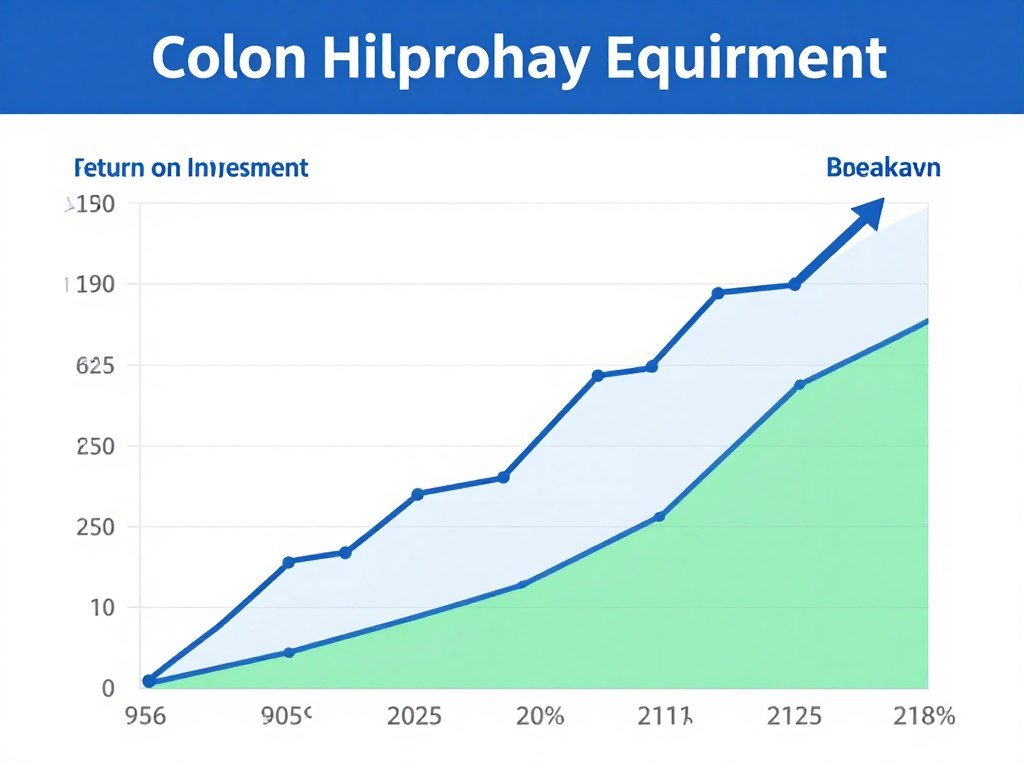
Break-Even Timeline Projections
Conservative scenarios assume 10-15 client sessions weekly at $100 average revenue. This generates $52,000-78,000 annual revenue. After deducting operating costs of approximately $30,000-45,000, practices achieve $22,000-33,000 annual profit before owner compensation.
Equipment costs of $10,000-15,000 plus facility setup expenses of $5,000-10,000 create total initial investment around $15,000-25,000. At conservative profit levels, break-even occurs within 12-18 months. More aggressive growth scenarios reduce this timeline to 6-12 months.
Mature practices averaging 25-30 sessions weekly at $125 pricing generate substantially higher returns. Annual revenue of $162,500-195,000 supports comfortable owner income while funding growth initiatives. These performance levels typically develop after 18-24 months of consistent marketing and client relationship building.
Partner with MAIKONG for Your Colon Health Equipment Needs
This comprehensive colon health glossary provides the foundation for informed equipment decisions and professional practice development. Understanding medical terminology empowers practitioners to communicate confidently with clients, collaborate effectively with healthcare providers, and select equipment that meets genuine clinical needs.
MAIKONG brings 15+ years of manufacturing expertise to the colon hydrotherapy equipment industry. Our commitment to quality engineering, comprehensive warranty coverage, and distributor support sets us apart from competitors focused solely on transaction completion. We invest in long-term partnerships that benefit both parties through sustained business growth.
Our equipment incorporates advanced safety features, precise temperature control, and robust filtration systems that professional practitioners demand. The MK-880 and MK-830 models reflect continuous improvement based on client feedback and evolving industry standards. We manufacture equipment we’re proud to stand behind with industry-leading 3-year warranties.
Why Choose MAIKONG as Your Equipment Partner
We understand that equipment represents just one component of practice success. Comprehensive support services including technical training, marketing materials, and ongoing consultation help our partners build thriving businesses. This holistic approach differentiates MAIKONG from suppliers who simply ship equipment and disappear.
Our colonicmachine.us website provides extensive resources for prospective buyers. Detailed specification sheets, comparison guides, and educational content help you make informed decisions. We believe educated buyers become satisfied long-term partners.
Customization capabilities allow distributors to build distinctive market presence. Logo incorporation, packaging personalization, and interface customization options support brand development while maintaining MAIKONG’s reputation for quality and reliability.
Take the Next Step Toward Partnership
Whether you’re an established clinic expanding services, an entrepreneur entering the wellness industry, or a distributor seeking premium equipment lines, MAIKONG offers solutions matching your specific needs. Our team welcomes the opportunity to discuss how our equipment and support services facilitate your success.
Contact us today to request detailed quotations, arrange equipment demonstrations, or explore distributor partnership opportunities. We respond promptly to all inquiries with comprehensive information addressing your specific questions and requirements.
The US market offers tremendous growth potential for colon hydrotherapy services. Rising consumer interest in digestive wellness, functional medicine approaches, and preventive health strategies creates favorable conditions for practice development. MAIKONG equipment positions you to capitalize on these market trends with confidence.
Ready to Start Your Partnership with MAIKONG?
Join our growing network of successful distributors and practitioners across the United States. We provide everything you need to build a thriving colon health equipment business: premium products, comprehensive training, marketing support, and ongoing technical assistance. Let’s discuss how MAIKONG can help you achieve your business goals.
Visit our main site: colonicmachine.us
Learn more about us: About MAIKONG