
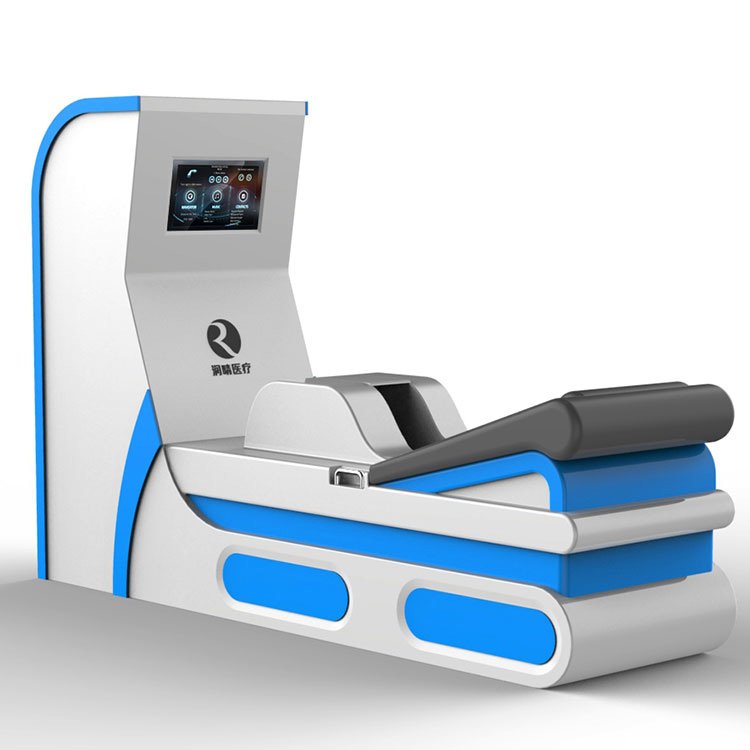
As a product manager at MAIKONG, a leading manufacturer based in Shenzhen, China, I’ve worked directly with over 200 health facilities. Each wanted the same thing: reliable equipment that delivers results while respecting client dignity.
This guide walks through real commercial applications, helping you evaluate whether the libbe open system matches your business model. We’ll cover operational workflows, buyer concerns, and specific scenarios where this technology creates measurable value.
Ready to Upgrade Your Facility?
Get factory-direct pricing on MAIKONG MK-880 libbe colonic machines. Our B2B specialists respond within 4 hours with detailed quotes tailored to your business needs.
Understanding the Libbe Open System: What Makes It Different
Traditional closed systems require constant therapist presence during sessions. A tube connects the client to the device, with waste flowing through visible tubing. Many people found this approach uncomfortable, even embarrassing.
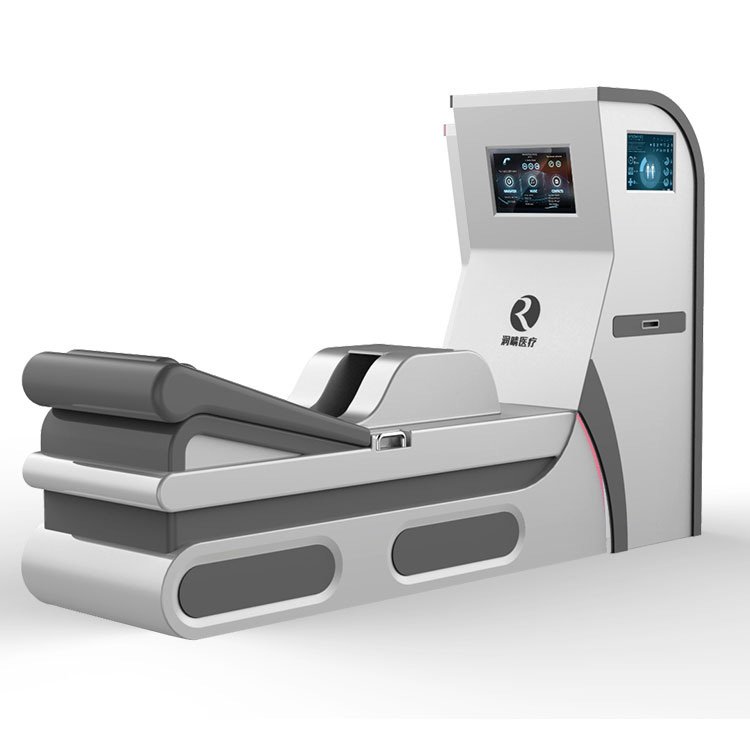
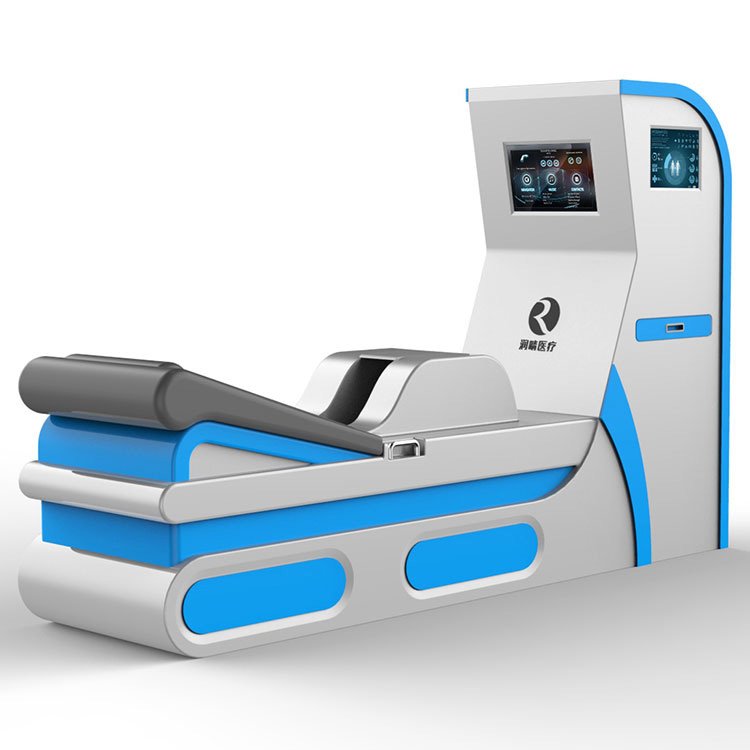
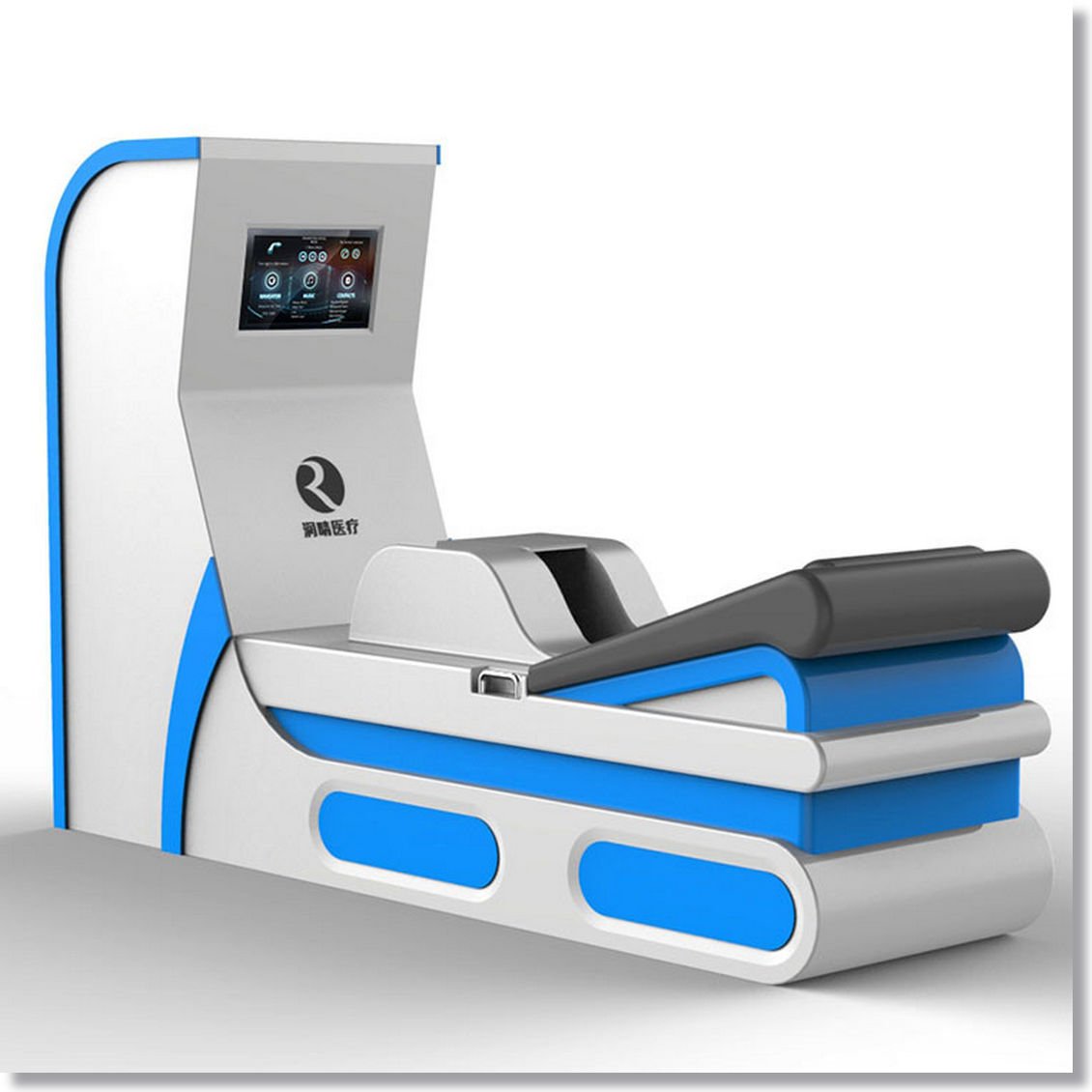
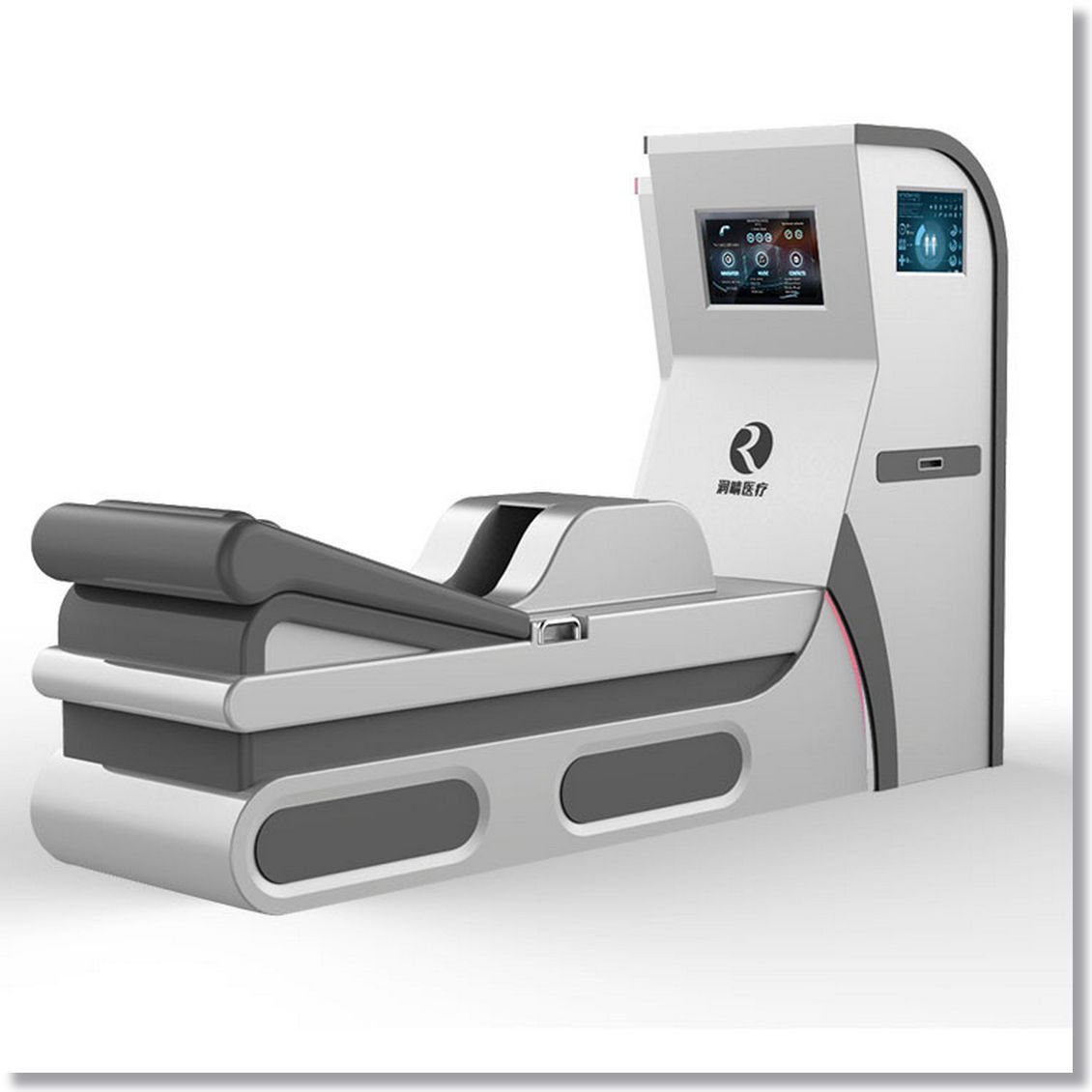
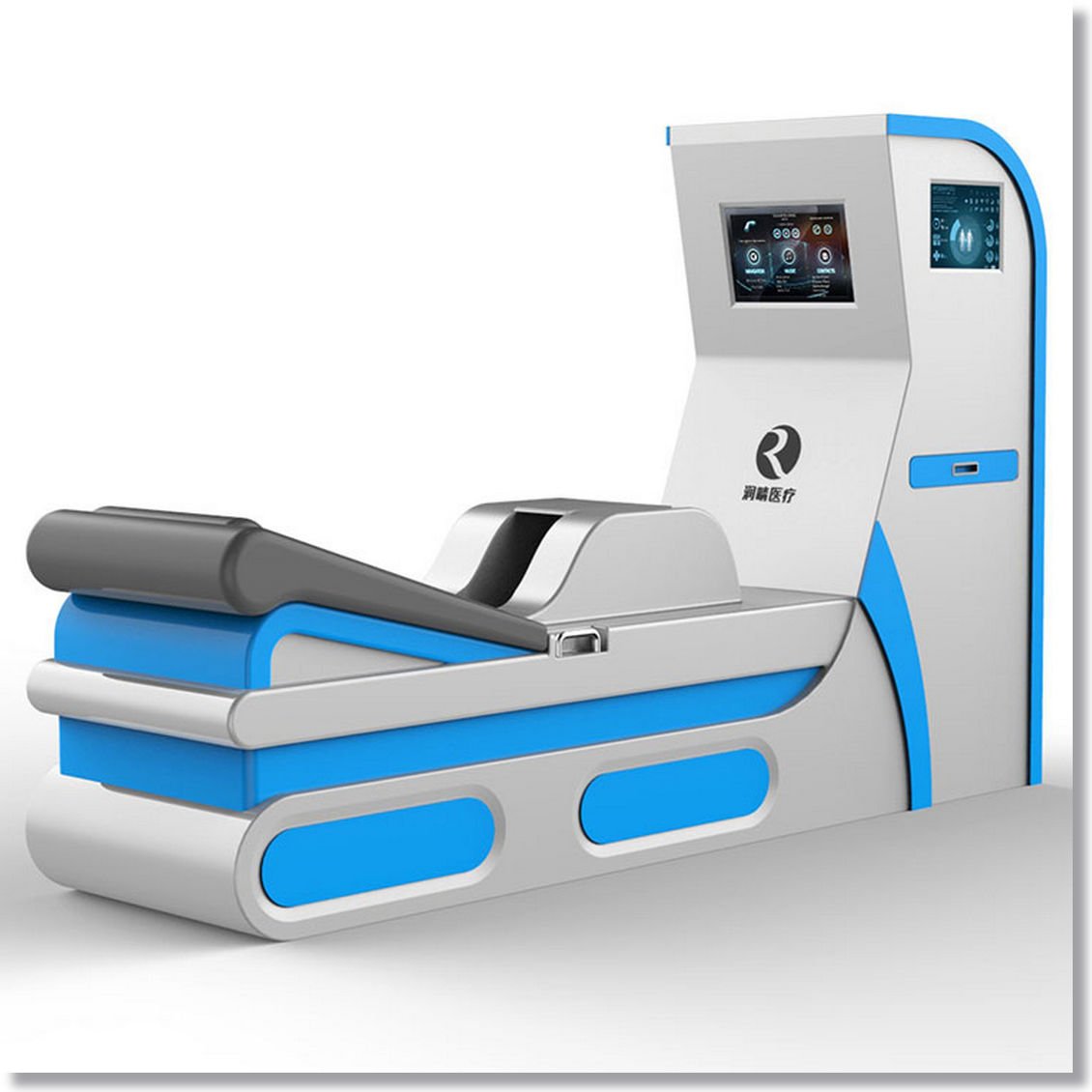
The libbe device revolutionized this experience. It uses a small, pencil-thin rectal nozzle that clients insert themselves in complete privacy. Water flows into the colon at body temperature while waste exits naturally through a separate tube built into the treatment table.
This open system approach changed everything for commercial operators. Therapists can step out of the room during the session, giving clients the privacy they desperately wanted. The room stays odor-free thanks to a built-in ventilation system that manages waste discreetly.
Core Components of Commercial Libbe Systems
Every libbe colonic machine has specific components that make the open system work safely. The temperature control system maintains water at exactly 37°C, matching body temperature to prevent cramping or discomfort.
A pressure regulation system ensures gentle water flow. Unlike older methods that used gravity bags or high-pressure systems, the libbe approach keeps pressure low and consistent. This reduces client anxiety about the session.
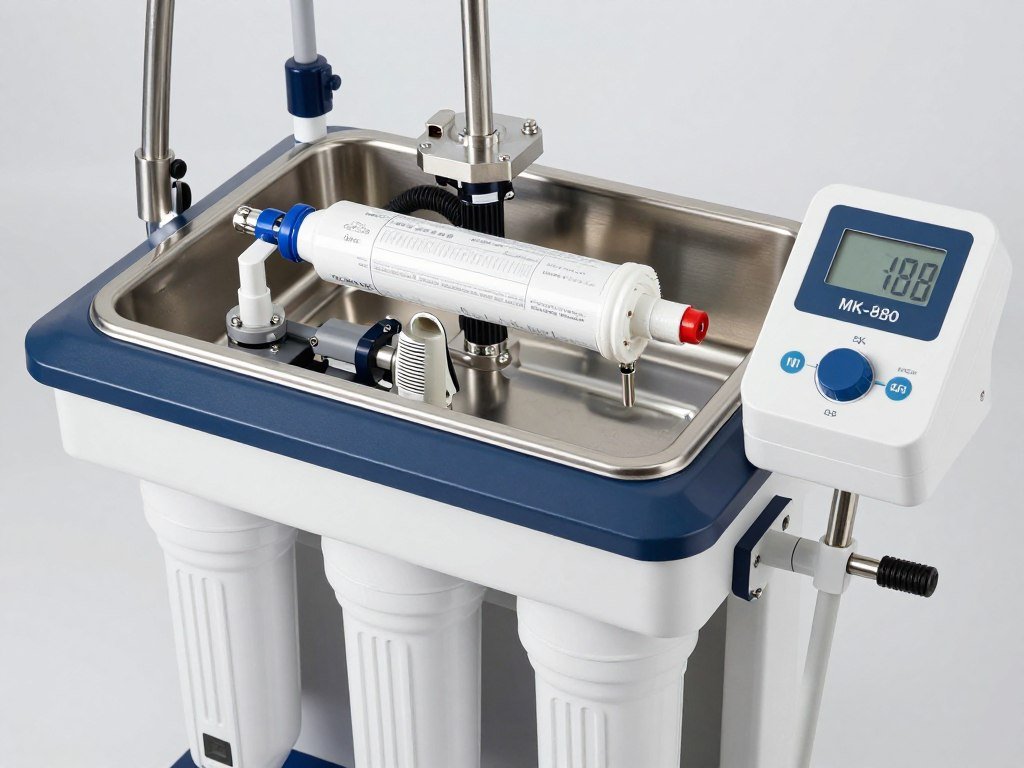
The filtration system is critical for commercial use. Our MK-880 model includes a multi-stage water purification system that removes contaminants before water enters the body. Clinics cannot compromise on water quality when serving multiple clients daily.
Libbe Open System Benefits
- Client controls water flow during session
- Complete privacy without therapist present
- Odor-free room environment
- Lower pressure reduces cramping
- Therapist can manage multiple rooms
- Easier client acceptance and retention
Traditional Closed System Limitations
- Therapist must stay in room entire session
- Clients report feeling exposed
- Visible waste creates discomfort
- Higher pressure causes more cramping
- One therapist per client limits throughput
- Higher client dropout rates
Commercial Applications: Real Business Scenarios
Different facilities use the libbe open system in ways that match their specific business models. Understanding these scenarios helps you evaluate fit for your operation.
Standalone Colon Hydrotherapy Clinics
Dedicated colon hydrotherapy centers were early adopters of libbe technology. These facilities typically run 6-8 sessions daily per treatment room. The open system allows one therapist to oversee two rooms simultaneously, doubling revenue potential without doubling labor costs.
A clinic in Austin, Texas reported that switching from closed to open systems increased their client retention by 40%. People who tried one session were more likely to book packages because the experience felt less invasive.
The workflow in these settings is straightforward. Clients arrive, receive brief instruction on nozzle insertion, then manage their own session in privacy. The therapist monitors from outside, available for questions but not required to be present. This operational workflow reduces therapist burnout while maintaining service quality.
Medical SPA Integration
Upscale spas add colon hydrotherapy as part of comprehensive detox programs. These facilities care deeply about aesthetics and client comfort. The libbe device fits seamlessly into spa environments because the equipment looks modern and feels less clinical than traditional systems.
Spas typically bundle hydrotherapy with massage, sauna, and nutrition counseling. A typical package might include three colon sessions over two weeks, combined with other treatments. This creates higher ticket values, often $800-1200 per package.
The privacy aspect is crucial in spa settings. High-net-worth clients expect discretion. The open system delivers this by letting clients manage their session without staff presence, matching the privacy standards they expect from premium wellness services.
Naturopathic and Functional Medicine Practices
Doctors practicing functional medicine view colon health as foundational to overall wellness. These practitioners integrate hydrotherapy into treatment protocols for conditions ranging from IBS to chronic fatigue.
The medical setting requires equipment that meets clinical standards. Our MK-880 model carries CE certification and meets safety requirements for use in medical facilities. The documentation package includes technical specifications that satisfy medical directors and compliance officers.
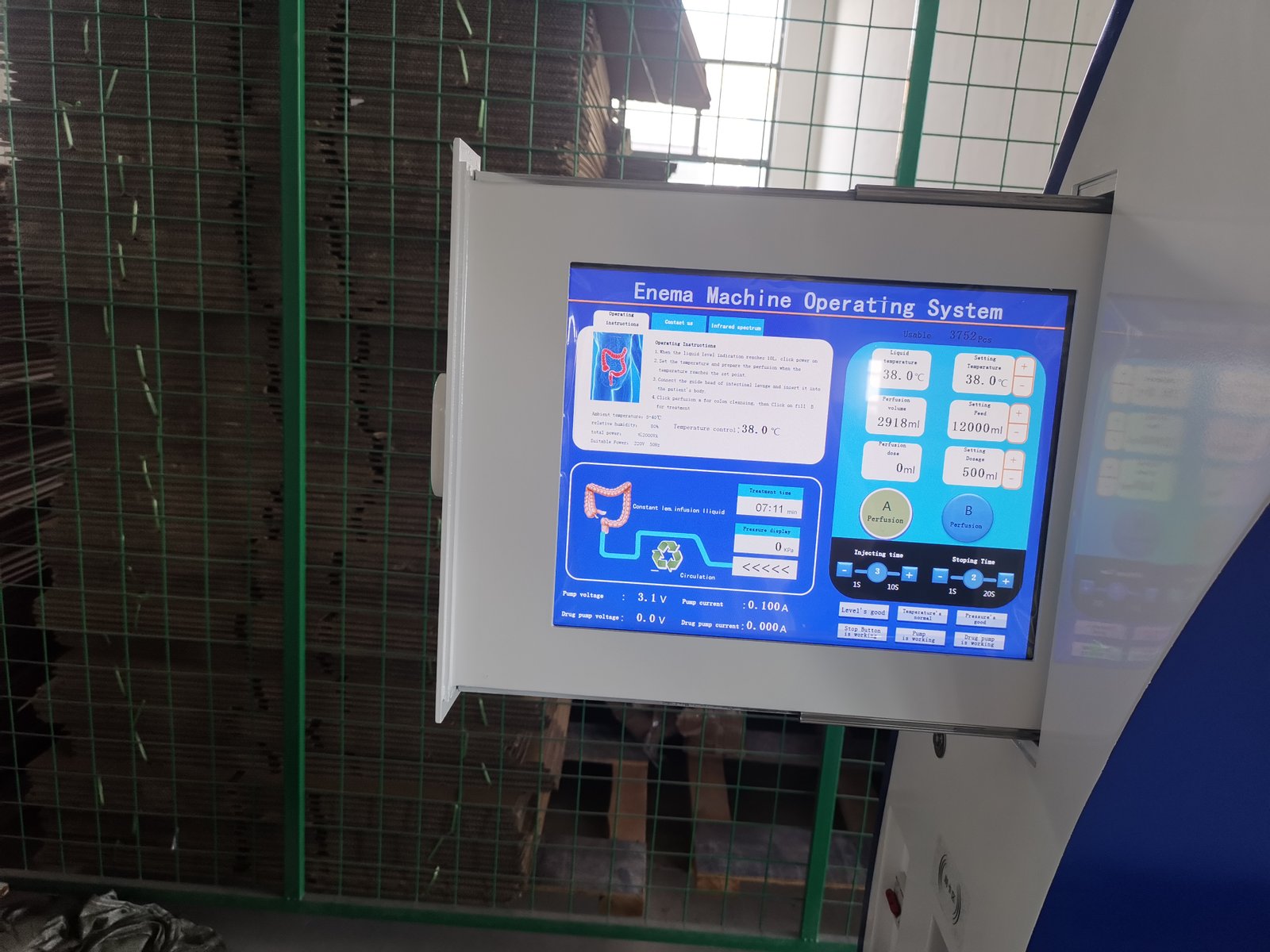
Physicians appreciate the data tracking capabilities. The system records session duration, water volume used, and temperature consistency. This data supports treatment documentation and insurance coding when applicable.
Chiropractic and Wellness Centers
Chiropractors discovered that addressing digestive health complemented their musculoskeletal work. Many patients with back pain also struggle with constipation. Adding colon hydrotherapy created a new revenue stream while supporting better patient outcomes.
These centers typically operate with existing staff who add hydrotherapy to their skill set. The libbe system’s ease of use makes training straightforward. A therapist can become proficient in two days, versus weeks required for closed system techniques.
The small footprint matters in chiropractic offices where space is limited. The MK-880 measures 1720mm x 2500mm x 690mm, fitting into converted exam rooms without major renovation.
| Business Type | Typical Daily Sessions | Average Package Price | Revenue per Room Monthly | Therapist Ratio |
| Dedicated Colon Clinic | 6-8 | $450 (3 sessions) | $21,600 | 1:2 rooms |
| Medical SPA | 3-4 | $1,000 (bundled) | $18,000 | 1:1 room |
| Naturopathic Practice | 4-6 | $550 (4 sessions) | $16,500 | 1:1 room |
| Chiropractic Center | 3-5 | $400 (3 sessions) | $12,000 | 1:1 room |
📱 +86 135-1090-7401Direct line to MAIKONG B2B specialists. WhatsApp enabled for instant quotes.
Equipment Specifications: What Buyers Need to Know
Making informed equipment decisions requires understanding technical specifications and how they impact daily operations. The numbers matter when you’re investing $8,000-$15,000 in a system that must perform reliably for years.
MAIKONG MK-880 Technical Parameters
Our flagship model represents five years of refinement based on operator feedback. Each specification addresses real-world use cases we’ve documented across 200+ installations.
| Parameter | Specification | Clinical Significance |
| Model Number | MK-880 | Latest generation open system |
| Power Requirements | 220V-50HZ-2KW | Standard commercial power, no special electrical needed |
| Dimensions | 1720mm x 2500mm x 690mm | Fits standard treatment rooms without renovation |
| Weight | 160kg | Stable operation, floor-mounted for safety |
| Water Tank Capacity | 10 liters | Sufficient for 45-minute sessions without refill |
| Temperature Range | 30-40°C adjustable | Precise body temperature matching reduces cramping |
| Temperature Accuracy | ±0.5°C | Consistent comfort throughout session |
| Flow Rate | 0-1.5L/min adjustable | Client-controlled gentle to moderate flow |
| Water Pressure | 0.6 Pa maximum | Low pressure prevents colon distension |
| Noise Level | <65dB | Quiet operation maintains spa-like atmosphere |
| Continuous Operation | 8 hours daily | Supports full business day without overheating |
| Warranty Period | 1 year | Full parts and labor coverage |
| Certifications | CE, ISO, SGS | Meets international safety standards |
Standard Package Contents
Understanding what arrives with your equipment prevents surprise costs. Our standard package includes everything needed to begin operations immediately.
| Component | Quantity | Purpose |
| Main Unit MK-880 | 1 | Complete hydrotherapy system with table |
| Disposable Rectal Nozzles | 50 | Single-use client safety (additional sold separately) |
| Water Filtration Cartridges | 3 | Six months of filtration (replacement schedule included) |
| Waste Collection Bags | 100 | Hygienic waste disposal system |
| User Manual | 1 | Complete operation and maintenance guide |
| Training Video Access | Digital | Online therapist certification course |
| Cleaning Supplies Kit | 1 | Medical-grade sanitization products |
| Spare Parts Kit | 1 | Common replacement parts (seals, tubing, connectors) |
Need Custom Equipment Configuration?
MAIKONG offers customization for facilities with specific requirements. We modify voltage, add branding, adjust dimensions, or create color schemes matching your facility design. Contact our engineering team to discuss your needs.
Buyer Concerns: Addressing Common Objections
Every equipment purchase involves risk evaluation. Smart buyers ask tough questions before committing capital. Here are the concerns we hear most frequently, with honest answers based on real operational data.
Quality Concerns About Manufacturing Source
Many American buyers hesitate when they see “Made in China” on medical equipment. This concern is understandable but often based on outdated perceptions. Modern Chinese manufacturing, particularly in the medical device sector, meets stringent international standards.
MAIKONG operates from Shenzhen’s medical district, where we share quality control infrastructure with manufacturers producing equipment for major American hospital chains. Our facility holds ISO 13485 certification specifically for medical device manufacturing.
Third-party inspection is available and encouraged. We welcome buyers who want to conduct factory audits before purchase. Several distributors sent quality assurance teams to our facility before signing contracts. All approved our processes after inspection.
The CE certification on our equipment required rigorous testing by European authorities. These standards often exceed FDA requirements for Class I medical devices. We maintain documentation proving compliance with electrical safety, biocompatibility, and operational safety standards.
After-Sales Support and Parts Availability
Distance creates legitimate concerns about ongoing support. If something breaks, will you wait weeks for parts from China while losing daily revenue?
We address this through a three-tier support system. First, comprehensive spare parts kits ship with every unit, covering common wear items like seals and tubing. These parts handle 90% of maintenance needs for the first two years.
Second, we maintain inventory at our US logistics partner in California. Critical components ship via two-day delivery to any US location. We stock items based on failure rate data from our installed base.
Third, remote technical support operates on US business hours via WhatsApp video. Our technicians can troubleshoot most issues remotely, walking your team through repairs that prevent equipment downtime.
MAIKONG Support Advantages
- Direct manufacturer relationship eliminates middleman delays
- WhatsApp video support during US business hours
- California-based parts distribution for 2-day delivery
- Comprehensive spare parts included with purchase
- Online training library with operation videos
- 1-year warranty covers parts and remote labor
Potential Limitations
- No on-site US service technicians for complex repairs
- Unusual part requests may require China shipping
- Time zone differences for urgent after-hours support
- Initial staff training requires self-study or contracted trainer
ROI Timeline and Revenue Projections
Equipment purchases must justify themselves financially. Buyers want to know: How long until this investment pays back?
The answer depends on your business model and pricing. A dedicated colon clinic charging $125 per session and running 6 sessions daily generates $750 per day, or $19,500 monthly per treatment room assuming 26 working days.
Initial equipment cost ranges from $8,000-$12,000 depending on customization and shipping. Add another $2,000-$3,000 for room setup, supplies inventory, and staff training. Total startup investment typically reaches $12,000-$15,000.
At $19,500 monthly revenue minus approximately 30% for therapist labor, supplies, and overhead, net monthly profit approaches $13,650 per room. Equipment payback occurs in the first month of operation.
Conservative projections using 4 sessions daily at $100 each still generate $10,400 monthly revenue. After 30% costs, monthly profit reaches $7,280, paying back equipment in under two months.
These numbers assume you have client flow. Marketing and client acquisition represent separate investments beyond equipment costs. The libbe system creates operational efficiency, but it doesn’t create client demand by itself.
Shipping, Import, and Installation Logistics
International shipping creates anxiety for buyers unfamiliar with the process. Will customs hold the equipment? Will it arrive damaged? Who handles installation?
MAIKONG ships via established freight forwarders who handle medical equipment regularly. We use wooden crate packaging meeting international shipping standards. Each unit undergoes quality inspection before crating, with photo documentation sent to buyers.
Shipping time from our Shenzhen facility to US ports averages 18-25 days by sea freight. Air freight reduces this to 5-7 days but increases shipping costs by approximately $1,200. Most buyers choose sea freight for cost efficiency.
Customs clearance is straightforward for Class I medical devices. The freight forwarder manages paperwork using our provided documentation. Import duties typically run 2-3% of equipment value under current trade classifications.
Installation requires basic assembly. The unit ships in two main pieces: the base table and the equipment console. Four bolts connect these components. A handy person can complete assembly in 30-45 minutes following our video guide.
Water and electrical connections follow standard specifications. Any licensed plumber can connect the water supply line. Electrical connection requires standard 220V outlet installation by a licensed electrician.
Becoming a MAIKONG Distributor: Partnership Opportunities
Beyond individual equipment purchases, we seek regional distributors who can support the libbe colonic machine market across specific US territories. This partnership model creates substantial business opportunities for established wellness equipment sellers.
Distributor Benefits and Requirements
Authorized MAIKONG distributors receive protected territories, meaning we won’t sell directly to buyers in your region once you establish distribution rights. This protection allows you to build customer relationships without manufacturer competition.
Distributor pricing provides 25-35% margin depending on volume commitments. A distributor buying 10 units quarterly qualifies for tier-two pricing at 30% margin. Larger commitments unlock additional discounts.
We provide marketing support including professional product photos, specification sheets, comparison guides, and sample contracts. You receive co-branded materials featuring both MAIKONG and your company branding.
Technical training comes standard. Distributors send staff to our Shenzhen facility for comprehensive product training, or we conduct US-based training sessions when distributor groups reach 5+ participants.
Ideal Distributor Profile
- Existing wellness or medical equipment sales network
- Established relationships with target buyers (spas, clinics, practitioners)
- Ability to stock 3-5 demonstration units
- Technical support capability for basic troubleshooting
- Commitment to quarterly minimum orders
- Marketing capability to generate regional demand
MAIKONG Provides
- Protected territory rights
- 25-35% distributor margins
- Co-branded marketing materials
- Technical training for staff
- Drop-ship capability for large orders
- Warranty administration support
Regional Market Potential
The US colon hydrotherapy equipment market continues expanding as wellness awareness grows. Current estimates suggest 3,000-4,000 active hydrotherapy facilities nationwide, with 400-500 new locations opening annually.
The libbe open system represents approximately 60% of new equipment purchases, with closed systems declining due to client preference for privacy. This creates recurring demand as older closed systems reach end-of-life and operators upgrade.
Regional distributors typically see strongest demand in health-conscious markets: California, Colorado, Texas, Florida, and the Northeast corridor. However, we’ve documented growing interest in smaller markets as functional medicine practitioners expand outside major metros.
A regional distributor covering a mid-sized state might realistically target 15-25 equipment sales annually, generating $120,000-$200,000 in gross margin at tier-two pricing. Successful distributors in large markets exceed these numbers significantly.
Explore MAIKONG Distribution Partnership
Join established wellness equipment distributors who’ve added MAIKONG libbe systems to their product lines. We’re currently accepting distributor applications for select US territories. Contact our partnership team to discuss territory availability and qualification requirements.
Comparative Analysis: Libbe Systems vs. Alternative Approaches
Educated buyers compare options before committing. Understanding how the libbe approach stacks against alternatives helps clarify whether this technology matches your specific needs.
Libbe Open System vs. Closed System Equipment
The fundamental difference centers on client control and privacy. Closed systems use therapist-controlled water pressure with the therapist present throughout the session. Open systems let clients manage their own experience privately.
From a business perspective, this difference impacts operations substantially. One therapist can oversee two libbe system rooms simultaneously, checking in periodically rather than attending continuously. Closed systems require dedicated therapist presence, limiting throughput.
Client acceptance rates favor open systems heavily. Industry data shows first-time clients are 3x more likely to book follow-up appointments after an open system session compared to closed system experiences. The privacy factor reduces the psychological barrier to trying colon hydrotherapy.
Equipment costs run similar between quality open and closed systems, both ranging $8,000-$15,000. The operational efficiency difference emerges in staffing costs and revenue capacity rather than initial investment.
MAIKONG vs. Established US Brands
Major established brands like Dotolo and Hydro-San command premium pricing, often $15,000-$22,000 for comparable equipment. These brands built reputations over decades of US market presence.
The premium price buys you brand recognition and extensive US service networks. If your market values name-brand equipment, these manufacturers deliver that credential.
MAIKONG competes through value pricing and direct manufacturer relationships. Our equipment meets identical safety standards and delivers comparable functionality at 40-50% lower cost. The trade-off involves less brand recognition and reliance on remote technical support rather than local service networks.
For established facilities with existing client bases, brand name may matter less. Clients care about comfort, privacy, and cleanliness more than equipment manufacturer. For new facilities building credibility, brand-name equipment might ease client concerns.
Smart buyers evaluate total cost of ownership across expected equipment lifespan. A $10,000 MAIKONG unit that operates reliably for 8 years costs less than a $18,000 brand-name unit with similar longevity, even factoring occasional parts replacement.
| Factor | MAIKONG MK-880 | Premium US Brands | Economy Imports |
| Initial Cost | $8,000-$12,000 | $15,000-$22,000 | $5,000-$8,000 |
| Certifications | CE, ISO, SGS | FDA, CE, ISO | Varies, often minimal |
| Warranty | 1 year parts/labor | 1-3 years comprehensive | 90 days to 6 months |
| US Support | Remote + CA parts depot | Local service technicians | Email only, long lead times |
| Customization | Available, direct from factory | Limited, higher costs | Usually not available |
| Lead Time | 5-7 days production + shipping | 2-4 weeks from US warehouse | 4-8 weeks, unreliable |
Operational Workflow and Session Management
Theoretical equipment capabilities mean little without smooth daily operations. Understanding the actual workflow helps evaluate whether the libbe system fits your operational reality.
Typical Session Timeline
A standard colon hydrotherapy session using the libbe open system runs 45 minutes from client entry to room exit. This timing breaks down into specific phases that determine room turnover.
Initial consultation and preparation take 5-7 minutes. The therapist explains the process, answers questions, and demonstrates nozzle insertion technique. First-time clients need slightly more time here, while repeat clients move quickly through this phase.
The active session itself runs 30-35 minutes. Clients manage water flow using the control panel while reclining comfortably. The therapist monitors from outside, typically checking in 2-3 times during the session to ensure comfort and answer questions.
Post-session cleanup and client departure require 5-8 minutes. Clients use the private bathroom, dress, and schedule follow-up appointments. Meanwhile, room sanitization begins for the next client.
Room turnover between clients takes 15-20 minutes when following proper sanitization protocols. This includes table surface disinfection, nozzle disposal, waste system flushing, and fresh setup for the next session.
Staffing Requirements and Labor Efficiency
The libbe system’s key operational advantage emerges in staffing flexibility. One trained therapist can manage two treatment rooms operating on staggered schedules.
Here’s how this works practically: Room A starts a session at 9:00 AM. The therapist gets the client settled, then moves to Room B where a second client begins at 9:30 AM. The therapist alternates between rooms every 10-15 minutes for check-ins.
This staggered scheduling doubles revenue per therapist compared to closed systems requiring continuous presence. A therapist earning $25/hour manages $250-$300 in session revenue instead of $125-$150.
Safety protocols require therapists to remain on-site and available, but not physically present in the treatment room. This distinction matters tremendously for labor efficiency while maintaining appropriate client supervision.
Client Communication and Comfort Management
The open system design places responsibility on clients to communicate their comfort level. Some clients hesitate to speak up during closed system sessions when therapists are present. The privacy of the libbe approach paradoxically encourages better communication.
Most facilities install a call button that alerts the therapist if clients need assistance during their session. This simple addition reduces client anxiety about managing the experience independently.
Temperature and pressure adjustments happen in real-time based on client feedback. The control panel puts these adjustments in client hands rather than requiring therapist intervention. People appreciate this control over their own comfort.
First-time client education is crucial for operational smoothness. We recommend a brief orientation video that plays in the treatment room while clients prepare. This video demonstrates nozzle insertion, control panel operation, and what to expect during the session.
Pro Tip: Reduce First-Timer Anxiety
Install a tablet in treatment rooms playing a 3-minute orientation video on loop. Clients watch this while preparing, dramatically reducing questions and uncertainty. Several facilities report this simple addition cut first-session anxiety complaints by 60%.
Frequently Asked Questions
What is the actual lifespan of the MK-880 libbe colonic machine under normal commercial use?
Our installed base data shows the MK-880 averages 8-10 years of operational life when facilities follow recommended maintenance schedules. High-volume clinics running 8+ sessions daily may see slightly shorter lifespans around 6-7 years before major component replacement becomes necessary. The key variables are water quality (hard water accelerates wear), consistent cleaning protocols, and timely replacement of wear items like seals and tubing. Several early adopters who purchased our first-generation units in 2016 still operate those machines successfully today with normal maintenance.
How does MAIKONG pricing compare to financing options through US distributors?
Direct MAIKONG purchasing means paying cash upfront or arranging your own financing through business credit lines. US distributors often partner with medical equipment financing companies offering 3-5 year payment plans at 6-9% interest. On a $10,000 unit, financing costs add approximately $1,500-$2,500 in total interest over the term. Some buyers prefer spreading costs despite interest charges, while others value the savings from direct cash purchase. We can provide financing referrals to lenders who work with wellness equipment buyers, though we don’t directly offer payment plans ourselves.
What specific room requirements must be met for proper MK-880 installation?
The MK-880 requires a room minimum 10 feet x 12 feet for comfortable operation, though 12 feet x 14 feet is ideal for client movement. You need a standard 220V electrical outlet (same as electric dryer circuits), cold water supply line with shutoff valve, and floor drain or connection to sewage system. The floor must support 400 pounds distributed weight (the unit plus client). Standard vinyl or tile flooring works perfectly. Carpeting is strongly discouraged due to sanitation concerns. The room needs adequate ventilation, either through HVAC or a dedicated exhaust fan, though the unit has built-in odor management. Most facilities convert existing massage rooms or exam rooms without major construction beyond adding the floor drain if not already present.
Can I purchase just one unit to test demand before committing to multiple systems?
Yes, absolutely. Our MOQ is one unit specifically to allow facilities to test the market without major capital commitment. Many successful multi-room operations started with a single unit purchase, ran it for 3-6 months to validate demand, then ordered additional units once they proved the business model. Single unit buyers receive the same warranty, support, and parts access as large purchasers. The only difference is pricing—volume discounts begin at three units. We actually encourage the single-unit approach for new facilities without established colon hydrotherapy practices, as it reduces risk while you build clientele.
What ongoing supply costs should I budget beyond the initial equipment purchase?
Monthly supply costs for moderate-volume operations (4-5 sessions daily) typically run $150-$250. This includes disposable rectal nozzles at approximately $1.50 each, waste collection bags, sanitization supplies, and water filtration. The biggest variable is filtration cartridge replacement, required every 2-3 months at $45 per cartridge. High-volume operations may replace cartridges monthly. Some facilities purchase supplies in bulk quarterly, reducing per-unit costs by 15-20%. We provide a detailed supply cost calculator to new buyers that projects monthly expenses based on their anticipated session volume. Factor these ongoing costs into your pricing structure to maintain profitability.
How do local health departments typically classify libbe systems for licensing purposes?
Classification varies significantly by state and local jurisdiction. Some areas treat colon hydrotherapy equipment like medical devices requiring health department permits and regular inspections. Others classify it under cosmetology or wellness services with minimal oversight. California has specific colon hydrotherapy certification requirements for practitioners. Texas treats it as unregulated wellness service. We recommend contacting your local health department early in the planning process to understand specific requirements in your area. Our experience shows providing our CE certification documentation and equipment specifications usually satisfies inspector concerns about equipment safety standards, even in strictly regulated jurisdictions.
What failure modes are most common with libbe systems, and how quickly can they be resolved?
The most common issues are minor and easily resolved. Temperature sensor drift occurs occasionally, usually fixed by recalibration (15-minute procedure detailed in the manual). Water flow inconsistency typically traces to worn pump seals, which we include in the spare parts kit—replacement takes about 30 minutes. Control panel touchscreen issues are rare but sometimes happen, resolved by replacement of the screen module (we stock these in California for two-day shipping). Actual system failures requiring extended downtime are uncommon, occurring in less than 5% of units annually based on our service data. Most operational issues resolve through remote troubleshooting with our technical team via WhatsApp video consultation.
Does MAIKONG offer trade-in programs for facilities replacing older equipment?
We don’t directly handle trade-ins of competitor equipment, but we work with several US-based used medical equipment brokers who purchase older colon hydrotherapy systems. We can provide referrals to these brokers who’ll make offers on your existing equipment. Typical trade-in values for working 5-7 year old closed systems range from $2,000-$4,000 depending on condition and brand. Some buyers use these proceeds to offset new MK-880 purchases. Additionally, for facilities purchasing three or more units, we offer a $500 per unit discount that effectively serves as a trade-in allowance without requiring actual equipment exchange. This simplifies the process while providing similar economic benefit.
Making Your Libbe Colonic Machine Decision
Equipment decisions shape business outcomes for years. The libbe open system represents a specific approach to colon hydrotherapy that fits certain business models exceptionally well while possibly mismatching others.
This technology excels for facilities prioritizing client comfort, operational efficiency, and privacy. The open system design removes psychological barriers that prevent many people from trying colon hydrotherapy. If client acceptance and retention drive your business model, this matters tremendously.
The staffing efficiency creates clear economic advantages. Facilities running multiple treatment rooms gain substantial labor cost savings compared to closed systems. Calculate your specific situation: if labor efficiency increases net profit by $500 monthly per room, that’s $6,000 annually that justifies equipment investment.
MAIKONG’s value proposition centers on manufacturer-direct pricing and relationships. You sacrifice some brand recognition and local service infrastructure. You gain significant cost savings and direct communication with the people who designed and built your equipment. Different buyers weight these trade-offs differently based on their specific circumstances.
The commercial case for libbe systems ultimately depends on your market, existing infrastructure, and growth plans. A single practitioner adding hydrotherapy to an established practice faces different calculations than an entrepreneur launching a dedicated colon clinic with multiple treatment rooms.
We’ve watched facilities succeed with both approaches. The common factor in successful implementations is thorough planning, proper staff training, and realistic client acquisition strategies. Equipment is crucial, but it’s just one component of a successful colon hydrotherapy business.
Start Your Libbe System Evaluation Today
MAIKONG’s B2B team provides detailed quotes, answers technical questions, and helps you evaluate whether our MK-880 libbe colonic machine matches your specific business requirements. We offer candid guidance on equipment selection—even if that means recommending alternative solutions when they better fit your needs. Connect with our specialists to begin your evaluation.
About MAIKONG
MAIKONG manufactures colon hydrotherapy equipment from our Shenzhen, China facility in Guangdong Province. Since 2016, we’ve supplied equipment to over 200 wellness facilities worldwide, specializing in open-system libbe technology. Our engineering team focuses on equipment reliability, user comfort, and operational efficiency for commercial applications. We maintain CE, ISO, and SGS certifications for medical device manufacturing. Learn more about our company, manufacturing processes, and quality standards at our about page.
Contact Information:
- WhatsApp/Phone: +86 135-1090-7401
- Email: Lucy@colonicmachine.us
- Website: colonicmachine.us
- Product Page: MAIKONG Libbe Colonic Machine