Premium Colon Hydrotherapy Machine | MAIKONG Manufacturer
About Us| Contact Us

» Hydro San Colonic Machine » Commercial Buyer Checklist for hydro san colonic machine With Real Buyer Questions

Facility layout, plumbing infrastructure, and local regulatory requirements determine which equipment configuration suits a specific clinical or wellness setting. Commercial purchasers assess total equipment investment by balancing initial unit costs against long-term maintenance needs, disposable speculum availability, and distributor support terms.
Essential Checks Before Requesting Equipment Quotes
Commercial equipment acquisition begins with establishing building service parameters before requesting formal quotations from manufacturers. Verifying voltage, municipal water pressure, and drainage lines prevents unexpected installation delays and costly facility modifications.
Clarifying commercial hydro san colonic machine buyer intent involves determining whether the machine will serve a high-volume digestive health center, an integrative medical practice, or a luxury wellness resort. Reviewing the overall colonic machine price structure should include calculating freight delivery terms, customs duties, spare valves, and ongoing consumable costs for each operational suite.
Facility planners must verify local backflow preventer plumbing codes and dedicated electrical circuits before approving equipment purchase orders for any commercial colonic machine.
Procurement teams should request technical datasheets that specify inlet water connection sizes, waste line diameters, and maximum power consumption ratings. Addressing these engineering points early allows plumbing and electrical contractors to prepare treatment rooms to exact manufacturer standards.
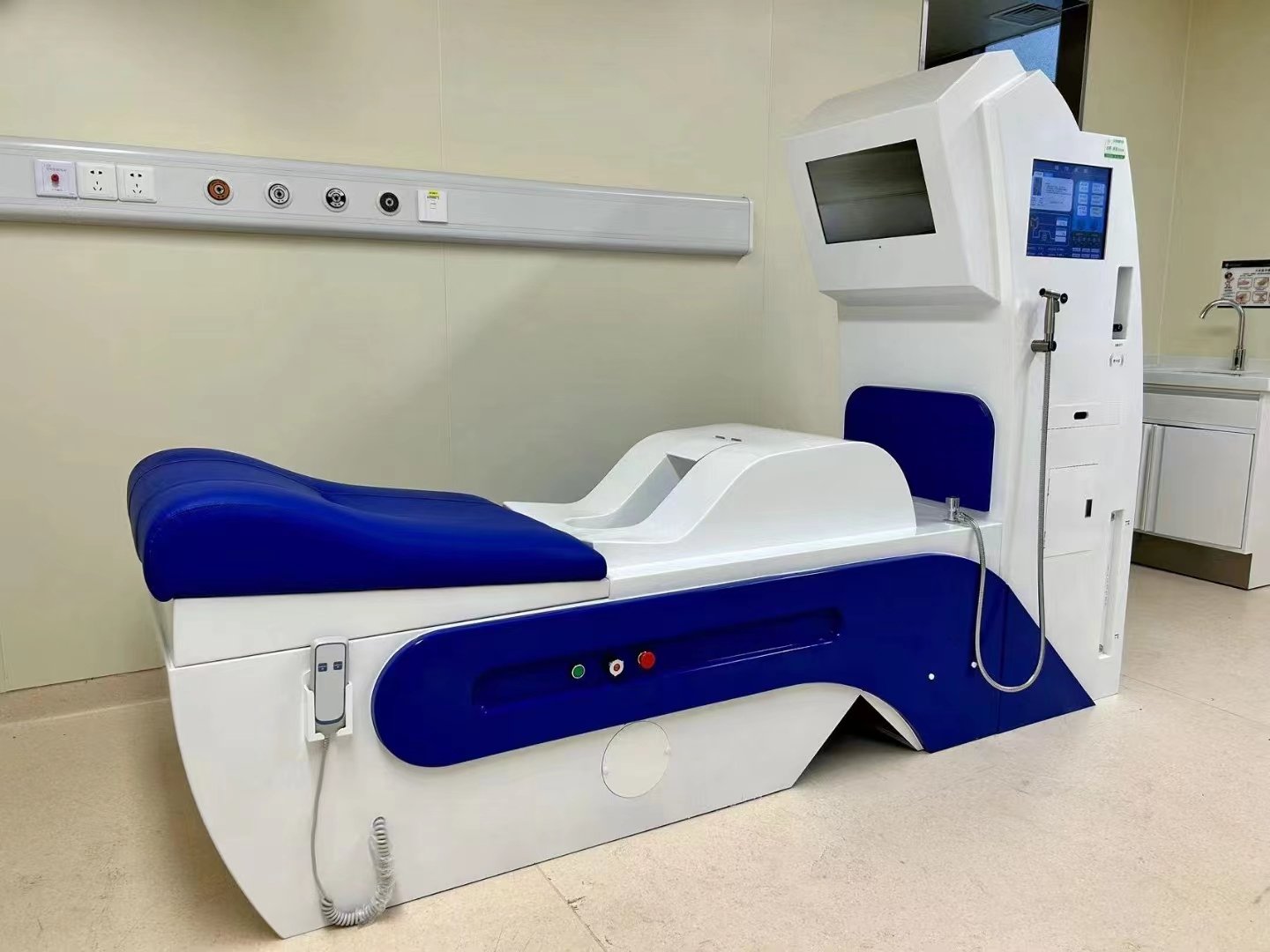
Dedicated dual-stage filtration and backflow prevention assemblies protect clinical plumbing infrastructure.
Operational and Clinical Questions from Commercial Buyers
Experienced purchasers evaluate colon hydrotherapy platforms through practical questions regarding everyday sanitation, treatment comfort, and mechanical reliability. Understanding the nuances of treatment administration guides managers toward systems that support seamless operational routines.
Clinical supervisors frequently examine how a how to use colonic machine protocol fits into daily practitioner schedules while maintaining strict hygiene. Equipment selection should clarify whether a device operates on gravity principles or regulated pressure delivery, and how waste view paths remain sanitary between appointments.
- Does the machine feature an independent viewing line that allows the operator to observe waste discharge without odors escaping into the treatment room?
- What safety systems monitor water pressure and automatically divert water if internal chamber pressure exceeds acceptable comfort thresholds?
- How does the device integrate medicine cup retention delivery or herbal infusion features during specialized physician-directed protocols?
- What maintenance routines are specified for cleaning the internal lines, and does the system offer an automatic disinfection cycle?
- Are specialized single-use speculums and waste hoses standard universal fittings or proprietary consumables tied to a single vendor?
Analyzing equipment through this practical hydro san colonic machine comparison angle enables directors to protect staff efficiency and client comfort across extensive treatment schedules.
Technical Specification and Engineering Parameter Checklist
Accurate engineering specifications differentiate reliable commercial platforms from light-duty home appliances. Buyers must scrutinize factory parameters to verify performance tolerances and regulatory claims.
Applying rigorous scrutiny during a hydro san colonic machine semantic search reveals that physical dimensions, water tank capacities, and noise ratings vary significantly across manufacturers. Sourcing from an established colonic machine manufacturer supplier like MAIKONG in SZ, GD, China provides access to customizable configurations built to documented standards.
| Model Item | Classification | Power Rating | Engineering Specification |
| MK-ZCJK880 | Class I | 220V 2KW | Features a 10L water tank, 500ML medicine reservoir, 30-40C temperature control, and noise below 65dB. |
| MK-EF-ITM | Class I | 110V-220V | Includes 15-inch touch screen, flow range 0-1.5L/Min, pressure 280-600 kPa, and aluminum ABS housing. |
| MK-880 Base | Class I | 220V 50HZ | Measures 1720x2500x690MM, weighs 160kg, and ships in reinforced wooden export crates. |
Buyers should notice that certain published datasheets contain unusual listings such as electrical frequencies of 150HZ-60HZ or package dimensions listed in centimeters that correspond to millimeters. Procurement contracts must require written confirmation of exact voltage, hertz, and crate measurements before shipping dispatch.

Integrated touch screens allow practitioners to monitor water temperature, delivery volume, and session duration in real time.
Operational Workflow and Facility Integration
The sequence of water conditioning, controlled infusion, and waste evacuation dictates the physical flow of a colon hydrotherapy suite. Commercial systems streamline these steps to minimize turnover time between appointments.
Understanding the standard hydro san colonic machine operational workflow helps staff maintain consistent clinical hygiene. High-performance facilities select the best colonic machine models that automate water heating and line sanitation to maintain rapid room turnover.
- Inlet water passes through multi-stage sediment and carbon filtration units to remove particulates, chlorine, and municipal contaminants.
- The system automatically warms filtered water to a controlled physiological temperature around 37 degrees Celsius.
- Purified water is delivered at regulated pressures into the bowel through a sterile, single-use speculum line.
- Diluted waste gently discharges through an illuminated observation viewing tube while stimulating natural peristalsis.
- Internal sanitization circuits rinse internal lines with disinfectant solution to prepare the machine for the next protocol.
An anti-leakage safety assembly and integrated peristaltic pump help maintain stable fluid dynamics throughout each session. These automated controls reduce physical strain on practitioners and keep treatment environments quiet and clean.
Comparing Commercial Platforms on Support and Total Cost
Commercial buyers examine alternative market models to assess whether specialized closed systems justify their investment. Comparing features across reputable brands provides clarity on long-term clinic viability.
Exploring options such as the dotolo colonic machine or the open-basin style angel of water colonic machine illustrates key ergonomic and structural distinctions. Evaluating this hydro san colonic machine semantic variation across commercial equipment lines highlights differences in plumbing demands, room space requirements, and operator involvement.
| Platform Style | Operator Role | Plumbing Setup | Operating Profile |
| Closed System | Full Attendance | Direct Waste | Enables direct practitioner control with zero odor emission through closed illuminated waste view lines. |
| Open Basin | Semi-Private | Open Basin | Allows client self-administration over an open ergonomic basin but requires high-capacity ventilation systems. |
| Portable Cart | Mobile Setup | Quick Connect | Offers flexibility for multi-room wellness centers but has smaller water reservoirs and manual fill tanks. |
Ownership expenses extend beyond initial acquisition to encompass replacement filtration cartridges, sanitizing solutions, speculum kits, and scheduled calibration services. Long-term profitability requires selecting a partner with ready parts inventory and direct engineering support.
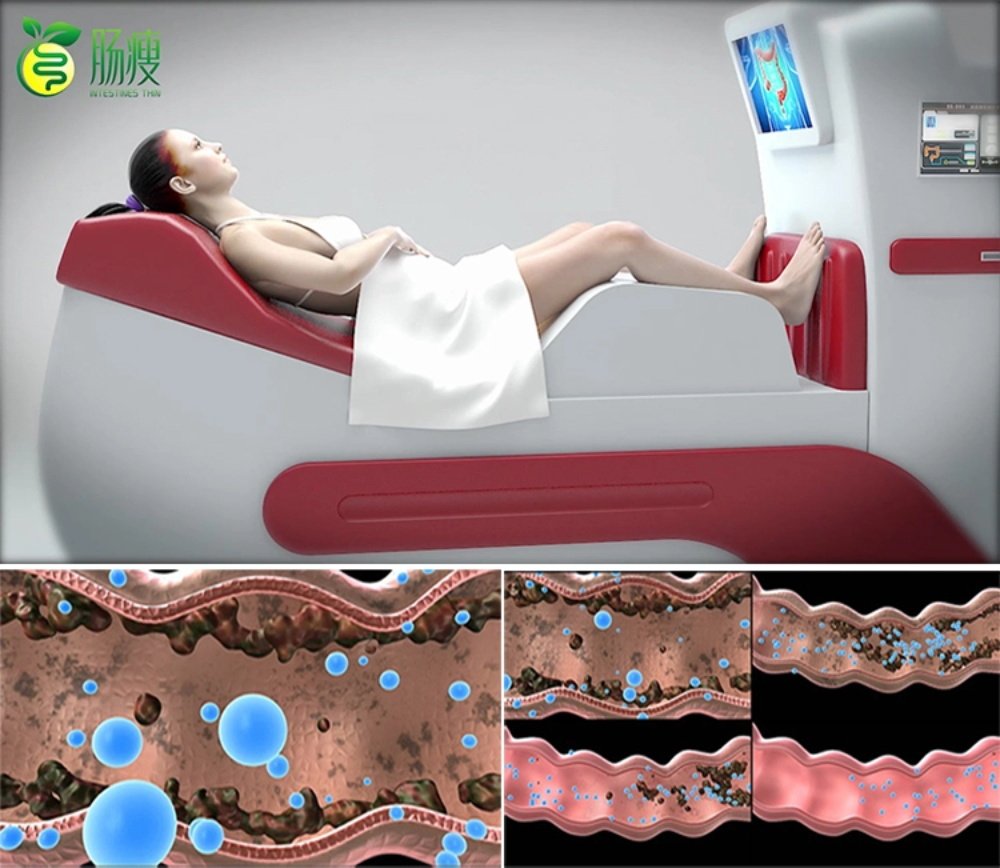
Treatment room layouts must account for plumbing access panels, observation angles, and client changing spaces.
Distributor Programs and OEM Customization Parameters
Wholesale distributors and healthcare chains require flexible manufacturing arrangements to establish distinctive brand identities. Direct manufacturer collaboration delivers volume pricing advantages and custom chassis styling.
Entering the hydro san colonic machine for distributor programs allows regional suppliers to distribute factory-warranted equipment to spas, clinics, and private practices. When organizations seek a commercial colonic machine for sale, OEM options support competitive positioning in competitive regional territories.
Brand and Logo Customization
Orders starting at 20 units qualify for custom silkscreen branding, tailored bezel badges, and personalized software splash screens.
Custom Export Packaging
Customized exterior packaging and graphic carton printing are supported for orders reaching 20 to 30 units.
Technical Specification Tuning
Engineering teams accommodate specific voltage transformers, display languages, and custom frame brackets based on client engineering drawings.
MAIKONG supports distributor partners with dedicated sample orders starting at single-unit quantities, allowing partners to conduct field evaluations before committing to volume inventory. Production lead times average 1 to 3 days for sample units and 5 to 10 days for standard container manufacturing runs.
Explore Wholesale and OEM Distribution Programs
Establish an authorized commercial equipment dealership or request tailored OEM production parameters for your regional market.
Packaging, Freight Logistics, and International Delivery Risks
Heavy clinical equipment demands secure export packaging to withstand multi-modal maritime or air transport. Inadequate crating risks calibration shift and external cosmetic damage during cross-dock handling.
Deploying equipment into a specific hydro san colonic machine local market across North America requires compliant ocean freight forwarding and domestic liftgate trucking. Buyers investing in a colonic machine usa deployment verify that wooden crates meet international ISPM-15 phytosanitary heat-treatment regulations.
Purchasers must confirm whether freight estimates include door-to-door delivery with destination customs clearance or terminal-to-port delivery requiring a customs broker.
Standard commercial units like the MK-880 arrive in reinforced wooden crates with gross weights of approximately 160 kilograms. Receiving facilities must prepare pallet jacks, widened doorways, and adequate storage staging areas before delivery trucks arrive.

Reinforced wooden export crates protect sensitive hydrotherapy consoles and plumbing assemblies during global freight transit.
Commercial Deployment Paths Across Professional Settings
Different wellness settings maintain distinct clinical objectives, staff capabilities, and plumbing infrastructure. Identifying your operational model clarifies which equipment design delivers optimal daily utility.
Evaluating an open platform like the libbe colonic machine against closed systems like the aqua net colonic machine illustrates how clinical workflow influences room architecture. Facility managers balance client privacy preferences with direct practitioner monitoring needs.
Integrative Medical Clinics
- Physicians oversee targeted cleansing before diagnostic examinations or bowel retention procedures.
- Systems require precise medicine dosing cups, low flow rates, and direct operator observation.
- Chassis designs emphasize Class I medical compliance, CE markings, and robust disinfection loops.
Commercial Spas and Wellness Centers
- Focus centers on general digestive comfort, routine vitality programs, and soothing client experiences.
- Operations prioritize intuitive touch-screen controls, quiet pump operation, and rapid session turnovers.
- Chassis styling favors modern aesthetic housings that complement luxury relaxation decor.
Facilities should always review municipal permitting and health department codes regarding professional hydrotherapy licensure before finalizing purchase contracts. Clear internal operating procedures help staff maintain consistent standards across every client appointment.
Frequently Asked Questions About Commercial Colonic Equipment
What should a distributor verify before ordering a hydro san colonic machine?
Distributors should confirm voltage ratings, frequency compatibility, water pressure tolerances, and written warranty scope before placing orders. Verifying compliance documentation such as CE, ISO, or SGS certification helps avoid import delays at regional customs ports. Reviewing spare parts availability and technical training materials protects after-sales service capabilities.
How does a commercial buyer compare a sample order with a wholesale order?
Sample orders allow purchasers to inspect build quality, test plumbing fittings, and evaluate user interface responsiveness on a single unit. Wholesale orders lower unit shipping costs, unlock custom branding options, and provide volume-tiered equipment discounts. Initial evaluation through a single test unit helps confirm facility suitability before capital commitment.
Which specifications affect installation and daily operational workflow?
Incoming water pressure, drain pipe elevation, electrical circuit capacity, and room dimensions directly dictate installation success. Machines requiring continuous water heating must have adequate power supplies to support consistent 37-degree Celsius operation. Noise levels below 65 decibels help maintain a relaxing atmosphere during extended treatment sessions.
What should be included in a formal OEM equipment quotation?
A comprehensive OEM quotation must outline chassis branding terms, custom packaging minimums, warranty coverage, and exact lead times. It should clearly define shipping Incoterms, spare valve inclusion, power cord configurations, and software localization options. Payment milestones, such as bank transfer or letter of credit terms, should be documented in writing.
How should commercial buyers evaluate international compliance certificates?
Buyers should request authentic copies of CE, ISO, CFDA, or TFDA documentation with verified testing lab numbers directly from the factory. Understanding the exact regulatory classification for colon cleansing devices in your operating jurisdiction prevents legal complications. Sourcing teams must distinguish between electrical safety certifications and medical device registrations.
What ongoing consumables and replacement parts are needed for routine operations?
Routine clinic operations require single-use speculum kits, flexible water inlet lines, waste viewing tubes, and specialized disinfectant solutions. Facilities should keep spare inline water filters, silicon gaskets, and pressure check valves on hand to avoid downtime. Establishing reliable supply lines for disposable accessories protects continuous daily scheduling.
Procurement Guidance for Commercial Colonic Platforms
Successful acquisition of commercial colon hydrotherapy equipment relies on validating electrical ratings, plumbing connections, and documented safety features before signing purchase agreements. Partnering with a dedicated manufacturer that provides comprehensive technical documentation, accessible replacement components, and responsive warranty support protects your ongoing clinical operations.
Request Commercial Equipment Specifications and Pricing
Connect with MAIKONG factory representatives to receive detailed datasheets, wholesale catalogs, and distributor cooperation terms.
Copy©2026-2027