Operating a colonic machine requires proper training and understanding of the procedure. Many people in the health and wellness industry ask detailed questions about the colonic procedure before making equipment investments. This comprehensive guide walks you through every step of how to use colonic machine equipment safely and effectively.
As a professional therapist or health center owner, knowing how a colonic works ensures client safety and treatment effectiveness. The process involves more than simply turning on the system. Proper preparation, technique, and post-treatment care make the difference between excellent results and potential complications.
Throughout this guide, we share insights from our experience manufacturing professional-grade colon hydrotherapy equipment at our facility in SZ, GD. Understanding the colonic machine how does it work helps practitioners deliver better client outcomes and build thriving wellness businesses.
Partner with MAIKONG for Professional Equipment and Training
We manufacture advanced colonic machines with comprehensive operator training programs. Our team in SZ, GD provides technical support and certification assistance for health professionals across the United States.
Before learning how to use colonic machine equipment, we need to understand what these systems do. A colonic machine facilitates colon hydrotherapy, also known as colonic irrigation or colonic cleanse. The treatment uses filtered water to gently cleanse the digestive system by removing accumulated waste material from the bowel.
The procedure differs significantly from traditional enemas. While enemas reach only the lower portion of the colon, professional colon hydrotherapy systems cleanse the entire large intestine. This comprehensive approach to digestive health explains why many people seek colonic treatments at wellness centers and health spas.
How Does a Colonic Work: The Basic Process
Water flows into the body through a small disposable speculum inserted into the rectum. The therapist controls water temperature and pressure using the colonic machine control panel. As water enters the colon, it softens and loosens waste material adhering to the intestinal walls.
The waste and water then flow out through a separate tube in a closed system. This process repeats multiple times during a single treatment session. The entire procedure typically takes between forty-five minutes to one hour, depending on individual client needs and system type.
Key Components of Professional Systems
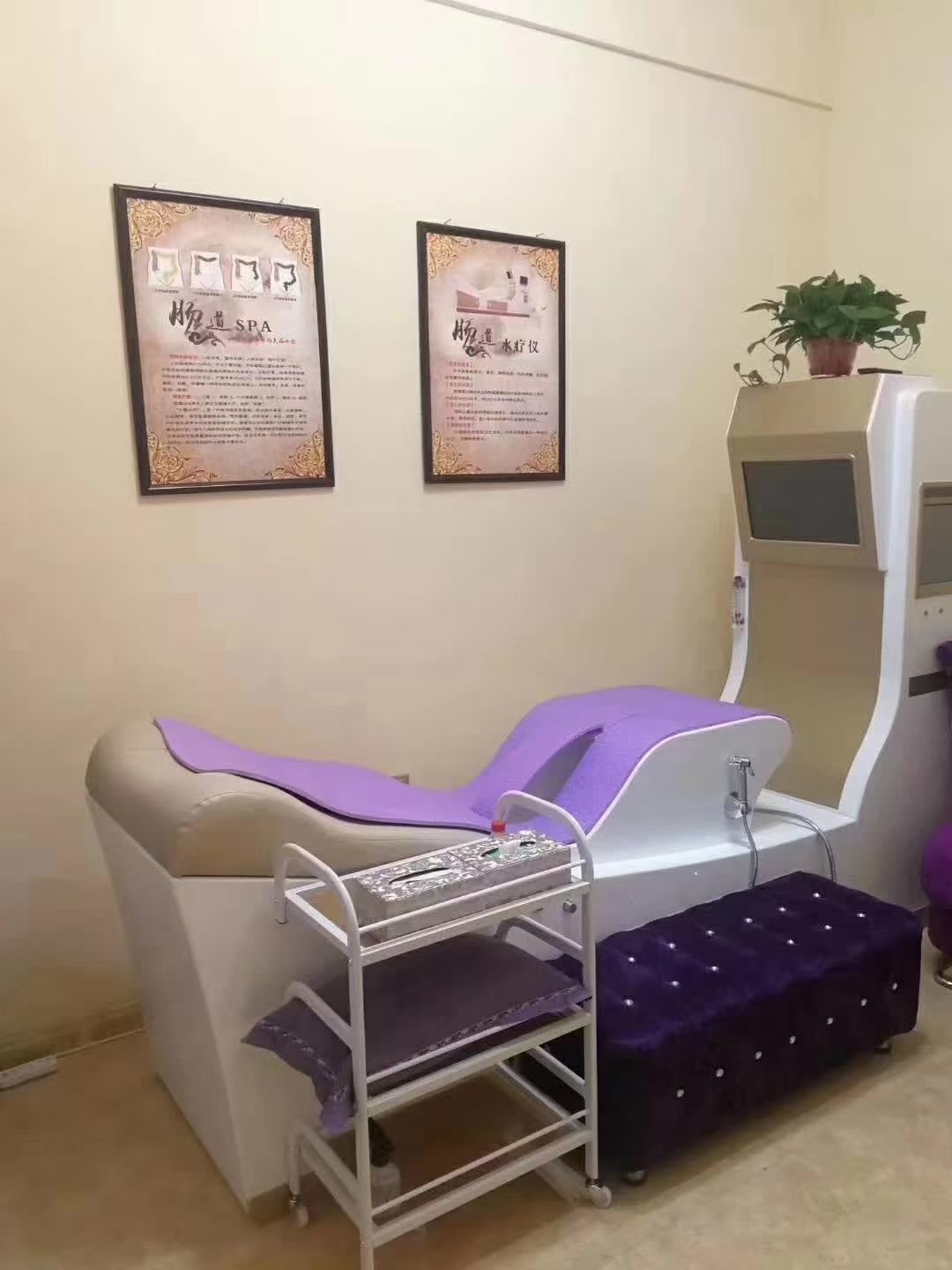
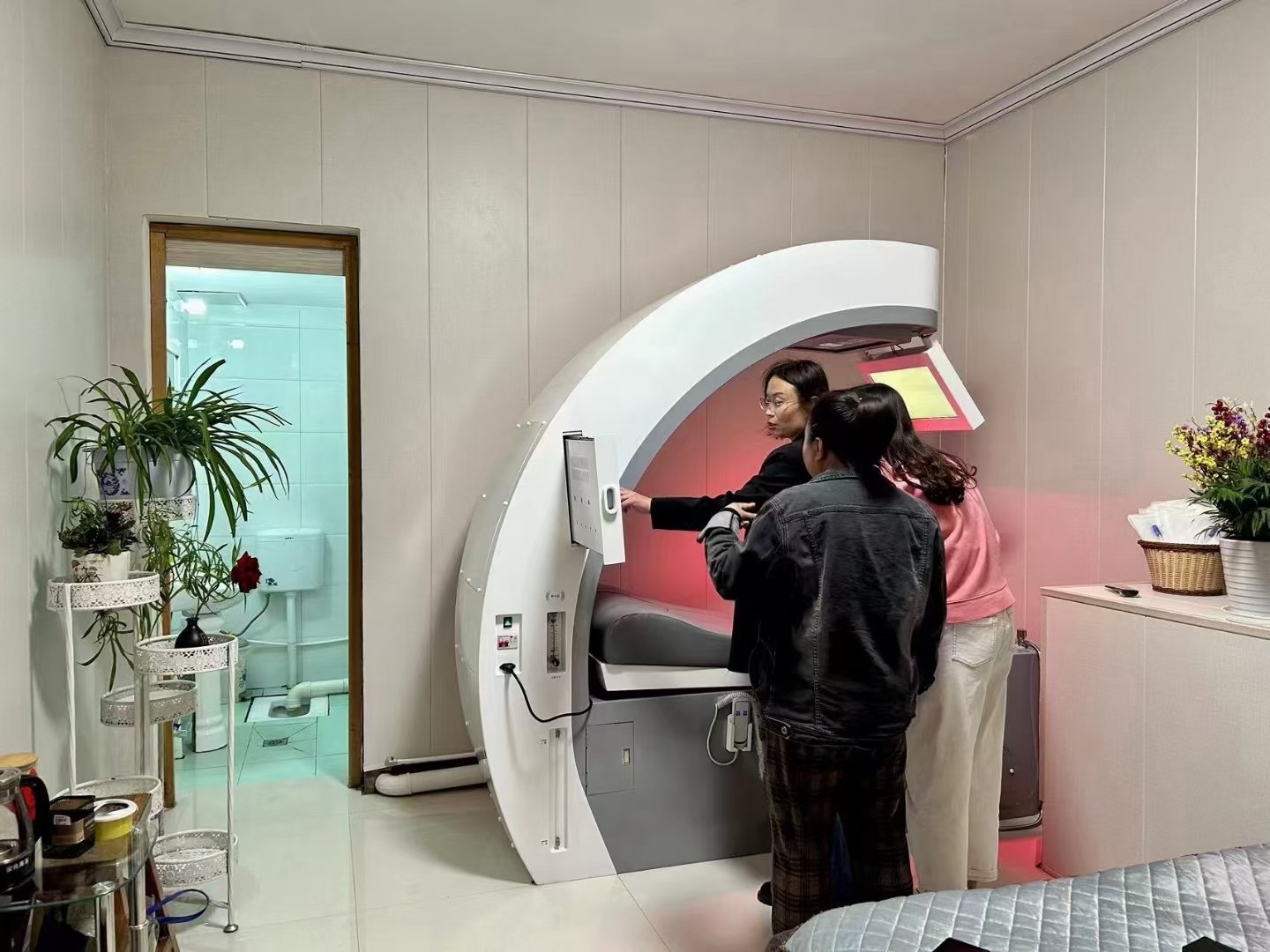
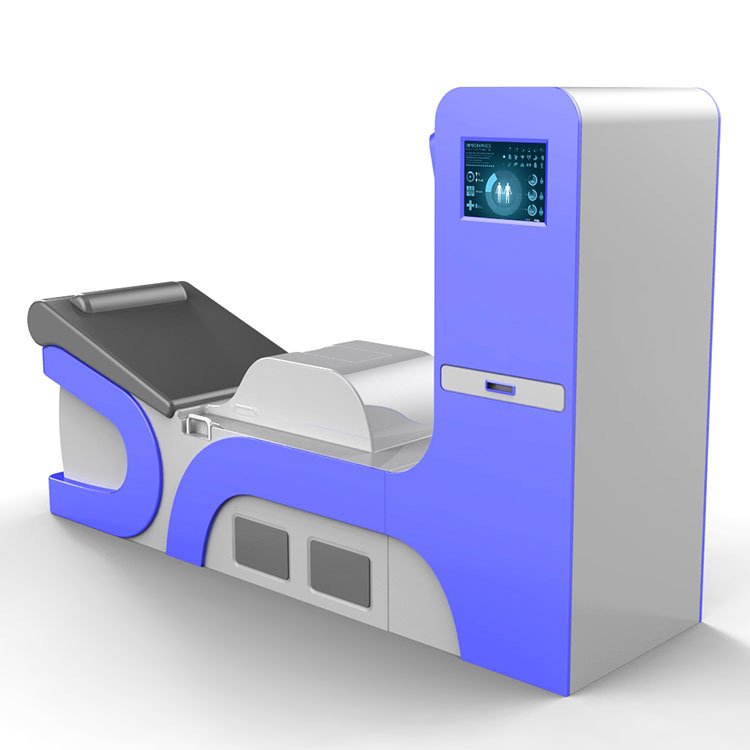
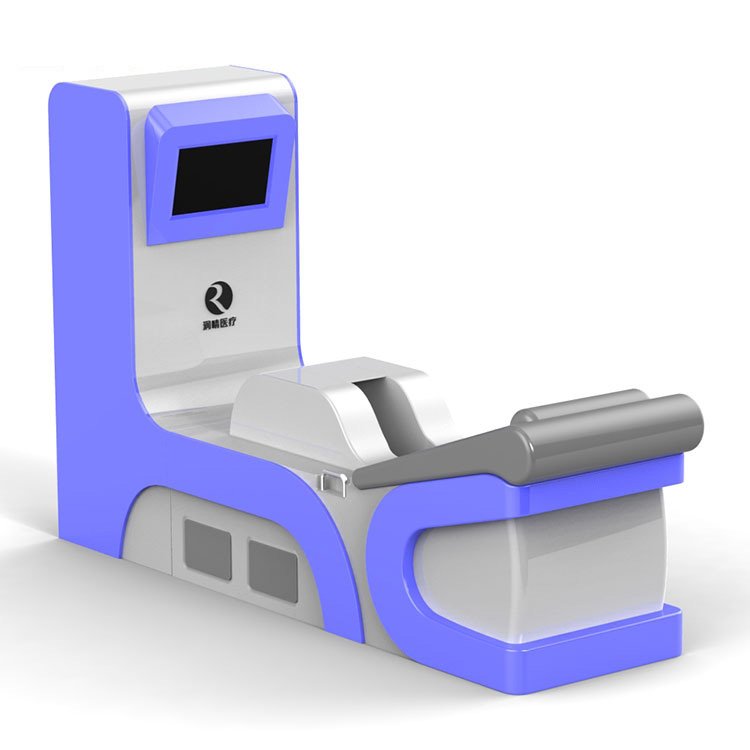
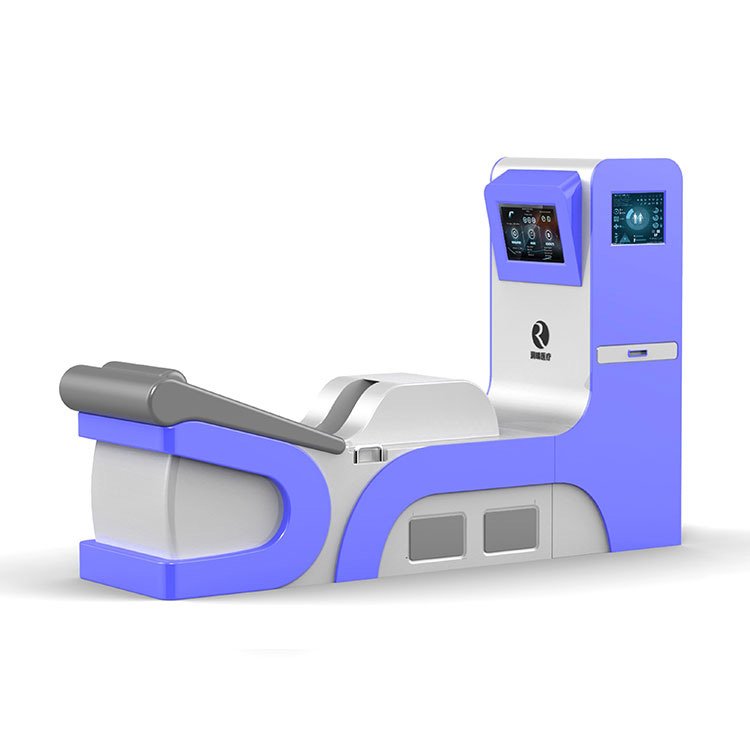
Modern colonic machines include several essential components that ensure safe and effective treatment. The water filtration system removes impurities and contaminants from tap water before it enters the client’s body. Temperature control mechanisms maintain water at a comfortable thirty-seven to forty degrees Celsius throughout the procedure.
Pressure regulation systems prevent excessive water flow that could cause discomfort. Digital displays show real-time information about water temperature, flow rate, and treatment duration. These features help the therapist deliver consistent, comfortable treatments while monitoring client safety.
Pre-Treatment Preparation: Essential Steps Before Operating the Colonic Machine
Proper preparation sets the foundation for successful colon hydrotherapy sessions. The preparation phase involves both client preparation and equipment setup. We walk through each critical step to ensure safety and effectiveness.
Client Consultation and Health Screening
Every client receives a thorough health screening before their first colonic cleanse. The therapist reviews medical history, current health conditions, and medications. Certain health conditions require medical clearance before proceeding with colon hydrotherapy.
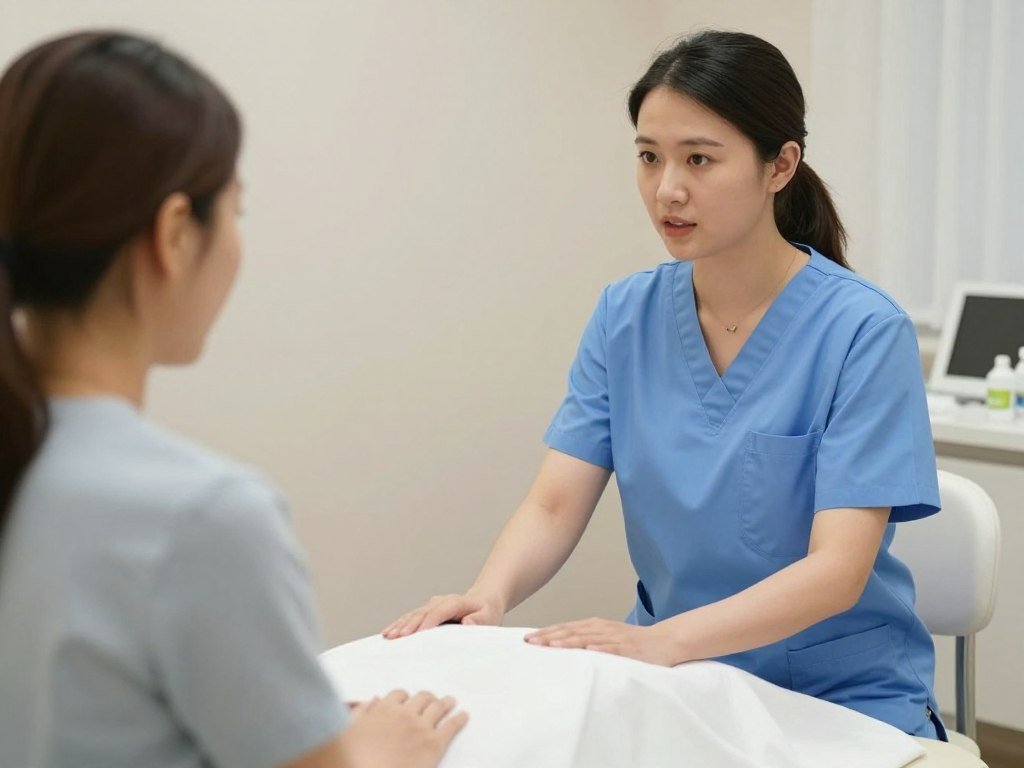
During consultation, we explain the colonic procedure in detail. Many people feel anxious about their first treatment. Clear communication about what to expect helps clients feel confident and relaxed. The therapist answers questions about the process, duration, and potential sensations during treatment.
Important Health Considerations: Clients with certain conditions should not receive colon hydrotherapy without physician approval. These include active inflammatory bowel disease, recent colon surgery, severe hemorrhoids, kidney disease, and pregnancy. Always verify client suitability before beginning treatment.
Clients receive specific instructions to follow before their appointment. Proper colon hydrotherapy prep enhances treatment effectiveness and client comfort. We recommend clients follow these guidelines for optimal results.
Drink plenty of water in the twenty-four hours before the appointment – aim for eight to ten glasses
Avoid heavy meals for three to four hours before the scheduled treatment time
Steer clear of alcohol and caffeine for at least twelve hours prior to the appointment
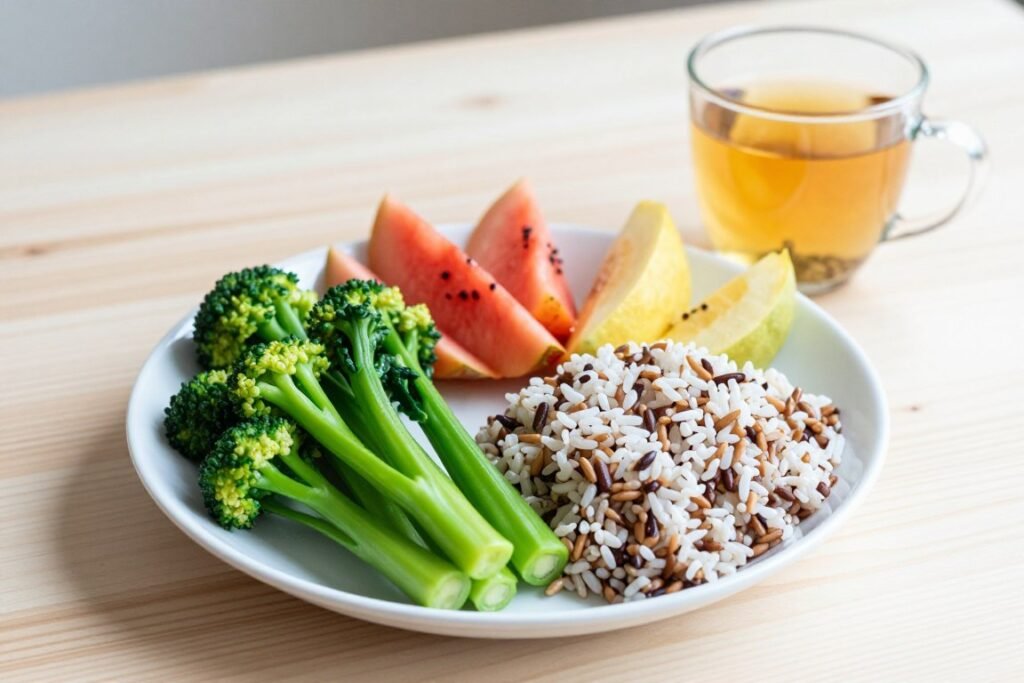
Eat light, easily digestible food the day before treatment – fruits, vegetables, and whole grains work well
Avoid gas-producing foods like beans, broccoli, and carbonated beverages
Consider drinking herbal teas that support digestive health in the days leading up to treatment
Treatment Room and Equipment Setup
The treatment room requires careful preparation before each client arrives. Cleanliness and organization create a professional, comfortable environment that puts clients at ease. The therapist ensures all necessary supplies are readily available.
We sanitize all surfaces, including the treatment table, machine exterior, and nearby countertops. Fresh linens go on the treatment table, and we check that adequate disposable supplies are stocked. The room temperature should be comfortable, typically around twenty-two to twenty-four degrees Celsius.
Colonic Machine System Checks
Before powering on the system, the therapist performs visual inspections of all connections and components. We verify that water supply lines are properly connected and show no signs of wear or damage. The waste disposal system needs checking to ensure proper function.
The equipment requires fresh disposable speculums and tubing for each client. We never reuse these components between clients. The water filtration system undergoes regular filter replacements according to manufacturer specifications. Our MAIKONG systems include filter life indicators that alert operators when replacement is needed.
Need Training on Professional Colonic Machine Operation?
Our technical team provides comprehensive training programs for health practitioners. We cover equipment operation, safety protocols, and client care procedures. Contact us to schedule training for your team.
Step-by-Step Operating Procedures: How to Use Colonic Machine Equipment
Operating the colonic machine involves a systematic process that ensures client safety and treatment effectiveness. We break down the procedure into clear, manageable steps. Following this protocol helps practitioners deliver consistent results while maintaining professional standards.
System Startup and Calibration
The first step involves powering on the system and allowing it to complete its startup sequence. Modern machines like our MK-880 model perform automatic system checks during startup. The digital display shows system status and alerts the operator to any issues requiring attention.
Water temperature calibration happens next. The therapist sets the target temperature, typically thirty-seven degrees Celsius, which matches normal body temperature. The system heats the water automatically and maintains constant temperature throughout the treatment. This process usually takes five to ten minutes.
Preparing the Water System
The water tank requires filling with filtered water before each session. Our systems include a ten-liter capacity water tank that provides sufficient water for most standard treatments. The built-in filtration system processes tap water, removing impurities and chlorine.
Some practitioners add specific supplements to the water based on client needs. These might include probiotics, minerals, or herbal preparations. The MK-880 features a separate medicine storage capacity of five hundred milliliters for controlled supplement introduction. The medicine liquid output time is adjustable from one to ten seconds.
Client Positioning and Speculum Insertion
Client comfort during positioning is essential for successful treatment. The client lies on their left side on the treatment table, with knees drawn up toward the chest. This position facilitates easy insertion and natural water flow into the colon.
The therapist uses a small amount of lubricant on the disposable speculum before gentle insertion. The speculum is only inserted about two inches into the rectum. Proper insertion technique ensures client comfort and prevents tissue damage. The therapist maintains professional communication throughout this process.
Once the speculum is positioned, the therapist connects it to the machine tubing. The closed system design means waste material never comes into contact with the therapist or room environment. This maintains hygiene standards and eliminates unpleasant odors.
Initiating and Monitoring Water Flow
Treatment begins when the therapist activates water flow using the control panel. Initial water pressure starts low and increases gradually as the client becomes accustomed to the sensation. The peristaltic pump system in our machines allows precise flow rate adjustment from zero to one point five liters per minute.
The therapist monitors the client continuously throughout treatment. Communication remains open, with the client reporting sensations and comfort levels. When the client feels fullness, the therapist pauses water inflow and allows waste material to release naturally through the drainage tube.
Fill Cycle Protocol
During the fill cycle, filtered water enters the colon at controlled pressure. The water softens and loosens waste material adhering to the intestinal walls. Clients typically feel gentle fullness as water accumulates. The fill cycle usually lasts two to five minutes depending on individual tolerance and colon capacity.
Release Cycle Protocol
The release cycle allows accumulated water and waste to drain from the body. Clients feel relief as pressure decreases. The therapist observes waste material passing through the viewing tube, noting consistency and content. Release cycles typically last three to seven minutes. This process repeats multiple times during the session.
Treatment Duration and Session Management
Standard colon hydrotherapy sessions last between forty-five minutes to one hour. The treatment includes multiple fill and release cycles. Most clients experience eight to fifteen cycles during a complete session. The exact number depends on individual factors including colon capacity and waste accumulation.
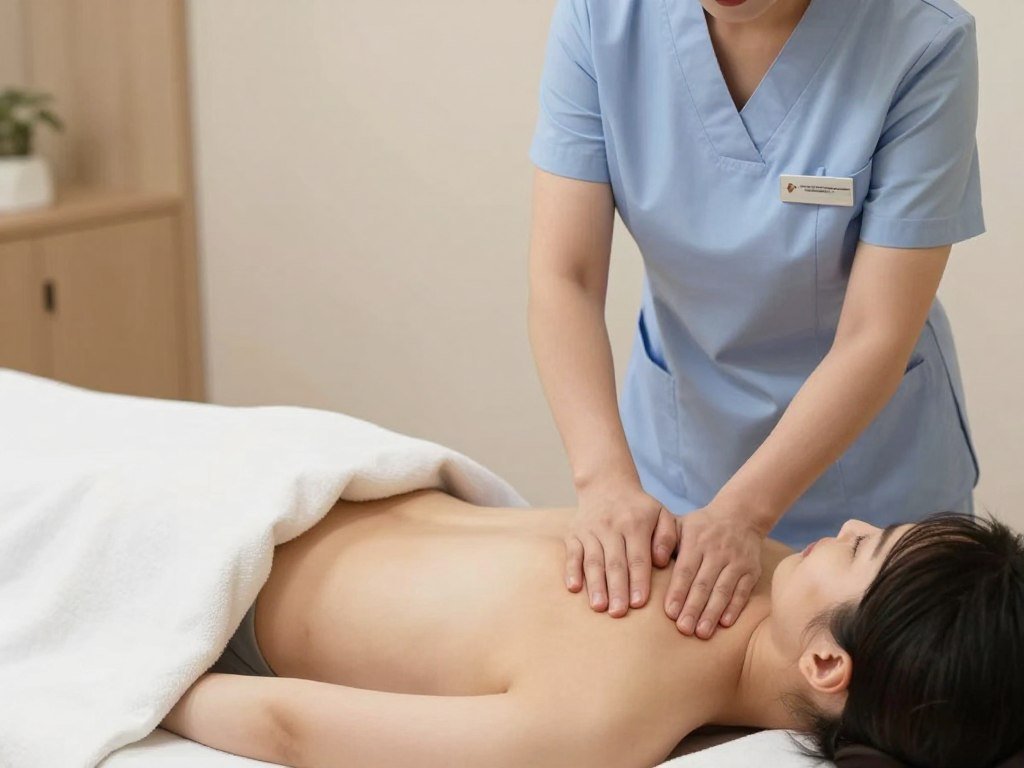
Throughout the procedure, the therapist may perform gentle abdominal massage. This technique helps move water through the colon and encourages waste release. The massage follows the natural path of the colon, moving in a clockwise direction around the abdomen.
The therapist continuously monitors the system display for water temperature, pressure, and flow rate. Any deviations from normal parameters require immediate attention. Our MK-880 systems maintain water pressure at zero point six pascals and include automatic safety shutoffs if pressure exceeds safe limits.
Completing the Treatment Session
As the session nears completion, the therapist performs final fill and release cycles to ensure thorough cleansing. The last release cycle continues until the client expels all remaining water. This prevents discomfort after treatment and ensures the digestive system returns to normal function.
After the final release, the therapist removes the speculum gently. The client remains on the treatment table briefly to ensure stability before standing. Some clients feel lightheaded immediately after treatment, so we encourage slow, careful movement.
Clients use the private bathroom to ensure complete elimination of any remaining water. The therapist provides guidance about what to expect in the hours following treatment. Many people notice continued bowel movements as the digestive system processes the cleanse.
Professional Equipment Specifications and Technical Parameters
Understanding the technical specifications of your colonic machine helps you operate the equipment effectively and make informed purchasing decisions. We manufacture our systems with precise parameters that ensure safety, reliability, and optimal performance.
MAIKONG MK-880 Colonic Machine Specifications
Specification
Parameter
Details
Model Number
MK-880
Professional-grade closed system
Dimensions
1720 x 2500 x 690 mm
Compact design for clinical spaces
Weight
160 kg
Stable construction
Power Requirements
220V-50HZ-2KW
Standard electrical connection
Water Tank Capacity
10 L
Sufficient for complete sessions
Medicine Storage
500 ML
For supplement introduction
Temperature Range
30-40°C
Adjustable for client comfort
Water Pressure
0.6 Pa
Safe, controlled pressure
Flow Rate
0-1.5 L/min
Adjustable peristaltic pump
Noise Level
<65 dB
Quiet operation
Continuous Working Time
8 hours
Full day operation capability
Certifications
CE, ISO, SGS
International safety standards
Packaging and Delivery Specifications
Component
Specification
Packaging Type
Wooden Case (Export Standard)
Delivery Time
5-7 Business Days
Minimum Order Quantity
1 Set
Warranty Period
1 Year
After-Sale Service
Online Technical Support
Customization Options
Logo, Colors, Software Interface
Included Accessories
Disposable speculums, tubing sets, user manual, training materials
Place of Origin
SZ, GD, China
Our manufacturing facility in SZ, GD maintains strict quality control throughout production. Each system undergoes comprehensive testing before shipment. We verify all electronic components, water heating accuracy, pressure regulation, and safety systems. This ensures every colonic machine meets our high standards.
Technical Support Available: Our team provides ongoing technical assistance for all MAIKONG equipment. Whether you need help with operation, maintenance, or troubleshooting, contact us via WhatsApp at +86 135 1090 0701 or email Lucy@colonicmachine.us for prompt support.
Post-Treatment Protocols and Client Care
The treatment process does not end when the session completes. Proper post-treatment care ensures clients experience optimal results and maintain digestive health. The therapist provides detailed guidance about what clients should expect and do after their colonic cleanse.
Immediate Post-Treatment Guidelines
Clients receive specific instructions for the hours immediately following treatment. Drinking plenty of water helps maintain hydration and supports the body natural detoxification process. We recommend clients consume eight to twelve glasses of filtered water in the twenty-four hours after treatment.
Light, easily digestible food works best for the first meal after colon hydrotherapy. Many people experience increased gut sensitivity immediately following treatment. Steamed vegetables, fresh fruit, and whole grains provide nutrition without overwhelming the digestive system. Clients should steer clear of heavy, processed, or fried food for at least twelve hours.
Drink plenty of filtered water throughout the day to support hydration and cleanse continuation
Consume light, plant-based meals that are easy for the digestive system to process
Avoid alcohol and caffeine for at least twenty-four hours after treatment
Take probiotics or consume fermented foods to restore beneficial gut bacteria
Rest adequately and avoid strenuous exercise for the remainder of the treatment day
Monitor bowel movements and report any unusual symptoms to your therapist
Managing Common Post-Treatment Experiences
Many people report feeling lighter and more energized after their colonic cleanse. However, some clients experience temporary symptoms as the body adjusts. Understanding these normal responses helps clients feel confident about their treatment.
Increased bowel movements commonly occur in the twelve to twenty-four hours following treatment. The colon continues eliminating loosened waste material. This process is normal and indicates the treatment is working effectively. Clients should remain near bathroom facilities during this time.
Some people feel slightly fatigued after treatment. The body uses energy for the cleansing and healing process. This tiredness typically resolves within one day. Adequate rest and hydration support recovery. If fatigue persists beyond two days, clients should contact their healthcare provider.
When to Seek Medical Attention: While most people tolerate colon hydrotherapy well, certain symptoms require immediate medical evaluation. Contact a physician if experiencing severe abdominal pain, bleeding, fever above thirty-eight degrees Celsius, or persistent nausea and vomiting after treatment.
Long-Term Digestive Health Recommendations
Colon hydrotherapy works best as part of a comprehensive approach to digestive health. We encourage clients to adopt lifestyle habits that support ongoing wellness. These practices help maintain the benefits achieved through treatment.
A balanced diet rich in fiber supports regular bowel function and prevents constipation. Fruits, vegetables, whole grains, and legumes provide the nutrients the digestive system needs. Many people find that improving their diet reduces the frequency with which they need professional colon cleansing.
Regular physical activity stimulates natural intestinal movement. Exercise helps maintain healthy bowel function and prevents waste accumulation. Even moderate activities like walking or yoga benefit the digestive system significantly.
Stress management plays an important role in digestive health. The gut and brain communicate constantly through the nervous system. Chronic stress negatively impacts bowel function. Techniques like meditation, deep breathing, and adequate sleep support both mental and digestive wellness.
Professional Training and Certification for Colon Hydrotherapy
Proper training forms the foundation of safe, effective colonic machine operation. Health professionals seeking to offer colon hydrotherapy need comprehensive education covering equipment operation, safety protocols, client assessment, and treatment techniques. We provide insights into the training process and ongoing professional development.
Essential Training Components
Professional colon hydrotherapy training covers multiple essential areas. Anatomy and physiology of the digestive system comes first. Therapists must understand how the colon functions, common health conditions affecting the bowel, and contraindications for treatment. This knowledge ensures appropriate client selection and safe practice.
Equipment operation training follows theoretical education. Therapists learn hands-on operation of the colonic machine through supervised practice sessions. Our training program includes detailed instruction on the MK-880 system, covering startup procedures, parameter adjustment, troubleshooting, and maintenance protocols.
Theoretical Knowledge Areas
Digestive system anatomy and physiology
Common digestive health conditions and their impact on treatment
Contraindications and safety screening procedures
Infection control and sanitation protocols
Professional ethics and client communication
Documentation and record-keeping requirements
Practical Skills Development
Equipment setup and calibration procedures
Client positioning and speculum insertion techniques
Water flow management and pressure adjustment
Abdominal massage techniques during treatment
Emergency response and complication management
Equipment maintenance and troubleshooting
Certification and Continuing Education
Professional certification demonstrates competence and commitment to quality care. Several organizations offer colon hydrotherapy certification programs. These programs typically require completion of classroom instruction, supervised clinical hours, and successful passage of written and practical examinations.
Continuing education helps therapists stay current with evolving best practices and research. We recommend practitioners attend annual conferences, participate in advanced training workshops, and review current literature on digestive health. This ongoing learning benefits both the therapist and their clients.
At MAIKONG, we support practitioner development through comprehensive training resources. Our technical team provides both initial equipment training and ongoing educational support. We help practitioners build confidence and competence in delivering professional colon hydrotherapy services.
Professional Training Programs Available for Your Team
We offer comprehensive training covering all aspects of colonic machine operation, client care, and business development. Our programs include hands-on practice with MAIKONG equipment, certification support, and ongoing technical assistance.
Contact our training coordinator: Lucy@colonicmachine.us or call +86 135 1090 0701
Common Mistakes to Avoid When Operating Colonic Machines
Even experienced therapists can fall into operational errors that compromise treatment quality or client safety. Understanding common mistakes helps practitioners maintain high standards and avoid potential problems. We identify frequent errors and provide guidance for prevention.
Equipment-Related Errors
Skipping system checks before treatment represents a significant risk. The therapist must verify water temperature accuracy, pressure calibration, and filtration system function before each client. Failure to perform these checks can result in client discomfort or equipment malfunction during treatment.
Using worn or damaged disposable components compromises hygiene and safety. Each client requires fresh speculums and tubing. Never attempt to sanitize and reuse disposable items. The cost savings are not worth the infection risk or professional liability.
Inadequate equipment maintenance leads to premature system failure and inconsistent performance. Regular filter replacements, system cleaning, and component inspections maintain optimal function. Our MK-880 systems include maintenance schedules and reminders to help practitioners stay current with required service.
Client Care and Communication Mistakes
Insufficient health screening creates risk for both client and practitioner. Always complete thorough intake forms and review medical history before the first treatment. When questions arise about client suitability, request physician clearance before proceeding. Better to delay treatment than risk serious complications.
Poor communication during the procedure causes unnecessary client anxiety. Explain each step before performing it. Maintain conversation throughout treatment, asking about comfort levels and sensations. This dialogue helps the therapist adjust technique and ensures the client feels supported.
Rushing through treatments compromises results. While standard sessions last forty-five to sixty minutes, some clients need additional time. Forcing treatment completion within rigid timeframes can cause discomfort and reduce effectiveness. Allow adequate time for thorough, comfortable cleansing.
Technical Operation Errors
Starting with water pressure too high causes immediate client discomfort. Always begin with low pressure and increase gradually based on client tolerance. The peristaltic pump adjustment feature on our systems allows precise pressure control throughout the session.
Ignoring client feedback about discomfort represents a serious error. When clients report pain or excessive pressure, stop immediately and assess the situation. Adjust water flow, check positioning, and verify equipment function before continuing. Client safety always takes priority over treatment completion.
Neglecting abdominal massage during treatment reduces effectiveness. Gentle massage helps move water through the colon and encourages waste release. This technique, when performed correctly, significantly enhances treatment outcomes. Therapists should receive proper massage training as part of their certification program.
Best Practices for Success
Complete comprehensive equipment checks before every session
Maintain detailed client records including health history and treatment notes
Communicate clearly and continuously throughout the procedure
Start with conservative settings and adjust based on client response
Follow strict sanitation protocols between all clients
Pursue ongoing education and skills development
Keep adequate supplies on hand to avoid running out during treatment
Practices to Avoid
Skipping health screening or ignoring contraindications
Reusing disposable components between clients
Operating equipment without proper training and certification
Rushing treatments to accommodate more clients
Ignoring client discomfort or dismissing concerns
Neglecting regular equipment maintenance and servicing
Making medical claims or promises about treatment outcomes
Equipment Maintenance and Troubleshooting Guidelines
Regular maintenance extends equipment life and ensures consistent performance. Professional colonic machines represent significant investments. Proper care protects that investment while maintaining treatment quality. We provide practical maintenance guidance based on our manufacturing expertise.
Daily Maintenance Procedures
Each day begins and ends with specific maintenance tasks. Before the first client, the therapist inspects all visible components for signs of wear or damage. We check water supply connections, electrical cords, and the condition of the treatment table. Any issues require resolution before beginning client sessions.
After each client, the therapist performs system cleaning according to manufacturer protocols. Our MK-880 systems include automatic tube cleaning functions that sanitize internal components. This feature runs between clients to maintain hygiene standards. External surfaces receive manual cleaning with appropriate disinfectants.
End-of-day procedures include draining the water system, disposing of all waste properly, and restocking supplies for the next day. The treatment room requires thorough cleaning, including floors, surfaces, and equipment exteriors. These habits maintain a professional, sanitary environment.
Weekly and Monthly Maintenance Tasks
Weekly maintenance involves more detailed inspections and cleaning. The therapist examines all tubing and connections thoroughly, looking for cracks, leaks, or mineral buildup. Water filters receive inspection, with replacement as needed based on usage volume and water quality.
Monthly tasks include complete system testing and calibration verification. The therapist runs the system through full cycles without a client, monitoring temperature accuracy, pressure consistency, and flow rate precision. Any deviations from standard parameters require professional service attention.
Inspect and replace water filters according to the manufacturer schedule or when flow decreases
Check all electrical connections and cords for signs of wear or damage
Test temperature accuracy using a separate thermometer to verify system calibration
Clean or replace viewing tubes if they become clouded or discolored
Verify proper function of all safety systems and automatic shutoffs
Update inventory of disposable supplies and reorder as needed
Review maintenance logs and schedule any required professional service
Common Issues and Troubleshooting
Understanding common equipment issues helps therapists respond quickly when problems arise. Many minor issues have simple solutions that practitioners can address without professional service calls. However, recognizing when to contact technical support prevents potentially costly damage.
Water temperature inconsistency often results from heating element problems or thermostat calibration drift. If the system cannot maintain target temperature, check the power connection first. Verify the heating element receives power and the thermostat reads accurately. Persistent temperature issues require professional service.
Reduced water flow typically indicates filter clogging or pump problems. Check and replace filters first, as this resolves most flow issues. If flow remains inadequate with fresh filters, the peristaltic pump may need attention. Our technical support team can walk practitioners through diagnostic steps via phone or video call.
Unusual noises during operation suggest mechanical problems. Grinding or squealing sounds from the pump area indicate worn components needing replacement. Rattling or vibration often results from loose connections or mounting hardware. Address these issues promptly to prevent further damage.
Technical Support Access: MAIKONG provides comprehensive technical support for all equipment owners. Our team responds to questions via email, phone, and WhatsApp. We can often diagnose and resolve issues remotely, saving you time and service costs. For complex problems, we arrange qualified technician visits or component replacement. Contact us at +86 135 1090 0701 for assistance.
Record Keeping and Service Documentation
Maintaining detailed maintenance records serves multiple purposes. Documentation helps track service intervals, identify recurring issues, and demonstrate proper equipment care for warranty claims. Professional practices keep comprehensive logs of all maintenance activities.
The maintenance log should include dates of all service performed, components replaced, issues identified, and resolutions implemented. Note filter replacement dates, calibration checks, and any unusual equipment behavior. This information proves valuable when troubleshooting problems or planning equipment upgrades.
Frequently Asked Questions About Using Colonic Machines
Health professionals often have questions about colonic machine operation and colon hydrotherapy practice. We address common questions based on our experience training practitioners and manufacturing professional equipment.
How long does it take to clean out colon during a typical treatment session?
A standard colon hydrotherapy session lasts forty-five to sixty minutes. During this time, clients typically experience eight to fifteen fill and release cycles. The process cleanses the entire large intestine, removing accumulated waste material. Individual factors including colon capacity, waste accumulation level, and client tolerance affect exact treatment duration. Some clients require shorter sessions initially, building tolerance over multiple treatments.
What is the difference between a colonic and an enema?
Enemas cleanse only the lower portion of the colon, typically reaching twelve to eighteen inches into the rectum. Professional colon hydrotherapy using a colonic machine cleanses the entire five to six feet of the large intestine. The procedure uses significantly more water, delivered at controlled temperature and pressure. Colonic machines provide thorough cleansing that enemas cannot achieve. The closed system design also offers more comfort and dignity for clients.
Can clients lose weight with colon hydrotherapy?
Many people experience temporary weight reduction after treatment as waste material leaves the body. This typically ranges from two to eight pounds immediately after the session. However, this represents waste removal, not true fat loss. Some clients report colon hydrotherapy weight loss before and after results when combining treatments with improved diet and exercise. The procedure may support weight management by improving digestive function and reducing bloating. However, we do not market colonic cleanse as a weight loss solution.
How often should clients get colonic treatments?
Treatment frequency depends on individual health goals and conditions. Clients new to colon hydrotherapy often begin with a series of three to six sessions scheduled over several weeks. This allows thorough cleansing of accumulated waste. After the initial series, many people schedule maintenance sessions every one to three months. Some health conditions benefit from more frequent treatments, while others require less. The therapist works with each client to develop an appropriate treatment plan.
What training is required to operate a colonic machine professionally?
Professional colon hydrotherapy practice requires completion of certified training programs. These programs cover digestive anatomy, equipment operation, safety protocols, and client care procedures. Training typically includes twenty to forty hours of classroom instruction plus supervised clinical practice. Many jurisdictions require state licensure or certification for legal practice. Practitioners should verify local regulations before offering services. At MAIKONG, we provide comprehensive equipment operation training and can recommend certification programs in your area.
Are there any side effects or risks associated with colon hydrotherapy?
When performed by trained professionals using properly maintained equipment, colon hydrotherapy is generally safe. Some clients experience minor, temporary side effects including increased bowel movements, mild cramping, or fatigue in the hours following treatment. These resolve quickly without intervention. Serious complications are rare but can occur if contraindications are ignored or improper technique is used. Proper client screening, equipment operation, and sanitation protocols minimize risks. Always verify client suitability before providing treatment.
What maintenance does a colonic machine require?
Regular maintenance includes daily cleaning and sanitizing, weekly component inspections, and monthly system testing. Water filters require replacement based on usage volume, typically every one to three months. The therapist should inspect all tubing, connections, and disposable components before each session. Professional service is recommended annually for thorough system evaluation and calibration verification. Our MK-880 systems include maintenance reminders and automatic cleaning functions that simplify daily care.
How much does a professional colonic machine cost?
Professional-grade colonic machines range significantly in cost depending on features, manufacturer, and included components. Quality systems suitable for clinical practice typically represent substantial investments. At MAIKONG, we manufacture professional equipment with competitive pricing that makes best colonic machine technology accessible to practitioners. We welcome inquiries about specific models, features, and pricing. Contact our sales team for detailed information about colonic machine for sale options and wholesale pricing for distributors.
Business Considerations for Colon Hydrotherapy Practices
Operating a successful colon hydrotherapy practice involves more than clinical skills. Business planning, marketing, and operational efficiency all contribute to long-term success. We share insights to help practitioners build thriving wellness businesses.
Equipment Selection and Investment Planning
Choosing the right colonic machine represents a critical business decision. Practitioners must balance features, reliability, and cost when selecting equipment. Consider your target market, expected client volume, and service offerings when evaluating options.
Professional-grade systems like our MK-880 model include features that enhance both treatment quality and operational efficiency. Automatic temperature control, adjustable pressure settings, and self-cleaning functions reduce operator workload while ensuring consistent results. These capabilities justify initial investment through improved client satisfaction and retention.
Consider total cost of ownership beyond purchase price. Maintenance requirements, disposable supply costs, and energy consumption affect ongoing expenses. Reliable equipment with strong manufacturer support reduces downtime and service costs. At MAIKONG, we provide comprehensive warranty coverage and accessible technical support to protect your investment.
Startup Investment Components
Colonic machine equipment
Treatment room furniture and fixtures
Initial supply inventory
Training and certification costs
Licenses and permits
Insurance coverage
Ongoing Operational Costs
Disposable supplies replenishment
Utilities and facility expenses
Equipment maintenance and repairs
Professional liability insurance
Continuing education
Marketing and advertising
Revenue Considerations
Session pricing strategy
Package offerings and memberships
Expected client volume
Treatment time efficiency
Complementary services
Market competition analysis
Marketing and Client Acquisition
Building a client base requires strategic marketing and community engagement. Many people remain unfamiliar with colon hydrotherapy benefits. Educational marketing helps potential clients understand the service and feel comfortable booking an appointment.
Digital marketing through websites, social media, and online directories reaches health-conscious consumers actively seeking wellness solutions. Content marketing through blogs, videos, and educational materials establishes your expertise and builds trust. Local partnerships with chiropractors, naturopathic physicians, and wellness centers generate referrals.
Client experience drives word-of-mouth marketing, the most valuable promotion for wellness services. Comfortable facilities, professional service, and genuine care for client wellbeing create positive experiences people share with friends. Focus on delivering exceptional service consistently to build your reputation.
Partner with MAIKONG as a Distributor in Your Region
We seek qualified distributors and agents throughout the United States to represent our professional colonic machine equipment. As a MAIKONG partner, you gain access to competitive wholesale pricing, comprehensive training programs, marketing support, and ongoing technical assistance.
Conclusion: Building Excellence in Colonic Machine Operation
Mastering how to use colonic machine equipment requires dedication to professional development and commitment to client care. The procedures, protocols, and best practices covered in this guide provide the foundation for safe, effective practice. However, true expertise develops through experience, ongoing education, and attention to each client’s individual needs.
The colonic procedure offers significant benefits when performed correctly by trained professionals using quality equipment. As interest in digestive health and natural wellness continues growing, demand for professional colon hydrotherapy services increases. Practitioners who invest in proper training, reliable equipment, and excellent client care position themselves for long-term success.
At MAIKONG, we support health professionals throughout their journey in colon hydrotherapy practice. From initial equipment selection through ongoing technical support and business development, our team provides the resources practitioners need to thrive. We manufacture our systems in SZ, GD with attention to quality, safety, and user-friendly operation.
Whether you are just beginning to explore colon hydrotherapy or seeking to upgrade existing equipment, we welcome your questions. Our experience manufacturing professional colonic machine USA market solutions helps practitioners make informed decisions about their practice investments.
The path to excellence in colon hydrotherapy begins with proper education and continues through commitment to professional standards. We invite you to connect with our team to learn more about our equipment, training programs, and partnership opportunities. Together, we can advance digestive wellness and help more people achieve optimal health.
Contact MAIKONG Today
Ready to learn more about our professional colonic machine equipment, training programs, or partnership opportunities? Our team is here to answer your questions and provide the information you need to make confident decisions for your practice or business.
We look forward to supporting your success in the colon hydrotherapy industry. Contact us today to begin the conversation about how MAIKONG can help you achieve your professional and business goals.