
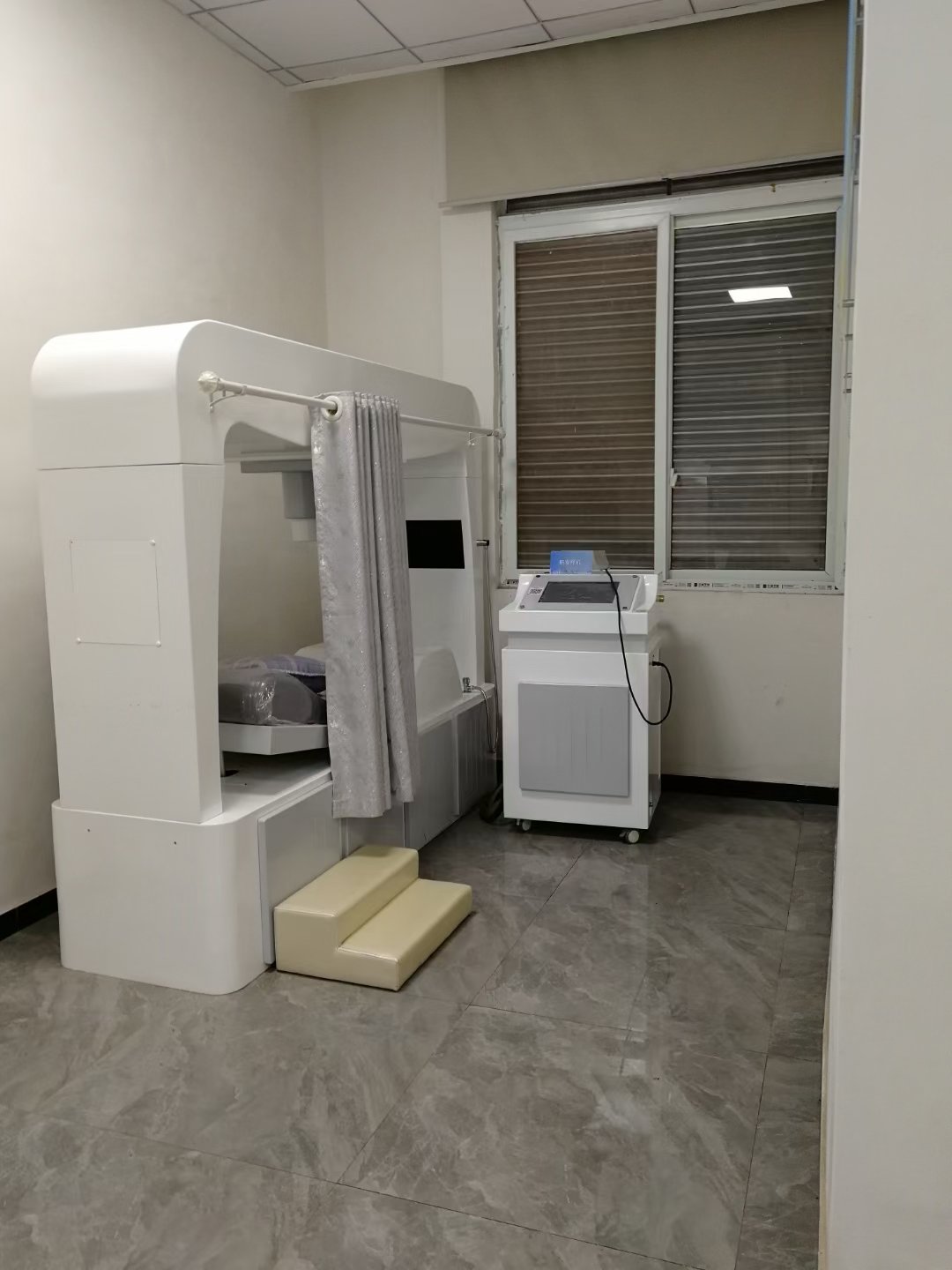
Get Complete Technical Specifications
Download our detailed comparison guide covering 15+ professional colon hydrotherapy systems with specifications, pricing ranges, and certification details.
Understanding Colon Hydrotherapy Equipment: What Makes the Best Colonic Machine
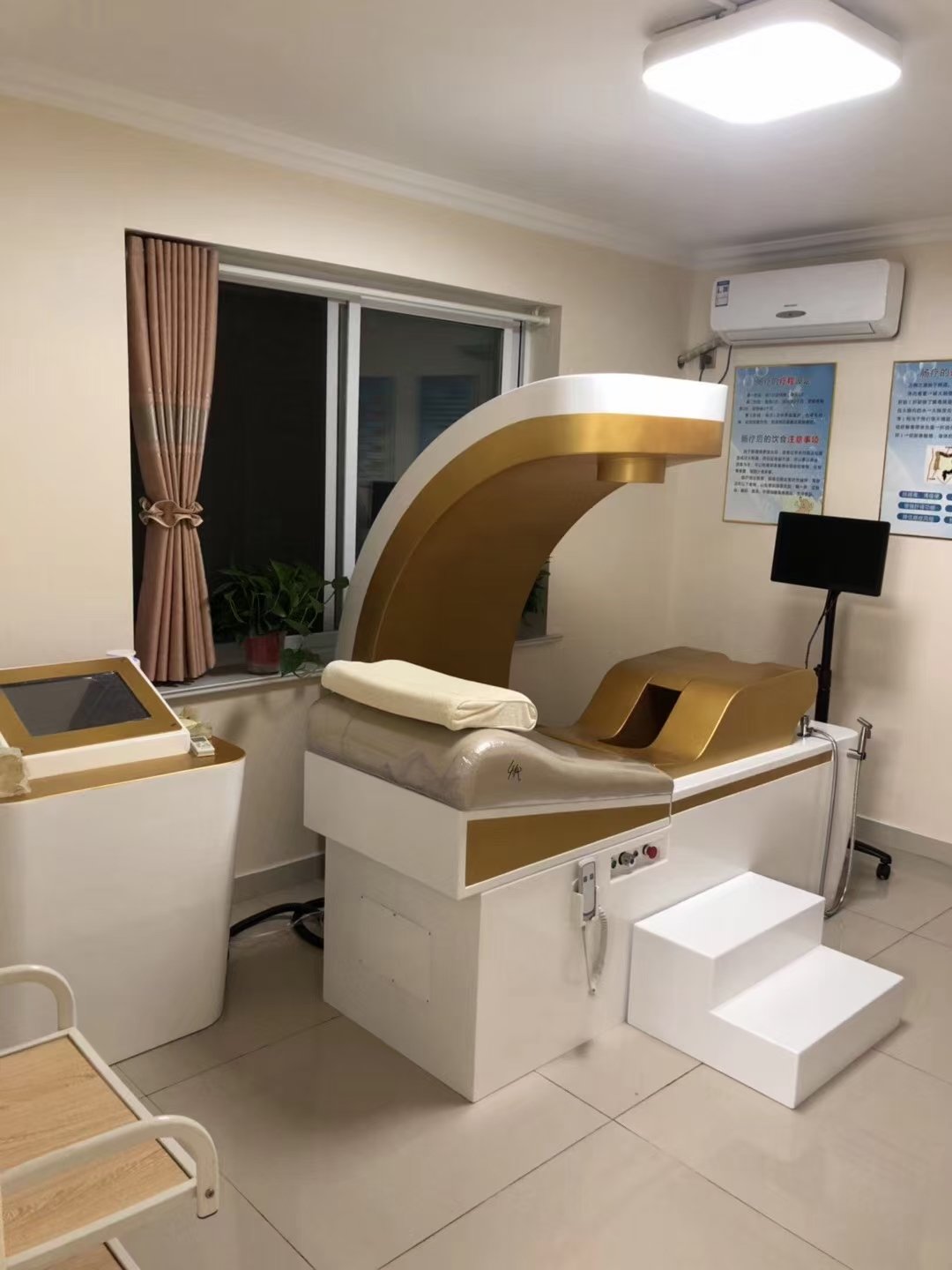
The foundation of colon hydrotherapy lies in controlled water temperature and pressure delivery. A quality system maintains water at precisely 37°C throughout the entire treatment. This body temperature prevents shock to the intestinal system and ensures patient comfort. Systems that fluctuate even two degrees can cause cramping and discomfort.
Water pressure control separates professional equipment from consumer-grade devices. The best machines offer adjustable flow rates from 0 to 1.5 liters per minute. This range allows therapists to customize treatment based on patient sensitivity and treatment phase. Too much pressure risks intestinal damage. Too little pressure delivers ineffective cleansing.
Essential System Components
Professional colon hydrotherapy systems consist of several critical components. The water purification system removes chlorine, heavy metals, and bacteria before water enters the body. Multi-stage filtration with UV sterilization represents the current standard. Some older systems rely only on basic carbon filters, which miss many contaminants.
Temperature Control Systems
Precision heating maintains constant 37°C water delivery throughout 45-minute sessions. Advanced systems use real-time monitoring with automatic adjustments.
- Digital temperature displays accurate to 0.1°C
- Automatic shutoff if temperature exceeds safe range
- Pre-heating reduces wait time between clients
- Insulated water tanks maintain temperature
Water Filtration Technology
Multi-stage purification removes contaminants and ensures hygienic treatment. Systems should filter water immediately before each session.
- Sediment filters remove particles above 5 microns
- Carbon filtration eliminates chlorine and odors
- UV sterilization kills bacteria and viruses
- Replaceable filter cartridges with usage tracking
Pressure Management
Peristaltic pump systems deliver controlled, gentle water flow. Therapists adjust pressure based on patient tolerance and treatment goals.
- Variable flow rates from 0 to 1.5 L/min
- Pressure gauges display real-time measurements
- Emergency stop buttons accessible to patient
- Automatic pressure limiting prevents over-pressurization
Waste Management
Closed systems provide dignity and hygiene. Transparent viewing chambers let therapists monitor effectiveness without patient embarrassment.
- Odor-sealed waste disposal tubes
- Clear viewing sections show elimination
- Self-cleaning cycles between patients
- Direct connection to facility plumbing

Open vs. Closed System Technologies
The debate between open and closed colon hydrotherapy systems continues among practitioners. Closed systems, also called professional colonic machines, use a small rectal nozzle and enclosed waste tubing. Patients lie comfortably while therapists control the entire process. This design offers more control and typically faster, more thorough cleansing.
Open systems use a larger rectal nozzle with an open basin. Patients can control water flow themselves in some designs. These systems appeal to those who value privacy and independence during treatment. However, they typically deliver less effective cleansing and require more patient involvement.
| Feature | Closed System | Open System |
| Therapist Control | Full control of pressure and temperature | Limited control, patient-operated |
| Treatment Depth | Reaches entire colon length | Primarily lower colon |
| Session Duration | 30-45 minutes average | 45-60 minutes average |
| Patient Privacy | Therapist present throughout | Patient can be alone |
| Effectiveness Rating | Higher volume water delivery | Lower volume, gentler |
| Price Range | $8,000 – $18,000 | $4,000 – $12,000 |
Most established wellness centers prefer closed systems for consistent results. The LIBBE colonic machine represents a popular hybrid approach, combining elements of both designs. For commercial practices serving multiple clients daily, closed systems offer better throughput and more predictable outcomes.
Work Directly with MAIKONG Manufacturing
Cut equipment costs by 30-40% compared to US resellers. As a factory-direct manufacturer in SZ, GD, we eliminate middleman markup while providing superior support for US buyers.
Key Selection Criteria: How to Choose the Best Colonic Machine for Your Practice
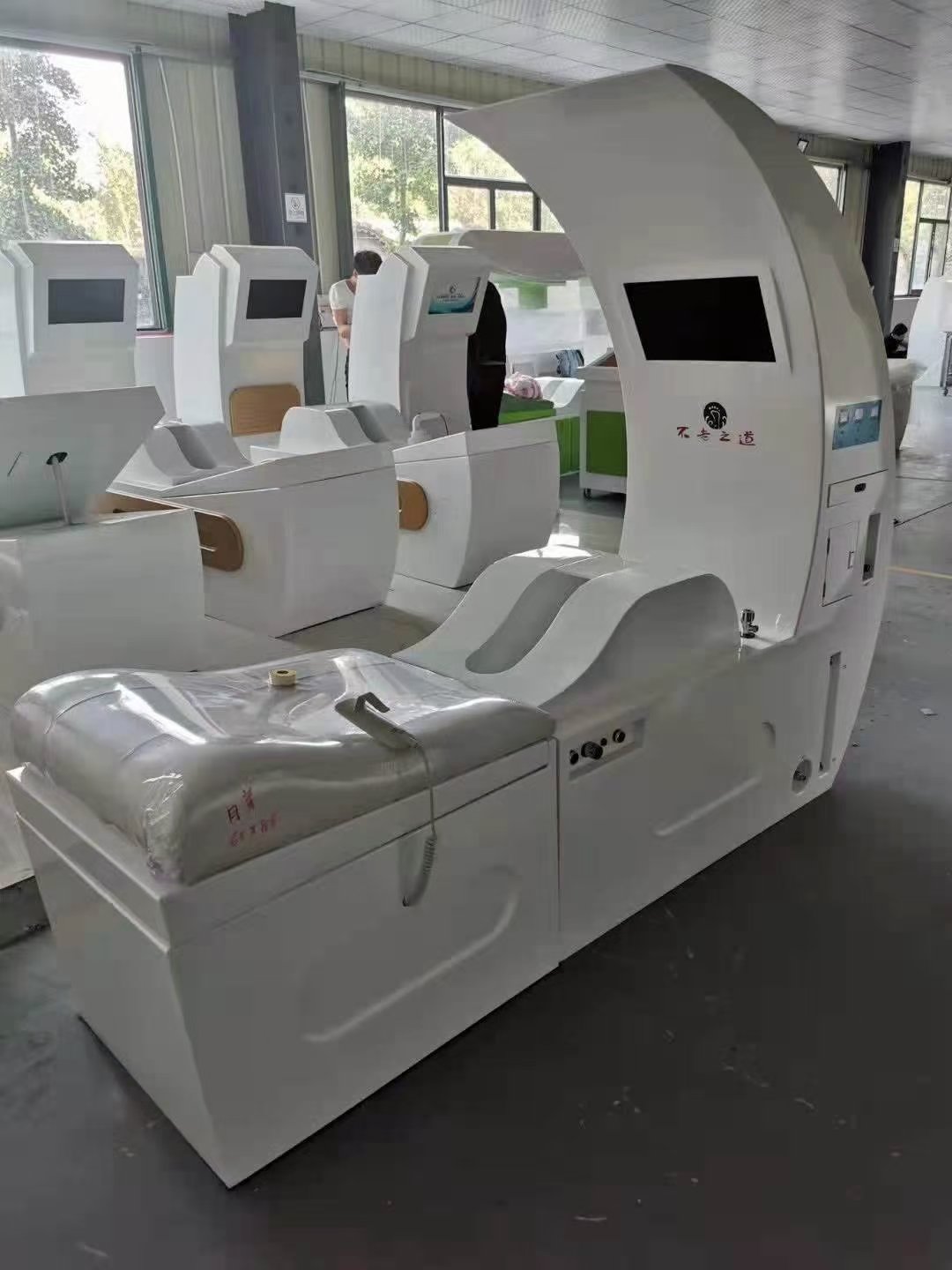
Selecting equipment requires balancing clinical effectiveness with business economics. The right choice depends on your patient volume, facility size, budget constraints, and service model. A solo practitioner has different needs than a high-volume medical spa.
Patient Volume and Throughput Capacity
Equipment durability correlates directly with expected usage. Machines designed for residential use fail quickly under commercial demands. Professional-grade systems handle eight to twelve sessions daily without degradation. Check the manufacturer’s rated continuous operation time.
Treatment turnaround time matters for busy practices. Systems with automatic cleaning cycles between patients save 10-15 minutes per changeover. This efficiency can add two extra appointments daily in a full schedule. Over a year, that represents significant revenue.
- Calculate daily patient capacity based on 45-minute sessions plus 15-minute cleanup
- Choose systems rated for continuous 8-hour operation minimum
- Verify warranty coverage extends to commercial usage levels
- Consider backup equipment for high-volume facilities to prevent revenue loss during repairs
Space Requirements and Installation
Standard colon hydrotherapy machines need 250-350 square feet of treatment space. This includes room for the equipment, patient chair, therapist workstation, and adequate clearance. Compact models exist but may sacrifice features or patient comfort.
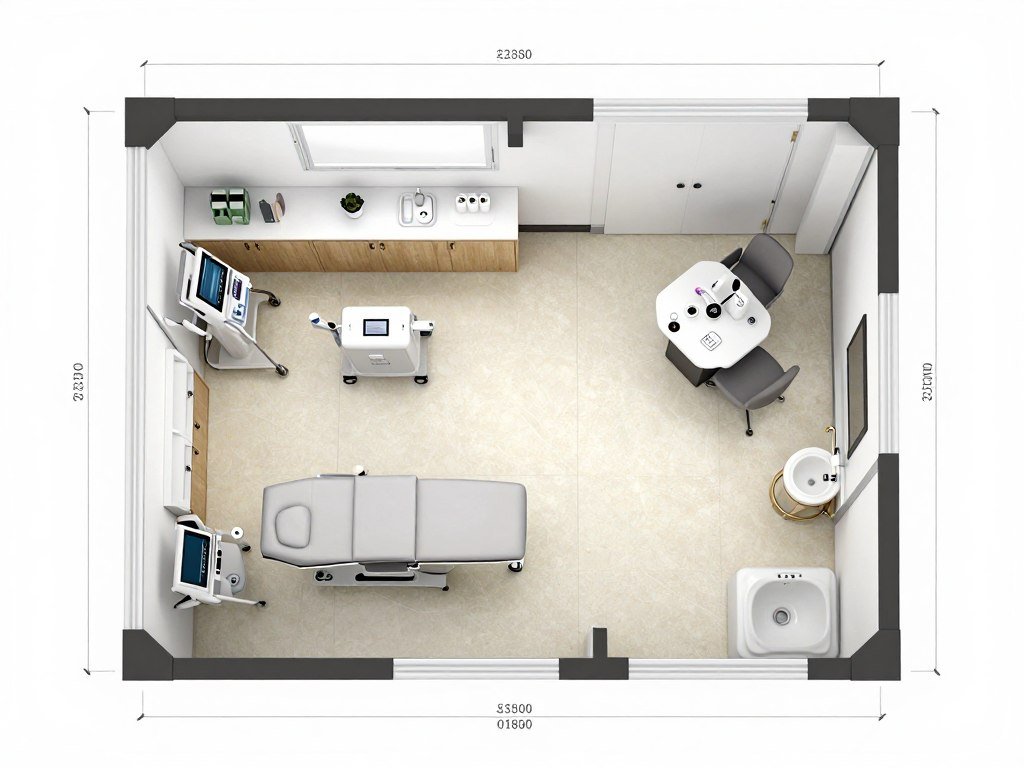
Plumbing requirements vary by system. Most need hot and cold water supply lines, drain connections, and electrical service. Some models require specialized plumbing for waste disposal. Budget $1,500-$3,500 for professional installation unless you have in-house capabilities.
Benefits of Portable Systems
- Move between treatment rooms as needed
- Lower installation costs with simple connections
- Easier facility relocation if you move practices
- Can serve mobile or home-visit clients
Limitations of Portable Systems
- Generally less powerful than fixed installations
- Smaller water tanks require mid-session refills
- Less professional appearance for upscale spas
- May not meet commercial-grade durability standards
Budget Considerations Beyond Purchase Price
Initial equipment cost represents only part of total ownership expense. Smart buyers calculate five-year total cost including maintenance, supplies, repairs, and upgrades. A $10,000 machine with $3,000 annual operating costs exceeds a $15,000 unit with $1,000 yearly expenses over five years.
| Cost Category | Annual Estimate | 5-Year Total | Notes |
| Replacement Filters | $400 – $800 | $2,000 – $4,000 | Change every 500-1000 sessions |
| Disposable Supplies | $1,200 – $2,400 | $6,000 – $12,000 | Speculums, tubing at $3-6 per session |
| Preventive Maintenance | $500 – $1,200 | $2,500 – $6,000 | Annual service checks recommended |
| Repairs and Parts | $300 – $1,500 | $1,500 – $7,500 | Varies by equipment quality and usage |
| Electricity and Water | $600 – $1,000 | $3,000 – $5,000 | Based on 8-10 sessions daily |
| Total Operating Costs | $3,000 – $6,900 | $15,000 – $34,500 | Excludes labor and facility costs |
Equipment financing affects cash flow differently than outright purchase. Many medical equipment lenders offer terms from 24 to 60 months. Interest rates typically range from 6% to 12% depending on credit quality. A $12,000 system financed at 8% over 48 months costs roughly $293 monthly.
Certification and Compliance Requirements
Operating a colon hydrotherapy practice involves navigating various regulatory requirements. Equipment certifications demonstrate safety testing and manufacturing quality. They also protect you from liability issues.
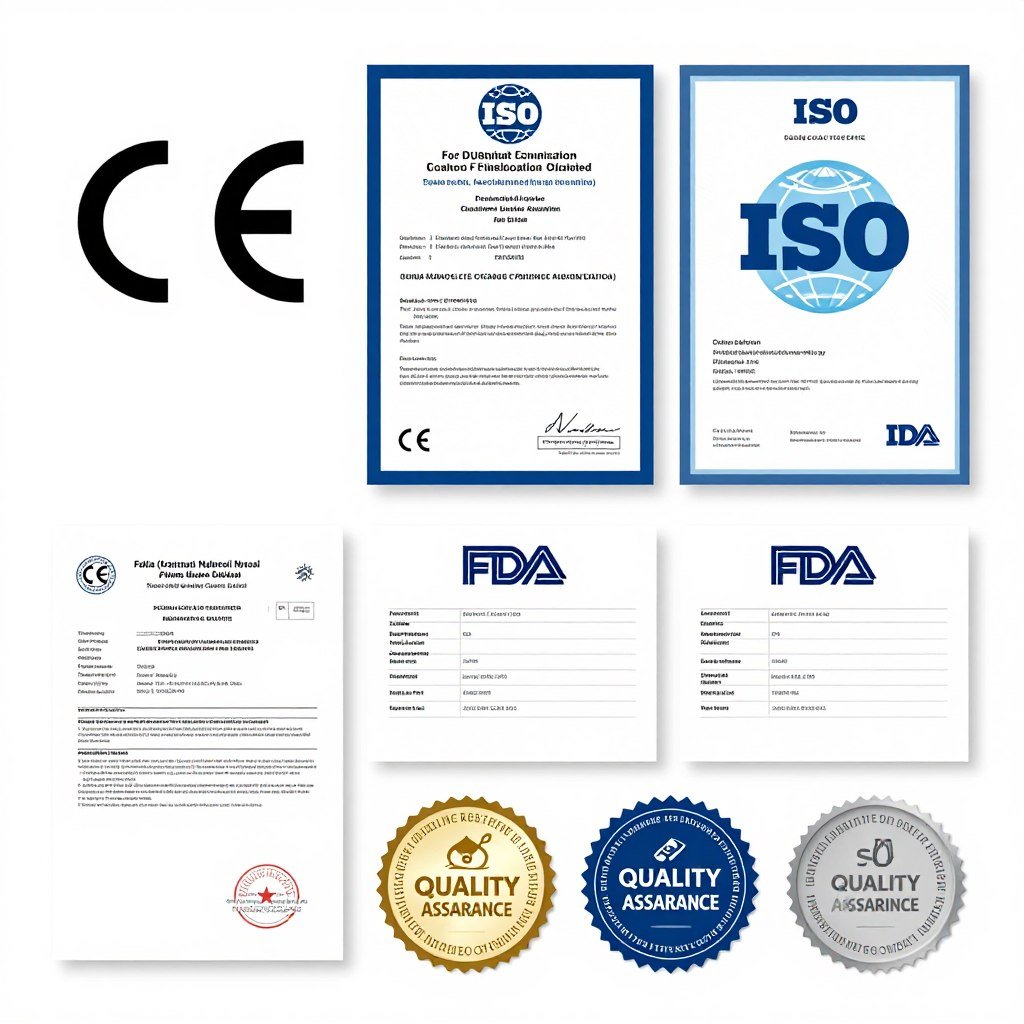
CE marking indicates European safety standards compliance. This certification requires rigorous testing of electrical safety, electromagnetic compatibility, and biocompatibility. While not legally required in the US, CE certification demonstrates commitment to international quality standards.
FDA registration differs from FDA approval. The FDA classifies colon hydrotherapy equipment as Class I medical devices. Manufacturers must register facilities and list devices but don’t need pre-market approval. However, equipment must still meet general safety requirements and good manufacturing practices.
ISO certification validates manufacturing quality management systems. ISO 13485 specifically applies to medical device manufacturers. This certification ensures consistent production standards, traceability, and quality control. When evaluating a colonic machine manufacturer supplier, ISO certification indicates serious commitment to quality.
- Request copies of all applicable certifications before purchase
- Verify certification numbers with issuing bodies
- Confirm certifications cover the specific model you’re buying
- Ask about recertification schedules and ongoing compliance
- Check if your professional liability insurance requires specific certifications
State regulations vary significantly. Some states classify colon hydrotherapy as a medical procedure requiring practitioner licensing. Others allow practice by certified hydrotherapists without medical credentials. Check your state’s health department regulations before investing in equipment. The International Association for Colon Hydrotherapy maintains current regulatory information for all states.
Questions about FDA registration or CE certification requirements?
Our US support team responds within 4 hours via WhatsApp or call
Comparing Leading Models: Best Colonic Machine Options for US Buyers
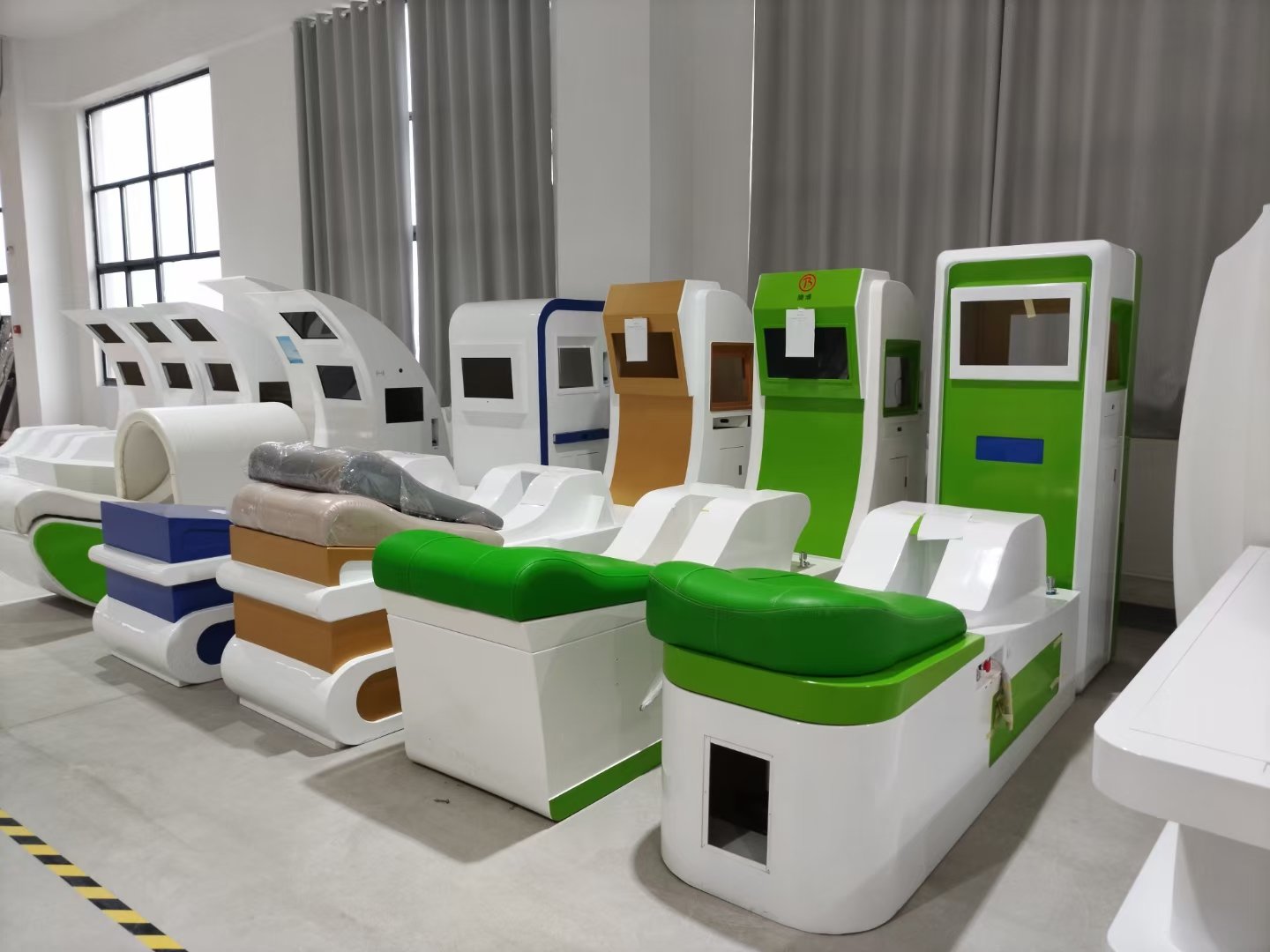
The market offers equipment at vastly different price points and capability levels. Understanding what distinguishes premium models from budget options helps you make informed decisions. Not every practice needs the most expensive system, but cutting corners on essential features creates problems.
Professional-Grade Closed Systems
Top-tier closed systems dominate established wellness centers and medical practices. These machines offer comprehensive control, durability for high-volume use, and features that enhance both results and patient experience.
The Dotolo colonic machine has served as an industry standard for over thirty years. Known for reliability and straightforward operation, Dotolo systems appeal to practitioners who prioritize proven performance over cutting-edge features. These units typically cost $12,000-$16,000 new.
MAIKONG manufacturing produces the MK-880 model specifically for commercial applications. This system delivers professional-grade performance at factory-direct pricing. The 160kg unit features automatic temperature control, peristaltic pump with adjustable flow, and an external water purification system with automatic tube cleaning.
| Specification | MAIKONG MK-880 | Typical US Brand | Advantage |
| Water Tank Capacity | 10 liters | 8 liters | Fewer refills during sessions |
| Temperature Range | 30-40°C adjustable | Fixed 37°C | Customizable patient comfort |
| Continuous Operation | 8 hours rated | 6 hours typical | Full-day scheduling capability |
| Machine Noise Level | <65dB | 70-75dB | Quieter, more relaxing environment |
| Dimensions | 1720×2500×690mm | Similar footprint | Comparable space requirements |
| Power Consumption | 2KW | 2.5-3KW | Lower operating costs |
| Warranty Period | 3 years comprehensive | 1-2 years parts only | Extended protection period |
| Price Range | $8,500-$10,500 | $13,000-$18,000 | 30-40% cost savings |
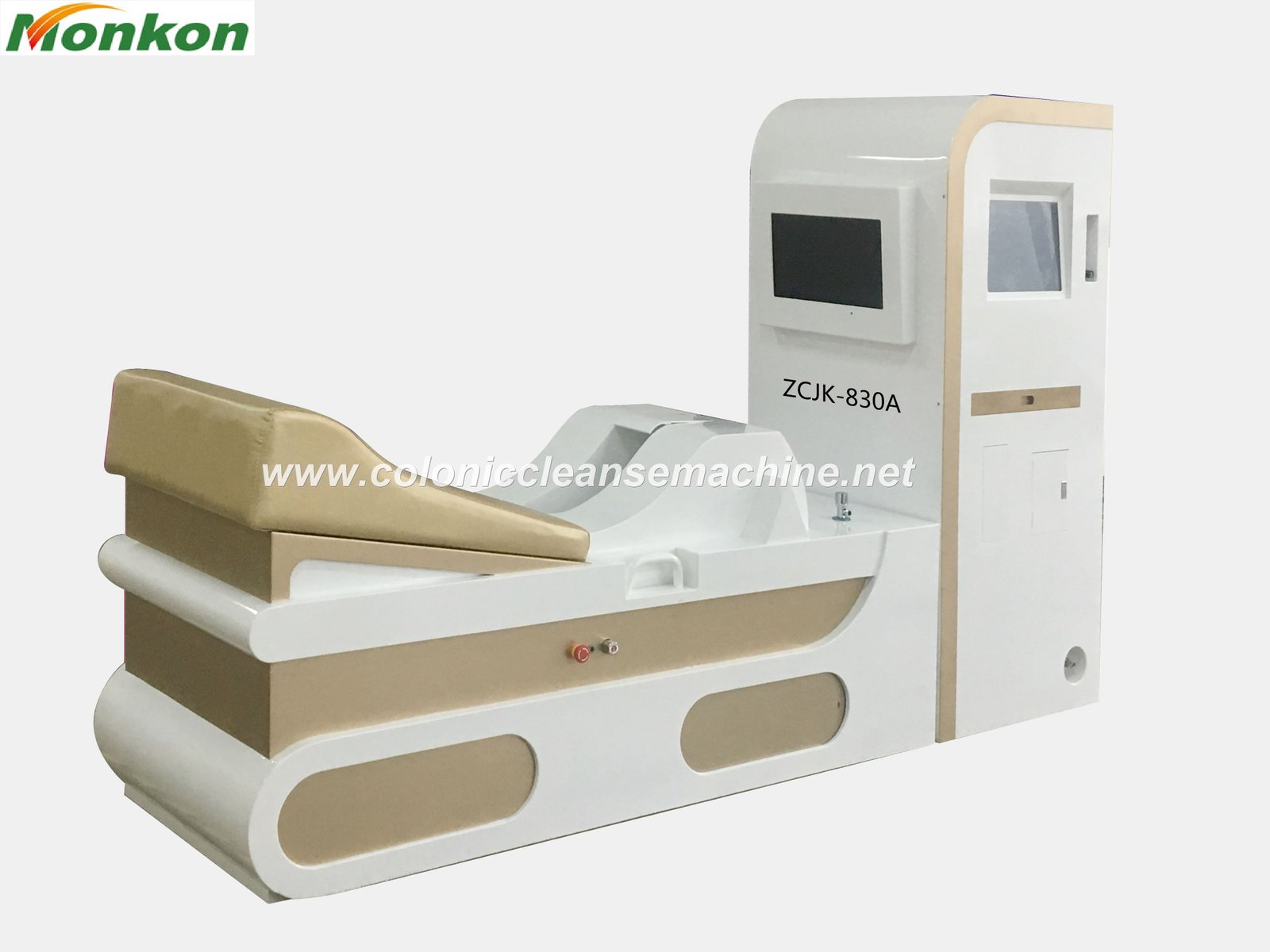
The Angel of Water colonic machine represents another popular choice among US practitioners. This system emphasizes user-friendly operation with touchscreen controls and preset treatment programs. Price points typically fall between $11,000-$14,000 depending on configuration.
Mid-Range and Hybrid Systems
Hybrid systems blend features from both open and closed designs. The LIBBE system pioneered this approach, creating what many consider an ideal balance of patient comfort and therapeutic effectiveness.
These systems typically use a slim rectal nozzle like closed systems but allow patients more control over the process. A basin-style chair provides visibility similar to open systems while maintaining the benefits of controlled water pressure and temperature.
- Prices range from $8,000 to $13,000 for quality hybrid systems
- Popular among practitioners transitioning from open to closed systems
- Appeals to patients who want privacy with professional oversight available
- Slightly longer treatment times compared to pure closed systems
- Good option for practices serving mixed clientele with varying comfort levels
The Hydro San colonic machine exemplifies quality mid-range equipment. These units deliver reliable performance for practices serving 5-8 clients daily. They lack some advanced features of premium systems but cover all essential functions.
Specialized and Portable Options
Some practitioners need equipment flexibility for mobile services or multiple treatment locations. Portable systems sacrifice some performance for convenience and lower cost.

Quality portable units range from $5,000 to $9,000. They work well for practitioners building a client base before investing in fixed installations. However, these systems typically handle only 3-5 sessions daily and may require more frequent maintenance.
Home-use systems represent the budget end of the spectrum at $3,000-$6,000. These lack the durability and features for commercial practice. They appeal to individuals wanting personal equipment but don’t meet commercial needs.
Feature Comparison: What Actually Matters
Marketing materials emphasize various features with impressive-sounding names. Some genuinely improve outcomes or operation. Others add cost without meaningful benefit. Here’s what actually matters based on feedback from hundreds of practicing therapists.
Essential Features Worth Paying For
- Automatic temperature regulation: Maintains consistent 37°C without manual monitoring
- Peristaltic pump system: Delivers gentle, controlled pressure versus simple gravity flow
- Multi-stage water filtration: UV sterilization plus carbon and sediment filters
- Clear viewing chamber: Allows patient and therapist to monitor effectiveness
- Automatic safety shutoffs: Prevents over-pressure or temperature extremes
- Self-cleaning cycles: Reduces turnaround time between patients
- Digital flow rate control: Precise adjustment for patient comfort
- Emergency stop accessible to patient: Critical safety feature
Nice-to-Have Features
- Touchscreen controls: Easier than buttons but not essential for function
- Pre-programmed treatment cycles: Convenient but experienced therapists customize anyway
- Usage tracking and reporting: Helpful for multi-therapist facilities
- Customizable branding panels: Professional appearance upgrade
- Integrated music system: Relaxation aid that can be added separately
- Aromatherapy integration: Modest patient experience enhancement
- LED ambient lighting: Creates spa atmosphere
- Heated patient chair: Comfort feature appreciated in colder climates
When comparing models, focus first on the essential features list. Then consider which nice-to-have features align with your practice model and patient expectations. An upscale medical spa might justify the premium for all the comfort features. A clinical practice focused purely on therapeutic outcomes might skip them.
Compare MK-880 Against Leading US Brands
See detailed side-by-side specifications, read verified customer reviews from US wellness centers, and discover why clinic owners choose MAIKONG equipment.
Evaluating Suppliers and Long-Term Support: The Hidden Factor in Equipment Success

The relationship with your equipment supplier matters as much as the machine itself. A great supplier becomes a partner in your practice success. A poor supplier creates stress, downtime, and lost revenue when problems arise.
Direct Manufacturer vs. Distributor Relationships
Buying from US distributors offers convenience but adds 30-50% markup over factory-direct pricing. Distributors provide value through local inventory, immediate shipping, and US-based support. However, they may lack deep technical knowledge and have limited ability to customize orders.
Working directly with manufacturers like MAIKONG eliminates middleman costs. You access engineering support, customization options, and better pricing on replacement parts. The tradeoff involves longer shipping times and navigating international business practices.
Direct Manufacturer Benefits
- Factory pricing saves 30-40% vs distributor markup
- Direct access to engineering for technical issues
- Customization options for OEM and private label
- Better pricing on replacement parts and consumables
- Flexibility on order quantities and configurations
- Long-term partnership opportunity for growing practices
US Distributor Benefits
- Faster shipping from domestic inventory
- Easier returns and exchanges if needed
- Local showrooms for hands-on equipment evaluation
- Established relationships with US service technicians
- Simplified payment terms and financing options
- Cultural familiarity in business communications
Many successful practices blend both approaches. They purchase initial equipment through distributors for speed and local support. Then they establish direct manufacturer relationships for expansion units, taking advantage of volume pricing and customization.
Warranty and After-Sales Support Evaluation
Warranty terms reveal manufacturer confidence in product quality. Comprehensive warranties covering parts and labor for three years indicate robust construction. Limited warranties excluding labor or covering only specific components suggest potential quality concerns.
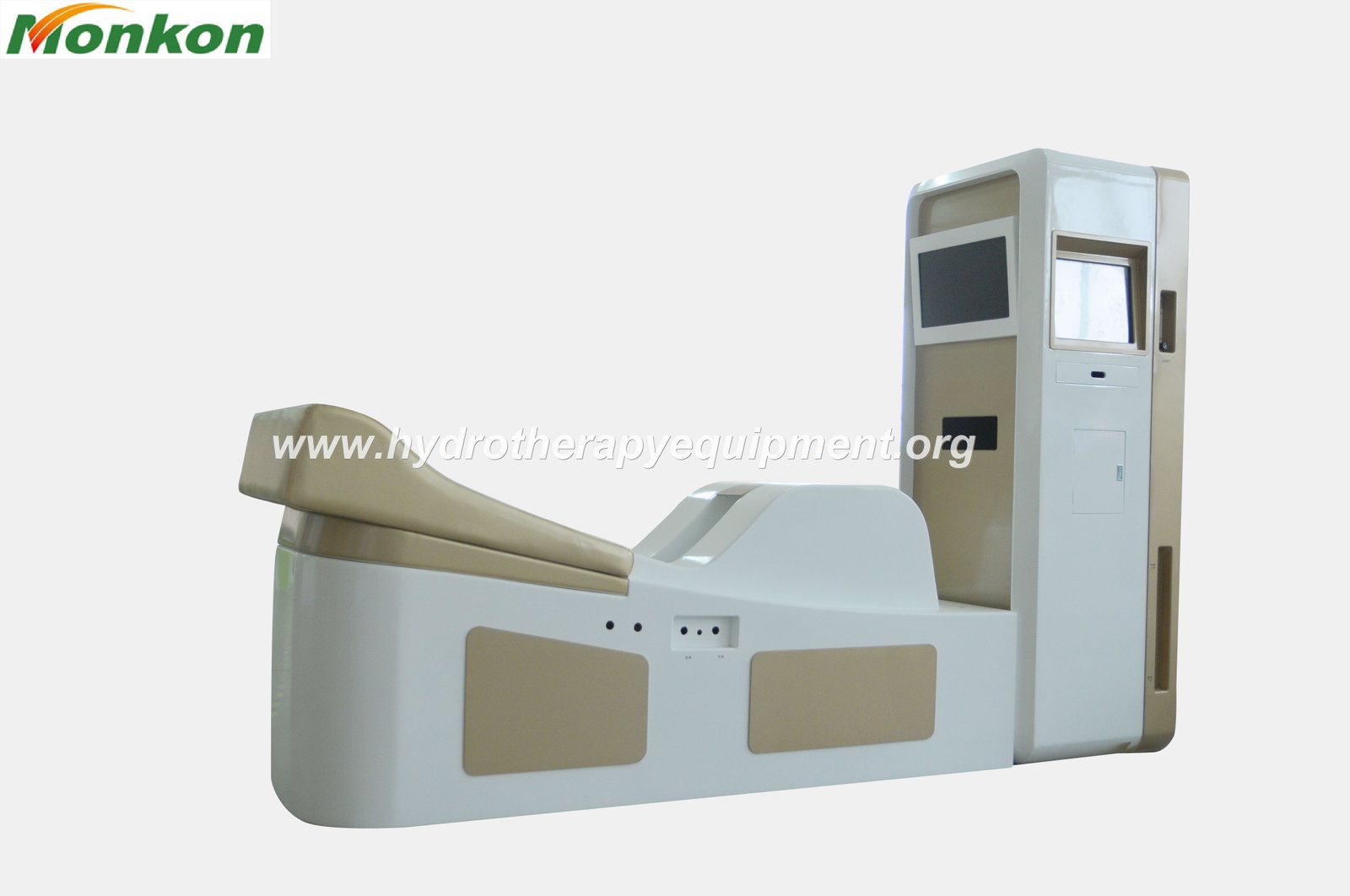
Read warranty terms carefully before purchase. Some manufacturers void coverage if you use third-party service technicians. Others require expensive annual service contracts to maintain warranty validity. These restrictions can significantly increase total ownership cost.
- Verify warranty coverage includes both parts and labor
- Confirm warranty remains valid with independent service technicians
- Ask about warranty service response times and procedures
- Check if warranty covers shipping costs for replacement parts
- Understand what actions void warranty coverage
- Request warranty service history data from other customers
After-sales support quality matters more than most buyers realize. Equipment will eventually need service. When that happens, responsive support minimizes downtime and revenue loss. A supplier who answers questions quickly and ships parts immediately earns their premium pricing.
MAIKONG provides comprehensive US support despite being based in SZ, GD. Our team responds to technical questions within four hours during US business days. We maintain parts inventory for fast shipping and offer video troubleshooting to resolve issues without service calls when possible.
Training and Documentation Quality
Proper training prevents most equipment problems. Manufacturers should provide detailed operation manuals, maintenance schedules, and troubleshooting guides. Video training resources help new staff learn faster than text manuals alone.
Some suppliers include on-site installation training with equipment purchase. A technician travels to your location, installs the system, and trains your staff. This service typically adds $1,500-$2,500 to purchase cost but prevents costly mistakes during early operation.
Documentation should cover normal operation, routine maintenance procedures, common troubleshooting, and safety protocols. Clear maintenance schedules prevent premature failures. Well-written troubleshooting guides help you resolve minor issues without expensive service calls.
Parts Availability and Replacement Costs
Equipment becomes worthless if you cannot obtain replacement parts. Before purchasing, verify parts availability and get pricing on common wear items. Some manufacturers discontinue parts for older models, forcing expensive equipment replacement.
| Component | Replacement Frequency | Typical Cost | Stock Availability |
| Water Filter Cartridge | Every 500-1000 sessions | $80-$150 | Usually in stock |
| UV Sterilization Bulb | Annually | $120-$200 | 2-week lead time |
| Peristaltic Pump Tubing | Every 2000 sessions | $60-$100 | Usually in stock |
| Temperature Sensor | Every 3-5 years | $150-$250 | 1-week lead time |
| Pressure Relief Valve | Every 4-6 years | $180-$300 | 2-week lead time |
| Control Board | Rarely (failure rate <5%) | $400-$800 | 3-week lead time |
Establishing a relationship with a reliable colonic machine manufacturer supplier ensures long-term parts availability. MAIKONG maintains parts inventory for all models produced in the last ten years. We commit to parts availability for the reasonable life of equipment, typically 8-12 years with proper maintenance.
Customization and White-Label Opportunities
Practices building a strong brand may want equipment that reflects their identity. Some manufacturers offer customization options including custom color panels, logo placement, and private labeling.
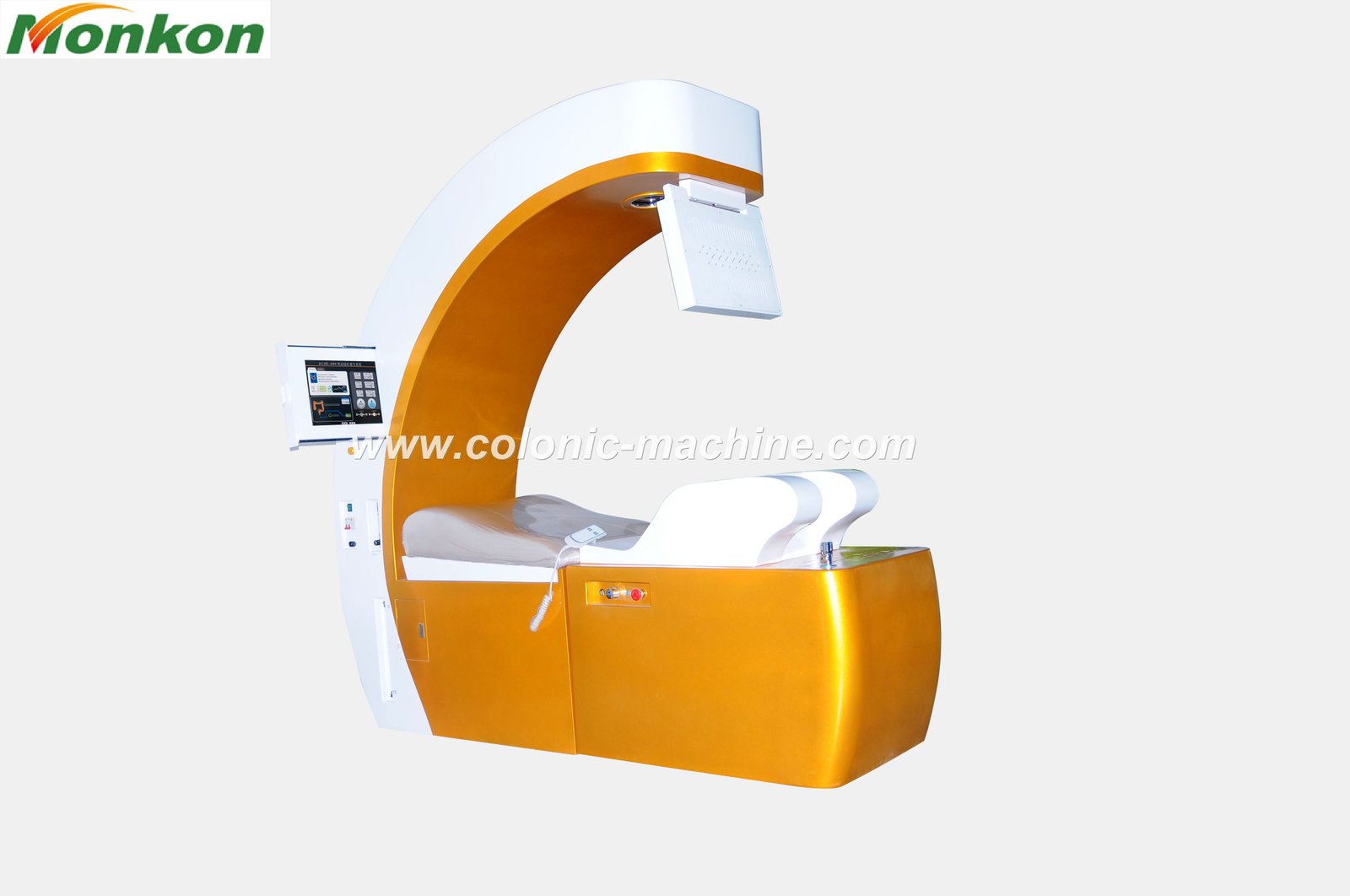
MAIKONG supports OEM and private label orders for qualified buyers. Minimum order quantities typically start at 20 units for custom branding and 30 units for complete private labeling. This option works well for equipment distributors, franchise operations, or large wellness chains.
Customization adds 4-6 weeks to standard delivery timeframes. Costs vary based on complexity but typically add 8-12% to base equipment pricing. For businesses focused on brand building, this investment reinforces professional image and marketing distinctiveness.
Discuss your specific requirements with our US partnership team:
Email: Lucy@colonicmachine.us
Making Your Investment Decision: Next Steps for US Buyers

Selecting the best colonic machine involves balancing clinical requirements, budget constraints, and long-term business goals. The right choice depends on your specific situation, not universal rankings or popularity contests.
Start by clarifying your core requirements. How many clients will you serve daily? What’s your available space? Do state regulations require specific certifications? What’s your total budget including installation and first-year supplies? Clear answers guide you toward appropriate equipment categories.
Next, research 3-5 suppliers thoroughly. Request detailed specifications, warranty terms, and references from current customers in similar practices. Actually call those references and ask about their experience, problems encountered, and how the supplier responded.
If possible, visit operating facilities using equipment you’re considering. Seeing systems in real clinical use reveals far more than showroom demonstrations. Observe the equipment during actual patient treatments. Talk with therapists about what they like and what frustrates them.
Request quotes from multiple suppliers for direct comparison. Make sure quotes include all costs: equipment, shipping, installation, initial supplies, and training. Some sellers quote attractive base prices but add substantial fees for essential services.
Working with MAIKONG: Partnership Opportunity
We’ve supported over 500 wellness centers across North America with factory-direct equipment and ongoing technical assistance. Our manufacturing facility in SZ, GD maintains ISO 13485 certification and produces equipment meeting international safety standards.
The MK-880 model represents our flagship commercial system, designed specifically for high-volume clinical use. Every unit undergoes 48-hour testing before shipment. We provide comprehensive English documentation, video training resources, and US-hours technical support.
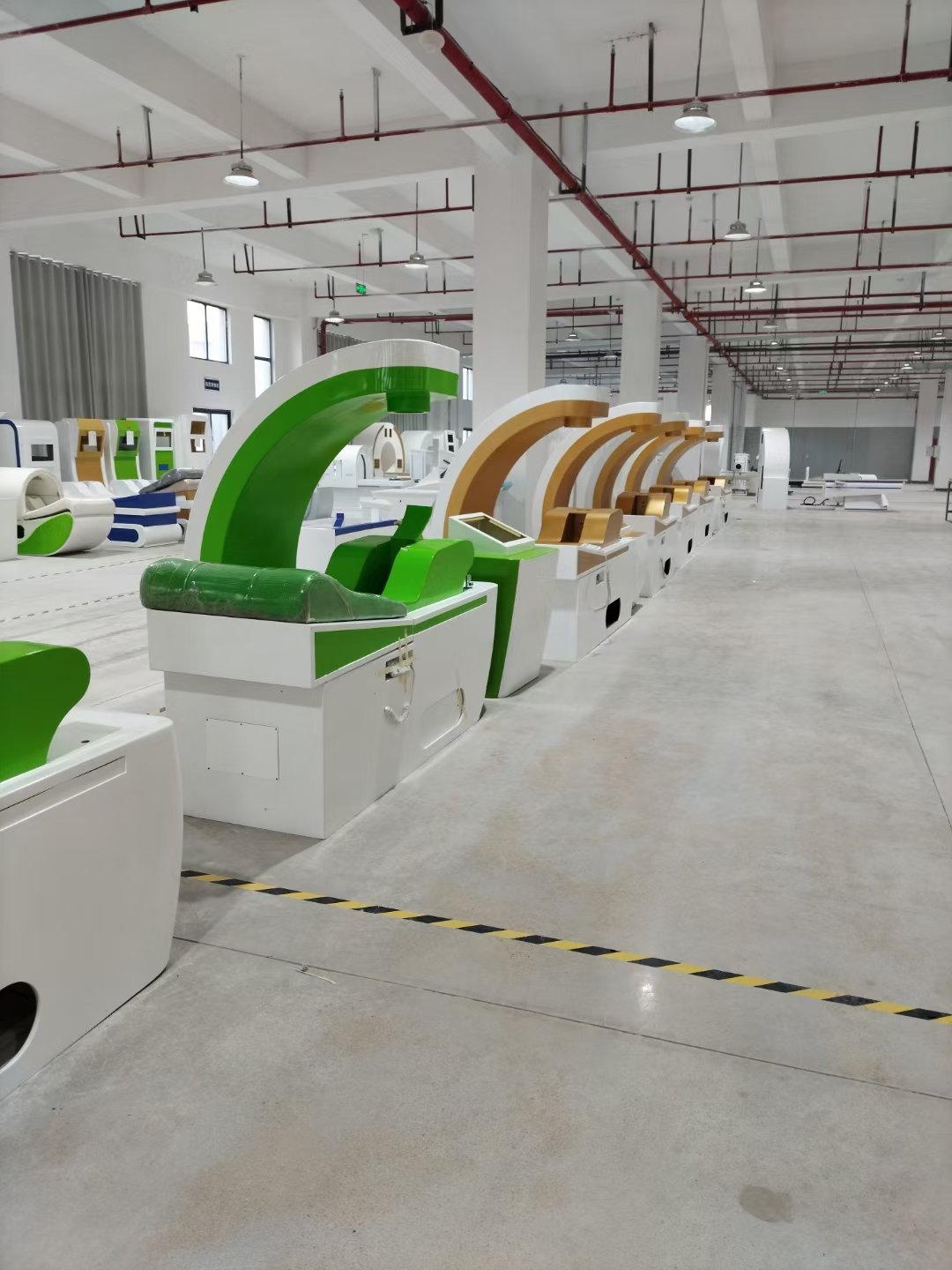
Our US partnership program offers exclusive territory opportunities for qualified distributors and high-volume buyers. Benefits include preferential pricing, marketing support, technical training, and priority parts availability. We’re currently establishing relationships with distributors in regions where we lack coverage.
Whether you need a single unit for a startup practice or multiple systems for an expanding chain, we customize solutions to your requirements. Our flexible approach accommodates various business models from independent practitioners to multi-location operations.
Join 200+ MAIKONG Distributors Across North America
Exclusive territory opportunities available for qualified partners. Access factory-direct pricing, comprehensive training, marketing support, and technical assistance. Build a sustainable equipment business with a manufacturer committed to your success.
Additional Resources and Support
We maintain comprehensive resources to support your equipment research and practice development. Visit our about MAIKONG page to learn more about our manufacturing capabilities, certifications, and company background.
Our technical library includes detailed guides on how to use colonic machines effectively, maintenance best practices, and troubleshooting common issues. These resources support both new practitioners and experienced therapists.
For pricing information and current promotions, see our colonic machine price page with transparent factory-direct rates. We update this regularly to reflect current production costs and volume discounts.
“Switching to MAIKONG equipment cut our equipment costs nearly in half while improving reliability. Their US support team responded faster than our previous domestic supplier. After two years operating five MK-880 units across our locations, we’ve had zero downtime and excellent client feedback on treatment comfort.”
The investment you make in colon hydrotherapy equipment affects your practice for years. Taking time to research thoroughly, compare options carefully, and select the right supplier pays dividends in reliability, client satisfaction, and profitability. We’re here to support your success whether you choose our equipment or another manufacturer’s products.
Ready to Move Forward?
Connect with our US partnership team to discuss your specific needs, get detailed specifications for the MK-880, or explore distributorship opportunities in your territory.