Premium Colon Hydrotherapy Machine | MAIKONG Manufacturer
About Us| Contact Us

» Colon Cleanse Benefits » colon cleanse benefits Setup Lessons from Commercial Hydrotherapy Rooms
colon cleanse benefits Setup Lessons from Commercial Hydrotherapy Rooms

Colon cleanse benefits in commercial hydrotherapy rooms depend on precise water filtration, temperature stabilization, and regulated fluid delivery rather than aggressive pressure. Professional facilities position these sessions to assist natural bowel elimination, alleviate temporary abdominal fullness, and support client hydration protocols under supervised operational workflows. Commercial success requires matching compliant equipment with rigorous hygiene standards and structured intake practices.
Selecting the appropriate hydrotherapy apparatus requires balancing room plumbing infrastructure, electrical capacity, and operator training requirements against regional commercial demand. Facility layout, waste containment engineering, and dependable manufacturer support ultimately dictate treatment consistency and long-term operating safety across wellness environments.

Understanding Colon Cleanse Benefits in Professional Hydrotherapy
Evaluating commercial hydrotherapy equipment starts with defining realistic service outcomes. While consumer marketing often highlights rapid detoxification, clinical wellness environments approach colon cleanse benefits through the lens of gentle mechanical irrigation and digestive comfort. Delivering warm, purified water into the large intestine helps soften impacted fecal matter, which encourages natural muscular peristalsis without chemical laxatives.
Professional providers avoid unsubstantiated assertions regarding disease reversal or systemic toxin purging. Legitimate practice emphasizes supportive wellness care, reporting client-perceived improvements in digestive lightness, regular bowel habits, and post-procedure relaxation. Understanding this operational distinction clarifies the primary colon cleanse benefits buyer intent for health center directors who must protect client trust and brand credibility.
Commercial facilities must separate general wellness comfort claims from diagnostic medical assertions. Clear client disclaimers preserve professional integrity and align services with local legal guidelines.
Different facilities adapt this service to complement broader integrative routines. Functional health clinics and aesthetic practices often incorporate scheduled hydration protocols alongside dietary revisions, using controlled intestinal bathing to prepare clients for comprehensive nutritional programs.
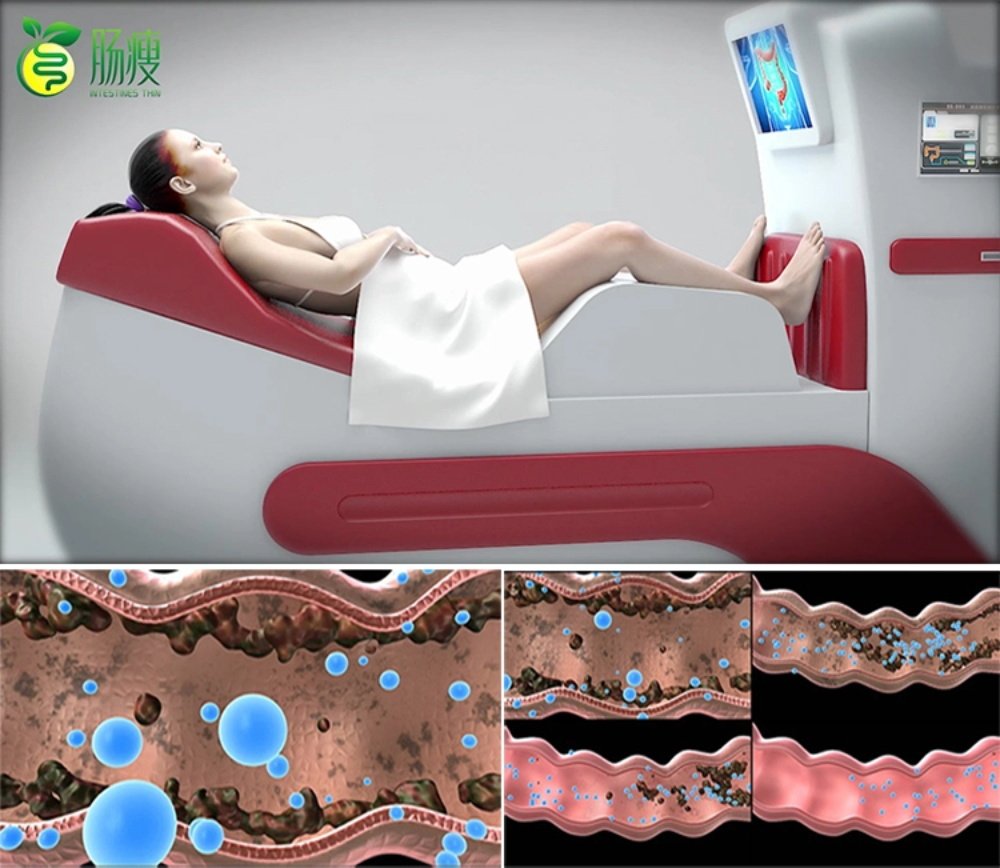
Facility Layout and Plumbing Infrastructure Lessons
Commercial treatment room design demands specialized physical planning before equipment arrives on site. Standard commercial restrooms lack the continuous high-volume drainage, backflow isolation, and thermal blending valves needed for uninterrupted hydrotherapy sessions. Proper facility engineering mitigates moisture accumulation and odor migration through dedicated mechanical ventilation systems that cycle air continuously.
Water feed lines require high-capacity filtration capable of removing sediment, chlorine, and microbial contaminants prior to thermal regulation. Installing direct waste discharge lines with adequate venting prevents back-siphoning and minimizes acoustic disruption during active drainage cycles. Operators planning capital budgets can evaluate equipment options alongside structural remodeling expenses by reviewing colonic machine price benchmarks across various hardware configurations.
- Dedicated cold and hot municipal water connections capable of maintaining consistent line pressure.
- Floor drains positioned adjacent to the treatment station to manage incidental water discharge safely.
- Water filtration arrays combining multi-stage particulate sediment reduction and carbon block purification.
- Dedicated high-volume room exhaust ducting operating independently from common reception HVAC zones.
- Isolated electrical circuits with certified ground-fault interruption protection for patient safety.

Operational Workflow and Sanitation Controls
Establishing an efficient treatment sequence protects client safety while maintaining seamless room turnover between appointments. The colon cleanse benefits operational workflow begins with thorough multi-stage water preparation, followed by temperature stabilization and gradual instillation through sterile, single-use specula. Regulating water delivery at approximately 37 degrees Celsius helps prevent abdominal cramping while gently stimulating bowel evacuation.
Automated equipment designs assist therapists by monitoring real-time line pressure and flow velocity throughout the session. Once the irrigation phase concludes, operators initiate automated cycle cleaning to flush internal plumbing lines with hospital-grade sanitizing agents. Practitioners interested in proper mechanical execution can consult technical documentation outlining how to use colonic machine systems correctly during live client sessions.
- Filter incoming water and initiate thermal balancing to achieve a steady physiological temperature.
- Administer purified water into the intestinal tract using gentle gravity or low-pressure peristaltic delivery.
- Facilitate waste suspension and dilution to encourage natural muscular evacuation through closed waste plumbing.
- Run internal line sanitation cycles and disinfect all external touch surfaces between scheduled client visits.

Integrating Hydrotherapy Services into Wellness Centers
Adding colon hydrotherapy expands service diversity for established spas and personal care retreats. Implementing colon cleanse benefits for SPA businesses requires distinct acoustic buffering, private ensuite restroom facilities, and discrete treatment staging areas. Providing comfortable recovery lounges with herbal teas and mineral electrolyte broths elevates the client experience from a clinical procedure to an integrative wellness retreat.
Spa directors evaluate room utilization rates and scheduling cadence to maximize treatment square footage. Because sessions typically span forty-five to sixty minutes, efficient turnover sanitation protocols preserve overall booking availability throughout peak business hours. Selecting the best colonic machine configuration depends on whether the spa favors fully assisted clinical closed systems or therapist-monitored semi-private suites.
Assisted Closed-System Services
Closed-system devices direct waste through enclosed viewing lines, allowing licensed therapists to guide fluid flow, abdominal massage, and temperature adjustments continuously.
Independent Open-Basin Services
Open-basin installations provide clients greater physical privacy during natural evacuation cycles while maintaining trained staff monitoring from an adjoining control console.

Regulatory Compliance and Local Market Adaptation
Operating a commercial hydrotherapy practice requires thorough alignment with jurisdictional statutes and municipal business licensing boards. Across the United States, regulatory frameworks governing colon hydrotherapy vary widely from state to state. Certain regions require professional medical supervision or registered nursing credentials, whereas other jurisdictions recognize independent colon hydrotherapy board certifications.
Assessing the colon cleanse benefits local market dynamic allows entrepreneurs to set viable pricing structures and define appropriate target demographics. High-density metropolitan centers often support premium wellness pricing, while suburban locations frequently benefit from packaged digestive health memberships. Wellness clinic directors researching regional market entries can examine hardware compliant with domestic electrical codes by investigating colonic machine usa equipment standards.
Local municipal codes frequently classify colon hydrotherapy devices under specific plumbing and medical apparatus categories. Always verify local board of health ordinances before completing capital equipment acquisitions.

Professional Operator Training and Intake Standards
Comprehensive staff education serves as the primary safeguard against procedural discomfort and equipment mishandling. Investing in structured colon cleanse benefits operator training familiarizes therapists with intestinal anatomy, contraindication screening, and immediate pressure management responses. Thorough pre-service intake questionnaires help identify past abdominal surgeries, active diverticulitis, or cardiac irregularities that preclude treatment.
Standardized communication protocols enable therapists to guide clients through relaxation breathing techniques during fluid instillation phases. Managing gentle abdominal palpation while monitoring machine diagnostic panels helps maintain comfortable, low-pressure operation throughout the treatment window. Facilities investing in comprehensive staff capability review dedicated colonic machine hardware equipped with clear pressure readout dials and automatic thermal shutoff sensors.
Standard Intake Approvals
- History of occasional mild constipation or bloating.
- Preparation protocols for supervised dietary resets.
- Clear digestive clearance from primary wellness providers.
Absolute Contraindications
- Active inflammatory bowel conditions such as severe colitis.
- Recent gastrointestinal surgeries or structural intestinal lesions.
- Severe cardiac conditions, aneurysms, or unmonitored renal impairment.

Commercial System Specifications and Supplier Comparison
Comparing commercial hydrotherapy hardware requires analyzing manufacturing build quality, plumbing integration tolerances, and component stability. From our factory in SZ, GD, MAIKONG delivers commercial hydrotherapy solutions engineered for dependable operation across busy wellness practices. Evaluating a supplier from a balanced colon cleanse benefits comparison angle involves scrutinizing filtration longevity, thermal precision, and access to replacement consumable lines.
Our flagship commercial model MK-880 combines automated touch-screen monitoring with precision peristaltic fluid delivery to support steady operational workflows. Below are the standard operational parameters and packaging specifications for the MK-880 commercial configuration.
| Parameter | Specification | Operational Scope |
| Model Number | MK-880 | Commercial hydrotherapy platform |
| Water Reservoir | 10 Liters | Buffer reservoir for rapid thermal regulation |
| Solution Tank | 500 Milliliters | Auxiliary retention cup for infusion liquids |
| Solution Output | 1 to 10 Seconds | Adjustable metering cycle for infusions |
| Temperature Range | 30 to 40 C | Precision thermostat stabilized at 37 C |
| Operating Noise | Under 65 dB | Quiet mechanical operation for calm suites |
| Duty Cycle | 8 Hours | Continuous operational rating per shift |
| Power Supply | 220V 50Hz 2kW | Dedicated electrical circuit required |
| Unit Dimensions | 1720x2500x690 mm | Total footprint for treatment suite layout |
| Machine Weight | 160 Kilograms | Heavy-duty structural framework stability |
Commercial buyers must also account for logistics planning and crated freight protection. We ship equipment in reinforced wooden crates to prevent transit vibration damage, coordinating complete documentation for customs clearance. Working with a dedicated colonic machine manufacturer supplier helps facility planners coordinate delivery timelines with general contractors during facility buildouts.
| Shipping Detail | Specification | Logistical Scope |
| Selling Unit | Single Unit | Individual crate delivery per treatment suite |
| Gross Weight | 160 Kilograms | Total crated freight weight for liftgate handling |
| Packaging Type | Reinforced Wood | Fumigated export crating for maritime transport |
| Custom Branding | Available | Optional private label panel branding options |
| Dispatch Window | 5 to 7 Days | Standard factory lead time before departure |

Commercial Procurement and Installation Risk Prevention
Preventing installation delays requires structured coordination across plumbing, electrical, and general contracting teams prior to equipment arrival. Facility managers should establish verified floor load capacities, verify exact voltage availability, and pre-plumb backflow isolation assemblies. Resolving infrastructure hurdles early minimizes costly business delays and prevents premature scheduling cancellations.
Procurement teams exploring commercial colonic machine for sale options should also calculate long-term operating costs beyond initial unit pricing. Factoring in single-use speculum kits, multi-stage water filter replacement intervals, sanitizing solutions, and freight destination tariffs establishes a transparent operational cost framework. Confirming these operational parameters protects facility capital reserves and supports predictable operating margins.
Request complete site planning diagrams from the manufacturer before commencing room drywall installation. Pre-positioning wall rough-ins and waste drops saves significant remodeling expense.

Frequently Asked Questions
What is your minimum order quantity for commercial equipment?
Our minimum order quantity is one complete set, allowing wellness centers and clinic owners to order single units for individual treatment suites or initial facility evaluation.
Can commercial facilities order a sample unit to test quality?
Sample unit orders are welcomed to test engineering construction, operational controls, and interface performance before completing multi-unit facility purchases.
What is the standard production lead time for orders?
Sample units typically prepare within one to three days, while standard commercial production orders require approximately five to ten days prior to export departure.
What warranty and after-sales service policy applies to equipment?
Commercial equipment includes manufacturer warranty support alongside online technical assistance, and specific coverage terms should be verified in the written sales agreement before ordering.
Which quality certifications accompany the hydrotherapy units?
Manufacturing processes comply with CE standards, and additional testing documentation such as ISO or SGS can be coordinated according to destination regulatory requirements.
What transportation solutions exist for delivery to facility locations?
Door-to-door freight arrangements are coordinated through sea cargo, air freight, or express courier, delivering directly to commercial facility addresses.
What payment terms and custom branding options are supported?
We accept standard commercial bank transfers, letters of credit, and provide custom logo printing and exterior panel customization based on project specifications.
Establishing a Commercial Colon Hydrotherapy Service
Launching a dedicated colon hydrotherapy suite requires harmonizing precision engineering, rigorous plumbing infrastructure, and standardized operator safety training. By establishing transparent client communication, maintaining sanitary workflow sequences, and choosing durable commercial equipment, wellness practices can deliver dependable digestive wellness services. Direct factory collaboration helps facilities secure verified technical specifications, customized branding, and continuous component support.
Connect with MAIKONG for Commercial Equipment Quotations
Contact our distribution team to discuss room layout requirements, review model specifications, and explore regional commercial distributor partnerships.
Copy©2026-2027