
This guide addresses procurement concerns medical journals ignore. We examine operational workflow realities. We calculate actual costs beyond sticker prices. We identify trust signals that separate reliable manufacturers from problematic suppliers.
Your next equipment purchase impacts patient outcomes and business profitability for years ahead. Let me show you what experienced clinic owners wish they knew before their first purchase.
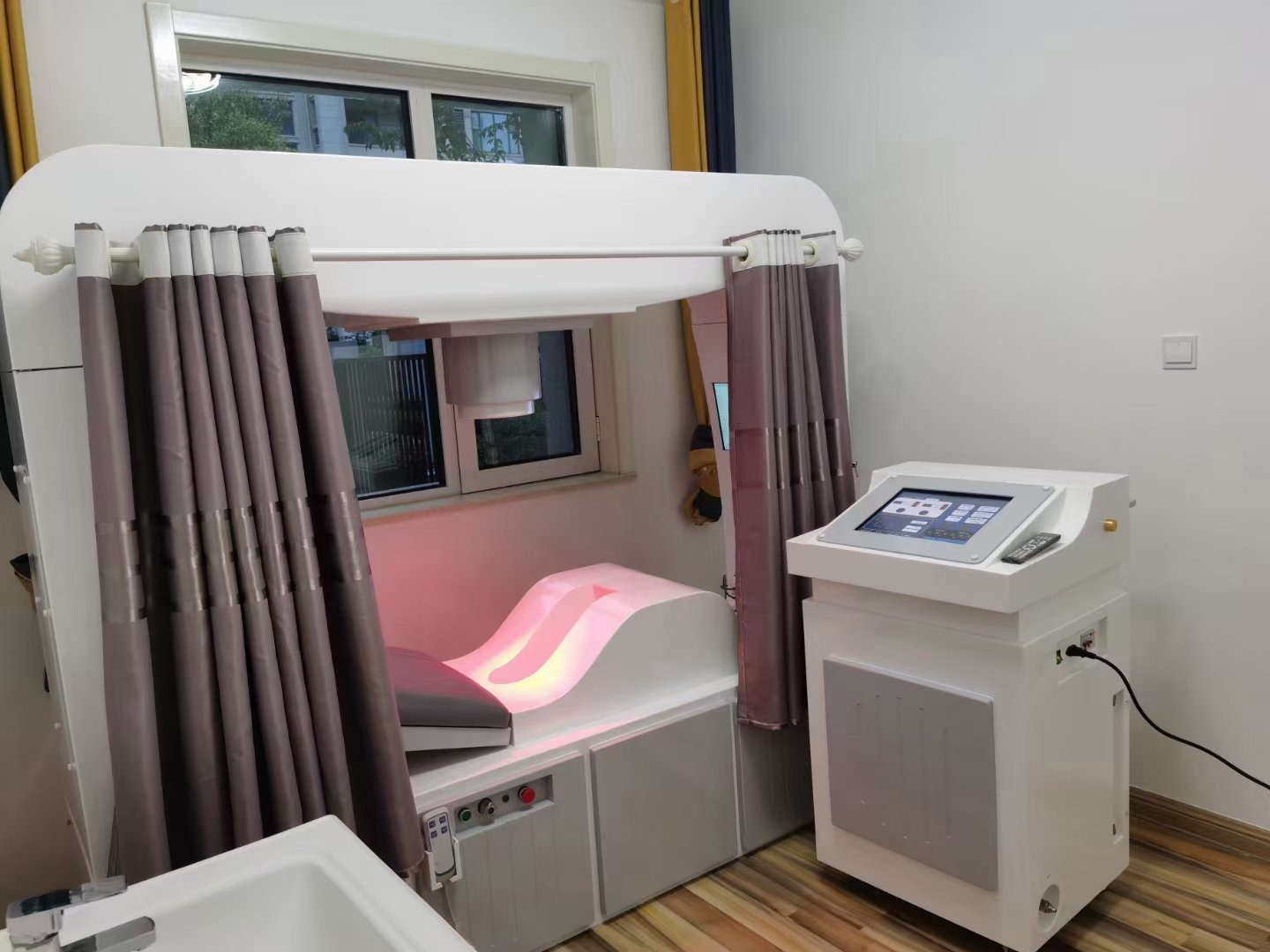
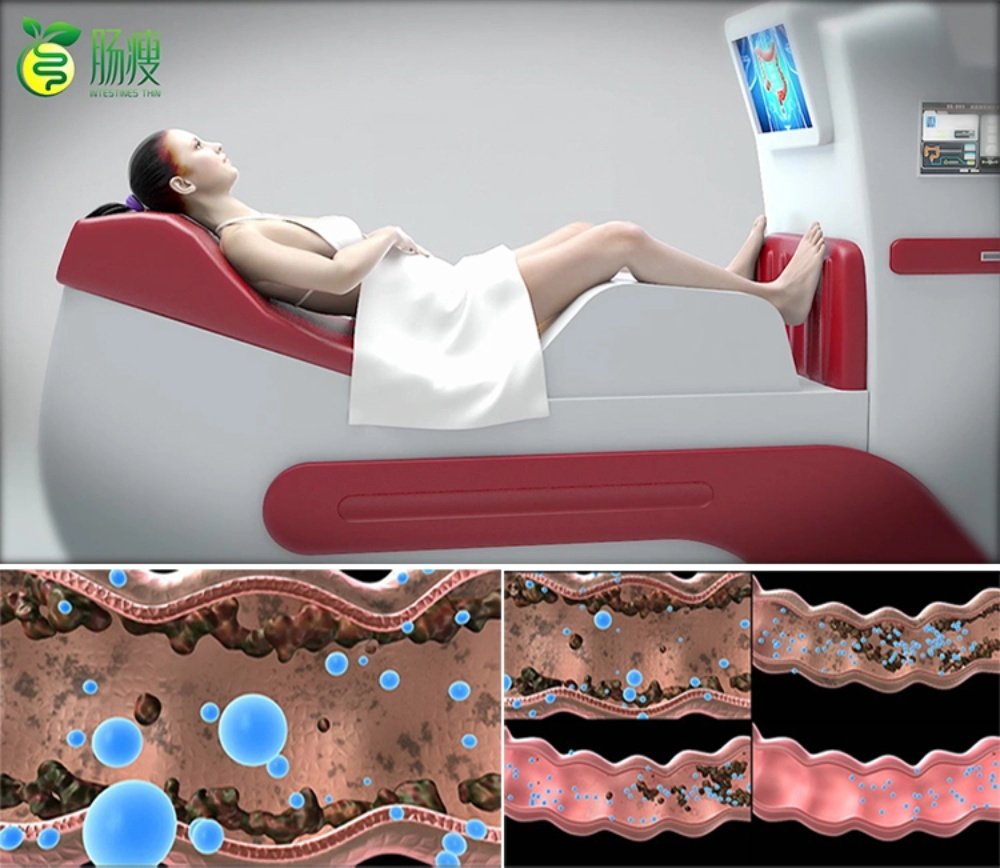
Commercial Colon Hydrotherapy Systems
Commercial colon hydrotherapy equipment differs dramatically from consumer wellness devices. Professional systems handle multiple daily sessions. They meet regulatory standards. They integrate into clinical workflows without disrupting operations.
Core System Components
Every professional system includes five critical components. Water filtration removes contaminants and protects patient safety. Temperature control maintains precise 37°C therapeutic range. Flow regulation adjusts water pressure for individual patient comfort. Waste management handles disposal with dignity and hygiene. Control interfaces allow practitioners to monitor sessions in real time.
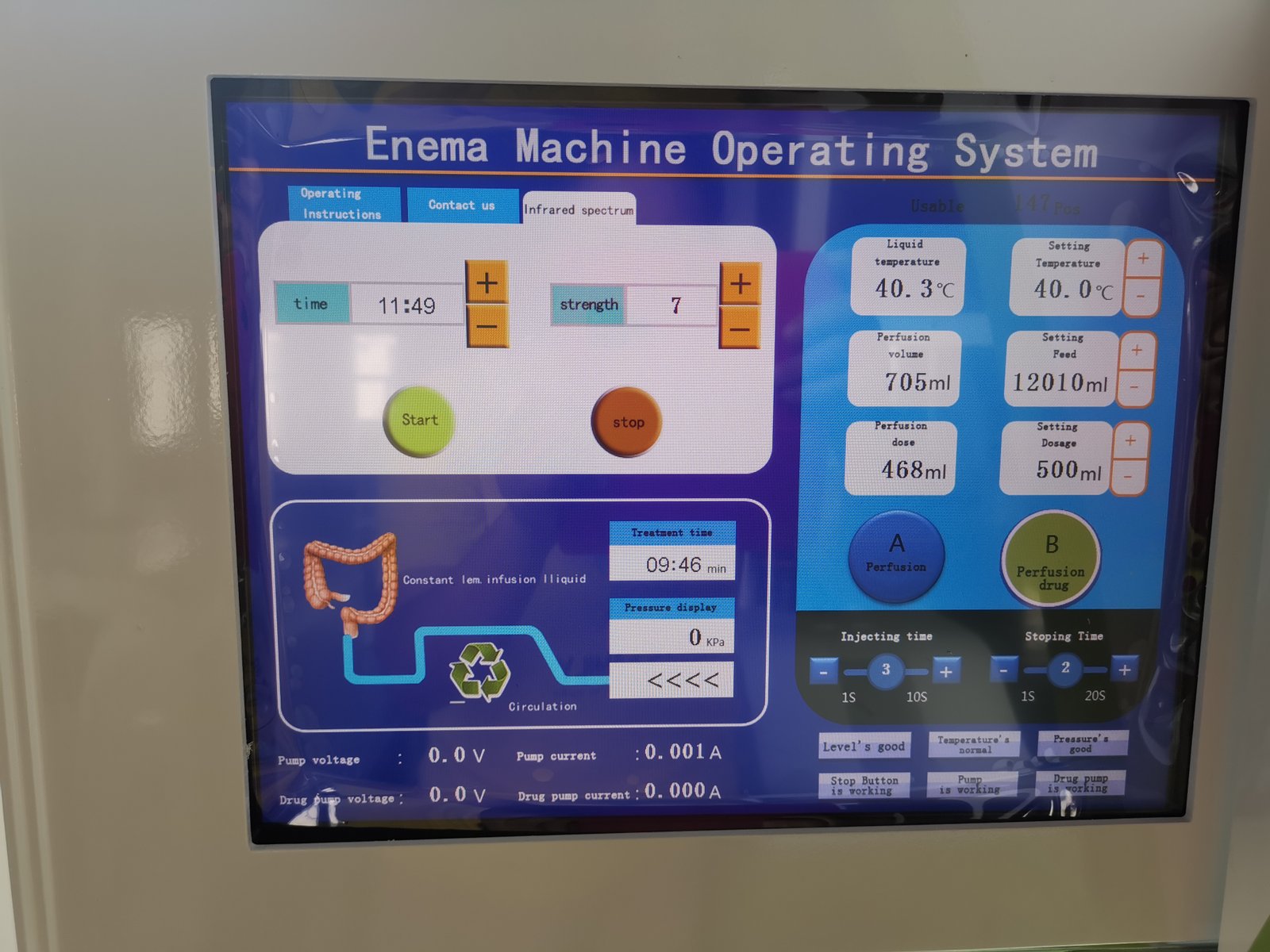
The digestive system responds differently across patient populations. Athletes need faster sessions between training blocks. Elderly patients require gentler flow rates. Practitioners must adjust system parameters throughout treatment. Equipment lacking fine-tuned controls creates patient discomfort and limits your service offerings.
Open vs Closed System Architecture
Open System Benefits
- Patient modesty and dignity preserved
- Lower equipment maintenance costs
- Simpler staff training requirements
- Reduced practitioner labor hours
- Higher patient comfort scores
Closed System Advantages
- Direct practitioner observation capability
- Enhanced treatment customization options
- Detailed session monitoring data
- Preferred by some medical professionals
- Traditional clinical approach familiarity
Your target patient demographics determine optimal system selection. Wellness spas serving privacy-conscious clients benefit from open systems. Medical practices prioritizing detailed monitoring prefer closed architecture. Many established clinics operate both types to accommodate patient preferences.
Explore MAIKONG Certified Systems
View our complete line of FDA-compliant colon hydrotherapy equipment designed specifically for US clinical environments. Compare specifications across open and closed system models.
Technical Specifications That Actually Matter
Equipment brochures list dozens of specifications. Most mean nothing for daily operations. Five parameters directly impact patient outcomes and business profitability.
Critical Performance Parameters
| Parameter | Standard Range | MAIKONG MK-880 | Clinical Impact |
| Water Tank Capacity | 8-12 liters | 10 liters | Determines session duration without refills |
| Temperature Control | 35-40°C | 30-40°C adjustable | Patient comfort and treatment effectiveness |
| Flow Rate Control | 0.5-2.0 L/min | 0-1.5 L/min adjustable | Treatment customization for patient sensitivity |
| Water Pressure | 0.4-0.8 Pa | 0.6 Pa | Safety and colon tissue protection |
| Power Consumption | 1800-2500 VA | 2000 VA | Operating cost per session |
| Continuous Runtime | 4-8 hours | 8 hours | Sessions per day without downtime |

Water tank capacity affects workflow efficiency. Smaller tanks require mid-session refills that disrupt treatment and patient relaxation. Our 10-liter tank supports full 45-minute sessions without interruption. This maintains therapeutic effectiveness while reducing practitioner workload.
Temperature precision separates professional from consumer-grade systems. Human colon tissue responds to temperature variations within single degrees. Systems lacking precise control cause patient discomfort or reduced treatment effectiveness. The body naturally maintains internal temperature around 37°C. Water delivered below this triggers cramping. Water above causes tissue inflammation.
Machine Durability and Maintenance
Commercial systems operate under harsh conditions. Water exposure. Continuous heating cycles. Chemical sanitizers. Equipment must survive years of intensive use without performance degradation.
- Stainless steel components resist corrosion from sanitizing agents
- Medical-grade tubing withstands repeated sterilization cycles
- Sealed electronic systems prevent moisture damage to controls
- Replaceable wear parts reduce long-term maintenance costs
- Modular design allows component upgrades without full replacement
Many clinics face unexpected costs from frequent repairs. Budget equipment uses plastic components that crack under thermal stress. Control panels fail from moisture infiltration. Pumps burn out from continuous operation. These failures shut down revenue-generating operations while repair technicians source replacement parts.
MAIKONG engineering emphasizes component longevity. We use hospital-grade materials proven across years of intensive clinical use. Our modular architecture allows rapid component replacement. Most repairs complete within hours instead of days or weeks.
Colon Hydrotherapy Buyer Intent and Procurement Journey
Equipment purchases follow predictable patterns. Understanding your current buying stage helps identify next logical steps toward optimal decisions.
Four Distinct Buyer Stages
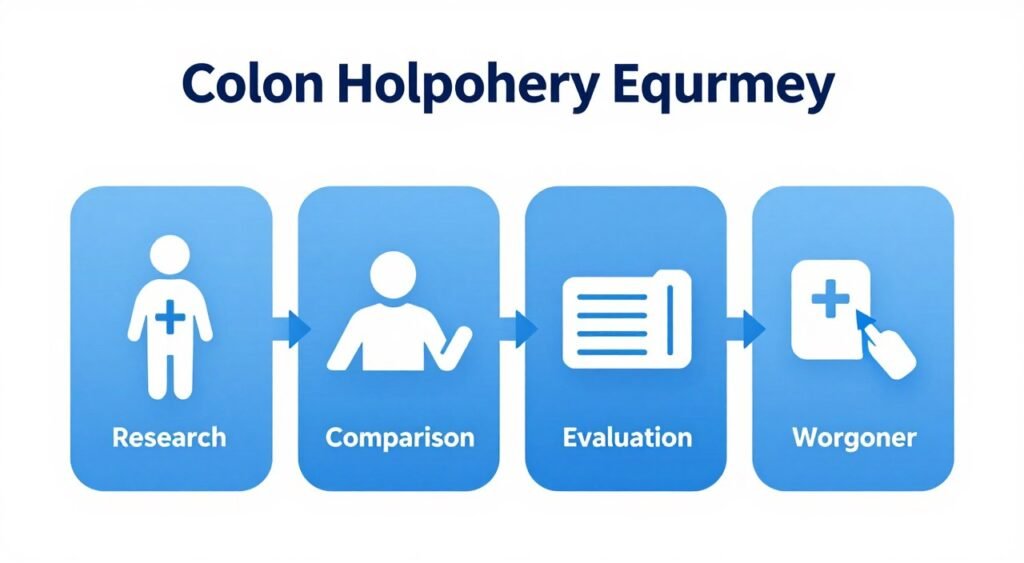
Stage 1: Market Research
New clinic owners explore service viability. They research treatment effectiveness and patient demand patterns. They estimate revenue potential and competitive positioning.
- Reading patient reviews and success stories
- Researching insurance reimbursement policies
- Calculating potential revenue per treatment
- Assessing local market competition levels
Stage 2: Supplier Comparison
Buyers narrow options to three or four manufacturers. They request detailed specifications and pricing. They verify certification claims and warranty terms.
- Comparing technical specifications across brands
- Requesting quotes from multiple suppliers
- Checking certification documentation validity
- Reading reviews from existing clinic owners
Stage 3: Financial Evaluation
Decision-makers calculate total ownership costs. They model return on investment scenarios. They explore financing options and payment structures.
- Calculating break-even point timelines
- Modeling different patient volume scenarios
- Evaluating lease versus purchase options
- Assessing maintenance and consumable costs
Stage 4: Final Decision
Buyers verify supplier reliability. They negotiate final terms. They arrange delivery and installation logistics.
- Confirming delivery timelines and shipping costs
- Arranging installation and staff training
- Finalizing payment terms and schedules
- Establishing after-sales support procedures
Most procurement mistakes happen from skipping stages. Buyers jump from initial research to purchase without proper comparison. They accept first supplier quotes without negotiation. They overlook total ownership costs beyond purchase price.
Smart clinic owners spend time in each stage. They gather competitive intelligence during comparison. They model financial scenarios during evaluation. They verify supplier claims before commitment. This thoroughness prevents expensive mistakes that plague rushed decisions.
Common Procurement Obstacles
Four barriers slow equipment purchases for even motivated buyers. Each requires specific solutions.
Certification Confusion
US market requires FDA registration for medical devices. Many imported systems lack proper documentation. Buyers struggle verifying compliance status. MAIKONG maintains current FDA registration and provides documentation with every system. We handle regulatory paperwork that confuses most importers.
Financing Concerns
Equipment costs strain startup budgets. Traditional lenders hesitate on wellness equipment. Buyers need flexible payment structures. We support various payment arrangements including installment options for qualified buyers. Our sales team connects buyers with equipment financing specialists familiar with wellness industry lending.
Training Requirements
Staff need operational proficiency before treating patients. Many suppliers provide minimal training support. This delays revenue generation after purchase. MAIKONG includes comprehensive online training resources. We provide video tutorials covering setup, operation, maintenance and troubleshooting. Our technical team offers live support during your first patient sessions.
After-Sales Support Anxiety
International suppliers create service concerns. Buyers worry about parts availability and technical support access. Equipment failures shut down revenue streams. We maintain US-based support staff and parts inventory. Most issues resolve through phone or video consultation. Critical components ship overnight when replacement becomes necessary.
Get Custom Specification Package
Request detailed technical specifications, certification documents, and pricing for MAIKONG systems matched to your clinic size and patient volume projections. Our procurement specialists answer your specific questions.
Real Cost Factors Beyond Equipment Price
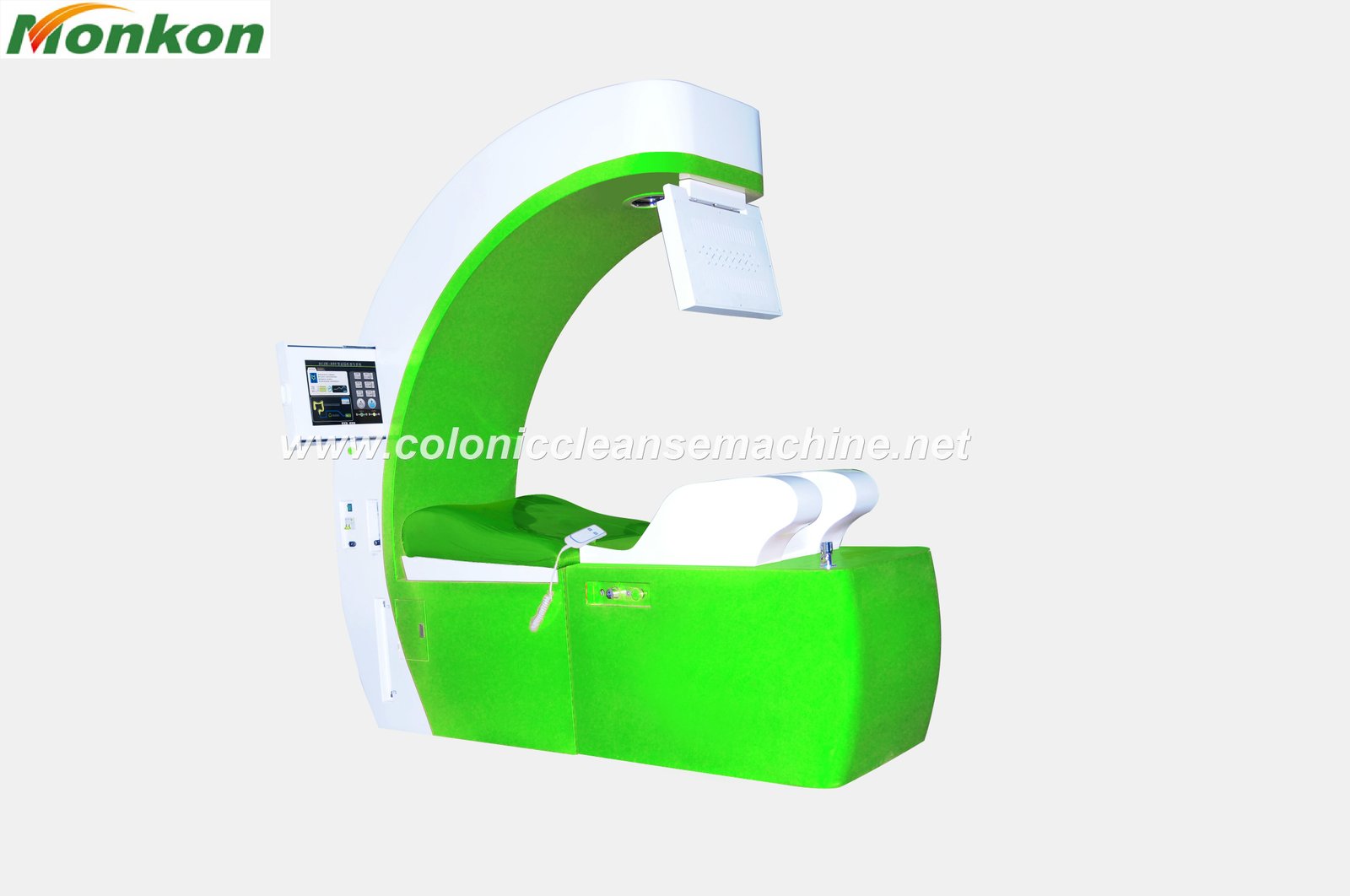
Purchase price represents roughly 60% of total ownership costs. Hidden expenses surprise unprepared buyers and damage profitability projections.
Complete Cost Breakdown
| Cost Category | Typical Range | Frequency | Annual Impact |
| Equipment Purchase | $8,000-$15,000 | One-time | $1,600-$3,000 (5yr amortization) |
| Shipping & Delivery | $400-$800 | One-time | $80-$160 (5yr amortization) |
| Installation & Setup | $200-$500 | One-time | $40-$100 (5yr amortization) |
| Staff Training | $300-$600 | One-time + refreshers | $100-$200 |
| Disposable Supplies | $3-$8 per session | Per treatment | $1,560-$4,160 (520 sessions) |
| Sanitizing Agents | $30-$60 monthly | Ongoing | $360-$720 |
| Utilities (Water/Electric) | $15-$30 per session | Per treatment | $780-$1,560 (520 sessions) |
| Preventive Maintenance | $200-$400 quarterly | Quarterly | $800-$1,600 |
| Unexpected Repairs | $300-$1,000 annually | As needed | $300-$1,000 |
Total first-year ownership costs typically range from $13,500 to $23,000 when including all categories. This matters for financial modeling and pricing strategies. Clinics charging $85-$125 per session need volume projections accounting for complete cost structures.
ROI Calculation Framework
Return on investment depends on patient volume and pricing strategy. Most clinics reach profitability between months eight and fourteen after equipment installation.
Conservative scenario assumes ten patient sessions weekly at $95 average charge. This generates $4,940 monthly revenue. Subtracting variable costs of approximately $180 weekly ($720 monthly) leaves $4,220 contribution margin. Fixed costs including equipment amortization, maintenance and staff time total roughly $2,800 monthly. Net monthly profit reaches $1,420 or $17,040 annually.
Under this model, initial investment recovers within ten months. Subsequent years generate substantially higher returns as amortized equipment costs decline. Many established clinics achieve 15-20 sessions weekly, doubling profitability timelines.
Risk factors affecting projections include patient retention rates, local competition intensity, practitioner skill development, and marketing effectiveness. Conservative planning assumes 65% patient retention after initial sessions. This requires consistent new patient acquisition to maintain volume targets.
US Local Market and Regional Deployment
Geographic factors significantly impact equipment selection and operational success. Coastal markets differ from midwest regions in patient demographics and competitive landscapes.
Regional Market Characteristics
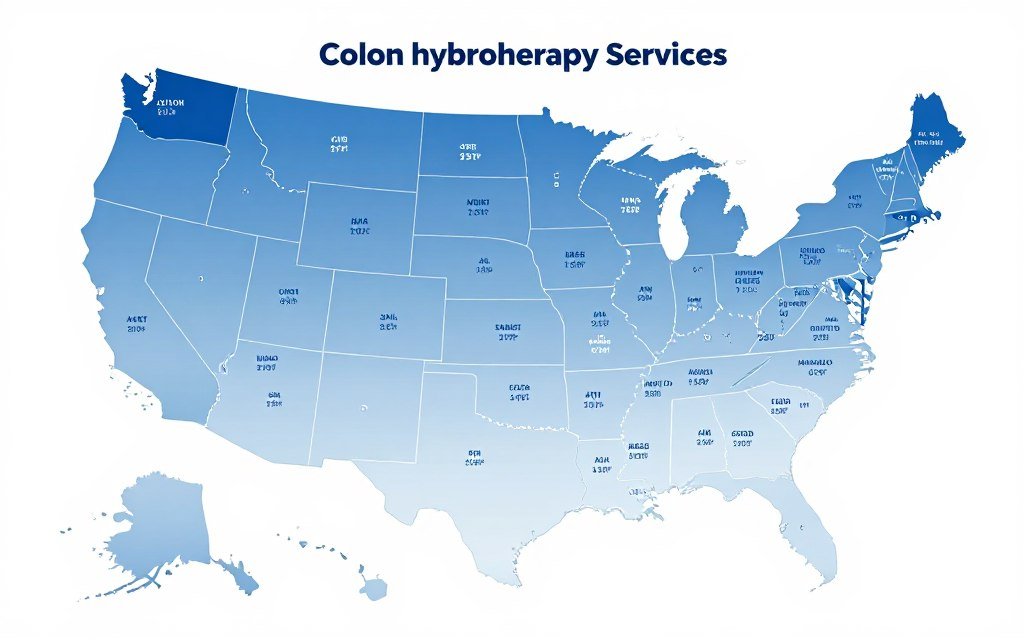
West Coast markets show highest treatment acceptance rates. California, Oregon and Washington contain dense concentrations of wellness-focused consumers. These regions support premium pricing between $110-$150 per session. Competition runs intense with established players dominating major metropolitan areas.
Southwest markets including Arizona, Nevada and New Mexico demonstrate rapid growth trajectories. Retirement communities create steady patient bases seeking digestive health solutions. These markets tolerate moderate pricing around $85-$110 per session with less competitive pressure than coastal regions.
Midwest and Southern markets remain underserved relative to population density. Traditional medical attitudes create slower adoption curves. However, early entrants gain market position advantages. Pricing typically ranges $75-$95 per session reflecting lower local income levels.
Northeast markets split between urban and rural characteristics. Major cities like Boston and New York support premium services and pricing. Smaller communities show limited awareness requiring stronger educational marketing efforts.
State Regulatory Variations
Colon hydrotherapy regulations vary significantly across state jurisdictions. Some states require practitioner licensing or certification. Others impose facility inspection requirements. A few maintain restrictive policies limiting service availability.
- California requires certification through approved training programs before practice
- Florida mandates facility inspections and specific sanitation protocols
- Texas allows practice under various healthcare professional licenses
- New York restricts colon hydrotherapy to licensed medical professionals in some counties
- Most states lack specific regulations, defaulting to general health facility standards
Research state and local requirements before equipment purchase. Some jurisdictions require facility modifications or specific equipment certifications. Understanding these requirements prevents costly compliance surprises after installation.
Supply Chain and Parts Availability
Equipment reliability matters less than parts availability for long-term success. Systems using proprietary components create dependency on single suppliers. Standard medical-grade components ensure multiple sourcing options.
MAIKONG systems use internationally standardized components wherever possible. Tubing, filters and consumables source from multiple suppliers. This prevents supply interruptions from affecting your operations. We maintain US warehouse inventory for critical wear components. Most replacement parts ship same-day when orders place before 2pm Eastern time.
Some competitors use proprietary parts forcing dependency on manufacturer inventory. This creates supply vulnerabilities and eliminates price competition. Our open architecture philosophy protects your long-term operational flexibility.
Comparing Commercial SERP Suppliers
Equipment searches surface dozens of manufacturers claiming superior products. Separating legitimate suppliers from problematic vendors requires systematic evaluation.
Supplier Evaluation Criteria
Trust Signals That Matter
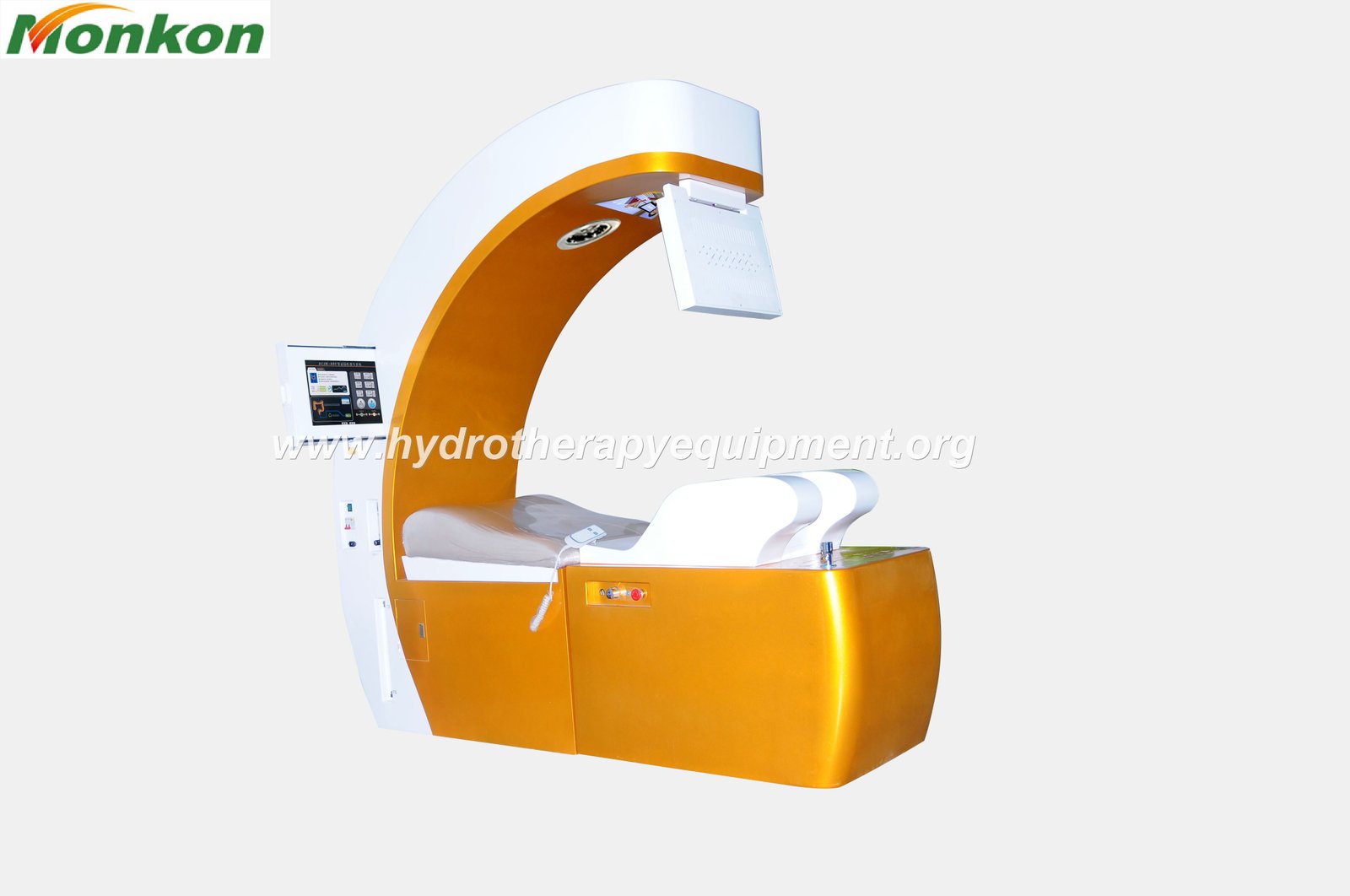
Reliable manufacturers demonstrate consistent patterns across multiple verification points. We recommend checking at least eight trust indicators before purchase commitment.
Strong Trust Signals
- Current FDA registration numbers provided upon request
- Detailed specification sheets with performance data
- Physical factory address with verification photos
- Multi-year warranty with clear terms documented
- Existing customer references in your region
- Responsive pre-sales technical support team
- Transparent pricing without hidden fees
- Professional website with complete product information
Warning Signs
- Vague certification claims without documentation
- Refusal to provide customer references
- Pressure tactics demanding immediate decisions
- Prices significantly below market averages
- Limited contact information or support hours
- Generic product photos without branding
- Inconsistent specifications across materials
- Payment demands through unusual channels
MAIKONG operations prioritize transparency across all customer interactions. We provide detailed certification documentation including CE, ISO and SGS certificates. Our Shenzhen facility welcomes customer visits for factory inspections. We maintain comprehensive technical libraries covering every system component and operational procedure.
Customer references connect you with existing clinic owners operating our equipment across various US markets. These conversations provide unfiltered operational insights beyond marketing materials. We encourage prospective buyers to conduct thorough due diligence before purchase commitments.
Colon Hydrotherapy Operational Workflow Integration
Equipment capabilities mean nothing without smooth integration into daily clinical operations. Successful implementation requires planning across scheduling, staffing, and facility logistics.
Session Flow Optimization
Efficient operations maximize equipment utilization while maintaining patient comfort and safety standards. Most clinics achieve four to six sessions daily per system.
- Pre-session preparation (15 minutes) – Equipment sanitization, water tank filling, temperature verification, supply staging, patient intake documentation review
- Patient consultation (10 minutes) – Health history review, contraindication screening, procedure explanation, consent documentation, comfort preference discussion
- Treatment session (35-45 minutes) – Patient positioning, equipment connection, flow rate adjustment, practitioner monitoring, patient comfort checks throughout session
- Post-session procedures (10 minutes) – Patient privacy during cleanup, post-treatment instructions, next appointment scheduling, payment processing
- Equipment sanitization (15 minutes) – System flushing, component disinfection, supply replenishment, equipment status verification for next session
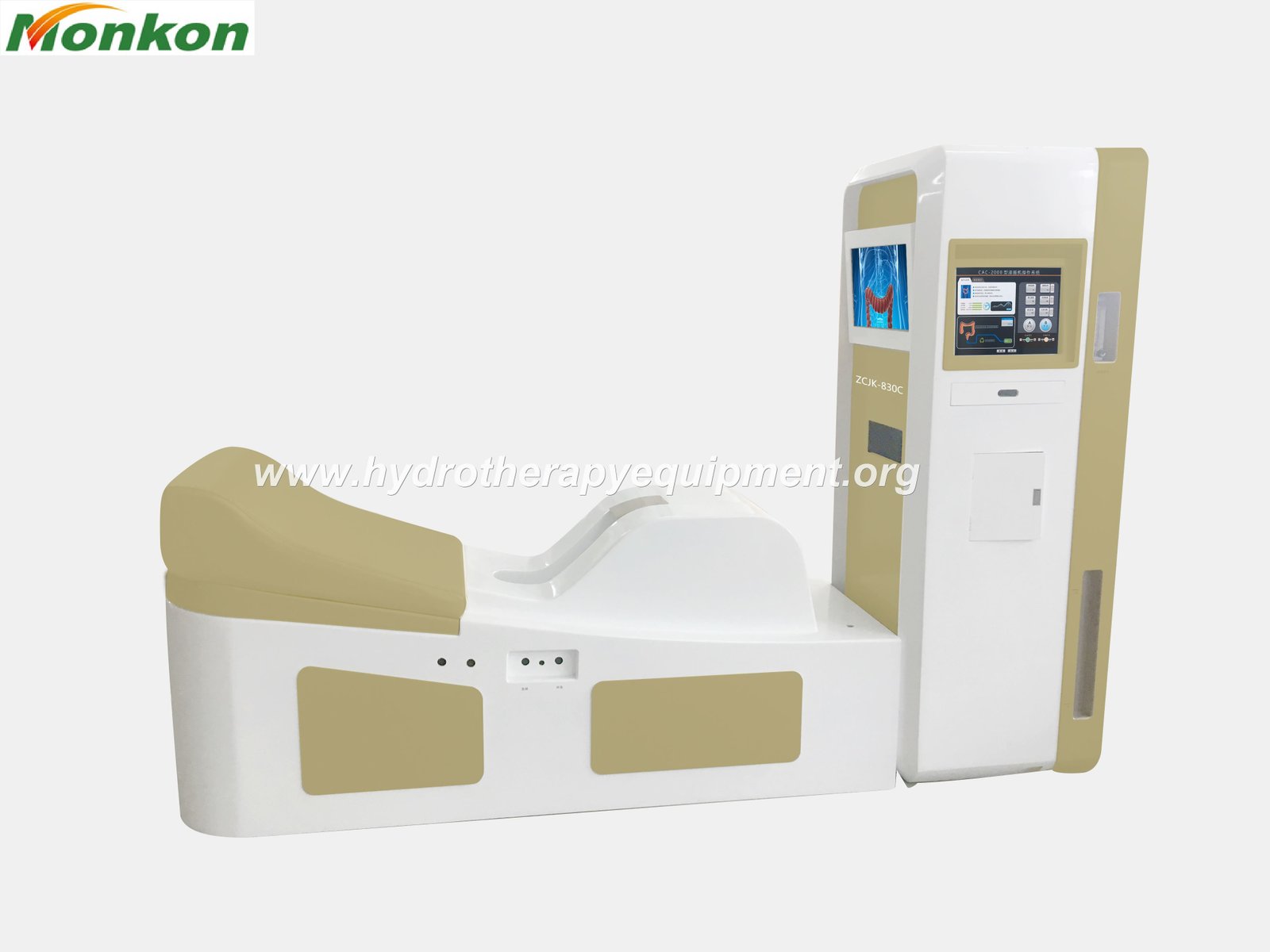
Total cycle time runs 85-95 minutes per patient when including all preparation and cleanup. This limits daily capacity to approximately five patients during standard eight-hour operations. Clinics running extended hours or employing multiple practitioners proportionally increase volume capacity.
Staffing Considerations
Solo practitioners handle all aspects of patient care and equipment operation. This model suits small practices with modest volume targets. However, growth limitations emerge as patient demand increases beyond single-practitioner capacity.
Multi-practitioner models require equipment investment for each treatment room. Startup costs increase but revenue potential multiplies proportionally. Shared reception and administrative staff distribute overhead across multiple revenue streams improving overall profitability.
Some clinics employ trained technicians supervised by licensed practitioners. This model reduces per-session labor costs while maintaining quality standards. Regulatory requirements vary by jurisdiction regarding technician practice scope. Research local regulations before implementing this staffing approach.
Colon Hydrotherapy Semantic Variation and Search Intent
Patient searches use varied terminology reflecting different awareness levels and information needs. Understanding these patterns helps optimize your clinic marketing and educational content.
Search Intent Categories
Informational searches dominate early buyer journey stages. People research “what is colon hydrotherapy” and “colon cleansing benefits” before considering treatment. These searches indicate low commercial intent but high education opportunity.
Comparison searches signal mid-journey positioning. Queries like “colon hydrotherapy versus enema” or “colonic irrigation safety” show evaluation mindset. These searchers understand basic concepts and assess treatment fit for their situations.
Local commercial searches demonstrate high purchase intent. Terms including “colon hydrotherapy near me” or “best colonic clinic in [city]” indicate readiness to book appointments. These searches convert at substantially higher rates than informational queries.
Equipment procurement searches use business-focused terminology. Phrases like “colon hydrotherapy machine price” or “professional colonic equipment suppliers” indicate business buyer intent. This audience researches colonic machine for sale options rather than personal treatment services.
Conversion Funnel Alignment
Your content strategy must address all funnel stages to maximize patient acquisition. Educational content attracts top-funnel awareness searches. Comparison articles engage mid-funnel evaluation. Service pages convert bottom-funnel commercial intent.
Equipment buyers follow similar patterns with extended evaluation periods. Initial searches explore market viability and treatment effectiveness. Middle-stage research compares suppliers and specifications. Final searches verify supplier reliability and finalize purchase logistics.
The colon hydrotherapy conversion funnel typically spans three to six months for equipment buyers. Patient conversion funnels compress to weeks or days depending on urgency levels. Your marketing mix must accommodate both timelines through varied content types and engagement strategies.
Frequently Asked Questions
What minimum order quantity does MAIKONG require for equipment purchase?
We maintain no minimum order requirements. Single-unit purchases receive same pricing and support as bulk orders. This policy helps new clinics start operations without excessive capital investment. Sample orders ship within 5-7 business days after payment confirmation.
How long does equipment delivery take to US addresses?
Standard shipping reaches most US destinations within 12-18 days after order confirmation. Expedited shipping reduces delivery to 7-10 days for urgent requirements. We provide tracking information immediately upon shipment. All equipment includes delivery insurance covering damage or loss during transit.
What warranty coverage does MAIKONG provide?
All systems include three-year comprehensive warranty covering parts and technical support. Warranty service includes remote troubleshooting and replacement component shipping. Normal wear items like tubing and filters exclude from warranty coverage but remain available at competitive prices. Extended warranty options available upon request.
Can equipment specifications be customized for specific clinic needs?
Yes. We accommodate custom branding, color schemes, and minor specification adjustments. Customization minimums start at 20 units for logo printing and 30 units for significant specification changes. Custom orders require 15-25 days production time depending on modification complexity. Contact our customization team for detailed capability discussions.
What certifications does MAIKONG equipment carry for US market?
Our systems hold CE, ISO, and SGS certifications. FDA registration documentation provides upon request for US buyers. We continuously monitor regulatory requirements and update certifications as standards evolve. Complete certification package ships with every equipment order for your records and compliance verification.
What payment methods does MAIKONG accept?
We support bank wire transfer, letter of credit, and various online payment platforms. Payment terms accommodate different buyer situations including deposits with balance on delivery for established relationships. Contact our sales team to discuss payment arrangements matching your procurement processes and financial planning requirements.
Does MAIKONG provide installation and training support?
All equipment includes comprehensive installation guides and video tutorials. Our technical team provides live remote support during initial setup and first patient sessions. On-site installation assistance available in major US metropolitan areas for additional fee. Training materials cover operation, maintenance, troubleshooting and patient communication best practices.
How does MAIKONG pricing compare to competitors?
Direct manufacturer purchasing eliminates distributor markups typically adding 30-50% to equipment costs. Our systems deliver comparable quality to premium brands at significantly lower investment. We publish transparent pricing and welcome comparison shopping. Request detailed quotes from multiple suppliers to verify our competitive positioning.
US Distributor and Partnership Opportunities
MAIKONG actively expands our US market presence through regional distributor partnerships. We seek established medical equipment dealers, wellness industry suppliers, and entrepreneurial individuals interested in growing businesses.
Distributor Benefits
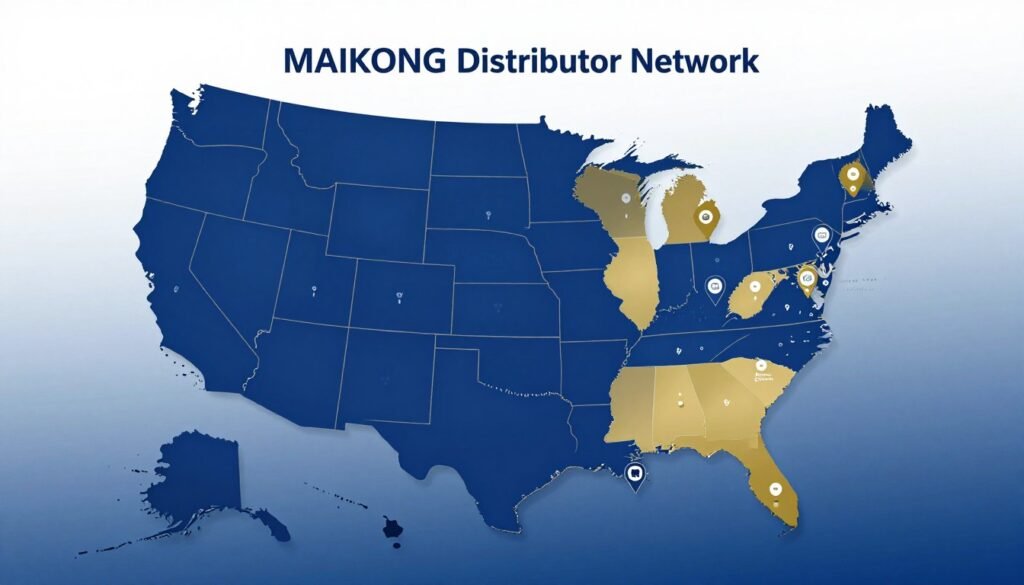
- Exclusive territory protection in assigned regions preventing distributor competition
- Manufacturer-direct pricing with healthy profit margins on equipment and consumables
- Marketing support including product literature, demonstration equipment, trade show materials
- Technical training enabling your team to provide customer installation and support
- Co-branding opportunities building your company reputation alongside MAIKONG quality
- Flexible ordering allowing inventory management matching your market demand
Ideal distributor partners bring existing relationships within wellness, medical, or spa supply channels. However, motivated individuals with sales experience and market knowledge also succeed in our partnership program. We provide training and support helping new distributors establish successful equipment supply businesses.
The wellness equipment market continues robust growth as consumers prioritize preventive health approaches. Colon hydrotherapy represents established treatment modality with expanding acceptance among mainstream healthcare providers. Early market position advantage benefits distributors entering before market saturation.
Application Process
Prospective distributors begin with consultation call discussing your market presence, target customers, and business objectives. We evaluate territory availability and assess partnership fit. Approved distributors receive comprehensive onboarding including product training, marketing materials, and initial inventory planning guidance.
Most new distributors achieve first sales within 60-90 days after program enrollment. Established dealers leverage existing customer relationships for faster market penetration. We support your success through ongoing technical assistance, marketing collaboration, and responsive supply chain management.
Become MAIKONG US Authorized Distributor
Join our growing network of regional equipment distributors serving the US wellness and medical markets. Exclusive territories available in select regions. Contact our partnership team to discuss opportunity details and territory availability in your area.
About MAIKONG Manufacturing
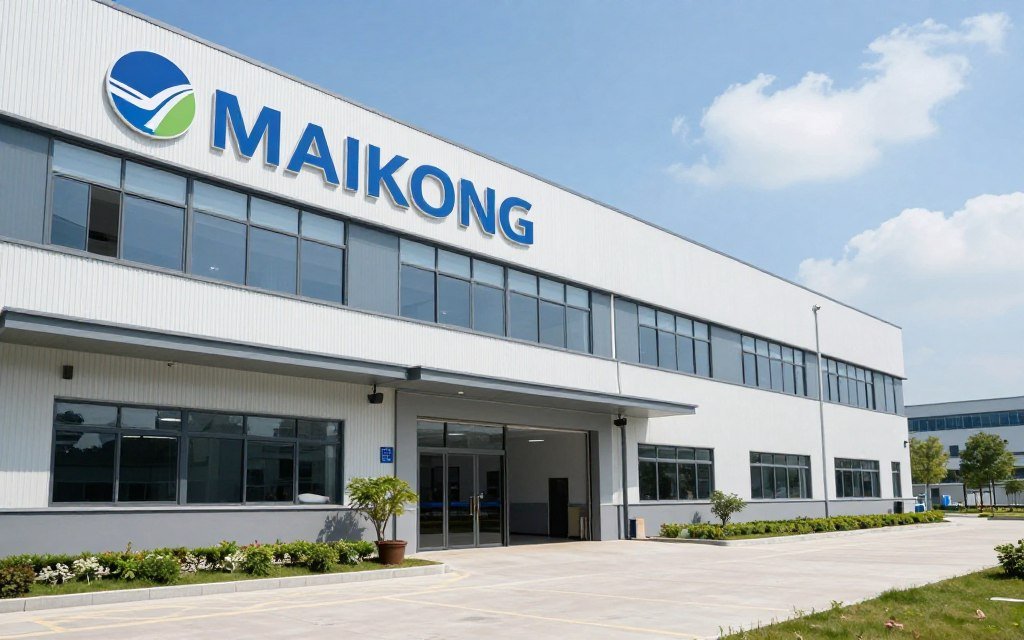
MAIKONG operates from Shenzhen, Guangdong Province, China – global hub for medical device manufacturing and electronics innovation. Our 12,000 square meter facility houses advanced production equipment and quality control laboratories ensuring consistent product excellence.
We entered wellness equipment manufacturing in 2010 focusing specifically on colon hydrotherapy systems. This specialization allows deep expertise in hydraulic engineering, temperature control systems, and medical-grade sanitization protocols essential for professional equipment performance.
Our engineering team holds multiple patents in water flow optimization and patient comfort innovations. We continuously invest in research improving treatment effectiveness and operational reliability. Customer feedback directly influences product development priorities ensuring our equipment addresses real clinical needs.
Quality management follows ISO 13485 medical device standards throughout manufacturing processes. Incoming components undergo inspection before production. In-process quality checks verify assembly accuracy. Finished systems complete comprehensive testing simulating years of operational stress before warehouse storage.
MAIKONG currently serves over 2,000 clinics across 47 countries spanning six continents. Our US customer base grows 30-40% annually as awareness increases about direct manufacturer benefits. We maintain A+ rating with international trade verification services and zero significant customer disputes across our operational history.
Visit our website at colonicmachine.us to explore complete product specifications, view customer testimonials, and access technical resources. Our company profile provides additional manufacturing details and quality certifications.
Making Your Equipment Decision
Colon hydrotherapy equipment purchases represent significant investments deserving thorough evaluation. Smart clinic owners gather information across multiple sources. They compare suppliers systematically. They verify claims through independent research. They model financial scenarios before commitment.
This guide provided frameworks for systematic equipment evaluation. You learned critical specifications affecting patient outcomes. You explored total ownership costs beyond purchase prices. You discovered regional market variations and operational workflow considerations. You gained trust signal recognition protecting against problematic suppliers.
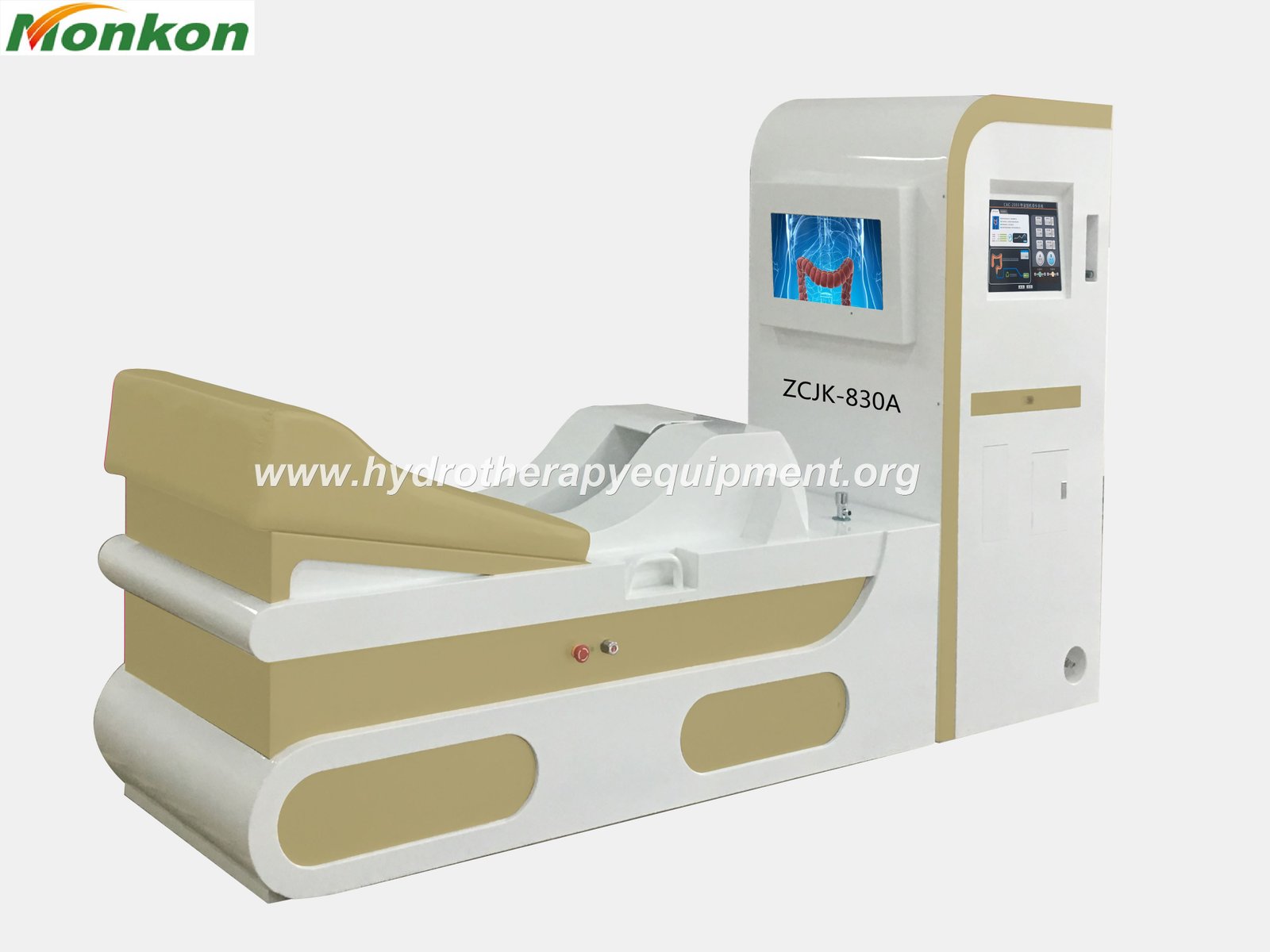
Your next step depends on current buying stage. Early researchers should request detailed specifications and compare multiple suppliers. Mid-stage evaluators benefit from financial modeling and existing customer conversations. Final-stage buyers need supplier verification and contract negotiation.
MAIKONG stands ready to support your equipment procurement journey regardless of current stage. Our team answers technical questions honestly. We provide transparent pricing without hidden fees. We connect you with existing customers sharing unfiltered operational experiences.
Equipment quality impacts patient satisfaction and business profitability for years ahead. Choose suppliers demonstrating commitment to your long-term success through comprehensive support and proven product reliability. Your patients deserve equipment meeting highest safety and effectiveness standards. Your business deserves partners supporting growth through responsive service and competitive value.
Start Your Procurement Process Today
Contact MAIKONG for detailed specifications, current pricing, and answers to your specific equipment questions. Our procurement specialists respond within 24 hours to all inquiries. Let us help you make informed decisions supporting your clinic success.
Alternative contact methods: