
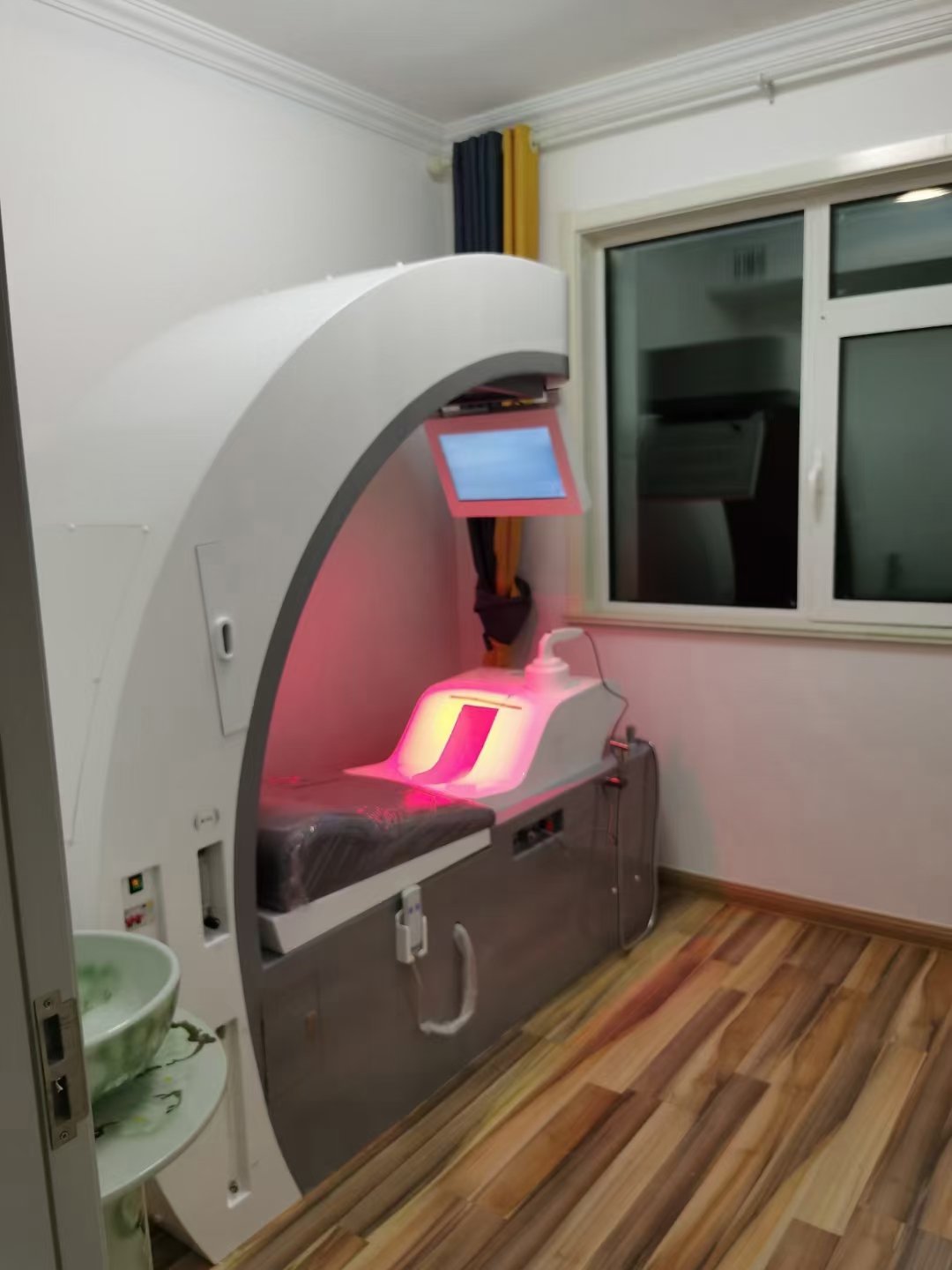
When clients walk into your wellness center asking about colon cleansing, do you know how to answer their safety questions? After 15 years manufacturing colonic machines for health professionals across the United States, we’ve seen the industry evolve dramatically.
This guide examines documented colon hydrotherapy risks from medical literature and professional practice. Whether you operate a spa, run a natural health clinic, or distribute medical equipment, understanding these risks protects both your clients and your business.
What Is Colon Hydrotherapy and Why Risk Awareness Matters
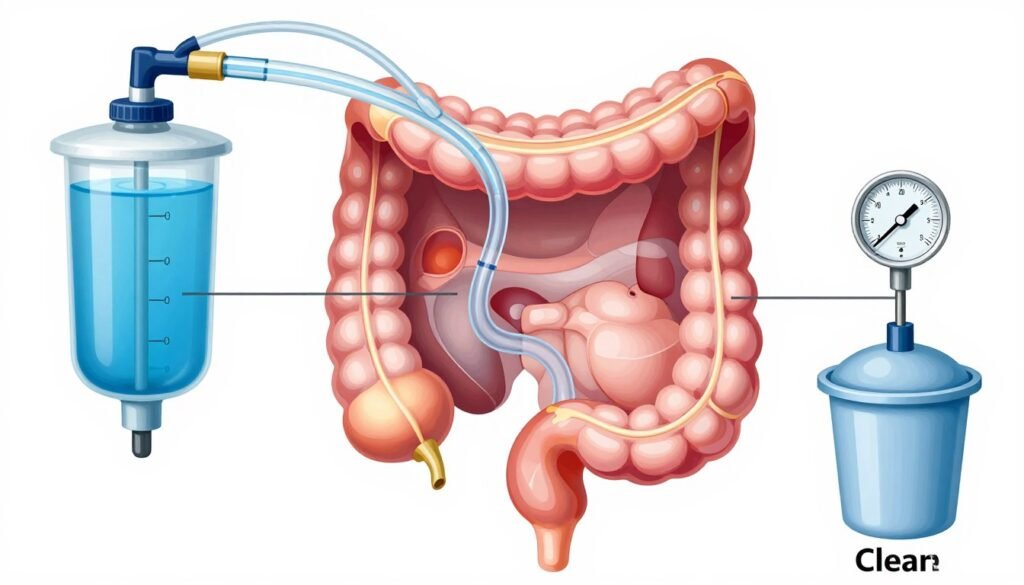
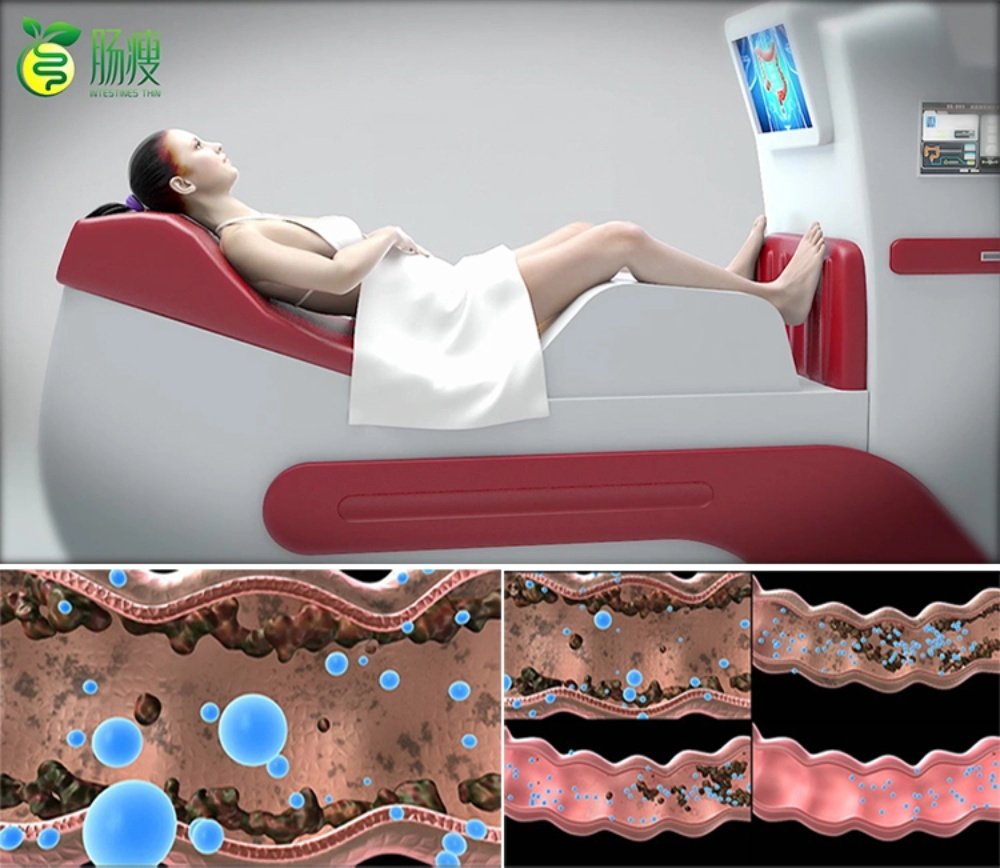
Colon hydrotherapy involves introducing filtered water into the colon through the rectum to flush waste material. Unlike simple enemas that reach only the lower bowel, hydrotherapy systems circulate water through the entire colon.
The procedure gained popularity in wellness circles for digestive system support. However, the medical community raises significant safety concerns that equipment operators and health center owners cannot ignore.
How the Procedure Works
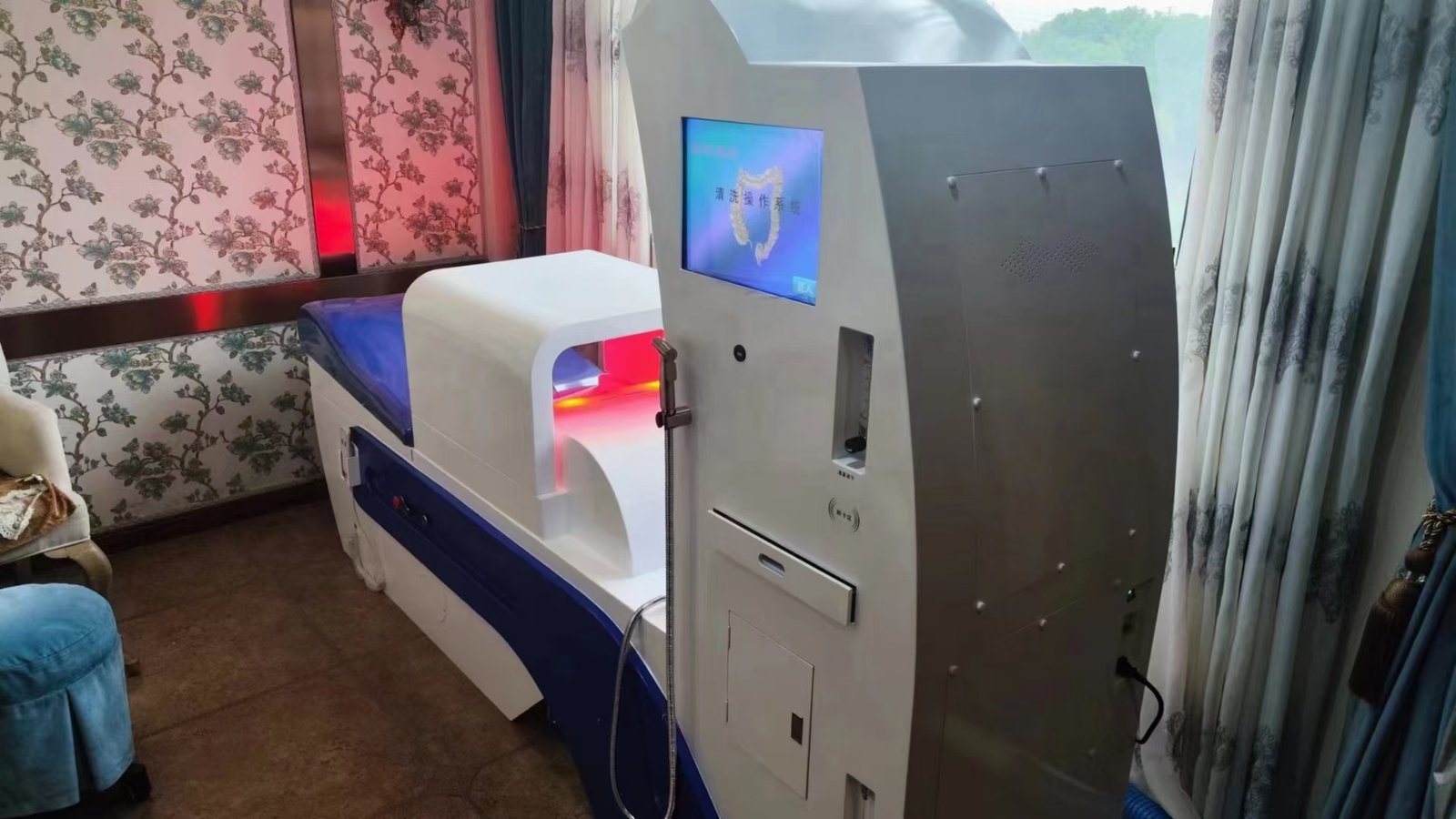
A trained therapist inserts a disposable speculum into the rectum. Temperature-controlled water flows into the colon at regulated pressure. The system allows waste to exit through a closed tube.
Sessions typically last 45 minutes. Some practitioners recommend multiple sessions, which increases cumulative risk exposure.
Who Seeks This Treatment
Common client motivations include constipation relief, weight loss goals, and general detox beliefs. Many people pursue colon cleanses before medical procedures like colonoscopy prep.
Understanding client expectations helps practitioners provide appropriate education about both benefits and risks.
Colon Hydrotherapy Risks: Medical Evidence and Clinical Reports
Major medical institutions including Cleveland Clinic and MD Anderson Cancer Center have published analyses of colon cleanse safety. The documented risks range from minor discomfort to life-threatening complications.
Gastrointestinal Perforation: The Most Serious Risk
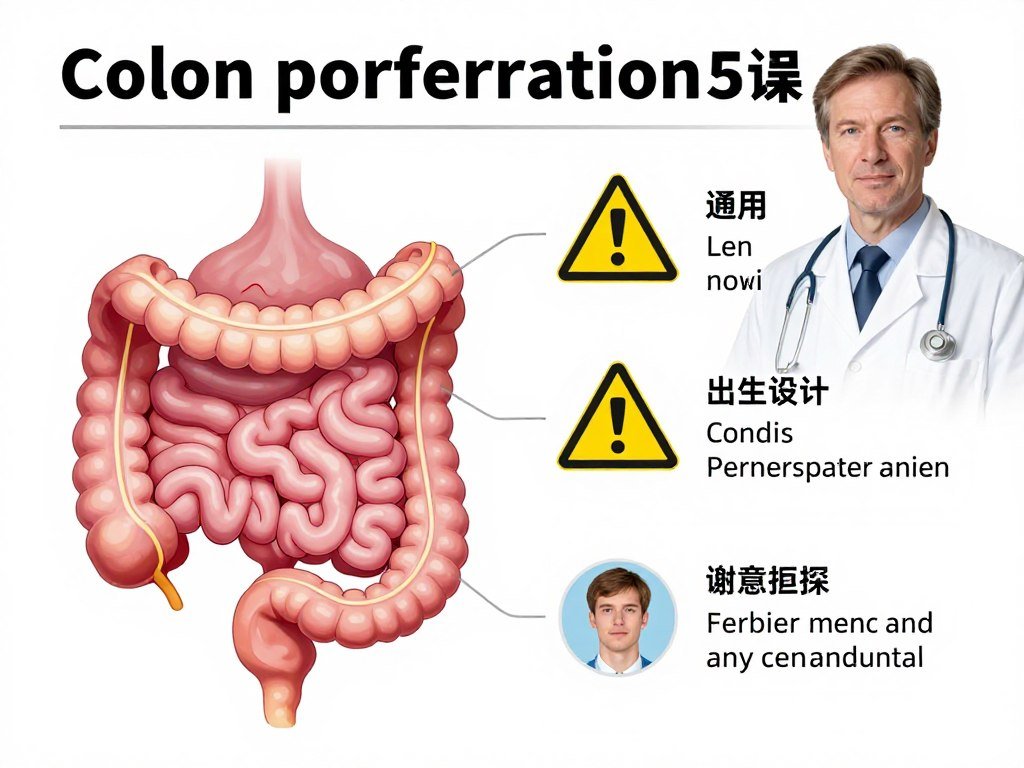
Bowel perforation represents the most dangerous complication. This occurs when the colon wall tears, allowing intestinal contents to leak into the abdominal cavity.
Medical literature documents multiple cases requiring emergency surgery. Risk factors include inflammatory bowel disease, diverticulitis, and previous colon surgery. One study found perforation rates increased significantly with repeated treatments.
Perforation can cause severe abdominal pain, fever, and sepsis. Without immediate medical intervention, this condition proves fatal. Any practitioner offering colon hydrotherapy must recognize perforation symptoms instantly.
Electrolyte Imbalance and Dehydration
The colon normally absorbs water and electrolytes. Hydrotherapy disrupts this natural balance. Excessive water absorption during treatment can dilute blood sodium levels, causing hyponatremia.
Symptoms include confusion, seizures, and irregular heartbeat. Elderly clients and those with kidney disease face higher risk. One documented case involved heart failure triggered by electrolyte disruption.
Dehydration occurs when the body loses more fluid than the procedure introduces. This happens especially with multiple sessions or aggressive cleansing protocols.
Infection Transmission Risks
Equipment contamination poses serious infection hazards. Improper sterilization can transmit bacteria, parasites, or viruses between clients. Reported infections include amebiasis and bacterial septicemia.
The FDA documented cases where contaminated equipment spread harmful organisms. Modern colonic machines for sale include enhanced sterilization features, but operator protocols remain critical.
Water source contamination adds another infection vector. Municipal water may contain organisms harmless when ingested but dangerous when introduced directly into the colon.

Rectal and Anal Trauma
Improper insertion technique can tear delicate rectal tissue. Hemorrhoid aggravation commonly occurs. Some clients experience anal fissures requiring medical treatment.
Pressure regulation failures worsen trauma risk. Equipment lacking proper controls can deliver water at damaging force levels. Professional-grade systems include safety mechanisms to prevent pressure spikes.
Equipment Safety Note: Professional questions about equipment safety standards and pressure regulation systems? Our technical team provides guidance to healthcare practitioners. Contact: Lucy@colonicmachine.us
Common Side Effects of Colon Cleansing
Beyond major complications, clients frequently experience uncomfortable side effects. Understanding these helps practitioners set realistic expectations and recognize when symptoms indicate serious problems.
Immediate Physical Reactions
- Cramping and abdominal pain during treatment
- Bloating and gas for several hours afterward
- Nausea and vomiting in sensitive individuals
- Dizziness from blood pressure changes
- Rectal soreness and discomfort
Delayed Complications
- Persistent diarrhea lasting multiple days
- Constipation rebound effect
- Fatigue from electrolyte disruption
- Headaches related to dehydration
- Muscle weakness and cramping
Does a colonic hurt? Pain levels vary significantly. Most clients report moderate cramping similar to intestinal gas. However, sharp or severe pain signals potential complications requiring immediate evaluation.

Impact on Digestive System Function
Repeated colon cleansing may harm the digestive system’s natural function. The colon contains beneficial bacteria essential for health. Aggressive cleansing washes away this protective microbiome.
Studies show that disrupting gut bacteria can cause long-term digestive problems. The body may develop dependency on external cleansing to achieve bowel movements. This creates a problematic cycle where natural peristalsis weakens.
Some practitioners claim cleanses improve health by removing toxins. However, scientific evidence supporting these claims remains extremely limited. The liver and kidneys naturally detox the body without colon intervention.
Contraindications: Who Should Never Undergo Colon Hydrotherapy
Certain medical conditions create unacceptable risk levels. Responsible practitioners must screen clients carefully and refuse treatment when contraindications exist.
Absolute Contraindications
Medical Conditions That Prohibit Treatment
- Active inflammatory bowel disease (Crohn’s disease or ulcerative colitis)
- Diverticulitis or severe diverticulosis
- Colon or rectal cancer
- Recent colon surgery or perforation history
- Severe hemorrhoids or rectal bleeding
- Intestinal obstruction or impaction
- Kidney disease or severe heart failure
- Severe anemia or blood disorders
Situations Requiring Medical Clearance
- Pregnancy (particularly first and third trimesters)
- Recent abdominal or pelvic surgery
- Uncontrolled hypertension
- Congestive heart failure
- Liver cirrhosis with ascites
- Active hernia conditions
- Radiation therapy to pelvic region
- Chronic kidney disease requiring dialysis
Age and Vulnerability Considerations
Elderly clients face elevated risk from multiple factors. Age-related colon wall thinning increases perforation susceptibility. Many seniors take medications affecting electrolyte balance or blood clotting.
Children and adolescents should not receive colon hydrotherapy except under direct medical supervision for specific therapeutic reasons. Their developing digestive systems require extra protection.
Immunocompromised individuals including those with HIV, undergoing chemotherapy, or taking immunosuppressant drugs face heightened infection risk. Even minor contamination can cause serious illness in these populations.
Medication and Supplement Interactions
Colon cleansing can interfere with medication absorption and effectiveness. This creates particular concerns for clients managing chronic conditions with prescription drugs.
Drugs Affected by Colon Cleansing
Oral medications taken within several hours of treatment may pass through the system before full absorption occurs. Birth control pills, blood pressure medications, and diabetes drugs lose effectiveness.
Blood thinners like warfarin create bleeding risk when combined with colon procedures. The mechanical action plus anticoagulation increases hemorrhage probability.
Diuretics combined with hydrotherapy intensify dehydration and electrolyte imbalance. Clients taking these medications need especially careful monitoring.

Herbal Supplements and Cleanse Products
Many people combine colon hydrotherapy with herbal supplements marketed for cleansing. This combination escalates risk significantly.
Herbal laxatives can cause severe cramping and electrolyte depletion. Products containing cascara, senna, or aloe may trigger colon muscle dysfunction with prolonged use.
Side effects of parasite cleansing supplements often include nausea, liver stress, and allergic reactions. When combined with hydrotherapy, these effects intensify.
Professional Equipment Safety Standards
Equipment quality directly impacts risk levels. Substandard machines lacking proper safety controls increase complication rates substantially.
Critical Safety Features
Modern professional systems include multiple safeguards. Temperature controls prevent thermal injury by maintaining water between 98-102°F (37-39°C). Automatic shutoff mechanisms activate if temperature deviates from safe ranges.
Pressure regulation systems prevent bowel trauma. Quality equipment limits maximum pressure to safe levels regardless of operator settings. Flow rate controls allow gradual introduction rather than forceful flooding.
Filtration systems remove contaminants from water sources. Multi-stage filters eliminate bacteria, chemicals, and particulates. UV sterilization provides additional protection against microorganisms.
| Safety Feature | Function | Risk Addressed | MAIKONG MK-880 Standard |
| Temperature Control System | Maintains constant 37°C water temperature | Thermal injury, discomfort | 30-40°C adjustable with auto-regulation |
| Pressure Regulation | Limits maximum flow pressure | Perforation, tissue trauma | 0.6Pa maximum with safety cutoff |
| Water Filtration | Removes contaminants and bacteria | Infection transmission | External purification system |
| Flow Rate Control | Adjustable water introduction speed | Cramping, discomfort | 0-1.5L/min variable control |
| Auto-Sterilization | Automated tube cleaning between sessions | Cross-contamination | Automatic cleaning cycle |
| Anti-Leakage System | Prevents fluid escape and contamination | Infection, environmental contamination | Sealed closed-system design |
Certification and Regulatory Compliance
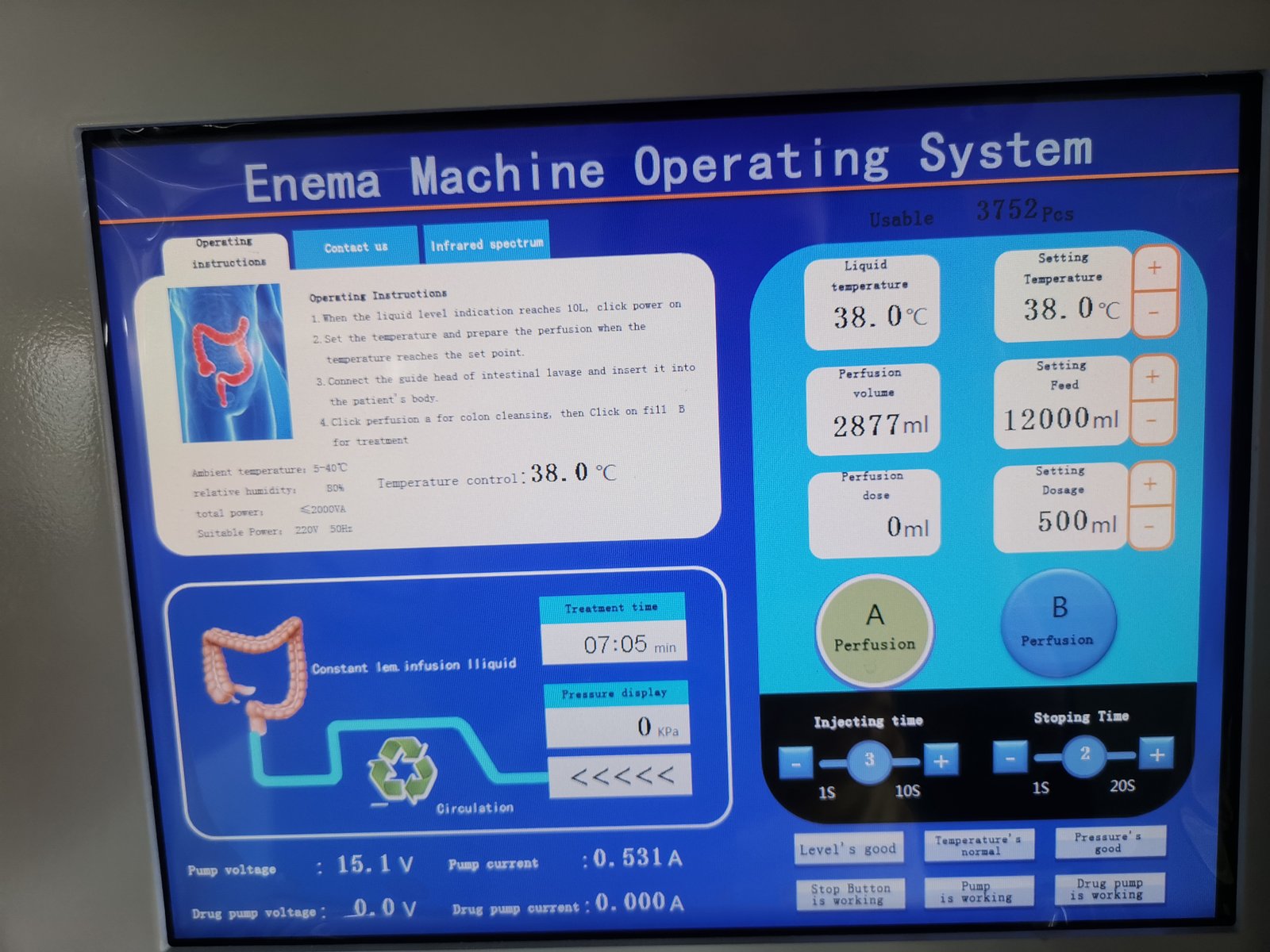
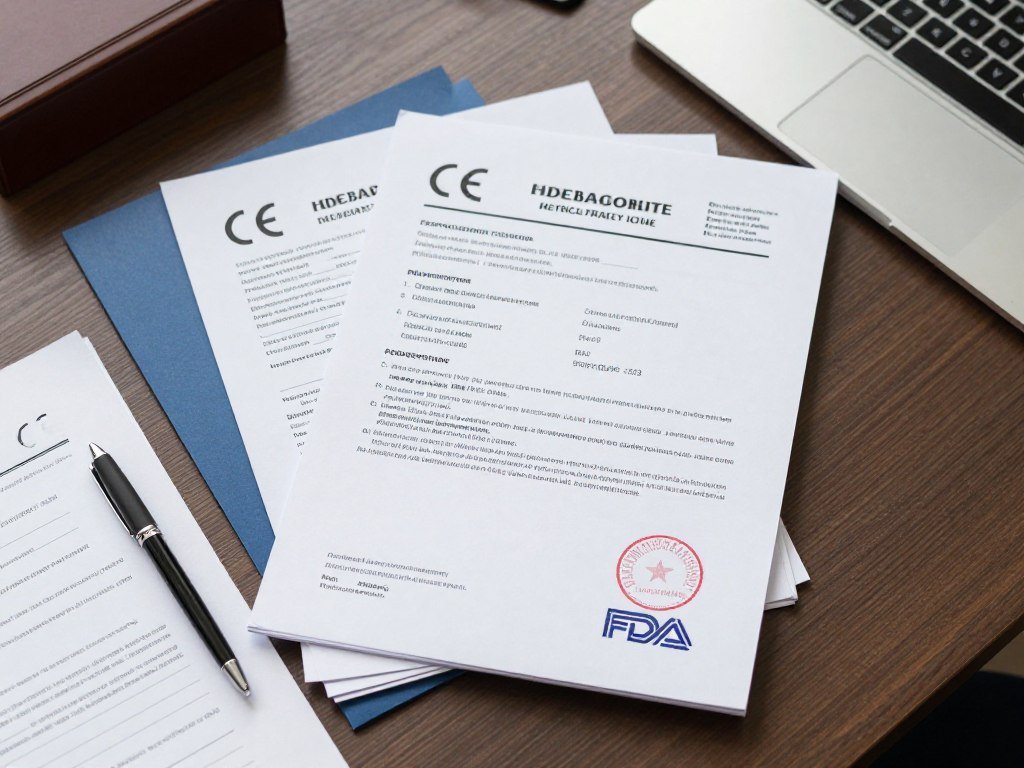
Professional equipment must meet medical device standards. CE certification indicates European safety compliance. FDA registration applies to devices marketed in the United States.
Manufacturers who cut corners on safety testing create liability for practitioners. Equipment lacking proper certification may void professional insurance coverage.
At MAIKONG, we manufacture professional-grade colonic equipment meeting international safety standards. Our MK-series machines incorporate the protective features discussed throughout this article.
Practitioner Training and Risk Management
Equipment quality alone cannot ensure safety. Operator skill and knowledge play equally critical roles in preventing complications.
Essential Training Components
Competent practitioners must understand colon anatomy and physiology. They should recognize contraindication red flags during client screening. Proper insertion techniques minimize tissue trauma risk.
Emergency response protocols save lives when complications occur. Operators must identify perforation symptoms immediately and activate emergency medical services without delay.
Sterilization procedures require meticulous attention. Training must cover proper cleaning protocols, disinfectant contact times, and equipment inspection procedures.

Liability and Insurance Considerations
Professional liability insurance specifically covering colon hydrotherapy is essential. Standard general liability policies may exclude this treatment.
Documentation protects practitioners legally. Detailed intake forms capturing contraindication screening, informed consent signatures, and session notes create evidence of proper care.
Some jurisdictions require specific licensing for colon hydrotherapy operators. Others prohibit the practice except by licensed medical professionals. Business owners must verify local regulations before offering these services.
Colon Hydrotherapy Compared to Other Cleanse Methods
Understanding how hydrotherapy risks compare to alternative cleansing methods helps practitioners advise clients appropriately.
Home Enema Kits
Are enemas safe compared to professional hydrotherapy? Home kits introduce smaller water volumes and reach only the lower colon. This limits some risks but creates others.
Without professional supervision, users may employ excessive pressure or improper insertion. Water temperature control proves difficult with basic equipment. Infection risk exists if reusable equipment is inadequately cleaned.
Oral Laxative Products
Laxatives avoid insertion risks but create different problems. Chemical stimulant laxatives can cause dependency and colon muscle dysfunction. Osmotic laxatives may trigger severe electrolyte imbalance.
Colonoscopy prep formulas use powerful osmotic agents. Medical supervision during colonoscopy prep ensures safety monitoring impossible with casual cleanse use.
Natural Dietary Approaches
Increasing dietary fiber from vegetables, fruits, and whole grains supports natural colon function without intervention risks. This approach requires patience as changes occur gradually.
Adequate water intake supports healthy bowel movements. Most people benefit more from lifestyle modifications than from aggressive cleansing procedures.
Medical professionals generally recommend addressing constipation through diet, exercise, and hydration before considering invasive interventions.
What Does Scientific Evidence Say About Colon Hydrotherapy Safety?
Is colon hydrotherapy safe according to peer-reviewed research? The medical consensus remains skeptical about both safety and efficacy.
Lack of Efficacy Evidence
Major health organizations including the American College of Gastroenterology find no scientific evidence supporting health benefits from colon cleansing. Claims about toxin removal, immune system enhancement, or disease prevention lack research validation.
The body’s natural detoxification systems (liver, kidneys, lymphatic system) function effectively without colon intervention in healthy individuals. The concept that intestinal waste poisons the body has been medically discredited.
Proponents cite weight loss as a benefit, but this results from temporary waste and water removal, not fat loss. Weight returns quickly with normal eating and hydration.

Risk Documentation in Medical Literature
Published case reports document serious complications. A review in the Journal of Family Practice identified multiple deaths associated with colon cleansing. Causes included electrolyte imbalance, infection, and perforation.
The American Journal of Gastroenterology published cases of amebiasis transmitted through contaminated equipment. Other reports document rectal perforation requiring surgical repair.
Given documented risks and absent proven benefits, many physicians advise against colon hydrotherapy except when medically necessary for diagnostic preparation.
Regulatory Status and Legal Considerations
Colon hydrotherapy occupies uncertain regulatory territory. Rules vary dramatically between jurisdictions, creating compliance challenges for practitioners.
United States Regulations
The FDA classifies colon hydrotherapy equipment as a Class II medical device when marketed for therapeutic purposes. Manufacturers must register and follow quality system regulations.
State-level regulation varies widely. Some states require medical licensing to perform colon hydrotherapy. Others allow practice by certified colon hydrotherapists. Several states prohibit the practice entirely except for medical preparation purposes.
Scope of practice laws affect who can legally offer these services. Nurses, chiropractors, and naturopaths may have varying permissions depending on state regulations.
International Approaches
European countries generally require stricter medical oversight than the United States. Equipment must meet CE certification standards. Practitioners often need healthcare professional credentials.
Some nations ban colon hydrotherapy for wellness purposes while permitting it for medical indications under physician supervision. Others maintain minimal regulation, placing responsibility primarily on practitioners.
Informed Consent and Client Education Responsibilities
Ethical practitioners must ensure clients understand risks before consenting to treatment. This protects both client welfare and practitioner liability.
Essential Consent Elements
Comprehensive consent forms should detail all major risks including perforation, infection, electrolyte imbalance, and dehydration. The document must explain that serious complications can require emergency surgery or prove fatal.
Clients should acknowledge they understand medical organizations do not endorse colon cleansing and that scientific evidence for benefits remains limited.
Alternative approaches including dietary modification, hydration, and medical evaluation for persistent constipation should be presented as options.
“A client who fully understands the risks and alternatives makes the most informed decision. Our responsibility extends beyond performing the procedure to ensuring genuine comprehension of what they’re agreeing to.”
Screening Interview Best Practices
Thorough health history interviews identify contraindications. Questions should cover current medications, recent surgeries, chronic diseases, and pregnancy status.
Clients minimizing health problems to gain treatment approval create danger for themselves and liability for practitioners. Creating a judgment-free environment where honest disclosure feels safe improves screening effectiveness.
When doubt exists about client suitability, requiring physician clearance provides appropriate protection. Some practitioners make medical clearance mandatory for all clients over certain ages or with any chronic conditions.

About MAIKONG: Manufacturing Safety-Focused Colon Hydrotherapy Equipment
Throughout this comprehensive risk analysis, we’ve discussed how proper equipment design addresses many documented dangers. At MAIKONG, safety engineering drives our manufacturing philosophy.
Based in Shenzhen, Guangdong, we’ve specialized in professional colon hydrotherapy equipment for over 15 years. Our engineering team collaborates with healthcare practitioners to understand real-world safety challenges.
Our Safety Engineering Approach
Every MAIKONG MK-series machine incorporates multiple redundant safety systems. Temperature controls include both automatic regulation and manual override capabilities. Pressure systems feature mechanical limits preventing operator error from creating dangerous conditions.
Our external water purification system addresses infection concerns discussed earlier in this article. Multi-stage filtration removes contaminants before water enters the client’s body.
CE certification validates our compliance with international medical device safety standards. We maintain ISO quality management systems ensuring consistent manufacturing excellence.
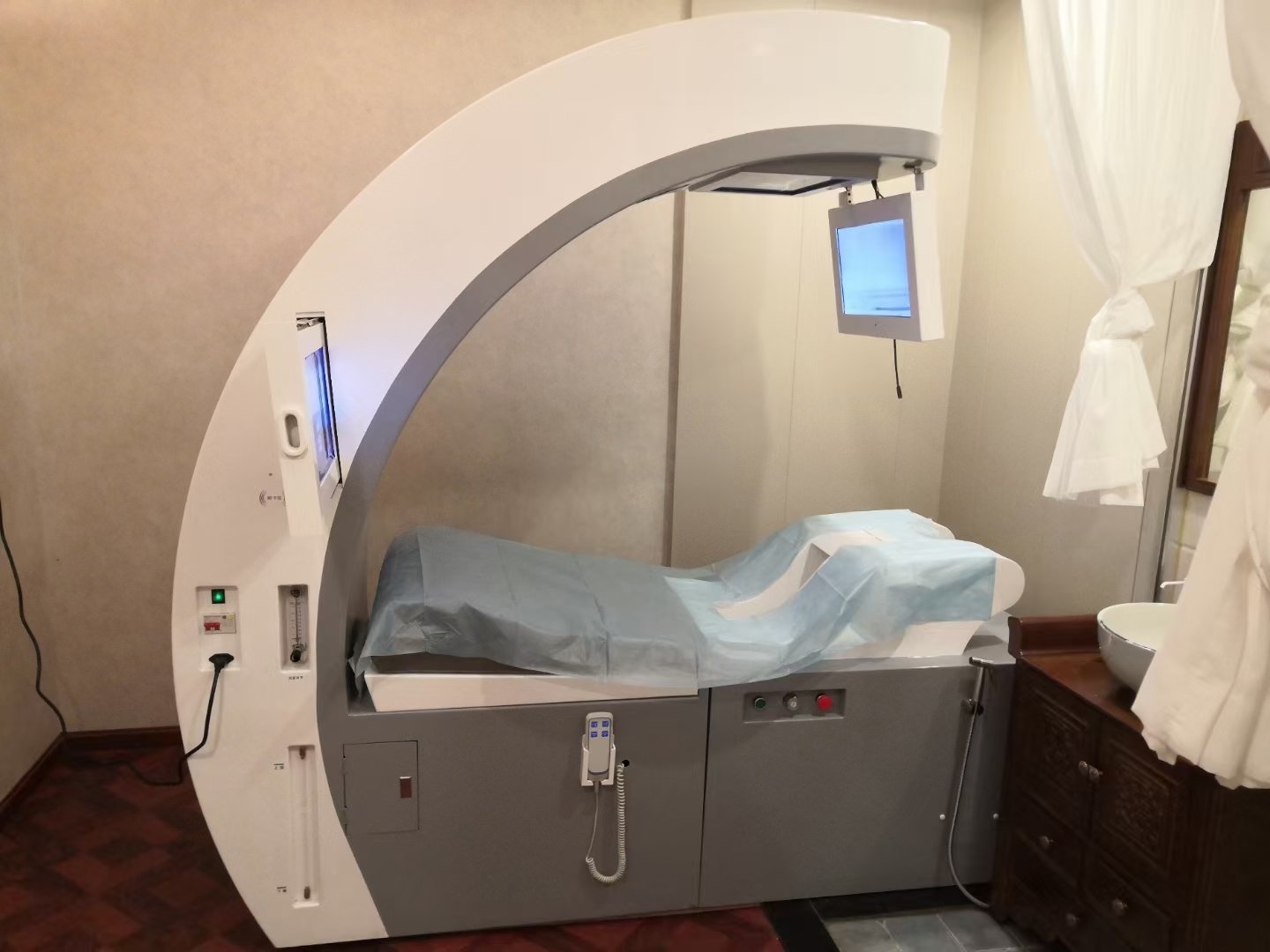
| Specification | MAIKONG MK-880 |
| Model | MK-880 |
| Power Supply | 220V-50HZ-2KW (110V available) |
| Water Temperature Range | 30-40°C (adjustable, auto-regulated) |
| Maximum Pressure | 0.6Pa with safety cutoff |
| Flow Rate Control | 0-1.5L/min (adjustable) |
| Water Tank Capacity | 10L |
| Continuous Operation | 8 hours |
| Noise Level | <65dB |
| Dimensions | 1720×2500×690mm |
| Weight | 160kg |
| Certification | CE, ISO |
| Warranty | 1 Year with technical support |
Supporting Health Professionals Worldwide
We serve a diverse client base including wellness center operators, medical device distributors, spa owners, and healthcare equipment wholesalers across the United States and internationally.
Our USA distribution network provides local support for American practitioners. Technical training helps operators understand both equipment functionality and safety protocols.
Customization capabilities allow us to meet specific regional requirements. Our OEM services support established brands seeking reliable manufacturing partners. We maintain competitive wholesale pricing for distributors while never compromising on safety standards.
Final Thoughts on Colon Hydrotherapy Risks
After examining documented medical evidence, professional standards, and equipment safety considerations, several conclusions emerge clearly.
Colon hydrotherapy carries real risks including perforation, infection, electrolyte imbalance, and tissue trauma. These dangers increase significantly when contraindications exist or when practitioners use substandard equipment and protocols.
Medical organizations find insufficient evidence supporting health benefits while documenting serious complications in published literature. The risk-benefit analysis does not favor colon cleansing for most individuals.
For practitioners choosing to offer these services despite medical skepticism, safety must be the absolute priority. This requires proper equipment, comprehensive training, thorough client screening, and informed consent processes.
Health center owners and equipment buyers should prioritize safety-certified machines from reputable manufacturers. Cutting costs on equipment creates unacceptable liability exposure and client safety risks.
Whether you operate a spa, run a natural health clinic, or distribute medical equipment, understanding these risks protects your business and serves your clients ethically.
The information in this guide equips you to make informed decisions about offering colon hydrotherapy services, selecting equipment, and managing risk appropriately in your professional practice.
Partner with MAIKONG for Safety-Certified Colon Hydrotherapy Equipment
After understanding the comprehensive risk landscape of colon hydrotherapy, the importance of professional-grade, safety-focused equipment becomes clear. MAIKONG has served health professionals worldwide for over 15 years with CE-certified manufacturing that addresses the exact safety concerns discussed in this article.
We support US distributors, wellness center operators, medical equipment wholesalers, and healthcare entrepreneurs with:
- CE-certified professional colonic machines meeting international safety standards
- Advanced safety features including temperature control, pressure regulation, and automatic sterilization
- Custom OEM solutions for established brands
- Technical training and ongoing support for equipment operators
- Competitive wholesale pricing with low minimum order quantities (MOQ: 1 unit)
- Fast delivery (5-7 days) and comprehensive warranty coverage
Interested in becoming a MAIKONG distributor in your region? Whether you’re expanding an existing wellness business, starting a colon hydrotherapy clinic, or seeking reliable equipment for resale, our partnership team provides the support you need.
Our equipment incorporates the safety technologies that address risks throughout this article: temperature regulation preventing thermal injury, pressure controls avoiding perforation risk, and sterilization systems reducing infection transmission.
Contact our US partnership team:
📧 Email: Lucy@colonicmachine.us
📱 WhatsApp: +86-135-1090-7401
🌐 Website: colonicmachine.us
MAIKONG – Manufacturing safety-focused colon hydrotherapy equipment for health professionals who prioritize client protection and professional excellence.